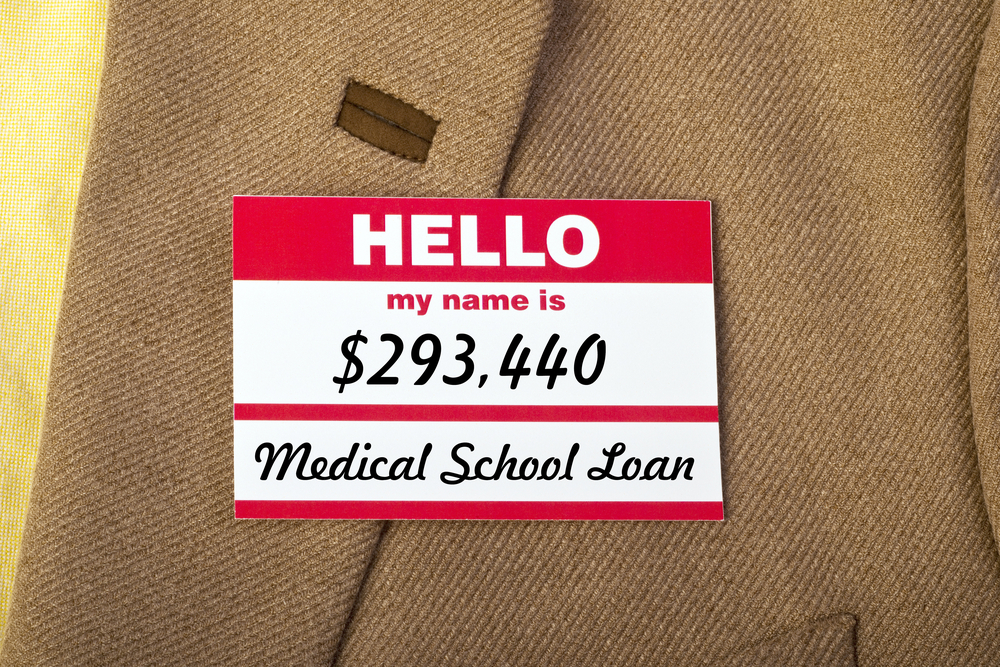
Paying off $200,000 in student loans in 19 months sounds like one of those internet claims that should come with a suspicious “limited-time webinar” button. But in this case, the story is refreshingly practical: a physician couple used high income, disciplined spending, a clear repayment strategy, and a refusal to let lifestyle inflation sneak in wearing a white coat.
The lesson is not that every borrower can erase medical school debt in under two years. A resident earning a training salary, a primary care doctor supporting a large family, or a borrower pursuing Public Service Loan Forgiveness may need a completely different plan. The real lesson is more useful: large student loan debt becomes less terrifying when it is treated like a project, not a personality flaw.
This article breaks down how one doctor attacked roughly $200,000 in student loans, why the method worked, what other borrowers can learn from it, and how to apply the same principles without pretending everyone has the same income, family situation, or caffeine tolerance.
Why Medical Student Loan Debt Feels So Heavy
Medical school debt is not ordinary debt. It is debt with a stethoscope, a pager, and a long training timeline. Many physicians finish school with six-figure balances, then spend years in residency or fellowship earning far less than they eventually will as attending physicians. During that time, interest can accumulate, payments can feel confusing, and the balance may seem to grow like it has been fertilized.
Recent medical education data shows that many new physicians graduate with education debt around the $200,000 mark, and a large share owe even more. That means this doctor’s story is not an oddball case. It sits right in the middle of a very real financial problem facing doctors, dentists, veterinarians, lawyers, and other professionals who borrow heavily to enter high-skill careers.
The emotional side matters too. A $200,000 balance can make a new doctor feel behind before the first attending paycheck arrives. Friends may be buying homes, upgrading cars, or investing aggressively, while the physician is staring at a loan dashboard that looks like a small mortgage without the fun part where you get a kitchen.
The Backstory: How the Debt Reached $200,000
In the doctor’s original story, the debt did not come from tuition alone. He had a full-tuition scholarship for medical school, which sounds like the golden ticket. But living expenses, training years, forbearance, interest, and a spouse’s student loans combined to create a total repayment burden of about $200,000.
That detail matters because it destroys a common myth: “If someone has debt, they must have done everything wrong.” Not true. A borrower can make some smart choices, some imperfect choices, and still end up with a serious balance. Medical training is expensive, life is expensive, and interest is the financial equivalent of a houseguest who keeps eating your snacks.
The doctor later recognized that forbearance during training allowed interest to pile up. For many medical graduates, this is a key turning point. Deferment or forbearance may feel like relief in the short term, but if interest continues growing, the future balance can become much larger. Income-driven repayment, refinancing, PSLF planning, or targeted payments during residency may be better options depending on the borrower’s goals.
The First Big Decision: Pay It Off Fast or Pursue Forgiveness?
Before paying aggressively, the doctor looked at an important number: debt-to-income ratio. His annual attending income was higher than the student loan balance, which made rapid repayment realistic. In plain English, the debt was huge, but the income was bigger. That is the kind of math that changes the game.
Not every physician should race to pay off loans. Some doctors work for nonprofit hospitals, academic medical centers, government employers, or qualifying public service organizations. For them, Public Service Loan Forgiveness may be worth evaluating. PSLF generally requires 120 qualifying monthly payments while working full-time for a qualifying employer under an eligible repayment plan. For physicians with large federal loan balances and nonprofit employment, forgiveness can sometimes beat aggressive repayment.
But if a doctor works in private practice, has private loans, refinanced federal loans, or earns so much that little would remain to forgive, rapid payoff may make more sense. The correct strategy is not “always pay fast” or “always pursue forgiveness.” The correct strategy is: run the numbers before your loans start running your life.
Step 1: He Refinanced to Lower the Interest Rate
The doctor refinanced his loans from a rate around 6.8% to a much lower variable rate in the 3.5% to 4% range. That move reduced how much interest accumulated and allowed more of each payment to attack the principal balance.
Refinancing can be powerful, especially for high-income professionals with stable jobs, strong credit, and no need for federal loan protections. A lower interest rate can save thousands of dollars over the life of the loan. When you are paying down six figures, even a few percentage points matter. It is the difference between throwing a bowling ball at the debt and throwing a marshmallow.
But Refinancing Is Not for Everyone
Refinancing federal student loans into a private loan can permanently remove federal benefits. That may include access to income-driven repayment plans, federal deferment and forbearance options, disability or death discharge rules, and forgiveness programs such as PSLF. Borrowers who might work in public service should be especially careful.
A simple rule of thumb: refinance only after you are confident you will not need federal protections. For physicians, that often means waiting until after residency or fellowship, once employment, specialty income, and forgiveness eligibility are clearer.
Step 2: He Chose the Avalanche Method
There are two famous debt payoff methods: snowball and avalanche. The snowball method targets the smallest balance first, creating quick wins and motivation. The avalanche method targets the highest interest rate first, saving the most money mathematically.
This doctor used the avalanche method. He wanted the most expensive debt gone first. The approach is less emotionally cuddly than the snowball method, but it is efficient. Think of it as debt repayment with a spreadsheet and a tiny sword.
For borrowers who need motivation, the snowball method can work beautifully. Paying off a small loan creates momentum. For borrowers who are highly analytical or allergic to unnecessary interest, avalanche is often better. The best method is the one you will actually follow, not the one that sounds impressive at dinner.
Step 3: He Made a Huge Scheduled Monthly Payment
The doctor’s scheduled student loan payment was about $5,500 per month. That number alone is larger than many households’ total monthly expenses, so it is important to be realistic. This strategy depended on attending-level income, controlled spending, and a clear family agreement.
But the most important principle applies at any income: automate the serious payment. A planned monthly payment removes drama. Instead of asking, “How much should we pay this month?” the borrower creates a system. The payment goes out before lifestyle upgrades have a chance to hold a team meeting.
For a high-income professional, the first years after training are especially powerful. If a new attending continues living like a resident for a while, the gap between income and spending can become a debt-destroying machine. This is commonly called “living like a resident,” and it may be the least glamorous phrase in personal finance. It is also one of the most effective.
Step 4: He Used Bonuses Like Financial Rocket Fuel
The scheduled payment was only part of the plan. The doctor ultimately paid an average of roughly $10,000 per month toward student loans. The extra money came from clinical and non-clinical bonuses, additional work, and disciplined allocation of windfalls.
This is where many debt plans succeed or quietly wander into the snack aisle and disappear. Bonuses feel like “extra” money, so it is tempting to spend them on vacations, furniture, electronics, or a car that whispers, “You deserve me.” But the doctor used most bonus income for debt repayment. In his case, roughly 90% of bonus money went toward loans.
That one habit changed everything. A $5,500 monthly payment is already aggressive. Adding bonuses turned a two-year goal into a 19-month victory.
Step 5: He Avoided Lifestyle Inflation
Lifestyle inflation is the sneaky villain in many physician finance stories. After years of training, it feels reasonable to upgrade everything at once: house, car, wardrobe, vacations, restaurants, gadgets, gym, mattress, espresso machine, and possibly a golden retriever with private school energy.
The doctor’s family resisted that pull. They did not pretend they had no money, but they did not allow every new dollar to become a new bill. That is the heart of fast student loan payoff: create a large gap between what you earn and what you spend, then aim that gap at the debt.
For new physicians, the first two to five attending years can shape decades of wealth. Keep fixed costs reasonable, delay the dream house, avoid unnecessary car debt, and use early income to clean up student loans, build emergency savings, buy disability insurance, invest, and create options.
What Other Doctors Can Learn From This Strategy
Know Your Loan Type Before Choosing a Plan
Federal loans and private loans are very different animals. Federal loans may qualify for income-driven repayment, PSLF, and other protections. Private loans usually depend on the lender’s terms. Before making extra payments or refinancing, list every loan, interest rate, balance, servicer, and repayment status.
Calculate Your Debt-to-Income Ratio
If your student loan balance is lower than your annual income, aggressive repayment may be realistic. If your debt is two or three times your income, forgiveness, income-driven repayment, or a longer-term strategy may be better. The number does not decide everything, but it gives you a starting point.
Do Not Ignore Interest During Training
Residency and fellowship are financially awkward years. Income is limited, hours are long, and financial paperwork feels about as fun as a surprise night float. Still, making smart loan choices during training can prevent the balance from ballooning. Even small payments may help, and choosing the right repayment plan can matter greatly.
Use Windfalls on Purpose
Bonuses, tax refunds, moonlighting income, signing bonuses, and extra shifts can accelerate repayment. The trick is deciding in advance where the money goes. Without a rule, windfalls tend to evaporate. With a rule, they become progress.
Protect Yourself While Paying Debt
Aggressive repayment should not mean ignoring basic financial protection. Doctors should consider an emergency fund, disability insurance, appropriate life insurance if others depend on their income, and retirement contributions. Paying off loans is excellent. Doing it while one financial emergency away from chaos is less excellent.
A Sample Fast-Payoff Framework for a $200,000 Student Loan
Imagine a new attending physician earning $250,000 per year. After taxes, retirement contributions, insurance, and benefits, monthly take-home pay might vary widely depending on state, household size, and deductions. But suppose the doctor can live on $6,000 to $7,000 per month and direct $6,000 to $8,000 monthly toward loans. Add occasional bonuses, moonlighting, or extra shifts, and the borrower may be able to pay $100,000 or more per year toward student debt.
That is how a six-figure balance can disappear quickly. It is not magic. It is math plus behavior. The math says the debt can be paid. The behavior says the money must actually go there.
For borrowers with lower income or higher costs, the timeline will be longer. That does not mean failure. A five-year plan can still be excellent. A PSLF plan can be excellent. A balanced plan that pays debt while investing can be excellent. The goal is not to copy one doctor perfectly; it is to build a plan that fits your numbers.
Common Mistakes That Slow Down Student Loan Payoff
Refinancing Too Early
Refinancing can save money, but doing it before understanding PSLF eligibility or career plans can be costly. Once federal loans become private, federal forgiveness options are generally gone.
Making Minimum Payments Without a Strategy
Minimum payments are not evil, but they should be part of a plan. If the goal is forgiveness, minimum required payments under the right plan may be smart. If the goal is payoff, minimum payments may drag the process out and increase total interest.
Buying the Attending Lifestyle Immediately
The attending paycheck is exciting. So is financial freedom. Choose carefully. A giant mortgage, luxury car payment, and expensive habits can trap even a high earner. Wealth is not what you earn; it is what you keep and use intentionally.
Ignoring Taxes and Retirement
High-income professionals need tax planning. Retirement contributions, health savings accounts, and employer benefits can change the picture. A good student loan strategy should not exist in a vacuum. It should fit inside a complete financial plan.
Should You Pay Off Student Loans or Invest?
This is one of the great personal finance debates, right up there with “rent or buy” and “who finished the office coffee and left one tablespoon in the pot?”
The answer depends on interest rates, risk tolerance, employer retirement matches, tax benefits, and emotional preference. If loans carry high interest, paying them off can provide a guaranteed return equal to the interest saved. If loans have low fixed rates, investing may produce higher long-term returns, though not guaranteed. Many physicians choose a blended approach: make strong loan payments while also investing enough to capture retirement benefits and build future wealth.
The doctor in this story prioritized debt freedom. That choice gave his family flexibility, lower monthly obligations, and psychological relief. For many borrowers, that peace of mind is worth a lot.
Experiences and Practical Reflections: What This Story Teaches Beyond the Math
The most useful part of this doctor’s journey is not the exact 19-month timeline. It is the mindset behind it. He treated student loans as a temporary obstacle, not a lifelong identity. That distinction matters. Many borrowers see a giant loan balance and think, “This is just my life now.” But debt is not a tattoo. With the right plan, it can be reduced, managed, forgiven, refinanced, or eliminated.
One experience many high-debt professionals share is the strange silence around money. Doctors learn anatomy, pharmacology, diagnosis, procedures, and how to survive on vending-machine crackers during a long shift. But many receive little formal education about loans, taxes, insurance, contracts, or investing. Then, suddenly, they are handed a large salary and a larger financial decision tree. No wonder so many people feel overwhelmed.
The doctor’s story shows the power of learning quickly. He made some earlier choices he later regretted, especially allowing interest to grow during training. But he did not stay stuck in regret. He changed the plan. That is important for anyone with student debt. Maybe you borrowed too much. Maybe you ignored your loans for a year. Maybe you chose the wrong repayment plan. Fine. Financial progress does not require a perfect past; it requires a better next step.
Another experience is the family side of repayment. Paying $5,500 to $10,000 per month toward loans is not just a spreadsheet decision. It affects housing, meals, vacations, childcare, cars, and daily comfort. Couples need shared goals. A debt plan works better when everyone understands the “why.” Without agreement, aggressive repayment can feel like punishment. With agreement, it can feel like a mission. Still not glamorous, but at least everyone is rowing the same boat instead of drilling holes in it.
There is also a career lesson. The doctor used extra work and bonuses to accelerate payoff. That can be effective, but burnout is real. Physicians already work demanding schedules. Extra shifts may be useful for a season, but they should not destroy health, relationships, or professional satisfaction. The best repayment plan is sustainable. If the plan requires you to become a sleep-deprived robot with a medical license, revise the plan.
Finally, this story reminds borrowers that financial freedom is not only about money. Debt payoff creates options. A doctor without student loans may be able to reduce hours, change jobs, start a business, take parental leave, work in a lower-paying meaningful role, or simply sleep better. Money is a tool, and debt repayment is one way to sharpen that tool.
For readers outside medicine, the same principles still apply. Know your numbers. Reduce interest when it makes sense. Choose a payoff method. Automate payments. Use windfalls wisely. Avoid lifestyle inflation. Protect your future while paying for your past. And please, do not let one celebratory purchase become a monthly payment that follows you around like a needy raccoon.
Conclusion
This doctor paid off $200,000 in student loans in 19 months by combining a high income with disciplined spending, strategic refinancing, the avalanche repayment method, large scheduled payments, and bonus income directed toward debt. The strategy worked because his debt-to-income ratio supported aggressive repayment and because he avoided the classic trap of upgrading his lifestyle too quickly after training.
The bigger takeaway is not that every borrower should copy this plan exactly. Federal loan borrowers may need to evaluate income-driven repayment, Public Service Loan Forgiveness, tax rules, and the risks of refinancing. Some physicians will benefit from fast repayment; others may save more through forgiveness or a balanced approach. The smartest plan is personal, numbers-based, and flexible enough to survive real life.
Student loans can feel massive, but they are not mysterious. With clear information, steady action, and a little stubbornness, even a six-figure balance can become a finished chapter instead of a permanent cloud.