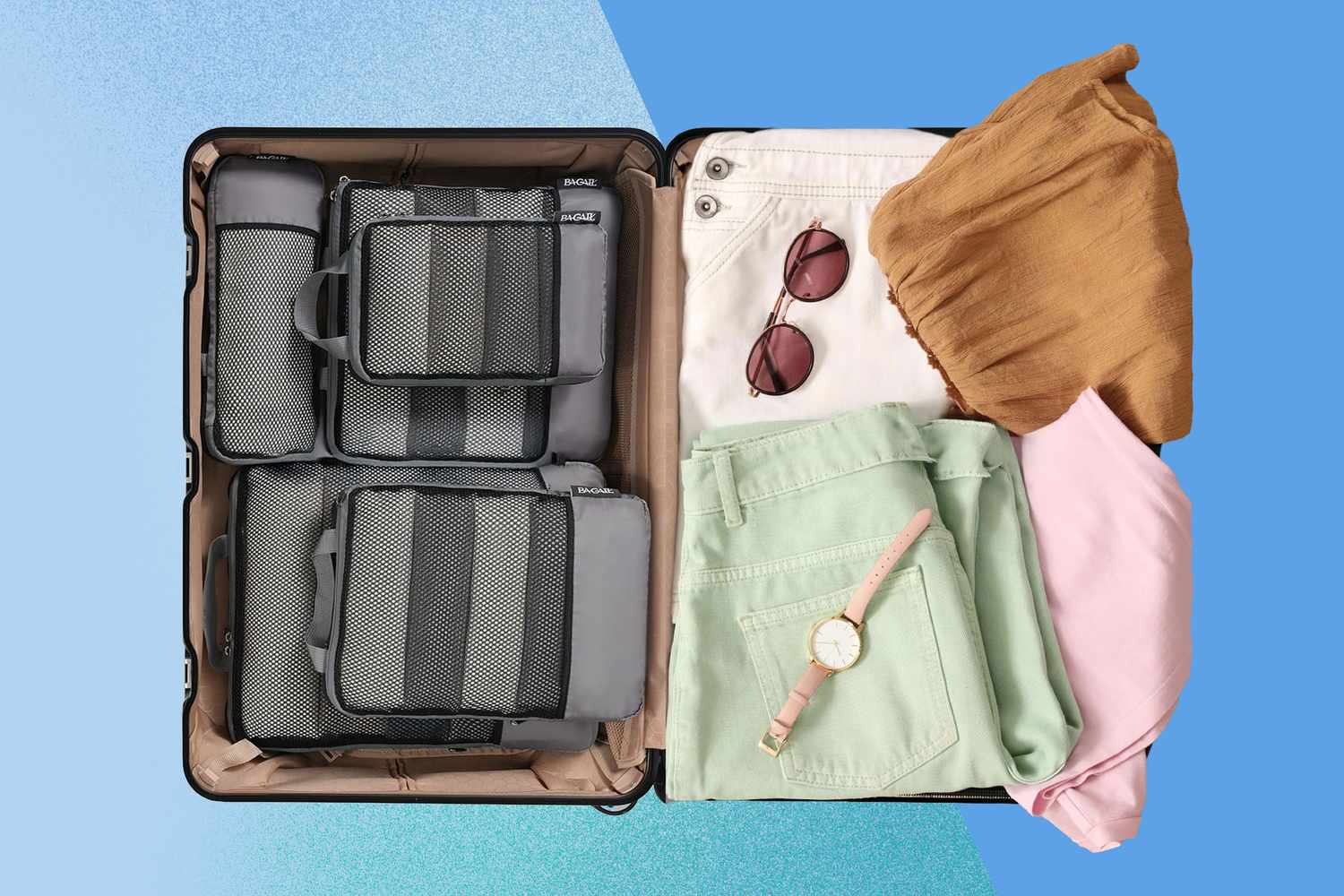
If you’ve ever tried to zip a carry-on while whispering, “Please don’t pop open in the airport like a cursed jack-in-the-box,” you already understand the
eternal travel math problem: the trip is seven days long, but the suitcase is emotionally only three days wide.
Enter the hero nobody asked forbut everybody ends up loving: compression packing cubes. They’re like regular packing cubes that went to the
gym, discovered zippers, and came back with boundaries. Some shoppers and frequent flyers even claim certain sets can help a carry-on hold “double” (or more)
of what it usually fits. Is it truly a magical doubling? Not exactly. Is it a wildly effective way to reduce wasted air space and tame overpacking? Absolutely.
Why Compression Packing Cubes Feel Like “Double” Space
Standard packing cubes mainly organize. They keep socks from migrating into your dress shirts, and they let you unpack by simply dropping cubes into drawers.
Compression packing cubes do that and squeeze your soft items flatter using a second zipper.
The “Two-Zipper” Trick (And Why It Works)
Most compression cubes use a simple design: one zipper closes the cube, and a second “compression” zipper tightens the perimeter to reduce the cube’s depth.
Think of it as the difference between folding a puffer jacket and negotiating with a puffer jacket.
When you compress clothing, you’re not breaking the laws of physicsyou’re removing trapped air and minimizing gaps. In a carry-on, empty
air is the enemy. Compression cubes help you swap that wasted volume for actual outfits, which can make it feel like you unlocked secret suitcase DLC.
What “Double” Usually Means in Real Life
“Double space” is typically a dramatic way of describing a very real improvement:
- Less dead air between items (especially bulky knits, sweatshirts, and lounge sets).
- Tighter stacks that behave like neat rectangles instead of chaotic fabric clouds.
- Better suitcase geometry: cubes pack like bricks, not like a laundry avalanche.
Depending on what you pack, the fabric types, and how disciplined you are about rolling or folding, you might save a little space or a lot. The big win:
compression cubes make your packing more consistent, which is how carry-on-only travelers survive.
The Best Use Cases for “Space-Doubling” Packing Cubes
1) Carry-on-only trips (aka “I refuse to wait at baggage claim”)
If you’re trying to pack for 5–10 days in a carry-on, compression cubes are the closest thing to a cheat codeespecially when you build a capsule wardrobe
and plan for laundry.
2) Budget airlines with strict size limits
When your bag must fit a sizer that seems designed by someone who hates sweaters, compression cubes help reduce bulk so your bag closes cleanly and slides in
without a wrestling match.
3) Families or shared suitcases
Different colors or cube “zones” can keep each person’s clothes separate. It’s also easier to pull one cube for pajamas or swimwear without detonating the
whole suitcase.
4) Anyone who hates rummaging
If your travel style is “I will unpack by turning the suitcase into a floor closet,” cubes give you structure. You’ll still be youjust with fewer sock
mysteries.
How to Choose Compression Packing Cubes That Actually Save Space
Look for zippers that don’t feel like they’re fighting you
Compression works only if you can zip it without fear. Strong, smooth zippers matter more than fancy marketing. If the zipper snags easily, you’ll avoid the
compression featureand then you’re basically carrying tiny fabric shoeboxes (still helpful, just less “wow”).
Pick the right fabric: lightweight, durable, and not overly sealed
Many top-rated cubes use nylon ripstop with some mesh. Lightweight fabrics preserve your luggage weight budget, and a mesh panel lets you see what’s inside.
Fully waterproof cubes sound cool, but if they don’t breathe, odors can build upespecially if you toss in gym clothes or damp swimwear.
Choose a set that matches your bag size
A common mistake is buying a huge set and trying to cram all of it into a small carry-on. For most carry-ons, a practical starter kit is:
- 1 large cube (tops or lighter layers)
- 1 medium cube (bottoms or mixed outfits)
- 1 small cube (underwear, socks, workout gear)
- 1 “dirty laundry” cube or bag (because reality)
Bonus features worth caring about
- Handles for quick pull-outs at security or hotel check-in.
- Half-mesh panels so you can identify contents while keeping some privacy.
- Reinforced seams for overpackers (no judgmentjust engineering).
How to Pack Compression Cubes for Maximum Space
Step 1: Sort by category (or by outfit, if you’re that organized)
Categories work best for most people: tops together, bottoms together, underwear together, and one cube reserved for “stuff that might leak, stain, or shame
me.”
Step 2: Roll soft items, fold structured items
Rolling often helps reduce wrinkles and makes the cube pack evenly. Folding can work better for crisp items like button-downs or stiffer fabrics that don’t
love being rolled. The trick is consistency: an evenly packed cube compresses better than a lumpy one.
Step 3: Don’t overfill before compression
This is the moment where many travelers go from “genius” to “why is this zipper screaming?” Fill the cube so it closes comfortably first. Then compress.
If you need two hands, a knee, and a motivational speech, you’re over capacity.
Step 4: Use your suitcase like a puzzleon purpose
Place compressed cubes flat along the base. Use the edges for sandals, chargers, and small pouches. Keep one slim cube accessible for a flight layer, meds,
and essentials. Your future self will thank you at 12:14 a.m. in a hotel room.
A Sample Carry-On Packing Plan That Shows the “Double Space” Effect
Here’s a realistic example for a 6–8 day trip with laundry once (sink wash or hotel laundry). This is where compression cubes shine: fewer bulky stacks, more
repeatable outfits.
In two compression cubes + one small cube
- 4–5 tops (mix of tees + one nicer top)
- 2 bottoms (jeans + lightweight pants or skirt)
- 1 midlayer (light sweater or hoodie)
- 7–8 underwear
- 6–7 pairs of socks
- 1 sleep set
- 1 workout set (optional)
Outside the cubes (to preserve cube efficiency)
- 1 jacket worn on travel day (bulk belongs on your body, not in your bag)
- Shoes in a shoe bag along the edge
- Toiletries in a leak-proof pouch (always)
- Electronics in a slim organizer
Notice what’s missing: panic, chaos, and the need to sit on your suitcase like it owes you money.
Common Mistakes That Kill the “Space-Saving” Magic
Using cubes for everything
Packing cubes work best for soft goods. Shoes, hair tools, and chunky toiletry cases don’t compress well and can distort the cube shape, creating gaps in the
suitcase. Use cubes for clothing and flexible items, then fill edges with hard stuff.
Ignoring weight limits
Compression cubes shrink volume, not pounds. You can absolutely compress your way into an overweight carry-on. The airline scale does not care that your socks
are beautifully organized.
Choosing the wrong sizes
A giant cube in a small carry-on becomes an awkward fabric boulder. Smaller cubes often pack more efficiently because they let you fill a suitcase with fewer
gaps.
Do Packing Cubes Reduce Wrinkles?
Often, yesespecially compared to loose piles. Movement causes wrinkles. Cubes keep items from shifting during transit. That said, some fabrics wrinkle if
you so much as look at them (linen, we see you). If wrinkles matter, choose more travel-friendly materials or pack structured items in a folder-style
organizer.
Care and Cleaning: The Gross Part Nobody Posts on Instagram
Packing cubes touch hotel drawers, floors, gym lockers, and the inside of your suitcase (which is basically a portable dust museum). Cleaning them regularly
helps prevent odors and grime. Many cubes are machine washablecheck the care tag. A sensible rhythm is cleaning every few trips, and always after a spill or
if you used a cube for dirty laundry.
So…Which Packing Cubes Are People Talking About?
The “double space” buzz usually centers on compression sets sold in multiple sizes, often made of ripstop nylon with two zippers. Popular
options frequently mentioned by travel editors and testers include compression styles from brands such as Bagail, Gonex, Eagle Creek, Monos, and others, plus
premium picks from travel-gear companies that focus on durability and smooth zippers.
The practical takeaway: don’t chase hypechase design. Two zippers, durable seams, and a set of sizes that fits your carry-on will do more
for your packing life than any viral “look how much I packed” video.
Final Verdict: The Carry-On Space “Upgrade” That Actually Pays Off
Compression packing cubes won’t literally double the physical dimensions of your bag (sadly, we still live under the tyranny of geometry). But they can
dramatically reduce wasted space, keep everything tidy, and make it far easier to pack like a seasoned traveler.
If you’re trying to join the carry-on-only clubor you just want your suitcase to stop bullying youcompression packing cubes are a smart, affordable upgrade.
They make packing feel less like a chore and more like a small victory over chaos. And honestly? We all deserve that.
Extra: of Real-World “Packing Cube” Experiences (So You Know What It’s Like)
The most relatable thing about compression packing cubes is that people don’t just use themthey convert. A lot of travelers describe the first
successful “carry-on-only” trip with cubes the way people describe finally organizing their garage: suspicious pride, mild disbelief, and the urge to tell
everyone at brunch.
One common experience is the “airport confidence boost.” Instead of doing the frantic last-minute suitcase sit-down, travelers pack, compress, and zip the
bag easilythen walk out the door like they totally meant to be that prepared. That calm feeling matters on travel day, when you’ve already got boarding times,
snacks, chargers, and at least one friend texting, “Wait, which terminal?”
Another frequent scenario: the mid-trip “I can actually find things” moment. Without cubes, a carry-on becomes a layered geology projectshirts on top, socks
in the middle, and your toothbrush somehow at the Earth’s core. With cubes, travelers report that unpacking is faster and repacking is less annoying, because
everything has a home. You grab the cube you need (gym clothes, sleepwear, underwear) and move on. No rummaging. No suitcase explosion. No mystery sock
migrating into your nice outfit.
Compression cubes also show their value on trips with outfit changesthink weddings, conferences, or family visits where you need casual clothes, “nice” clothes,
and at least one backup option for weather betrayal. Many people pack by category (tops in one cube, bottoms in another), while others pack by outfit (each day’s
look in its own cube). Both approaches can work, but the consistent win is that compression cubes keep outfits from puffing up and taking over the suitcase like
they pay rent.
Families often describe a different kind of satisfaction: color-coding cubes for each person. Instead of sorting everyone’s clothes in one big pile, each kid
gets a cube color (or a cube size), and the suitcase becomes a mini filing cabinet. On arrival, parents can hand out cubes like lunchboxeseach person gets their
own “drawer” and the hotel room stays less chaotic. It doesn’t solve every travel problem, but it definitely reduces the “where are my pajamas?” debate.
And then there’s the “dirty laundry truce.” Many travelers keep one cube (or the laundry bag that comes with some sets) strictly for worn clothes. This prevents
the classic “clean shirt touched the airport-floor jeans” tragedy. By the end of the trip, you can separate dirty items instantly, and when you get home, you
don’t have to play the guessing game of what’s clean and what’s been on a tour of three cities.
The funniest universal experience, though, is how quickly people start packing betternot just smaller. Cubes make you see your packing choices in real
time. When a cube fills up, it’s a visual cue: you’re done. That natural limit helps people edit the “just in case” items that never leave the bag. In other words,
compression packing cubes don’t just save spacethey quietly teach you how to pack like a grown-up.