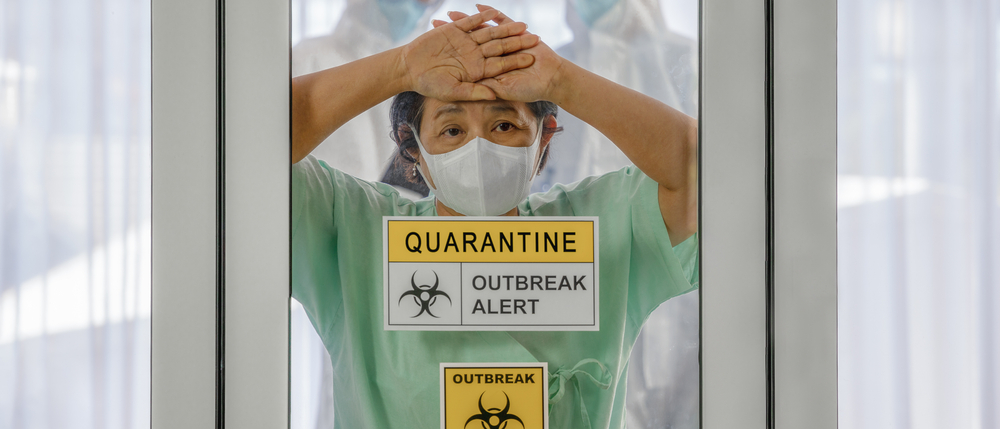
Testing for the novel coronavirus sounded simple at first: swab, wait, result, done. In real life, it turned out to be more like assembling furniture with half the screws missing and the instruction manual translated by a tired raccoon. COVID-19 testing has saved lives, guided treatment, helped people protect families, and supported public health decisions. But it has also created confusion, frustration, false confidence, and plenty of “Wait, so am I contagious or not?” moments.
The core problem is not that coronavirus tests are useless. They are not. The problem is that every test has a job, a best-use window, and a list of limitations. PCR tests, antigen tests, at-home COVID tests, antibody tests, lab-based diagnostics, and combination flu/COVID tests all answer slightly different questions. When people use the wrong test at the wrong timeor read a negative result like a magical force fieldthe trouble begins.
This guide explains the major problems with testing for novel coronavirus, including false negatives, false positives, timing issues, access barriers, home-test reporting gaps, changing variants, user error, and the very human habit of treating a tiny plastic strip like a crystal ball.
What Coronavirus Testing Is Actually Trying to Do
Before digging into the problems, it helps to understand what COVID-19 tests are designed to detect. The novel coronavirus, officially known as SARS-CoV-2, can be identified in several ways. Molecular tests such as PCR or NAAT tests look for the virus’s genetic material. Antigen tests look for viral proteins. Antibody tests look for immune-system evidence that the body has responded to infection or vaccination.
Those differences matter. A diagnostic test such as PCR or antigen testing may help determine whether someone has an active infection. An antibody test cannot reliably diagnose current COVID-19 because antibodies usually appear after the immune system has had time to respond. In plain English: an antibody test is more like reading yesterday’s newspaper than checking today’s weather.
The Biggest Problem: A Negative Test Does Not Always Mean “No COVID”
One of the most common misunderstandings about COVID-19 testing is the belief that a negative result means a person is definitely not infected. Unfortunately, viruses do not always follow our preferred schedule. A person may test too early, collect a poor sample, have a low viral load, or use a test that is less sensitive during a certain phase of infection.
This is especially important with rapid antigen tests. These tests are convenient, affordable in many cases, and quick enough to deliver results before your coffee cools. But they are generally less sensitive than molecular tests, especially early in infection and among people without symptoms. That means a person can feel sick, test negative, go to dinner, and accidentally turn the bread basket into a public health event.
Why False Negatives Happen
False negatives happen when a test says “negative” even though the person is infected. Several factors can cause this:
- Testing too early: The virus may not yet be present in high enough amounts to detect.
- Poor sample collection: A gentle nose tickle may not collect enough material.
- Low viral load: Some people have less virus in the sampled area at the time of testing.
- Test type: Antigen tests are usually faster but less sensitive than PCR tests.
- Storage problems: Tests exposed to heat, cold, humidity, or expiration may perform poorly.
This is why repeat testing is often recommended after a negative antigen result. For symptomatic people, testing again after 48 hours can improve confidence. For people without symptoms, multiple tests spaced over time may be needed. One test is a snapshot, not a full-length documentary.
PCR Tests Are Powerful, But Not Perfect
PCR tests became the gold standard of COVID-19 diagnosis because they can detect very small amounts of viral genetic material. They are usually more sensitive than antigen tests and can identify infections that rapid tests might miss.
But PCR testing has its own problems. First, results may take longer if the sample must be processed in a lab. During major surges, delays can make a result less useful. If a person receives a positive result three days after attending a wedding, the virus has already had time to do the electric slide across the guest list.
Second, PCR tests can remain positive after a person is no longer contagious because they may detect leftover viral RNA. This does not mean PCR is “bad.” It means PCR is very good at finding genetic traces, even when those traces may not represent live, transmissible virus.
The Timing Trap
Timing is one of the most overlooked problems with coronavirus testing. A test taken one day after exposure may be negative simply because the virus has not multiplied enough. A test taken very late may miss the best detection window. A test taken after symptoms begin may be more useful, but even then, the first day of symptoms can still produce a false negative.
Think of testing like taking a photo of a moving train. If you snap the picture before the train arrives, you get empty tracks. If you snap it after the train leaves, you also get empty tracks. The test may be technically working, but the timing can still make the result misleading.
Rapid Antigen Tests: Convenient, Useful, and Easily Misunderstood
Rapid antigen tests are the workhorses of at-home COVID testing. They are easy to use, widely recognized, and usually deliver results in about 10 to 30 minutes. They can be helpful when someone has symptoms, wants a quick answer, or needs to decide whether to visit a vulnerable relative.
The catch is that rapid tests are best understood as “high-speed clues,” not courtroom verdicts. A positive antigen test is usually meaningful, especially when symptoms are present. A negative antigen test is more complicated. It may mean no infection, or it may mean the infection is too early, too low-level, or poorly sampled to detect.
At-Home Tests Depend on Human Behavior
At-home testing gives people control, which is excellent. It also gives people instructions, which many of us treat as decorative. Swabbing too lightly, reading results too early or too late, using expired kits, mixing up drops, or placing the cassette on an uneven surface can all affect the result.
There is also the “faint line panic.” Many people stare at the test strip under three lamps, one window, and the spiritual guidance of a flashlight. In general, if a visible test line appears within the instructed reading window, it should be treated seriously. But reading outside the instructed time window can lead to confusion.
False Positives Are Less Common, But Still Possible
False positives occur when a test says someone has COVID-19 even though they do not. They are generally less common than false negatives, especially when a person has symptoms or known exposure. Still, false positives can happen because of contamination, manufacturing problems, test misuse, or very low disease prevalence in the tested population.
The practical impact can be significant. A false positive may cause someone to miss work, cancel travel, isolate unnecessarily, or worry about exposing others. While those consequences are usually safer than spreading infection, they are still real. Testing is a public health tool, but it lands in private lives: paychecks, childcare, school attendance, and family plans.
Antibody Testing Is Often Misused
Antibody tests can show whether the immune system has developed antibodies after infection or vaccination, but they are not meant to diagnose active COVID-19. This distinction has been misunderstood since the early pandemic.
An antibody test taken too early may be negative because the body has not produced detectable antibodies yet. A positive antibody test may reflect past infection, vaccination, or both, depending on the test. It does not prove that a person is currently contagious, and it does not guarantee complete immunity. Antibodies are useful information, not an invisibility cloak.
Access and Cost Create Testing Inequality
Testing problems are not only scientific. They are also social and economic. During the public health emergency, many people had easier access to free or covered COVID-19 tests. After emergency policies changed, coverage became less consistent. Some people still find low- or no-cost testing through public programs, clinics, or community sites, but access is not equally convenient for everyone.
Cost matters. A family of five trying to repeat antigen tests every 48 hours can burn through a box quickly. For people working hourly jobs, taking time off to find a test site may be unrealistic. For older adults, people without transportation, rural residents, uninsured people, and those with disabilities, “just get tested” can be much harder than it sounds.
Testing Is Only Helpful If People Can Use It
A perfect test locked behind cost, distance, confusing instructions, or limited availability is not very useful. Public health depends on practical access. If testing is expensive or inconvenient, people delay it, skip it, or rely on symptoms alone. That creates blind spots where the virus can spread quietly.
Home Tests Make Public Data Messier
At-home testing changed the COVID-19 landscape by making testing faster and more private. But it also created a reporting problem. Many people who test positive at home never report their results to public health systems. Others test negative at home and never seek confirmatory testing.
As a result, official case counts may underrepresent actual infections. Wastewater surveillance, hospitalization data, emergency department visits, and other indicators became more important because confirmed case numbers no longer captured the full picture. In other words, the scoreboard lost some of its players, so public health experts had to watch the whole game differently.
Variants Can Challenge Testing Systems
SARS-CoV-2 changes over time. New variants can affect how easily the virus spreads, how it interacts with immunity, and sometimes how well tests perform. Most authorized tests are designed to detect stable parts of the virus, and public health agencies monitor performance as variants emerge. Still, variant evolution adds another layer of complexity.
A test that worked well during one phase of the pandemic may need ongoing evaluation as the virus changes. This does not mean every new variant breaks every test. It means diagnostic tools require surveillance, updates, and quality checks. Viruses mutate. Laboratories sigh. The work continues.
Specimen Collection Is a Bigger Deal Than People Think
A COVID-19 test is only as good as the sample. For lab tests, proper specimen collection, handling, transport, and processing are critical. For home tests, the user becomes the sample collector, lab assistant, timer, reader, and occasionally amateur philosopher.
Swabbing technique matters. Nasal swabs, throat swabs, saliva samples, and nasopharyngeal swabs may perform differently depending on the test and instructions. Using a sample type not authorized for a specific test can reduce accuracy. More aggressive swabbing is not always better either; the goal is proper collection, not excavating the nostril like an archaeological site.
Confusing Instructions Lead to Confusing Decisions
Another major problem is communication. People want simple answers: “Am I safe?” “Can I go to work?” “Can I visit Grandma?” Testing gives useful information, but the answer often depends on symptoms, exposure, timing, risk level, and whether the person is around vulnerable people.
Public guidance has also changed over time as the virus, immunity, treatments, and available tools changed. That is normal in science, but it can feel frustrating. When recommendations shift, some people assume experts were guessing. In reality, public health guidance evolves because new evidence arrives. Science is not a stone tablet; it is more like a software update, ideally with fewer bugs.
Testing Alone Cannot Stop Transmission
One of the biggest mistakes is treating testing as the only layer of protection. Testing is useful, but it works best with other measures: staying home when sick, improving ventilation, masking around high-risk people, using treatment when eligible, and keeping vaccines updated according to medical guidance.
A negative test before an event can reduce risk, but it cannot eliminate it. Someone may test negative in the morning and become more infectious later. Someone may collect a poor sample. Someone may ignore symptoms because the test “said no.” Testing should inform decisions, not replace common sense.
How to Interpret COVID-19 Test Results More Wisely
A smarter approach to coronavirus testing starts with context. If you have symptoms after a known exposure, a negative rapid test should not be treated as the final answer. Retest after 48 hours, consider a molecular test if available, and take precautions around others. If you test positive on an antigen test, especially with symptoms, act as though you are infected.
If you are at higher risk for severe illness, testing quickly matters because antiviral treatment works best when started early. In that case, do not let one negative home test delay a conversation with a healthcare professional if symptoms continue or exposure risk is high.
Practical Testing Tips
- Check the expiration date and any official extension before using an at-home test.
- Store tests according to package directions.
- Read instructions before opening the swab, not after you have already improvised.
- Use the correct sample type for that specific test.
- Set a timer and read results only within the recommended window.
- Repeat antigen testing after a negative result when symptoms or exposure make COVID-19 possible.
- Seek medical advice if you are high-risk, symptoms worsen, or results do not match how sick you feel.
Experiences Related to the Problems with Testing for Novel Coronavirus
The real-world experience of COVID-19 testing has been a mix of relief, confusion, and mild bathroom-counter chaos. Many people remember the early days of the pandemic, when getting tested felt like trying to win concert tickets. Appointments disappeared quickly, lines wrapped around parking lots, and results could take days. By the time some people received a result, they had already isolated, worried, recovered, and emotionally reorganized their spice cabinet.
Later, at-home tests made the process easier but introduced new questions. Families learned to keep test kits next to thermometers and cough drops. Parents became experts at negotiating nasal swabs with children who treated the swab like a medieval weapon. Roommates held household meetings over faint pink lines. Office workers tested before returning to work, only to wonder whether one negative test was enough. The technology was empowering, but it also shifted responsibility onto ordinary people who were tired, sick, busy, or all three.
One common experience is the “negative but obviously sick” situation. A person wakes up with a sore throat, headache, and fatigue, takes a rapid test, and sees one lonely control line. They feel relieved, then worse, then test again two days later and get a positive result. That does not necessarily mean the first test failed mechanically. It may mean the viral load was too low at first or the sample did not contain enough detectable virus. Unfortunately, the social damage may already be done if the person went to work, school, or a family gathering after the first result.
Another familiar experience is test fatigue. During waves of infection, people got tired of testing, retesting, reading guidance, checking expiration dates, and deciding whether symptoms were COVID-19, flu, allergies, a bad night’s sleep, or the emotional consequences of reading the news. When testing feels burdensome, people become less likely to use it correctly. That is not a character flaw; it is a design challenge. Public health tools need to be simple enough for real life, not just ideal conditions.
Testing also created awkward social moments. Someone might ask guests to test before dinner, and one guest might respond as though asked to submit a doctoral dissertation. Others might test but not report positive results because they do not know how or assume it does not matter. Some people with high-risk relatives became very cautious, while others treated testing as optional once symptoms seemed mild. These differences sometimes caused tension because testing is not only medicalit is social etiquette, risk management, and family diplomacy wrapped into one small plastic cassette.
The biggest lesson from these experiences is that testing works best when people understand its limits. A test result should be read alongside symptoms, exposure history, timing, and the risk level of people nearby. Testing for novel coronavirus is not broken, but it is imperfect. Used wisely, it helps. Used carelessly, it can mislead. The goal is not to worship the test or dismiss it. The goal is to make better decisions with the information it provides.
Conclusion
The problems with testing for novel coronavirus are not caused by one bad test or one confusing rule. They come from biology, timing, technology, access, communication, and human behavior all colliding in the real world. PCR tests are sensitive but slower and sometimes too sensitive after infection. Rapid antigen tests are convenient but more likely to miss early or asymptomatic cases. Home tests increase access but weaken official case reporting. Costs, coverage changes, and availability make testing harder for some communities than others.
The best way forward is not to abandon testing. It is to use testing with realistic expectations. A positive result should be taken seriously. A negative result should be interpreted carefully, especially when symptoms or exposure are present. Repeat testing, proper sample collection, and medical guidance for high-risk people can make testing more useful. COVID-19 testing is not a magic wand, but when used correctly, it remains one of the most practical tools for reducing risk and making informed choices.
Note: This article is for informational and educational purposes only. It should not replace medical advice, diagnosis, or treatment from a qualified healthcare professional.