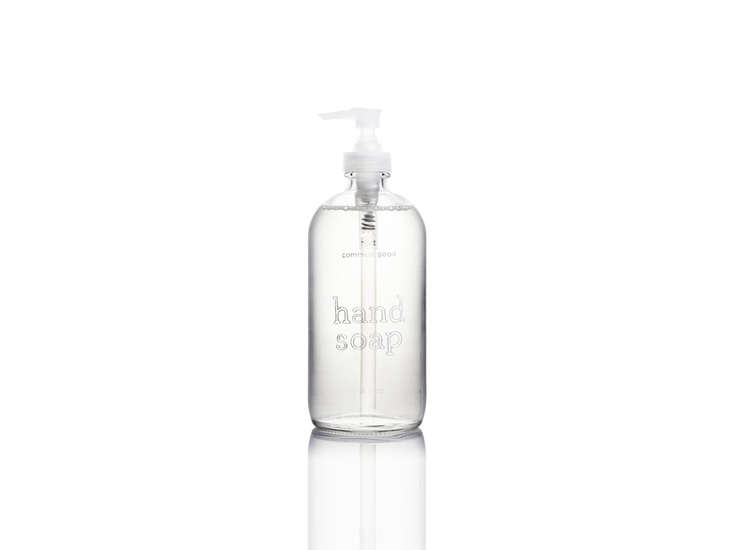
There are two kinds of hand soap in the world: the kind that sits sadly by the sink like a forgotten hotel sample, and the kind that makes you feel oddly proud every time you pump it. Common Good’s Eco Friendly Hand Soap belongs firmly in the second camp. It looks clean, smells pleasant without shouting across the room, and supports a more sustainable handwashing routine without asking you to become the kind of person who lectures dinner guests about plastic resin codes before dessert.
At its core, this is a refillable, plant-based hand soap designed for everyday sinks: bathrooms, kitchens, laundry rooms, guest baths, and that one tiny powder room everyone pretends is not also where the extra toilet paper lives. Common Good positions its hand soap as a safer, lower-waste alternative to conventional liquid soaps, using biodegradable ingredients, essential oil scents or an unscented option, and packaging meant to reduce single-use plastic.
But does an eco friendly hand soap actually matter? Yes, especially because hand soap is one of those products that quietly disappears fast. Families use it after cooking, gardening, pet care, bathroom trips, school runs, snack attacks, and mysterious sticky situations involving toddlers or adults who should know better. When a product is used several times a day, small design choicesrefill pouches, reusable bottles, gentler surfactants, fewer unnecessary additivescan add up.
What Is Common Good’s Eco Friendly Hand Soap?
Common Good’s Eco Friendly Hand Soap is a liquid hand soap made for people who want clean hands, a nicer sink area, and less packaging waste. The brand offers its hand soap in a refillable system that commonly includes a reusable bottle and a larger refill pouch. The product is available in scents such as lavender and bergamot, along with an unscented version for people who prefer a quieter sink experience.
The soap is designed to lather, cleanse, and rinse without relying on some of the common ingredients that many shoppers now try to avoid, such as parabens, phthalates, dyes, synthetic perfume, and certain harsh preservatives. It also includes aloe barbadensis leaf juice, a familiar skin-friendly ingredient used to help hands feel softer after washing.
Unlike a decorative soap that looks fancy but leaves your hands feeling like old paper, Common Good aims for a practical balance: clean enough for repeated daily use, gentle enough for frequent washing, and stylish enough that you do not feel the urge to hide it behind a candle.
Why Eco Friendly Hand Soap Has Become a Real Thing
For years, hand soap was treated as a basic household refill: grab whatever is on sale, put it by the sink, repeat forever. Then people started paying attention to what happens after the bottle is empty. Plastic waste became harder to ignore. Ingredient labels became less mysterious. Consumers began asking better questions: Is this soap gentle? Is the fragrance overwhelming? Can I refill the bottle? Does this packaging actually reduce waste, or is it just wearing a green leaf costume?
Eco friendly hand soap responds to those questions. A good formula should clean effectively, rinse well, and fit into normal life. The best sustainable products do not require a personality change. They simply make the better habit easier. In Common Good’s case, the brand focuses on refillable packaging, biodegradable formulas, plant-based surfactants, cruelty-free positioning, vegan ingredients, and transparent labeling.
That matters because handwashing is not optional. Public health guidance continues to emphasize washing with soap and water for at least 20 seconds, especially before eating, after using the bathroom, after handling trash, after touching animals, and after cooking. Soap does not need to be dramatic to be effective. It needs to help lift dirt, oils, and microbes so they can rinse away. In other words, your hand soap has one main job. The eco upgrade is making that job cleaner for your home and less wasteful for the planet.
Key Features of Common Good’s Hand Soap
1. Refillable Packaging That Reduces Single-Use Waste
The strongest appeal of Common Good’s Eco Friendly Hand Soap is the refill system. Instead of buying a new pump bottle every time the soap runs out, you can reuse the bottle and refill it from a larger pouch. This is the household equivalent of finally remembering to bring bags to the grocery store: simple, satisfying, and mildly heroic in a very domestic way.
Common Good’s glass bottle option is especially attractive for bathrooms and kitchens where design matters. A refillable glass dispenser feels more permanent than a disposable plastic bottle, and it can reduce visual clutter around the sink. The refill pouch is designed to use less plastic than multiple standard bottles, and the brand also provides recycling and refill guidance for its packaging.
Refill systems are not perfect. They still require shipping, materials, and consumer follow-through. A pouch sitting unused under the sink is not saving the world; it is just auditioning for the role of “thing you forgot you bought.” But when used consistently, refillable hand soap can reduce repeated bottle purchases and make low-waste living easier to maintain.
2. Plant-Based Cleansing Ingredients
Common Good uses plant-derived surfactants in its formulas. Surfactants are the ingredients that help water interact with oils, dirt, and grime. They loosen unwanted material from the skin so it can be rinsed away. Without surfactants, washing your hands would be a bit like trying to clean peanut butter off a spoon with positive thinking.
The hand soap ingredient list includes water, sodium laurylglucoside hydroxypropylsulfonate, cetyl betaine, sodium benzoate, citric acid, aloe barbadensis leaf juice, and essential oils in scented versions. These ingredients work together to create cleansing action, preserve the product, adjust pH, add scent when chosen, and support a more comfortable hand feel.
For shoppers comparing eco friendly hand soaps, this kind of ingredient transparency is useful. You can see what is in the bottle rather than relying on vague claims like “natural-ish,” “planet-loving,” or “made with botanical vibes.” Clear ingredient lists help consumers make better decisions, especially if they have sensitive skin, fragrance preferences, or household members who object loudly to anything that smells like a spa in a pine forest.
3. Essential Oil Scents or Unscented Simplicity
Common Good offers scented options made with essential oils, including lavender and bergamot. The scents are designed to be pleasant rather than overpowering. Lavender leans calm and familiar, while bergamot brings a brighter citrus-floral character. The unscented option is the sensible friend in the group: not flashy, but appreciated by anyone with fragrance sensitivity, allergies, or a household member who says, “Why does the sink smell like a boutique?”
Fragrance is personal. Some people want a hand soap that turns every wash into a tiny aromatherapy break. Others want soap to smell like absolutely nothing and get back to work. The nice thing about Common Good’s lineup is that it gives both groups a reasonable option.
4. Made Without Several Commonly Avoided Additives
Common Good highlights that its hand soap is made without parabens, phthalates, dyes, synthetic perfume, and isothiazolinone preservatives. For many shoppers, these “made without” claims are important because they want fewer potential irritants in products they use many times a day.
This does not mean every conventional soap is automatically bad, or that every plant-based product is automatically perfect. Skin is personal, and even essential oils can bother some people. But a shorter, more transparent formula with an unscented choice can be a smart starting point for families trying to simplify their household products.
How It Feels in Daily Use
A hand soap can have the most virtuous packaging on Earth, but if it feels unpleasant, people will abandon it faster than a gym membership in February. The user experience matters. Common Good’s hand soap has a gel-like liquid texture that works well in a pump dispenser. It spreads easily, lathers enough to feel satisfying, and rinses clean without leaving a slippery film.
The aloe in the formula helps the soap feel gentler than many basic liquid soaps, especially for people who wash their hands often. This is useful in kitchens, where one cooking session can involve washing after raw vegetables, raw meat packaging, garlic chopping, trash handling, and checking your phone even though you promised yourself you would not.
The scent strength is another plus. Lavender and bergamot are noticeable but not aggressive. They do not barge into the room wearing tap shoes. The fragrance is more like a small polite wave from the sink. For households that prefer scent-free products, the unscented version is the better choice.
Is Common Good’s Hand Soap Actually Eco Friendly?
“Eco friendly” is one of those terms that can be helpful or completely useless, depending on how honestly it is used. A soap is not eco friendly just because the label is beige and has a leaf on it. The real test is more practical: ingredients, packaging, refillability, biodegradability, transparency, and whether people will actually keep using it.
Common Good performs well on several of those points. The refillable model reduces dependence on repeated single-use bottles. The formula is biodegradable. The brand explains its ingredients and packaging choices. It also offers larger refill formats and refill station options in some locations, which can further reduce packaging waste for shoppers who have access to them.
Still, the greenest option depends on your habits. A refill pouch only helps if you refill the bottle. A glass dispenser only helps if you keep it for years, not if you drop it into the sink during an ambitious cleaning spree. A scented product is only a good fit if your skin likes it. Sustainability is not a trophy you buy once; it is a routine you repeat.
Common Good vs. Conventional Hand Soap
Compared with many conventional liquid hand soaps, Common Good’s Eco Friendly Hand Soap focuses more heavily on refillability and ingredient transparency. Traditional soaps are often sold in plastic pump bottles that are replaced again and again. Some are strongly fragranced, brightly colored, or marketed with antibacterial language that may not be necessary for everyday home use.
Health authorities have long noted that plain soap and water are effective for routine handwashing. Antibacterial soaps are not automatically better for preventing illness in everyday consumer settings. This makes a well-formulated plain hand soap a practical choice for most homes. The goal is not to sterilize your hands like a movie surgeon entering the operating room. The goal is to wash thoroughly, rinse well, and dry properly.
Common Good’s formula fits that everyday need. It does not need a superhero cape. It simply needs to be pleasant enough that people use it correctly and often.
Best Places to Use Common Good’s Eco Friendly Hand Soap
Kitchen Sink
The kitchen is the hardest-working sink in the house. Common Good’s hand soap works well here because it is gentle enough for repeated washing and attractive enough to leave out. Choose bergamot if you like a fresh, bright scent near food prep areas, or unscented if you do not want fragrance competing with dinner.
Bathroom Vanity
A refillable glass bottle looks especially good on a bathroom counter. It pairs well with minimalist, farmhouse, modern, Scandinavian, and “I cleaned because guests are coming” decor styles. Lavender is a natural fit for bathrooms because it feels calm and familiar.
Guest Bathroom
Guest bathrooms are where tiny details shine. A good-looking soap dispenser tells visitors, “Yes, we are adults here,” even if there is a laundry pile hiding behind the bedroom door. Common Good’s bottle makes the sink area feel intentional without looking fussy.
Laundry Room or Mudroom
For homes with kids, pets, gardens, or hobbies that involve dirt, paint, glue, or “I don’t know what that is,” an extra bottle in the laundry room or mudroom is useful. The soap is not a heavy-duty industrial scrub, but it is a pleasant daily cleanser for normal messes.
Who Should Try It?
Common Good’s Eco Friendly Hand Soap is a strong choice for people who want a refillable hand soap that looks good, works well, and avoids several common additives. It is especially suitable for households trying to reduce plastic waste, shoppers who prefer plant-based cleaning products, people who like essential oil scents, and anyone building a more sustainable kitchen or bathroom routine.
It may not be the best choice for someone who wants the cheapest possible soap by the ounce. Refillable eco products can cost more upfront, especially when buying a glass bottle set. It also may not satisfy someone who wants a very strong fragrance or a thick, luxury-cream texture. This soap is more “clean, gentle, useful, and pretty” than “five-star hotel bathroom with a marble budget.”
Tips for Getting the Most Out of It
- Start with one sink. Try it in the bathroom or kitchen before replacing every soap in the house.
- Choose unscented for sensitive users. If anyone in the home reacts to fragrance, unscented is the safest first pick.
- Refill before the bottle is bone dry. Waiting until the last pump creates unnecessary sink drama.
- Clean the pump occasionally. A quick rinse keeps the dispenser working smoothly.
- Store refill pouches upright. This helps prevent leaks and keeps the under-sink cabinet from becoming a soap-themed slip-and-slide.
- Wash for 20 seconds. The best soap still needs enough time to do its job.
Experience: Living With Common Good’s Eco Friendly Hand Soap
Using Common Good’s Eco Friendly Hand Soap feels less like making a grand environmental statement and more like upgrading a tiny daily ritual. That is actually its biggest strength. Some sustainable swaps feel like homework. This one feels like putting a better-looking, better-behaved product next to the sink and letting it quietly improve the room.
The first thing you notice is the bottle. A refillable glass dispenser instantly makes the sink area look calmer. It removes the visual noise of loud plastic labels, neon colors, and branding that screams from across the countertop. In a kitchen, that matters more than people admit. The sink is already home to sponges, dish brushes, drying racks, coffee mugs, and at least one spoon that nobody wants to claim. A simple soap bottle helps the whole area look more organized.
The pump experience is straightforward. One pump is usually enough for a normal handwash. The soap spreads easily when mixed with water, creating a soft lather that feels clean without becoming overly foamy. People sometimes confuse foam with cleaning power, but the real value is how well the soap loosens oil and grime and rinses away. Common Good’s formula feels balanced: not watery, not sticky, not so thick that the pump starts acting like it has unresolved emotional issues.
In a kitchen routine, the soap is especially pleasant after ordinary tasks: chopping onions, rinsing herbs, wiping counters, opening delivery boxes, feeding pets, or handling compost scraps. The bergamot scent works nicely here because it smells fresh without making your hands smell like perfume while you eat. Lavender feels better in a bathroom or bedside wash area, where a softer scent makes more sense. The unscented version is the quiet champion for households with sensitive noses, young kids, or people who simply do not want their hands smelling like anything after washing.
The refill process is also satisfying. There is something deeply adult about pouring soap from a pouch into a bottle and thinking, “Look at me, reducing waste and not spilling.” Of course, the first refill should be done slowly. Nobody wins a prize for speed-pouring hand soap. The pouch spout helps, but patience keeps the countertop clean. Once you get used to the process, refilling becomes easier than buying a new bottle every time.
Over time, the biggest benefit is consistency. Because the product looks good and feels good, people are more likely to keep using it. That is the secret to sustainable household products: they have to be boringly repeatable. Common Good’s hand soap does not ask you to change your lifestyle, install a greywater system, or start saying “circular economy” at parties. It simply turns a normal habit into a slightly better one.
There are a few realistic downsides. The upfront price can be higher than a basic drugstore bottle. Glass can break if dropped. Refill pouches still require responsible disposal. And if you love huge clouds of fragrance, this soap may feel too subtle. But for many homes, those trade-offs are reasonable. The product is practical, attractive, and easy to incorporate into daily life.
After a few weeks, Common Good’s Eco Friendly Hand Soap can become one of those small household upgrades you stop thinking about because it just works. Guests may compliment the bottle. Your sink may look cleaner. Your hands may feel less stripped after frequent washing. And when the refill pouch comes out, you get that tiny domestic victory of using something again instead of throwing another bottle away. Is it going to single-handedly save the planet? No. But it is a smart, repeatable stepand honestly, the sink looks better too.
Final Verdict
Common Good’s Eco Friendly Hand Soap is a thoughtful choice for anyone who wants a cleaner sink routine with less waste and fewer unnecessary ingredients. It combines a refillable packaging system, plant-based cleansing agents, biodegradable formulation, essential oil scent options, and a simple design that works in real homes.
The product’s biggest win is not that it makes sustainability feel dramatic. It does the opposite. It makes sustainability feel normal. You pump, lather, rinse, refill, and repeat. That is exactly how eco friendly products become part of everyday life: not by being perfect, but by being easy enough to keep using.
If you are building a more sustainable bathroom or kitchen, Common Good’s hand soap deserves a spot on the shortlist. It is attractive, practical, gentle, and refillablethe kind of product that quietly proves greener living does not have to look like a science project under the sink.