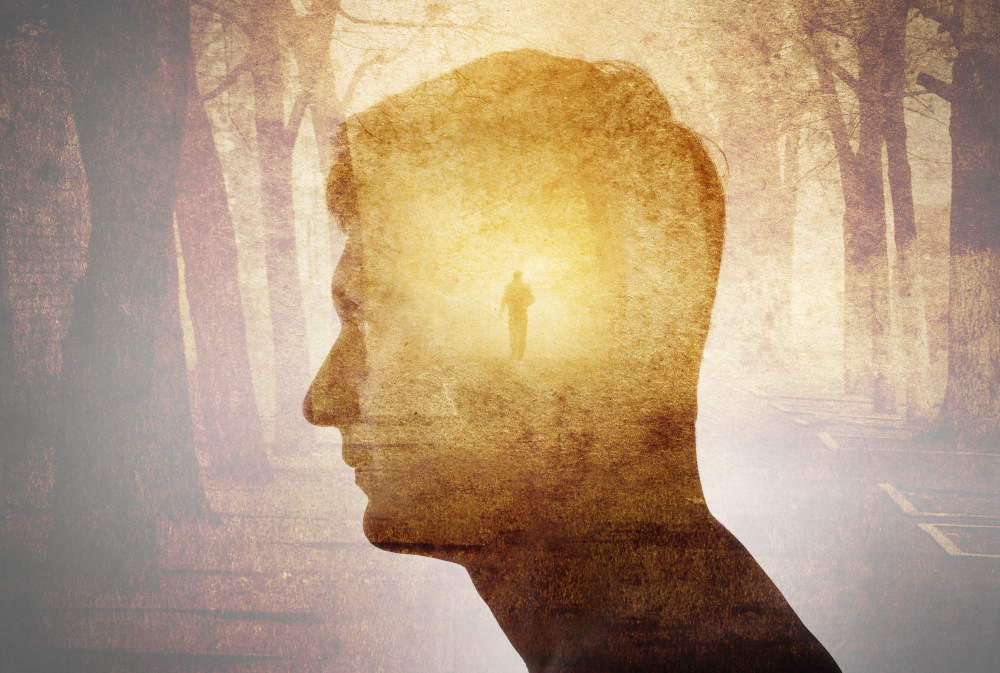
Memory is the quiet editor of human life. It keeps the best scenes, trims the awkward ones, misplaces a few files, and occasionally adds dramatic lighting where none existed. Yet beneath the jokes about forgetting keys or walking into a room with heroic confidence and absolutely no idea why, memory does something profound: it helps us know who we are.
The power of memory in shaping human identity is not just a poetic idea for philosophers in tweed jackets. It is a real psychological, biological, emotional, and social force. Our memories influence our values, relationships, fears, ambitions, habits, and sense of continuity. Without memory, identity would be less like a novel and more like a stack of loose pages in a windy parking lot.
Human identity depends on more than facts. Knowing your name, birthday, and favorite pizza topping is helpful, especially during awkward icebreakers, but identity goes deeper. It is built from autobiographical memory, emotional memory, cultural memory, family stories, social experiences, and the meaning we attach to them. Memory gives us a personal timeline. It tells us, “This happened to me. I learned from it. I changed because of it.”
What Is Memory, Really?
Memory is often imagined as a mental filing cabinet. Open the drawer, pull out the folder, and there is the past, perfectly preserved. Unfortunately, the brain is not a filing cabinet. It is more like a creative documentary filmmaker: mostly truthful, occasionally selective, and deeply interested in the emotional arc.
In neuroscience, memory involves encoding, storing, and retrieving information. The hippocampus plays a central role in forming and organizing many memories, especially episodic memoriesthose personal “I was there” experiences that allow us to mentally travel back in time. The amygdala helps tag emotionally powerful events, which is why you may forget an ordinary Tuesday lunch but remember exactly how your stomach dropped during a breakup, a job interview, or the moment you first held your child.
Memory is distributed across the brain. Sights, sounds, smells, emotions, and meanings are stored through networks rather than in one tidy location. When we remember, the brain reconstructs an experience from scattered pieces. That reconstruction is powerful, but it is not perfect. Every act of remembering can subtly reshape the memory itself.
How Memory Builds the Sense of Self
Human identity is partly a story we tell ourselves about ourselves. That story depends heavily on autobiographical memory. These memories include childhood scenes, embarrassing school moments, proud achievements, losses, friendships, mistakes, and turning points. Together, they form a life narrative.
For example, someone who remembers overcoming poverty may see themselves as resilient. A person who remembers being repeatedly criticized may struggle with confidence. Someone who recalls being loved, encouraged, and trusted may carry a stronger sense of belonging. In each case, memory does not merely record identity. It helps create it.
Memory Creates Continuity
One of memory’s greatest gifts is continuity. You are not the same person you were at age seven, seventeen, or thirty-seven. Your hairstyle alone may testify to several identity experiments. Yet memory connects those versions of you. It allows you to say, “That was me then, and this is me now.”
This continuity matters because human beings need a stable sense of self. We make decisions based on what we remember valuing. We avoid danger based on what hurt us before. We pursue goals because past experiences taught us what feels meaningful. Memory gives the present self a history and the future self a direction.
Memory Shapes Values and Beliefs
Values rarely appear out of nowhere. They are often rooted in memory. A person who remembers a teacher’s kindness may value education. A person who remembers injustice may value fairness. A person who grew up around family meals may associate food with love, tradition, and the sacred art of arguing over who makes the best sauce.
Our beliefs about ourselves also come from remembered experience. If you remember failing at public speaking, you may decide, “I am bad at speaking.” If you later remember giving a successful presentation, that identity can shift. Memory is not only a museum of the past; it is a workshop where self-understanding gets revised.
The Role of Emotional Memory
Not all memories carry the same weight. Some are light as postcards. Others feel carved into stone. Emotional memory helps explain why certain experiences become identity-defining.
Joy, fear, shame, pride, grief, and love make memories more vivid. A first kiss, a humiliating mistake, a wedding day, a family funeral, or a moment of public recognition can become a landmark in the mind. These memories act like emotional street signs: “This mattered. Pay attention.”
Emotional memories can strengthen identity in healthy ways. Remembering courage can encourage future courage. Remembering love can sustain hope. Remembering past competence can help someone face new challenges. But emotional memory can also trap people in painful versions of themselves. A person may continue to identify as “the failure,” “the outsider,” or “the one who was abandoned,” even when life has changed.
Memory Is Reconstructive, Not Perfect
One of the most important facts about memory is also one of the most humbling: memory is reconstructive. We do not replay the past like a video. We rebuild it from fragments, emotions, context, and current beliefs. This means memory can be accurate in meaning while imperfect in detail.
Have you ever argued with a sibling about a childhood event, only to discover you both remember it differently? One of you swears the family vacation was magical. The other remembers mosquito bites, car sickness, and a motel carpet that looked like a crime scene. Both memories may contain truth because people encode experiences through different emotional filters.
This flexibility helps identity evolve. If memory were perfectly fixed, people might never reinterpret old experiences. A painful failure could remain only a failure. But because memory can be reexamined, it can also be reframed. The college rejection becomes the road to a better path. The awkward first job becomes proof of growth. The heartbreak becomes a lesson in boundaries, self-respect, and not texting after midnight.
Memory, Trauma, and Identity
Traumatic memory can shape identity with unusual force. Trauma is not simply a bad memory. It can involve intrusive images, flashbacks, nightmares, avoidance, emotional numbness, and changes in mood or self-perception. A traumatic event may cause someone to see the world as unsafe or themselves as powerless.
When trauma becomes central to identity, people may feel defined by what happened to them. This is understandable, but it is not the whole story. Healing often involves integrating traumatic memory into a broader life narrative. The goal is not to erase the past. The goal is to place it where it belongs: as a chapter, not the entire book.
Therapy, social support, storytelling, journaling, mindfulness, and safe relationships can help people relate to painful memories differently. A person may move from “I am broken” to “I survived something difficult.” That shift may sound simple, but it can change the architecture of identity.
Memory and Relationships
Identity is not built alone. Other people remember us, and their memories influence how we understand ourselves. Family stories, friendship rituals, community traditions, and shared jokes all become part of identity.
A family may remember one child as “the responsible one,” another as “the funny one,” and another as “the one who once got stuck in a laundry basket and became legend.” These labels can be affectionate, but they can also become limiting. Shared memory can support identity, but it can also freeze people in outdated roles.
Healthy relationships allow memory to update. They let people grow beyond old mistakes and old labels. They say, “I remember who you were, but I also see who you are becoming.” That is one of the most generous gifts one person can give another.
Collective Memory and Cultural Identity
Memory is not only personal. Communities, families, and nations also depend on collective memory. Holidays, monuments, oral histories, recipes, songs, photographs, and rituals preserve shared identity across generations.
For immigrants and their descendants, memory can carry language, food, faith, humor, and survival stories into new places. For communities that have endured injustice, collective memory can protect truth and inspire action. For families, even a simple recipe card can become a tiny passport to the past.
Collective memory answers questions like: Where did we come from? What have we survived? What do we honor? What must we never repeat? In this way, memory shapes not only personal identity but social responsibility.
Memory Loss and the Question of Self
The connection between memory and identity becomes especially visible when memory changes. In conditions such as Alzheimer’s disease and other forms of dementia, memory loss can affect recognition, personality, communication, independence, and daily functioning. Loved ones may say, “She is not herself anymore,” or “He seems different.” These statements reveal how strongly we associate memory with personhood.
Yet it is important to remember that identity does not vanish the moment memory weakens. A person is more than recall ability. Preferences, emotional responses, habits, music recognition, humor, touch, spiritual life, and relational presence may remain meaningful even when factual memory declines.
Someone with dementia may not remember the date of a wedding anniversary, but they may still smile at a familiar song. They may forget a name but respond to warmth. They may lose pieces of the story but still deserve dignity, patience, and love. Memory helps shape identity, but human worth is not measured by memory performance.
Why Smell, Music, and Places Bring the Past Back
Some memories return through the front door. Others sneak in through the nose. A certain perfume, a school hallway smell, rain on hot pavement, or soup simmering in a kitchen can suddenly bring back a vivid scene from years ago.
Smell is closely connected with brain areas involved in emotion and memory, which helps explain why scent can trigger powerful autobiographical recall. Music does something similar. A song from high school can instantly revive old friendships, questionable fashion choices, and the emotional intensity of being sixteen, when every minor inconvenience felt like a three-volume tragedy.
Places also anchor identity. A childhood bedroom, a hometown street, a church, a stadium, a hospital room, or a kitchen table can hold layers of meaning. These environments become memory containers. Returning to them can make people feel connected to earlier versions of themselves.
Can We Change the Memories That Shape Us?
We may not be able to change the past, but we can often change our relationship to it. This is where memory becomes empowering. People can revisit old memories with new insight, compassion, and context.
For example, an adult may remember a childhood failure and finally recognize how young they were, how little support they had, or how unrealistic the expectations were. That memory may soften. A person may remember an old conflict and realize both sides were scared. That memory may become less bitter. Someone may revisit a painful ending and see that it made room for a healthier beginning.
This does not mean pretending bad things were good. It means expanding the meaning of memory. Identity becomes healthier when people can say, “That happened, but it is not all I am.”
Practical Ways to Use Memory for a Stronger Identity
1. Write Your Life Stories Down
Journaling helps organize memory into narrative. You do not need to write like a novelist. Bullet points count. Half-sentences count. Even “Today was weird, and I survived” counts. Over time, writing helps reveal patterns, growth, and values.
2. Revisit Memories With Curiosity
Instead of asking, “Why am I like this?” try asking, “What experiences taught me to respond this way?” Curiosity creates space. Judgment slams the door and complains about the furniture.
3. Keep Shared Traditions Alive
Family meals, photo albums, holiday rituals, cultural celebrations, and storytelling nights preserve identity. They remind people that they belong to something larger than themselves.
4. Challenge Old Labels
If memory tells you, “I have always been shy,” “I always fail,” or “I am not creative,” ask whether the evidence is complete. Memory may be showing you a highlight reel from your most insecure moments, not the whole season.
5. Make New Identity-Forming Memories
Identity is not finished. New experiences create new evidence. Learning a skill, repairing a relationship, traveling, volunteering, creating art, or facing a fear can become fresh memory material for a stronger self-story.
Experiences Related to the Power of Memory in Shaping Human Identity
One of the clearest ways to understand the power of memory is to notice how ordinary experiences become identity markers. Consider a person who grew up helping a parent cook dinner every evening. At the time, the task may have seemed small: chopping onions, washing rice, setting plates, trying not to burn garlic into a smoky announcement of failure. Years later, that person may describe themselves as family-centered, nurturing, practical, or connected to tradition. The memory of cooking is no longer just about food. It becomes evidence of belonging.
Another example is the student who once froze during a classroom presentation. Maybe classmates laughed. Maybe the teacher looked impatient. That memory can travel for years, whispering, “You are not good at speaking.” The person may avoid leadership roles, meetings, interviews, or public events. A single memory becomes a private identity rule. But the story can change. If that same person later practices, speaks successfully, and receives encouragement, new memories begin to challenge the old one. Identity expands from “I cannot do this” to “I can learn this.”
Family stories are especially powerful. A grandparent’s memory of migration, war, poverty, entrepreneurship, or sacrifice can become part of a younger person’s identity even if the younger person never lived through those events. A child who hears, “Our family survived hard things” may grow up with a sense of endurance. A child who hears, “Education changed our family’s future” may treat learning as a sacred responsibility. Memory moves across generations like an inheritance, but instead of jewelry or land, it gives meaning.
Memory also shapes identity through loss. After someone dies, the living often preserve identity through remembered details: how the person laughed, what songs they loved, how they gave advice, the way they made coffee too strong and defended it like a constitutional right. These memories help grief become connection. The person is gone, but the relationship continues through memory. In this way, memory can be both painful and comforting. It reminds us of absence while protecting love from disappearing completely.
There are also moments when memory surprises us by revealing growth. Imagine finding an old journal entry from ten years ago. The worries may feel familiar, but the voice may seem younger, more anxious, or more uncertain. Reading it can produce a strange tenderness. You may realize that you survived problems you once thought would swallow you whole. That recognition can strengthen identity. It says, “I have changed. I have endured. I know more now.”
Even embarrassing memories can serve identity. The time you mispronounced a word in a meeting, waved back at someone who was not waving at you, or pushed a pull door with full theatrical confidence may become part of your humor. These memories keep identity flexible. They remind us not to take ourselves too seriously. A person who can laugh kindly at old awkwardness often develops a more generous relationship with the self.
Ultimately, experiences become identity-shaping when we attach meaning to them. Memory is not just what happened. It is what we believe happened, what we learned, what we carried, and what we are ready to reinterpret. The past is not a prison unless we make it one. It can also be a map, a teacher, a warning sign, a family album, a healing tool, and occasionally a blooper reel.
Conclusion: Memory Makes Us Human, but Growth Keeps Us Whole
The power of memory in shaping human identity lies in its ability to connect past, present, and future. Memory gives us continuity, emotional depth, personal meaning, social belonging, and a life story we can recognize as our own. It helps us learn from pain, celebrate joy, preserve relationships, and imagine who we might become.
But memory is not a perfect recording, and identity is not a fixed monument. We are shaped by what we remember, but we are not trapped by it. Old memories can be reinterpreted. New memories can be created. Painful memories can be integrated. Shared memories can be honored. Forgotten details do not erase human dignity.
To understand memory is to understand that identity is both rooted and renewable. We are made of remembered birthdays, mistakes, songs, smells, losses, jokes, lessons, and love. We are also made of the meanings we choose next. The past may write the first draft, but the human spirit keeps editing.