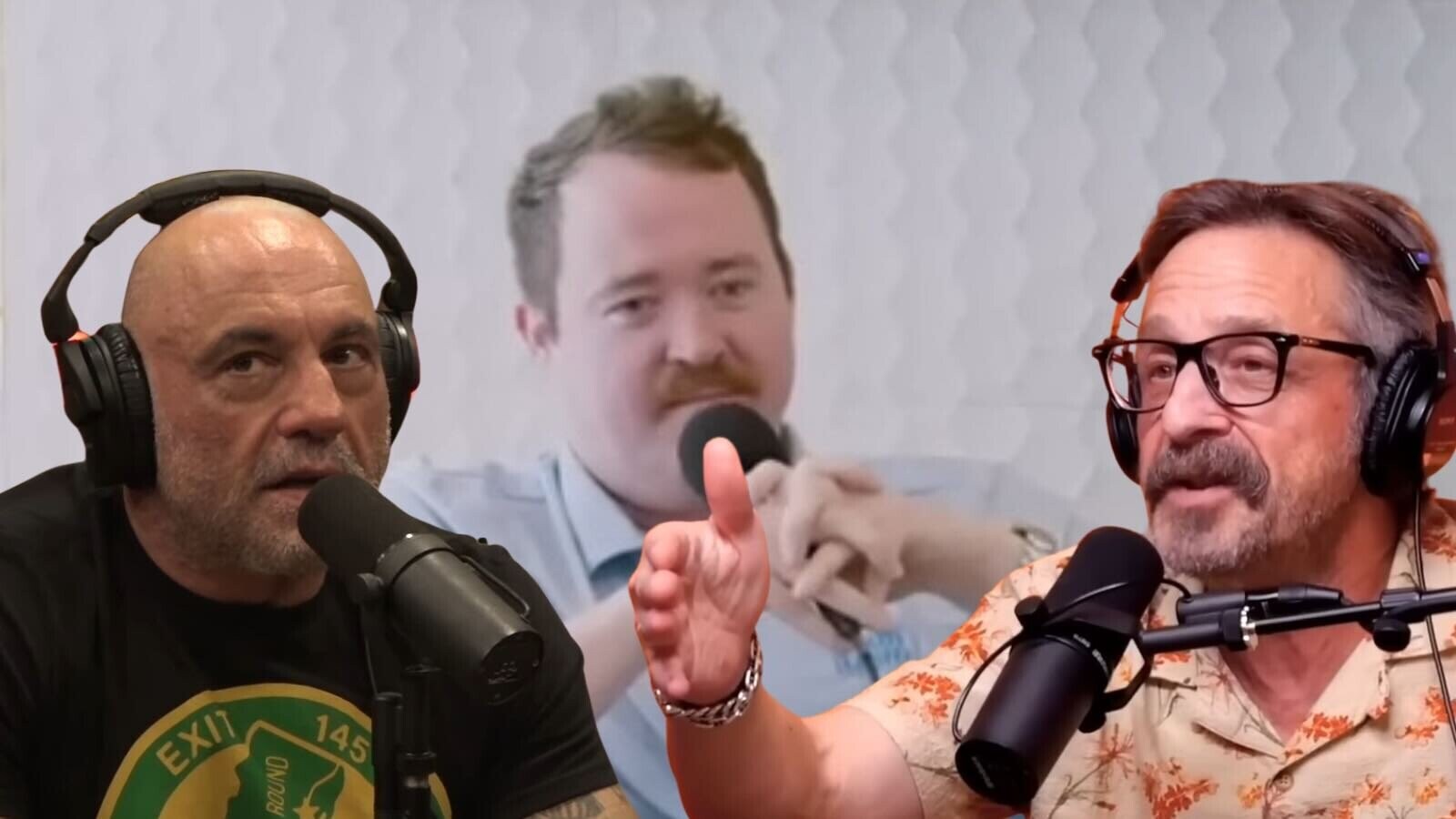
Austin, Texas, has always had a talent for becoming the center of something loud, weird, and slightly allergic to moderation. First it was live music. Then came tech migration, breakfast tacos with cult followings, and enough “Keep Austin Weird” merchandise to wallpaper a boutique hotel. Now, the city has become the epicenter of a different kind of cultural argument: the comedy civil war.
This is not a civil war with uniforms, cannons, or anyone politely agreeing on parking. It is a battle over what stand-up comedy is supposed to be in the 2020s. Is comedy a sacred zone for saying the unsayable? Is it a craft built on timing, surprise, empathy, and actual jokes? Is Austin the new frontier for fearless comedians, or did a few famous podcasters accidentally turn Sixth Street into a content factory with drink minimums?
The answer, because comedy loves discomfort, is: yes, probably all of the above.
Why Austin Became the New Comedy Battlefield
The rise of Austin as a national comedy hub did not happen by magic, although at times it does feel like someone fed a podcast after midnight and it multiplied. Several forces collided at once: pandemic-era relocations, Texas’s lower taxes, Austin’s reputation as a creative city, the growing power of podcasts, and Joe Rogan’s move from Los Angeles to Texas.
Rogan’s arrival mattered because he brought more than a microphone. He brought an audience, a network, celebrity gravity, and eventually a physical headquarters: Comedy Mothership, his stand-up club in the historic Ritz Theater on Sixth Street. The club opened in 2023 after the building was purchased and renovated, and it quickly became a symbol of Austin’s comedy boom. For fans, it represented independence from old industry gatekeepers. For critics, it became a neon-lit embassy for anti-cancel-culture comedy.
That symbolic weight is why Austin’s comedy scene now gets discussed in dramatic terms. A city with a long tradition of local weirdness suddenly became a national proxy war. On one side are comedians and fans who argue that stand-up needs fewer rules, less fear, and more room to bomb gloriously in public. On the other side are comics and critics who worry that “fearless” sometimes becomes a marketing label for lazy provocation, recycled culture-war bits, or jokes that punch down harder than they punch up.
The Comedy Mothership Effect
Comedy Mothership did not create Austin comedy from scratch. Austin already had clubs, festivals, improv theaters, open mics, and generations of local performers. But the Mothership did something powerful: it concentrated national attention in one room. Suddenly, a touring comic, a podcaster, a viral crowd-work act, and a hopeful open-mic performer could all orbit the same downtown venue.
The club’s programming helped make Austin feel like a place where comedy was not merely performed but produced, recorded, clipped, debated, and exported. Shows like Kill Tony, now closely associated with the Austin scene, turned the city into a weekly stage for comedians hoping to go from unknown to algorithm-approved in sixty seconds. That format is brutal, fast, democratic, and occasionally as gentle as a folding chair to the shins.
For young comics, that can be thrilling. The old route to comedy success often meant grinding for years in New York, Los Angeles, or Chicago while paying rent that seemed designed by a villain with a real estate license. Austin offered something different: more stage time, lower pressure than Hollywood, a strong nightlife district, and a crowd that might include regular people, tech workers, podcast fans, tourists, and three guys who definitely say “brother” too much.
Austin Was Funny Before the Podcasters Arrived
One problem with calling Austin “the new comedy capital” is that it can erase the city’s existing comedy culture. Before national headlines treated Austin like it had been assembled in Joe Rogan’s garage, venues such as The Velveeta Room had been building local stand-up for decades. The Velveeta Room, a downtown club known for homegrown Austin comedy, dates back to 1988. That is old enough to have survived multiple comedy trends, economic cycles, and hairstyles that should never be discussed in court.
Cap City Comedy Club has also long been part of Austin’s stand-up identity, drawing national headliners while giving local comics a professional stage. Meanwhile, ColdTowne Theater and Fallout Theater have helped sustain the city’s improv, sketch, and alternative comedy communities. These rooms matter because a healthy comedy ecosystem needs more than famous headliners. It needs weird midnight shows, chaotic open mics, sketch teams, improv classes, local showcases, and places where performers can fail without becoming a viral cautionary tale.
That older Austin scene is less interested in being drafted into a culture war. It is more likely to care about stage time, community, experimentation, and whether the audience can hear the punchline over someone ordering loaded fries. In many ways, the real Austin comedy story is not “new rebels versus old gatekeepers.” It is a crowded city trying to hold multiple comedy identities at once.
Moontower and the Festival Factor
Austin’s comedy reputation also benefits from Moontower Comedy Festival, one of the major comedy festivals in North America. Held downtown, Moontower brings together national headliners, club comics, podcast shows, rising acts, and local talent. It gives Austin something many smaller comedy cities lack: an annual showcase that makes the industry pay attention.
Festivals matter because they create density. A normal comedy scene has shows. A festival has momentum. For a couple of weeks, comics, fans, bookers, and media people can all pretend they are simply enjoying art while secretly networking with the intensity of raccoons near an unlocked dumpster. In Austin, that festival energy reinforces the idea that the city is not just a place where comedians live; it is a place where comedy careers can be tested, launched, and argued about over breakfast tacos the next morning.
The Culture War Inside the Comedy War
The phrase “comedy civil war” sounds dramatic, but it captures a real divide. In modern stand-up, the biggest arguments often revolve around free expression, audience sensitivity, identity, politics, and the blurry line between danger and laziness. Some comics see Austin as a refuge from what they view as coastal entertainment conformity. They like the idea of a scene where performers can say risky things without immediately checking for social-media smoke.
Critics, however, argue that the “you can’t say anything anymore” complaint has become its own tired genre. In their view, some comedians mistake backlash for censorship, edge for insight, and audience groans for proof of genius. There is a difference between a dangerous joke that reveals something true and a dull insult wearing sunglasses indoors.
This is where Austin becomes symbolic. The city’s new comedy identity is often framed as a challenge to Los Angeles and New York. The old power centers had clubs, managers, late-night shows, sitcom pipelines, and industry gatekeepers. Austin has podcasts, live shows, self-produced specials, YouTube clips, and a fan base that likes comedy served with a side of ideological cage match. That shift scares some people and energizes others.
Podcasts Changed the Rules of Stand-Up
Comedy used to travel through albums, late-night sets, sitcom appearances, and word of mouth. Now it travels through podcasts, short clips, livestreams, Discord communities, and fans who know a comic’s breakfast preferences before hearing their best joke. Austin’s rise makes more sense when seen through that media shift.
A comic no longer has to wait for a network executive to approve a showcase. A strong podcast appearance can sell tickets. A good crowd-work clip can reach millions. A recurring slot on a popular live show can build a following faster than years of traditional club work. Austin’s comedy boom sits directly inside that new economy.
That is why the debate gets messy. Some critics say podcast fame rewards personality over writing. Some fans say traditional critics are just annoyed that comedians found a route around them. Both sides have a point. Podcast comedy can be intimate, spontaneous, and funny. It can also become a room full of people laughing at their own references while everyone else stands outside the joke like they forgot the password.
Is Austin Really Replacing Los Angeles and New York?
No, not exactly. New York still has unmatched stage density, legendary clubs, and a nightly grind that can sharpen a comic like a deli slicer. Los Angeles still has entertainment infrastructure, television opportunities, production companies, and a deep bench of performers. Chicago remains essential for improv and sketch. Austin has not conquered those cities. It has joined the argument.
What Austin offers is a hybrid model. It has enough venues to support a real scene, enough national attention to attract ambitious performers, enough media infrastructure to produce viral content, and enough cultural tension to keep think pieces well fed. It is not the final capital of comedy. It is the loudest current experiment.
That experiment is especially attractive to comedians who want independence from traditional industry systems. They can live in Austin, perform often, appear on podcasts, build online audiences, and tour without waiting for Hollywood to mail them permission. For comics tired of audition rooms and cautious executives, that feels liberating. For comics who value craft over branding, the hype can feel suspiciously like a merch table with a skyline.
The Local Tension: Boom or Takeover?
Every cultural boom creates winners and side-eye. Austin’s comedy explosion brings more audiences, more shows, more attention, and more opportunities. It also raises questions about who gets centered. Are local comics being elevated, or are they becoming background texture for celebrity transplants? Are legacy venues benefiting, or are they competing with a massive attention machine? Is Austin comedy becoming more diverse, or more dominated by one flavor of loud, contrarian stand-up?
The best answer is complicated. Austin’s scene includes alt-comedy, improv, sketch, queer comedy, roast shows, open mics, polished touring acts, experimental weirdness, and old-school club sets. The loudest media narrative may focus on Rogan-adjacent comedians, but the actual city is broader than that. The danger is not that Austin has one comedy identity. The danger is that outsiders only notice the noisiest one.
What Makes the Austin Comedy Scene Work
For all the controversy, Austin has practical advantages. Downtown venues are close enough that comics can move between shows. Audiences are curious. Tourism keeps rooms busy. The city’s reputation for nightlife helps comedy feel like part of a larger night out rather than a lonely event in a strip mall next to a tax office. The festival calendar creates spikes of national attention, while open mics and smaller stages keep the pipeline alive.
Austin also benefits from its contradictions. It is progressive and libertarian, artsy and corporate, local and transplanted, relaxed and ambitious. That tension gives comedians material. A city where a tech founder, a musician, a state employee, a college student, and a visiting bachelor party can sit in the same room is a city full of comic possibilities. Also, someone in that room will absolutely heckle at the wrong time. Nature provides.
Why the Comedy Civil War Will Not End Soon
The Austin comedy debate will continue because it is not only about Austin. It is about who controls taste. It is about whether critics still matter. It is about whether audiences want polished writing or raw personality. It is about whether “offensive” comedy is brave, boring, necessary, harmful, or all four depending on the joke. It is about whether comedians are artists, entertainers, commentators, entrepreneurs, or podcast guests with ring lights.
Most importantly, it is about comedy’s relationship with power. Great comedy has always challenged power, but power changes shape. Sometimes the powerful person is a politician. Sometimes it is a media company. Sometimes it is a celebrity comic with a massive platform insisting he is the underdog while selling out a room faster than you can say “limited availability.”
That is why Austin is fascinating. It is not simply a comedy city. It is a mirror. People look at Austin’s comedy scene and see whatever they already believe about modern humor. Fans see freedom. Critics see reactionary branding. Local comics see opportunity mixed with chaos. Visitors see a nightlife machine that runs on jokes, podcasts, and the smell of barbecue drifting through downtown like a persuasive legal argument.
Experience Notes: A Night Inside Austin’s Comedy Crossfire
To understand why Austin feels like the epicenter of the comedy civil war, imagine spending one full night downtown. You start early, walking past music venues, tourists, scooters, neon signs, and people dressed like they lost a bet but gained confidence. The city already feels like a punchline warming up. Sixth Street has that strange American nightlife energy where everyone is either celebrating, filming, waiting in line, or trying to remember where they parked.
Your first stop might be a smaller local room. The crowd is loose, the ceiling is low, and the comic on stage is testing new material with the bravery of someone defusing a bomb made of silence. Some jokes work. Some jokes leave the room so fast they should be charged for transportation. But the fun is in watching the process. You can feel the gears turning. A local performer talks about Austin rent, tech bros, dating apps, and the emotional trauma of ordering coffee behind someone asking about oat milk “mouthfeel.” The audience laughs because the joke belongs to the city.
Then you move to a bigger club, where the energy changes. The room is packed. People are not just there to discover comedy; they are there to witness a scene they have already heard about online. Some fans know the podcasts. Some know the inside jokes. Some are hoping a famous comedian drops in. The excitement is real, and so is the pressure. Every set feels like it might become a clip, and every clip feels like it might become evidence in the endless trial of modern comedy.
This is where Austin becomes different from a normal comedy town. In many cities, a comedy show ends when the lights come up. In Austin, the show can keep living online the next morning. A minute of crowd work, a roast, a political aside, or a messy bomb can become a debate. Was it fearless? Was it lazy? Was it funny? Was the audience wrong? Was the comic wrong? Did anyone remember to validate parking?
The best nights in Austin comedy are not the ones that prove either side completely right. They are the nights when the city’s contradictions share the same stage. A polished touring comic follows a strange local act. A podcast-famous performer gets humbled by a quiet joke writer. An improv show across town turns out to be funnier than the heavily hyped headliner. A crowd arrives expecting culture-war fireworks and instead gets a sharp bit about grocery store self-checkout machines demanding emotional intimacy.
That is the real experience of Austin comedy: messy, ambitious, uneven, alive. It can be brilliant. It can be smug. It can feel like the future of stand-up or like a group chat that learned how to charge admission. But it is rarely boring. And in comedy, boring is the one unforgivable sin everyone can still agree on.
Conclusion: Austin Is Not the Winner It Is the Arena
Austin, Texas, did not become the epicenter of the comedy civil war because every comic there agrees on what comedy should be. It became the epicenter because nobody agrees, and the disagreement is happening in public, on stage, online, in clubs, at festivals, and in the reputations of performers who moved there looking for freedom, opportunity, or simply a cheaper place to build an audience.
The city’s comedy boom is real. So are the criticisms. Comedy Mothership changed the conversation, but it did not erase Austin’s older comedy roots. Podcasts expanded the audience, but they did not replace craft. “Fearless comedy” can be thrilling when it risks something meaningful and exhausting when it mistakes volume for insight. Austin contains all of it: the promise, the ego, the local talent, the imported celebrity energy, the open mics, the festivals, the backlash, and the occasional joke so good it makes the whole argument feel worth it.
In the end, Austin is not the final answer to comedy’s future. It is the arena where the future is being heckled into shape.