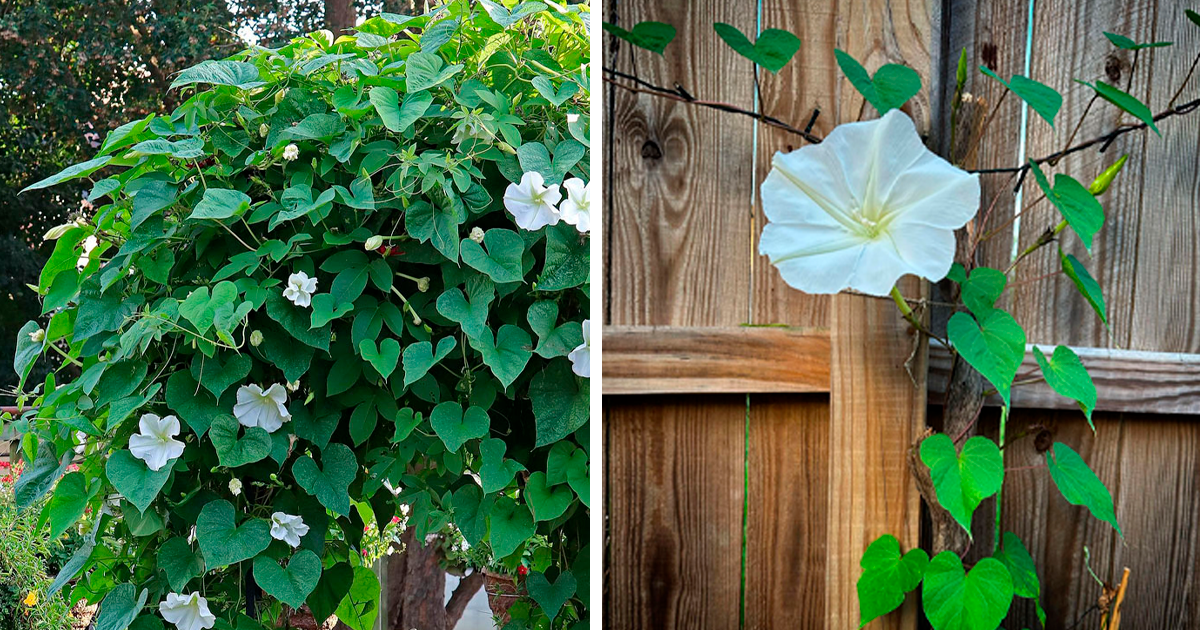
Moonflower sounds like something a poet would invent after too much iced tea on a warm July night. But this luminous, night-blooming vine is very real, and when it opens its large white flowers at dusk, it can make an ordinary backyard feel like it has hired a lighting designer. Known botanically as Ipomoea alba, moonflower is a fast-growing tropical vine loved for its heart-shaped leaves, sweet evening fragrance, and trumpet-shaped blooms that appear to glow when the sun clocks out.
This comprehensive moonflower care guide explains how to plant moonflower seeds, choose the right location, water and fertilize the vine, solve common problems, and design a dreamy moon garden around it. The plant is dramatic, but the care routine is refreshingly simple. Give it warmth, sun, support, and steady moisture, and it will usually reward you with a curtain of fragrant white flowers that open just when the rest of the garden is getting sleepy.
What Is a Moonflower?
Moonflower is a tender perennial vine in warm climates and an annual in most of the United States. It belongs to the morning glory family, which explains its climbing habit and familiar heart-shaped foliage. Unlike morning glories, however, moonflowers are evening performers. Their blooms usually open around dusk, stay open through the night, and fade by morning. It is basically the garden version of a night-shift celebrity.
The most common garden moonflower is Ipomoea alba, also called moonflower vine, moonvine, or tropical white morning glory. A healthy vine can climb 10 to 20 feet in one season when summer heat arrives and the plant decides it is time to become a botanical overachiever. The flowers are typically white, fragrant, and large enough to stop a conversation on the patio.
Moonflower Vine vs. Datura Moonflower
Before planting, check the seed packet carefully. The name “moonflower” is sometimes used for Datura, a different plant with large trumpet flowers. Datura is not a climbing vine, has different foliage, and is much more hazardous if ingested. This guide focuses on Ipomoea alba, the vining moonflower. Even so, moonflower vine seeds should not be eaten, and the plant should be kept away from curious pets and children.
Why Grow Moonflower?
Most gardens are designed for daylight, which is understandable because humans enjoy seeing where they are stepping. Moonflower changes the schedule. It brings beauty after sunset, making it perfect for patios, porches, pergolas, fences, arbors, and evening seating areas.
Moonflowers are especially useful in a moon garden, a landscape designed with white blooms, silvery foliage, fragrance, and soft textures that shine in low light. Pair moonflower with white petunias, sweet alyssum, lamb’s ear, night-blooming jasmine, gardenia, or pale nicotiana for a garden that looks elegant instead of invisible after dinner.
Another benefit is wildlife value. Moonflower’s night-opening blooms attract nocturnal pollinators such as hawk moths and hummingbird moths. These fascinating visitors hover near the flowers and feed on nectar, adding motion and life to the evening garden.
Best Growing Conditions for Moonflower
Moonflower is not difficult, but it does have preferences. Think of it as a plant that loves summer vacation: warm nights, bright days, and no surprise cold snaps.
Light
Plant moonflower in full sun for the strongest growth and best bloom production. Six or more hours of direct sun is ideal. The vine can tolerate partial sun, especially in very hot climates, but fewer hours of sunlight often mean fewer flowers. If your vine is producing lush leaves but few blooms, light is one of the first things to evaluate.
Soil
Moonflower grows best in fertile, well-draining soil. Loamy soil is ideal, but the plant can adapt to clay, sandy, or average garden soil if drainage is good. Soggy soil is the enemy. Roots sitting in waterlogged ground can struggle, and the plant may wilt, yellow, or decline.
Before planting, loosen the soil and mix in compost. Compost improves drainage in heavy soil, helps sandy soil hold moisture, and generally makes the planting area feel more like a five-star hotel for roots.
Temperature
Moonflower loves warmth. Do not rush seedlings outdoors while nights are still cold. Wait until frost danger has passed and the soil has warmed. In cooler regions, starting seeds indoors gives the vine a head start, which is helpful because moonflowers may bloom late if planted too slowly into chilly spring soil.
Water
Moonflower likes consistent moisture, especially during establishment and hot weather. The goal is evenly moist soil, not swampy soil. Water deeply when the top inch of soil feels dry. In containers, check more often because pots dry out quickly during summer.
How to Plant Moonflower Seeds
Moonflower seeds have a hard outer coat, which helps them survive but can make germination slower. Gardeners can improve germination by soaking the seeds overnight in warm water or gently nicking the seed coat with a file before planting. Do not grind the seed into dust like you are preparing parmesan cheese. A small scratch is enough.
Starting Seeds Indoors
In regions with short growing seasons, start moonflower seeds indoors about 4 to 8 weeks before the last expected spring frost. Use biodegradable pots or deep starter cells if possible, because moonflower seedlings do not love root disturbance. Plant each seed about half an inch deep in moist seed-starting mix, place the pots in a warm location, and provide bright light after germination.
After seedlings develop and outdoor temperatures remain reliably warm, harden them off for several days. This means gradually introducing them to outdoor sun, wind, and temperature changes. Seedlings that go directly from cozy indoor life to full outdoor drama may sulk, and nobody plants moonflower for the sulking.
Direct Sowing Outdoors
Moonflower can also be sown directly in the garden after the danger of frost has passed and the soil is warm. Prepare the planting area, soak or nick the seeds, and plant them about half an inch deep. Keep the soil moist until germination. Once seedlings emerge, thin them so each plant has enough room and airflow.
Spacing
Space moonflower plants about 12 to 18 inches apart near a trellis, fence, arbor, or other support. This vine climbs by twining, so it needs something to wrap around. A bare wall is not very helpful unless you add wires, netting, or a trellis structure.
Choosing the Right Support
Moonflower is a climber, not a polite little border plant. Give it sturdy support early, before the vine begins wandering into nearby shrubs, porch railings, or your neighbor’s emotional support tomato cage.
Good moonflower supports include wooden trellises, metal obelisks, arbors, pergolas, chain-link fences, cattle panels, and strong garden netting. Because the vine can grow quickly in warm weather, flimsy support may collapse under the weight of leaves and stems. Install the structure before or at planting time so you do not have to wrestle a vigorous vine later.
Moonflower Care Through the Season
Watering Moonflower
Water young plants regularly until they establish a strong root system. Once mature, moonflower can handle brief dry spells, but flowering is better with consistent moisture. In summer heat, check soil frequently. If leaves wilt in the afternoon but recover after watering, the plant may simply be thirsty. If it stays wilted in wet soil, drainage or root problems may be involved.
Fertilizing Moonflower
Moonflower is not a heavy feeder, but it appreciates decent soil. Mix compost into the planting area before sowing or transplanting. During the growing season, a balanced fertilizer or a bloom-supporting fertilizer can help, especially in poor soil or containers.
Avoid overdoing nitrogen. Too much nitrogen can create a vine with enormous green leaves and very few flowers. It will look healthy, but it may behave like a leafy curtain that forgot its main job. For bloom production, steady nutrition is better than aggressive feeding.
Pruning and Training
Moonflower does not require complicated pruning. Guide young vines onto their support and loosely tie stems if needed. Once the plant begins climbing, it usually handles the rest. Trim wayward stems to keep the vine within bounds and remove damaged or dead growth.
Deadheading spent flowers is optional. If you remove fading blooms and seed pods, you may encourage tidier growth and reduce unwanted self-seeding. In warm climates where moonflower can persist, pruning helps control size and prevents the vine from taking over more space than invited.
Growing Moonflower in Containers
Moonflower can grow in containers, but it needs space. Choose a large pot with drainage holes, ideally at least 12 to 16 inches deep and wide. Use a quality potting mix, not compacted garden soil. Add a trellis or place the container next to a railing or support.
Container-grown moonflowers need more frequent watering than in-ground plants. During hot weather, pots may dry out daily. Fertilize lightly during the growing season because nutrients wash out of containers faster. A potted moonflower on a patio can be stunning, especially near a seating area where the evening fragrance can be enjoyed up close.
Common Moonflower Problems
Lots of Leaves, No Flowers
This is the classic moonflower complaint. The usual causes are not enough sun, too much nitrogen fertilizer, cool weather, or impatience. Moonflowers often wait until summer heat settles in before growing and blooming vigorously. If the vine looks healthy, give it warmth, time, and sunlight.
Yellow Leaves
Yellowing leaves can indicate overwatering, poor drainage, nutrient deficiency, or natural aging of older foliage. Check the soil first. If it is soggy, improve drainage and reduce watering. If the plant is in a container, make sure the drainage holes are not blocked.
Pests
Moonflower is generally low-maintenance, but aphids, spider mites, whiteflies, and chewing caterpillars may appear. A strong spray of water can remove many soft-bodied pests. Insecticidal soap can help with persistent infestations. Avoid spraying when pollinators are active, and use the least disruptive method possible.
Disease
Good air circulation and proper watering prevent many problems. Water at the base of the plant rather than soaking the foliage. Crowded vines in humid weather can be more vulnerable to fungal issues, so spacing and pruning matter.
Safety: Is Moonflower Toxic?
Moonflower vine seeds are toxic if eaten, and the plant should not be treated as edible. Keep seeds, seed pods, and plant parts away from children, pets, and livestock. Wear gloves if you have sensitive skin or are collecting seeds. Label stored seeds clearly so nobody mistakes them for something harmless.
This safety warning is not meant to make moonflower scary. Many common garden plants require caution. The key is simple: grow it for beauty, fragrance, and pollinators, not for consumption.
How to Save Moonflower Seeds
If you want to grow moonflower again next year, allow some seed pods to mature and dry on the vine. When pods are dry, collect them carefully and remove the seeds. Store seeds in a labeled paper envelope in a cool, dry place. Because the seeds are not edible and can be harmful if swallowed, keep them out of reach of children and pets.
In warmer areas, moonflower may self-seed. If you do not want volunteers popping up next season, remove seed pods before they mature. A little prevention can save you from playing “guess what vine this is” in spring.
Best Moonflower Companion Plants
Moonflower pairs beautifully with plants that shine in evening light. For a romantic moon garden, combine it with white or pale flowers and silvery foliage. Good companions include white petunias, sweet alyssum, lamb’s ear, dusty miller, white cleome, pale phlox, gardenia, and evening primrose.
For vertical contrast, grow moonflower near morning glories or cardinal climber, but remember that vigorous vines can compete. If you mix climbers, give each one space and a strong support. Moonflower’s white blooms are especially striking against dark fences, deep green foliage, or brick walls.
Design Ideas for Moonflower in the Garden
The best place to grow moonflower is where you will actually see it at night. A vine blooming beside the compost pile may be technically successful, but emotionally underwhelming. Try planting moonflower near a porch, patio, deck, balcony, garden gate, or bedroom window. The scent is part of the experience, so let the plant perform where people gather.
Use moonflower to soften fences, frame an arbor, shade a seating nook, or create a living privacy screen. In small spaces, train it upward on a narrow trellis. In large gardens, let it climb a pergola where the blooms can hang overhead like glowing lanterns.
Seasonal Moonflower Care Calendar
Spring
Start seeds indoors in cooler climates or sow outdoors after frost danger has passed. Prepare soil with compost, install support, and keep seedlings warm and evenly moist.
Summer
Water consistently, guide vines onto supports, and fertilize lightly if growth is weak. Watch for pests and enjoy the first blooms when warm weather encourages flowering.
Fall
Collect mature seeds if desired. Remove seed pods to control self-seeding. In frost-free climates, prune vines to manage size. In colder areas, remove dead vines after frost.
Winter
Store seeds in a dry, labeled envelope. Plan next year’s moon garden while pretending you are not already shopping for more plants. Gardeners lie to themselves this way every winter.
Real-World Growing Experiences: What Gardeners Learn From Moonflower
Growing moonflower teaches patience first. Many gardeners plant seeds in spring, watch the seedlings sit quietly for weeks, and assume they have done something wrong. Then the weather turns genuinely warm, and the vine suddenly grows like it received a motivational speech. Moonflower is a heat lover. It may not impress you in cool spring conditions, but once summer nights warm up, it often becomes a vigorous climber.
One of the most useful experiences is learning where not to plant it. A moonflower tucked in a far corner of the yard may grow perfectly, but you might miss the best part: the evening show. The blooms open when the light fades, and the fragrance is strongest when you are nearby. Planting it beside a porch, patio, or walkway turns it from “nice vine” into “why is everyone suddenly standing outside staring at a flower?”
Another practical lesson is support. Moonflower seedlings look innocent, almost delicate. Do not be fooled. By midsummer, a healthy vine can pull, twist, and lean on anything nearby. Gardeners who give it a weak bamboo stake often learn that moonflower prefers architecture, not toothpicks. A sturdy trellis, fence, arbor, or cattle panel makes care much easier.
Watering also becomes more intuitive with experience. Moonflower likes moisture, but it dislikes soggy soil. In containers, the plant may need water often during hot weather, sometimes daily. In the ground, deep watering a few times a week may be enough, depending on rainfall and soil type. The leaves will often tell you when the plant is stressed. Temporary afternoon wilting can happen in heat, but repeated wilting usually means the root zone is drying too much.
Gardeners also learn that moonflower is not a plant for instant gratification. The flower buds can build suspense for days, and then one evening the first bloom opens like a slow-motion magic trick. Watching a moonflower unfurl at dusk is one of the small rewards that makes gardening feel less like yard work and more like theater with dirt under your fingernails.
Finally, moonflower teaches thoughtful control. If you save seeds, label them clearly and store them safely. If you do not want seedlings next year, remove pods before they mature. The plant is beautiful, but like many vigorous vines, it benefits from boundaries. Give it a sunny place, warm soil, steady water, strong support, and a little common sense, and moonflower will repay you with fragrant white blooms that make summer evenings feel almost cinematic.
Conclusion
Moonflower is one of the best plants for gardeners who want beauty after sunset. With large white blooms, a sweet evening scent, and fast-climbing growth, Ipomoea alba can transform fences, arbors, and patios into glowing nighttime garden features. The essentials are simple: plant after frost, choose full sun, provide well-draining soil, install strong support, water consistently, and avoid overfeeding with nitrogen.
Whether you grow moonflower in the ground or in a large container, place it where you can enjoy it in the evening. That is when this vine earns its name. It is elegant, dramatic, and just mysterious enough to make your garden feel like it has a secret life after dark.
SEO Tags
Note: This article is written for web publication and focuses on Ipomoea alba, the vining moonflower commonly grown for fragrant night blooms.