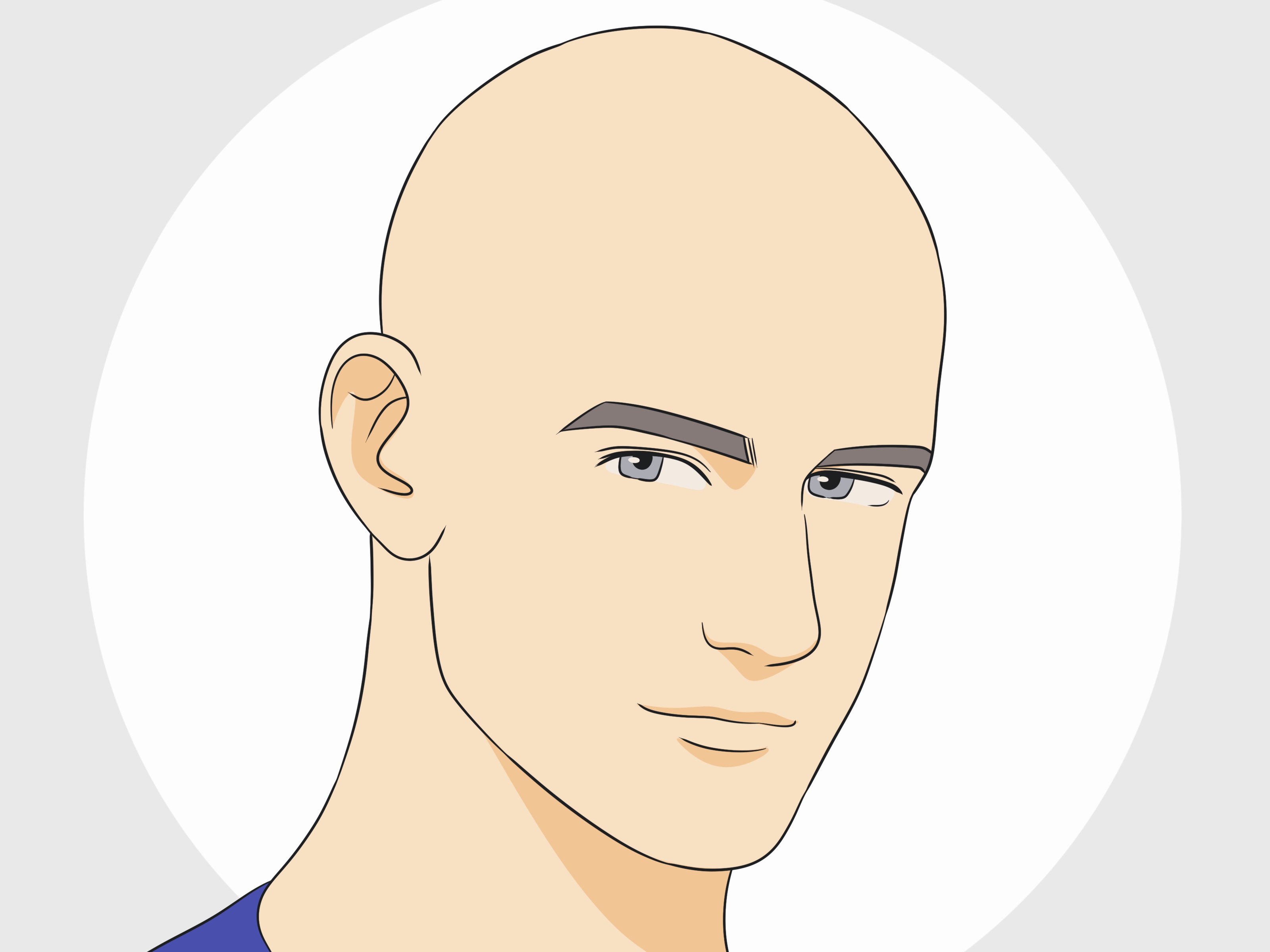
A receding hairline has a way of announcing itself like an uninvited guest at brunch: politely at first, then with increasing confidence. One day your temples look “mature.” A few months later, your forehead has expanded its real estate portfolio. The good news? You do not have to panic, start wearing baseball caps indoors, or attempt a dramatic comb-over that can be seen from space.
The buzz cut is one of the smartest, cleanest, and most confidence-friendly haircuts for men with a receding hairline. It does not pretend your hairline is still in its freshman year of college. Instead, it works with your natural growth pattern, reduces contrast between thick and thin areas, and gives your whole look a sharp, intentional finish. Done well, a buzz cut says, “Yes, I know exactly what I’m doing.” Done poorly, it says, “I borrowed clippers and made a decision during halftime.”
This guide breaks down the best buzz haircuts for a receding hairline, how to choose the right clipper length, what to ask your barber, how to maintain the cut, and what real-life experience teaches men who finally stop fighting the mirror.
Why Buzz Haircuts Work So Well for a Receding Hairline
The main problem with a receding hairline is contrast. When the hair on top is long but the temples are thinning, the difference becomes more noticeable. Long strands can separate, expose the scalp, or create awkward shadows around the forehead. A buzz cut solves this by shortening the hair evenly or strategically, making thin areas blend better with thicker areas.
Another advantage is control. Longer hairstyles often require styling products, blow-drying, careful parting, and a tiny morning negotiation with gravity. Buzz haircuts are refreshingly honest. They reduce styling time, make the hairline look cleaner, and put more focus on your face, beard, jawline, and overall grooming.
Male pattern hair loss commonly appears around the temples, hairline, and crown. While a haircut cannot reverse hair loss, the right buzz cut can visually balance these areas and help you look polished rather than worried. That difference matters. Confidence is not about having perfect hair; it is about choosing a style that looks deliberate.
How to Choose the Right Buzz Cut Length
Buzz cuts are not one-size-fits-all. The clipper guard you choose can completely change the result. A number 1 buzz cut looks bold and military-inspired. A number 4 buzz cut looks softer and more conservative. A fade can sharpen the sides, while a uniform buzz keeps everything simple.
Shorter Guards: Bold and Clean
A number 0, number 1, or number 2 buzz cut is best for men with a more advanced receding hairline or thinning crown. These lengths minimize the difference between hair and scalp. If your hair is dark and your skin is light, going shorter can reduce the high-contrast “island of hair” effect on top.
The tradeoff is exposure. Very short cuts show head shape, scalp texture, and any bumps or scars. That is not automatically bad. Many men look excellent with a tight buzz. But if you are nervous, start with a number 3 or number 4 before going shorter. Hair grows back, but waiting for a too-short haircut to soften can feel like watching a loading screen in real life.
Medium Guards: Natural and Forgiving
A number 3 or number 4 buzz cut is often the sweet spot for a receding hairline. It is short enough to reduce contrast but long enough to soften the head shape. This length works especially well for men who still have decent density on top but want to make the temples less obvious.
Medium buzz cuts are also office-friendly. They look neat without feeling too severe. If you work in a professional environment, a number 3 on top with a low or mid fade on the sides is a reliable choice.
Longer Buzz Cuts: Subtle and Versatile
A number 5 or number 6 buzz cut is closer to a very short crop. It leaves enough length to show texture, especially if you have wavy, curly, or coarse hair. However, longer buzz cuts may not hide recession as effectively if the temples are deeply receded. They work best when the hairline is only slightly moving back.
The Best Buzz Haircuts for a Receding Hairline
1. The Classic Uniform Buzz Cut
The classic uniform buzz cut uses the same guard length all over the head. It is simple, masculine, and low-maintenance. For a receding hairline, this cut works because it removes the visual drama created by longer hair near thinner temples.
Ask your barber for a number 2, 3, or 4 all over, depending on how much scalp you want visible. If your recession is more noticeable, a number 2 can be very effective. If you want a softer first step, try a number 3 or 4.
This is the best buzz cut for men who want easy maintenance, minimal styling, and a clean look that does not scream, “I am managing a hair situation.” It is also a great option for men who cut their own hair at home, as long as they use quality clippers and check the back carefully.
2. The Buzz Cut With Low Fade
A buzz cut with a low fade is one of the most balanced haircuts for a receding hairline. The fade starts low around the ears and neckline, keeping the overall style clean without making the top look too exposed.
This cut works especially well for men with mild to moderate recession. The low fade sharpens the sides while keeping enough weight above the temples. It creates structure without drawing too much attention to the hairline.
Ask your barber for a number 3 or 4 on top with a low skin fade or low taper fade. If you want a more subtle finish, choose a low taper instead of a skin fade. The result is polished, modern, and easy to wear with casual clothes or a suit.
3. The Buzz Cut With Mid Fade
The mid fade buzz cut is bolder than the low fade. The fade begins around the middle of the sides, creating stronger contrast and a more athletic look. For a receding hairline, this can be a great choice because it pulls attention away from the temples and toward the clean transition on the sides.
A mid fade works best when the top is kept short, usually between a number 2 and number 4. If the top is too long, the recession may become more noticeable. If the top is too short, the style becomes more intense. The right balance depends on your face shape, hair density, and personal style.
This haircut is ideal for men who want a sharper, barbershop-fresh appearance. It pairs well with a short beard, stubble, or a defined jawline. Basically, if your hairline is retreating, the mid fade sends reinforcements.
4. The High and Tight Buzz Cut
The high and tight buzz cut has military roots and a strong, confident shape. The sides are clipped very short or faded high, while the top remains slightly longer. For men with a receding hairline, it can work beautifully when the top is not left too long.
This style reduces bulk at the sides and creates a leaner silhouette. It can make the face look more defined and draw attention to the eyes, cheekbones, and beard. However, it is not the best option for everyone. If your temples are very recessed and your forehead is tall, a high fade may expose more of the recession than you prefer.
Ask for a number 2 or 3 on top with a high fade if you want a strong, masculine look. For a softer version, keep the fade slightly lower and avoid taking the sides all the way to the skin.
5. The Burr Cut
The burr cut is a very short buzz cut, often done with a number 1 or number 2 guard. It is simple, rugged, and extremely low-maintenance. For a receding hairline, the burr cut is powerful because it makes the whole head of hair look intentionally short instead of unevenly thinning.
This cut is especially useful for men who have both temple recession and crown thinning. When hair is very short, sparse areas do not stand out as much. The burr cut is also great for active lifestyles, hot weather, and anyone who wants to stop spending money on pomade that promises “volume” but delivers “mild disappointment.”
The main thing to remember is that a burr cut needs regular upkeep. Because it is so short, growth becomes visible quickly. Plan on refreshing it every one to three weeks, depending on how sharp you want it to look.
6. The Butch Cut
The butch cut is slightly longer than a burr cut, usually around a number 3 or number 4. It gives the hair a fuller appearance while still keeping everything short and controlled. For men with a receding hairline, this is one of the most forgiving buzz haircut options.
The butch cut is excellent if you are not ready for a dramatic short buzz. It softens the head shape, works well with many face types, and still reduces the contrast around the temples. It can also make fine hair appear more uniform because the length is consistent.
Ask your barber for a number 3 or 4 all over, with a light taper at the neckline and sideburns. This small detail keeps the cut from looking like a DIY emergency.
7. The Buzz Cut With Line Up
A line up can make a buzz cut look crisp and intentional. The barber uses trimmers to define the edges around the forehead, temples, and sideburns. For some men with a receding hairline, this creates a cleaner frame and improves symmetry.
However, the line up must be handled carefully. If the barber pushes the hairline back too far to create a straight line, it can make recession look worse. The goal is not to invent a new hairline. The goal is to sharpen what is naturally there.
This style works best for men with dense hair around the front, textured hair, or a hairline that can be shaped without looking artificial. Ask for a natural line up rather than an aggressive one.
8. The Buzz Cut With Beard Balance
Technically, this is not a haircut by itself, but it is one of the most important style strategies for a receding hairline. A buzz cut paired with the right beard can completely change your look. Facial hair adds weight to the lower half of the face, balancing a higher or more exposed forehead.
If you have a round face, try a short boxed beard or longer stubble to create definition. If you have a long face, keep the beard shorter on the chin and fuller on the sides. If you cannot grow a full beard, neat stubble can still add texture and maturity.
The key is grooming. A buzz cut with an untrimmed beard can look less “modern minimalist” and more “lost a bet with a lawn mower.” Keep the neckline clean, trim the cheeks, and use beard oil or balm if needed.
Best Buzz Cut by Hair Type
Fine or Thin Hair
Fine hair usually looks better when it is kept shorter. A number 2 or 3 buzz cut can make thinning areas less obvious. Avoid leaving the top too long, because fine hair separates easily and reveals the scalp.
Thick Hair
Thick hair gives you more options. You can choose a number 3, 4, or even 5 on top with a fade on the sides. Thick hair also works well with a butch cut or high and tight.
Curly or Coily Hair
Curly and coily hair can look excellent in a buzz cut because the texture adds natural density. A low fade or mid fade with a slightly longer top can create shape while keeping the receding hairline balanced. A natural line up can add sharpness, but avoid making the corners too harsh if the temples are thin.
Straight Hair
Straight hair can expose recession more easily because it lies flat. A shorter buzz, such as a number 2 or 3, often works better than a longer one. A fade can also add dimension and prevent the style from looking flat.
What to Ask Your Barber
Walking into the barbershop and saying “just make it better” is emotionally honest, but not very specific. A better approach is to explain your goal clearly.
Try saying: “I have some recession at the temples, and I want a buzz cut that makes the hairline look cleaner and more balanced. I do not want the top too long. What guard length would you recommend for my hair density and head shape?”
For a safe first buzz cut, ask for a number 3 on top with a low taper or low fade. This gives you a clean result without going extremely short. If you like it, you can go shorter next time. If you hate it, at least you are not stuck wearing hoodies indoors for three weeks.
At-Home Maintenance Tips
A buzz cut is low-maintenance, not no-maintenance. To keep it looking sharp, you need regular trims. Shorter cuts may need a refresh every one to two weeks. Medium buzz cuts can often go three to four weeks before they look grown out.
Use a gentle shampoo, moisturize your scalp if it feels dry, and protect your head from the sun. When hair is short, the scalp gets more exposure. Sunscreen is not optional unless your goal is to have a red, peeling head that looks like a tomato joined the Marines.
If you cut your own hair, invest in reliable clippers, use multiple mirrors, and start with a longer guard than you think you need. You can always go shorter. You cannot un-buzz your head, despite what your confidence may claim at 11:48 p.m.
Common Mistakes to Avoid
Going Too Short Too Fast
If you have never had a buzz cut, do not immediately jump to a number 0. Start with a number 3 or 4, then adjust. This gives you time to understand your head shape and comfort level.
Ignoring the Beard
A buzz cut often looks better with some facial hair, even light stubble. If your face feels too exposed after the cut, try growing short, neat facial hair for balance.
Choosing the Wrong Fade
A high skin fade can look great, but it can also emphasize a receding hairline if the top is too sparse. When in doubt, begin with a low fade or taper.
Letting the Neckline Get Messy
The neckline can make or break a buzz cut. Keep it clean between haircuts with a trimmer or ask your barber for a quick cleanup.
Can a Buzz Cut Make You Look Younger?
Sometimes, yes. Not because it magically reverses hair loss, but because it removes the visual stress of a struggling hairstyle. A clean buzz cut often looks more youthful than longer hair that is obviously trying to hide recession.
The secret is intention. When your haircut looks deliberate, people read it as style. When your haircut looks like a cover-up, people notice the cover-up. A buzz cut shifts the message from “I am losing hair” to “I chose a sharp, simple haircut.” That is a much better headline.
When to Consider Hair Loss Treatment
A great haircut can improve appearance, but it does not treat the underlying cause of hair loss. If your receding hairline is changing quickly, your crown is thinning, or you are concerned about shedding, consider speaking with a dermatologist. Male pattern hair loss is common, and treatments such as minoxidil or finasteride may help some men slow further loss or maintain existing hair.
It is also worth checking for other causes of hair loss, including stress, nutritional issues, medical conditions, or medications. A barber can improve the shape. A medical professional can help you understand the cause. Ideally, both are on your side, like a very practical superhero team.
Real-Life Experiences: What Men Learn After Getting a Buzz Cut for a Receding Hairline
The first experience many men have with a buzz cut is emotional whiplash. Before the haircut, there is usually hesitation. You look in the mirror, pull your hair forward, push it back, check it under bathroom lighting, then check it again under natural lighting because apparently your home has become a forensic hair laboratory. The decision to buzz it often comes after months or years of trying to style around the recession.
Then comes the first cut. The clippers start, the hair falls, and suddenly there is no curtain left to hide behind. For a few minutes, it can feel shocking. Your face looks different. Your forehead may seem bigger at first. Your ears may appear to have filed a formal request for attention. But after the initial surprise, many men notice something unexpected: the haircut looks cleaner than the longer style did.
One common lesson is that longer hair does not always mean more coverage. In fact, longer hair can make a receding hairline more obvious because it creates movement, separation, and contrast. A short buzz cut can make thinning areas look more uniform. Instead of seeing a strong line between thick hair and bare temples, the eye sees a consistent shape.
Another experience is the freedom of not styling hair every morning. Men who used to spend time applying product, checking angles, and avoiding wind often feel relief. A buzz cut does not care about humidity. It does not collapse during a workout. It does not require a strategic hat on bad hair days. You wake up, shower, maybe moisturize your scalp, and leave the house. That simplicity can feel surprisingly luxurious.
There is also a confidence shift. At first, some men worry that everyone will notice the hairline more. In reality, most people notice the haircut as a whole. They may say, “Nice cut,” or “That looks sharp,” not “I have completed a detailed analysis of your temples.” The fear is usually louder than the reaction.
Men also learn the importance of maintenance. A buzz cut looks best when it is fresh. After two or three weeks, depending on growth speed, the clean shape can soften. The neckline gets fuzzy. The sides lose their fade. The top may start showing uneven density again. Regular trims keep the style intentional.
Another practical lesson is that the first buzz cut does not have to be the final version. Some men start with a number 4 and later move to a number 2. Others try a mid fade, then realize a low fade suits them better. Some discover that adding stubble or a short beard completely improves the balance of their face. The best buzz haircut for a receding hairline is often found through small adjustments, not one dramatic transformation.
The biggest experience-related takeaway is simple: a buzz cut can turn hair loss from a daily problem into a style choice. It will not bring back the old hairline, but it can give you back control. And sometimes control looks a lot like a clean number 3 with a low fade and a barber who knows what they are doing.
Conclusion
The best buzz haircuts for a receding hairline are clean, balanced, and realistic. The classic buzz cut, burr cut, butch cut, low fade buzz, mid fade buzz, high and tight, and buzz cut with a natural line up all offer smart ways to reduce contrast and make thinning areas less noticeable. The right choice depends on your hair density, face shape, head shape, lifestyle, and comfort level.
If you are new to buzz cuts, start with a number 3 or 4 and a low fade or taper. If your recession is more advanced, a shorter number 1 or 2 may create a stronger, cleaner look. Add beard balance, maintain the neckline, protect your scalp, and visit your barber regularly.
A receding hairline is not the end of style. It is just an invitation to stop negotiating with your hair and start choosing haircuts that actually work. The buzz cut does exactly that: simple, sharp, masculine, and refreshingly honest.