Your home should not feel like a second inbox, a laundry museum, or a warehouse for cables you are “definitely going to need someday.” After a long day, the rooms you walk into can either lower your shoulders or quietly raise your blood pressure. The good news? You do not need a full renovation, a celebrity designer, or a sofa that costs more than your first car to create a calmer home.
Soothing decor is really about designing for the senses. It combines calming colors, soft textures, thoughtful lighting, natural materials, smart storage, cozy corners, and tiny rituals that tell your brain, “We are safe. We are done answering emails. We may now become a blanket burrito.”
Below are 15 soothing decor ideas to help you relax and unwind at home, with practical examples you can use in a bedroom, living room, bathroom, entryway, reading nook, or even that one mysterious corner where shoes gather for group therapy.
Why Soothing Decor Matters
A relaxing home is not just about looking pretty for guests. It is about creating an environment that supports rest, better sleep, emotional balance, and daily comfort. Design experts often point to natural textures, soft lighting, warm neutrals, functional storage, plants, and personal details as key ingredients in calmer spaces. Sleep experts also emphasize that light, noise, temperature, comfort, and technology habits can affect how well a bedroom supports rest.
In other words, your decor choices are not superficial. A lamp, a paint color, a curtain, or a nightstand with fewer random receipts can genuinely change how a room feels. Let’s turn your home into the kind of place that exhales when you enter.
15 Soothing Decor Ideas for a Calmer Home
1. Start With a Gentle, Nature-Inspired Color Palette
Color is the emotional background music of a room. Bright red may be fun in a restaurant, but in your bedroom it can feel like your walls are yelling motivational slogans at you. For a soothing home, choose soft, nature-inspired colors such as warm white, oatmeal, sage green, dusty blue, clay, mushroom, cream, sand, soft gray, muted lavender, or pale blush.
These shades work because they feel familiar and grounded. Think of a foggy morning, a quiet beach, a green garden after rain, or a smooth stone in your hand. If painting an entire room feels like a big commitment, start small with throw pillows, bedding, curtains, a rug, or framed art. The goal is not to make your home bland. The goal is to give your eyes a place to rest.
2. Use Warm, Layered Lighting Instead of One Harsh Ceiling Light
Nothing ruins a relaxing room faster than one overhead light blasting down like an interrogation scene. A soothing space needs layers of light: ambient lighting for general glow, task lighting for reading or hobbies, and accent lighting for atmosphere.
Try table lamps with fabric shades, dimmable sconces, low-watt bulbs, warm LED strips under shelves, or a small lamp on a kitchen counter. In the evening, switch from bright white bulbs to warmer light. This simple change makes a room feel softer and helps signal that the day is winding down. Your nervous system does not want stadium lighting at 9 p.m.; it wants a cozy little glow and maybe a cookie.
3. Bring in Natural Materials
Wood, rattan, linen, cotton, jute, wool, clay, stone, bamboo, and ceramic pieces add quiet texture without visual chaos. Natural materials help a room feel connected to the outdoors, which is one reason biophilic design has become so popular in relaxing interiors.
For example, place a wooden tray on your coffee table, use a linen duvet cover, add a jute rug in the entryway, display ceramic bowls on open shelves, or choose woven baskets for storage. These materials do not need to match perfectly. In fact, their small differences make a room feel more human and less like a showroom where nobody is allowed to sit down.
4. Declutter the Surfaces You See First
You do not have to become a minimalist monk. But if every flat surface in your home is holding mail, chargers, sunglasses, keys, snacks, old birthday candles, and one lonely screw of unknown origin, your brain has to process all of that visual noise.
Start with the surfaces you see most often: the entry console, nightstand, coffee table, kitchen counter, bathroom vanity, and desk. Keep only what is useful, beautiful, or emotionally meaningful. Add a small tray for daily essentials. Use a drawer organizer. Place a basket near the door for items that need to leave the house. The trick is not to own nothing; it is to give everything a place to land.
5. Create a Dedicated Rest Corner
A rest corner is exactly what it sounds like: a small spot designed for doing less. This can be a reading chair near a window, a floor cushion beside a bookshelf, a small bench in a bedroom, or a cozy corner of the living room with a throw blanket and lamp.
To make it work, include three basics: comfortable seating, soft lighting, and one calming activity. That activity might be reading, journaling, sketching, knitting, sipping tea, listening to music, or staring peacefully into the middle distance like a very stylish philosopher. Keep the area free of work items. No laptops, unpaid bills, or “quick tasks” allowed. This is a tiny vacation with furniture.
6. Choose Soft Textiles That Invite Touch
Texture is one of the easiest ways to make a home feel soothing. Layer soft textiles such as cotton quilts, velvet pillows, linen curtains, wool throws, boucle chairs, plush bath mats, or a high-pile rug beside the bed.
The key is contrast. Pair smooth cotton sheets with a chunky knit blanket. Add a nubby pillow to a sleek sofa. Use curtains that move gently in the breeze. These layers make a room feel finished without overwhelming it. Bonus: guests will compliment your taste, and you will know the real goal was to create more places to nap.
7. Add Plants, Even If You Start Small
Plants bring life, color, and organic shape into a room. They soften corners, add freshness, and make a space feel cared for. If you are new to plants, start with forgiving options such as pothos, snake plant, ZZ plant, peace lily, or philodendron. Place one on a side table, bathroom shelf, bedroom dresser, or kitchen windowsill.
If you are firmly in the “plants come to my house to die” category, you still have options. Try preserved moss art, dried eucalyptus, realistic faux stems, botanical prints, or a bowl of smooth stones and shells. The point is to add a touch of nature, not to open a greenhouse with performance reviews.
8. Make Your Bedroom a Sleep Sanctuary
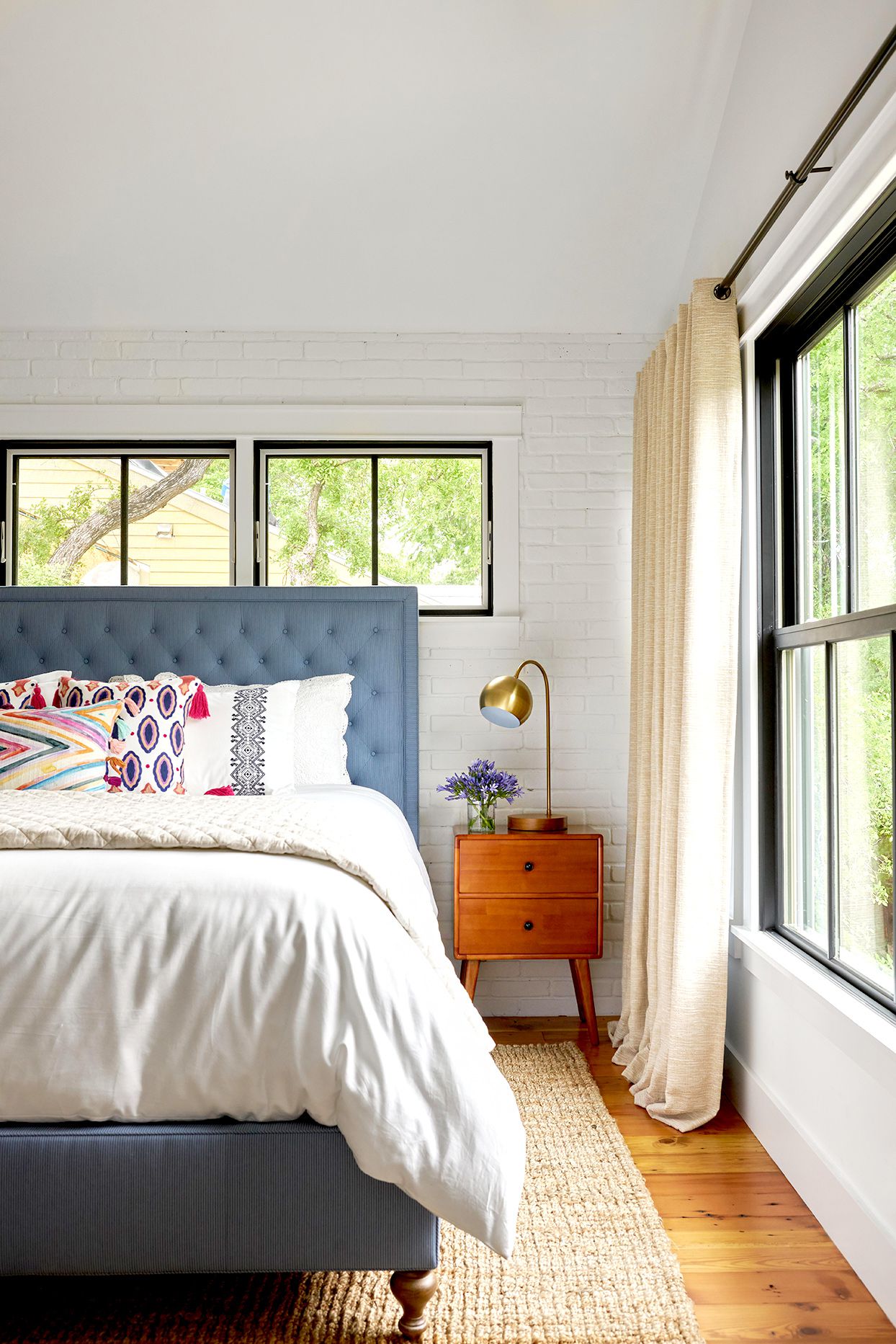
Your bedroom should not be a storage unit with a mattress. To make it more relaxing, focus on comfort, darkness, quiet, temperature, and fewer distractions. Choose breathable bedding, reduce clutter, use blackout curtains if outdoor light bothers you, and keep bright screens away from the bed whenever possible.
Decoratively, use calming colors, soft lamps, simple nightstands, cozy rugs, and window treatments that make the room feel private. Keep the nightstand minimal: a lamp, water glass, current book, hand cream, and perhaps one personal object. If your nightstand currently looks like a convenience store checkout counter, this is your sign.
9. Use Scent Carefully and Naturally
Scent can be deeply relaxing, but it should not attack people at the door. Use fragrance lightly with fresh flowers, dried lavender, clean linens, simmer pots, essential oil diffusers used according to directions, or candles burned with proper ventilation.
Because candles and incense can affect indoor air quality, especially in small or poorly ventilated spaces, use them thoughtfully. Choose unscented or lightly scented options when possible, trim candle wicks, avoid burning multiple products at once, and open a window when needed. A relaxing home should smell fresh, not like a perfume counter got into a wrestling match with a cinnamon roll.
10. Add Personal Objects That Feel Peaceful, Not Busy
A soothing home should still feel like you. Display personal objects that bring calm memories: a framed travel photo, a handmade bowl, a favorite book, a small sculpture, a family picture, or art that makes you breathe a little slower.
The secret is editing. Instead of scattering 40 tiny objects across a room, group a few meaningful pieces together. A small collection on a tray or shelf feels intentional. A crowded tabletop feels like your decor is trying to start a committee. Choose fewer, better, more personal pieces.
11. Soften Sound With Rugs, Curtains, and Upholstery
Relaxing decor is not only visual. Sound matters too. Hard floors, bare windows, and empty walls can make noise bounce around a room. Add softness with area rugs, curtains, upholstered chairs, fabric headboards, wall hangings, or even a bookshelf filled with books.
This is especially helpful in apartments, busy neighborhoods, and open-plan homes. A thick rug under the living room seating area can make conversation feel warmer. Curtains can soften street noise. A fabric bench at the foot of the bed adds comfort and absorbs sound. Your ears deserve decor too.
12. Use Curved Shapes and Rounded Edges
Curves naturally feel softer than sharp corners. You do not need to replace all your furniture, but adding a few rounded forms can make a room feel gentler. Try a round coffee table, an oval mirror, arched wall art, a curved floor lamp, a circular side table, or pillows with rounded edges.
Curved shapes help break up boxy architecture and make spaces feel more welcoming. They are especially useful in small rooms, where too many sharp lines can feel cramped. Plus, fewer shin-level corners means fewer surprise attacks from furniture. That is wellness.
13. Hide the Practical Stuff Beautifully
Relaxing rooms still need real-life items: remotes, chargers, pet toys, blankets, paperwork, cleaning supplies, and the 17 lip balms that migrate around the house. The solution is concealed storage that looks good.
Use lidded baskets, storage ottomans, closed cabinets, woven bins, decorative boxes, under-bed drawers, and trays. In high-traffic areas like entryways and living rooms, closed storage can make a space feel instantly calmer. Your home can still function like a home, but it does not need to visually announce every errand you have not done yet.
14. Create a Bathroom That Feels Like a Mini Spa
A calming bathroom does not require marble, a rainfall shower, or a bathtub large enough to host a small orchestra. Start with simple upgrades: matching towels, a soft bath mat, a wooden stool, a plant that tolerates humidity, a clean countertop, and warm lighting.
Decant everyday products into simple containers if that makes your space feel calmer. Add eucalyptus to the shower, a candle used safely, or a small tray for skincare. Keep cleaning supplies hidden. The bathroom is where many people begin and end the day, so it deserves more than fluorescent lighting and a shampoo bottle graveyard.
15. Design a Wind-Down Path Through Your Home
One powerful soothing decor idea is to think beyond individual rooms and create a calming evening flow. What do you see when you come home? Where do you put your keys? Where do you sit first? What light do you turn on at night? What do you see before sleep?
Make that path easier. Add a small entry lamp so you are not greeted by darkness. Place a basket for shoes. Keep a cozy throw near your favorite seat. Put your journal beside your bed. Use a dim lamp in the hallway. Create visual cues that support the routine you want. A soothing home works best when it quietly helps you behave like the calmer version of yourself.
Room-by-Room Examples for Relaxing Decor
Living Room
Choose a warm neutral sofa or slipcover, add two textured pillows, place a soft rug under the main seating area, and use lamps instead of only overhead lighting. Keep the coffee table simple with a tray, one book, a small plant, and a candle used safely. If the TV dominates the room, balance it with art, shelves, curtains, or plants so the space feels less like a media command center.
Bedroom
Use breathable bedding, calming colors, blackout curtains, and a nightstand that does not look like it lost a fight with your junk drawer. A soft rug beside the bed makes mornings gentler. Add one piece of art you love, but avoid overstimulating walls if your goal is deep rest.
Kitchen
Even a kitchen can feel soothing. Clear the counters, display wooden boards, use a small lamp if you have an outlet, add a bowl of fruit, and keep dish towels in calming colors. If open shelving looks chaotic, use matching containers or baskets to create visual order.
Bathroom
Use matching towels, a simple shower curtain, a small plant, and a tray for daily products. Replace harsh bulbs with warmer lighting if possible. Keep only what you actually use within reach, and store the rest. Your bathroom counter is not a skincare conference.
Common Mistakes That Make a Home Feel Less Relaxing
First, avoid choosing decor only because it is trendy. A viral chair is not relaxing if it feels like sitting inside a taco shell. Second, do not overfill a calming room. Too many pillows, accessories, patterns, or scents can turn “cozy” into “crowded.” Third, do not ignore lighting. Even beautiful decor can feel cold under the wrong bulb. Fourth, avoid making your bedroom a workspace if you can. When your laptop lives beside your pillow, your brain gets mixed signals.
Finally, do not confuse soothing with boring. A calm home can include color, art, humor, books, collections, and personality. The difference is intention. Every item should support comfort, beauty, memory, function, or joy.
Extra Experiences: What Soothing Decor Feels Like in Real Life
The best soothing decor is not always the kind that gets dramatic before-and-after photos. Sometimes it is the small change you notice at 7:15 p.m., when you walk into your living room and realize you are not immediately annoyed by a pile of stuff. One of the most calming home updates is simply creating a landing zone near the entrance. A small bowl for keys, a basket for shoes, and a hook for bags can change the mood of the entire evening. Instead of starting your night by searching for things, you start by putting them down.
Another surprisingly powerful experience is switching on a lamp instead of the ceiling light. The whole room changes. Shadows become softer, fabric looks warmer, and even ordinary furniture feels more welcoming. Many people spend money on new decor when what they really need is better lighting. A $30 lamp can sometimes do more emotional heavy lifting than a $300 accent table. The table may be cute, but the lamp understands the assignment.
Texture also has a way of turning a room from “fine” into “please let me stay here forever.” A throw blanket over the arm of a sofa, linen curtains by a window, a wool rug under bare feet, or a soft pillow behind your back can make relaxation feel physical. You are not just looking at comfort; you are touching it. That matters after a long day spent in stiff chairs, traffic, meetings, errands, and shoes that seemed like a good idea in the morning.
A calming bedroom can create an even bigger shift. Imagine walking into a room where the bed is made, the nightstand is clear, the light is warm, and your phone is not glowing like a tiny rectangle of anxiety. You pull back breathable sheets, step onto a soft rug, and see only a book, a glass of water, and one peaceful object beside you. That room is not just decorated. It is giving instructions: slow down, stop scrolling, rest.
Plants create another kind of experience. Even one green plant on a desk can make a work area feel less mechanical. A trailing pothos on a shelf, a snake plant in the corner, or a vase of branches on the dining table adds movement and life. Plants also remind you that not everything needs to be rushed. They grow quietly. They lean toward light. They do not check email. Frankly, they may be onto something.
Personal objects are equally important. A home that is too perfectly styled can feel like nobody lives there, which is not calming so much as mildly suspicious. The trick is to display meaningful things with breathing room. A framed photo from a favorite trip, a bowl from a local maker, your grandmother’s quilt, or a stack of books you genuinely love can make a space feel emotionally safe. These pieces tell your story without shouting it through a megaphone.
Finally, the most soothing decor experience is when your home supports your habits without demanding perfection. A basket catches blankets. A tray gathers remotes. A lamp invites reading. A chair becomes the place where you take three deep breaths before dinner. Over time, these small design choices become rituals. Your home begins to participate in your well-being. It will not answer your emails, fold your laundry, or stop your neighbor from using a leaf blower at sunrise, but it can become a place where your body remembers how to relax.
Conclusion
Creating a relaxing home is less about chasing a perfect style and more about shaping an atmosphere. Soothing decor combines calm colors, soft textures, warm lighting, natural materials, plants, edited surfaces, personal details, and practical comfort. When these elements work together, your home becomes more than a place to store your stuff. It becomes a place to recover.
Start with one idea: clear your nightstand, add a lamp, bring in a plant, soften your sofa, or create a rest corner. Small changes can have a big emotional effect. A calmer home is built one thoughtful detail at a time, and yes, hiding the remote controls absolutely counts as personal growth.