Editor’s note: The word “Nad” appears in the supplied headline. In the article body, the standard phrase “Nick Reiner and Bill Hader” is used for clarity, readability, and SEO. This article is based on publicly reported information, court updates, and entertainment-news coverage. Allegations are described as allegations, and Nick Reiner has pleaded not guilty.
Hollywood parties are usually remembered for awkward small talk, tiny snacks on very large trays, and at least one person pretending they know where they parked. But the reported tense moment between Nick Reiner and Bill Hader at Conan O’Brien’s holiday gathering became part of a much darker public conversation after Rob Reiner and Michele Singer Reiner were found dead the following day.
The story attracted attention because of the names involved: Rob Reiner, one of Hollywood’s most beloved actor-directors; Bill Hader, the Emmy-winning comedian known for Saturday Night Live and Barry; and Conan O’Brien, a longtime comedy-world figure whose private holiday party suddenly became a point of public interest. The reported exchange itself was brief, but the timing made it impossible for celebrity media to ignore.
Still, there is an important line to draw. The reported Bill Hader interaction is not the criminal case. It is a piece of context from a public event that happened before a tragedy. The legal case concerns the deaths of Rob and Michele Reiner, and Nick Reiner has been charged while maintaining a not-guilty plea. That distinction matters, especially online, where rumor can put on a tuxedo and pretend to be journalism.
What Reportedly Happened Between Nick Reiner and Bill Hader?
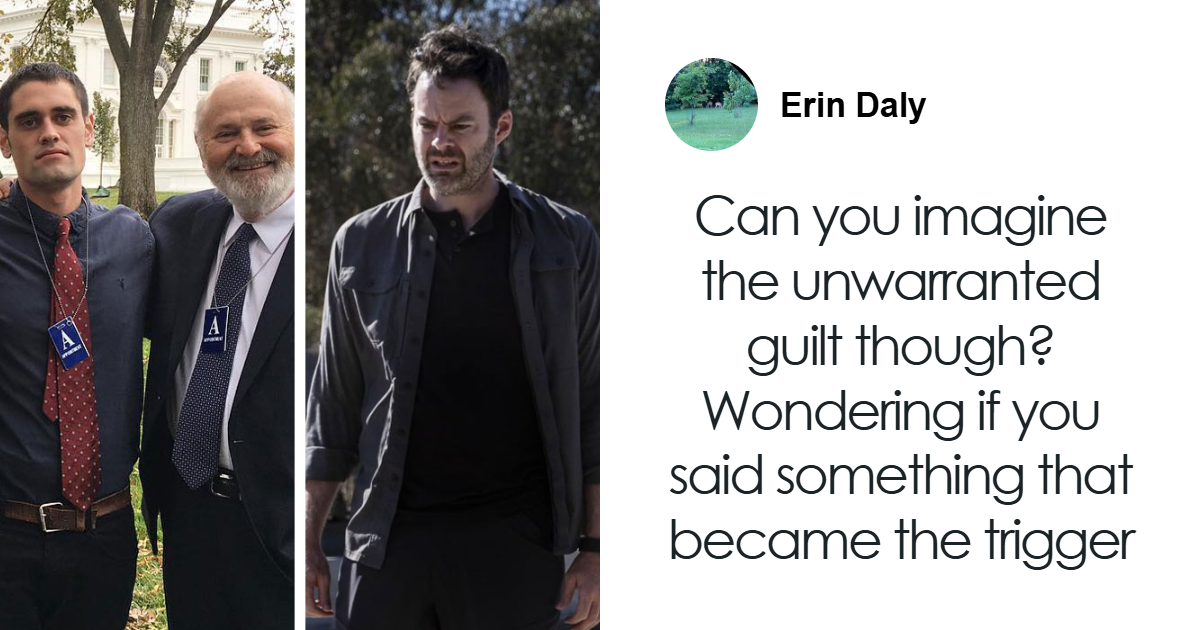
According to entertainment reports citing sources at the party, Nick Reiner attended Conan O’Brien’s holiday gathering with his parents, Rob and Michele Reiner. During the event, Nick reportedly approached or interrupted a conversation involving Bill Hader. Hader, according to those reports, told him the conversation was private. Nick then allegedly paused, stared, and left the interaction abruptly.
That is the central “tense moment” now circulating in headlines. It was not a dramatic movie scene with thunder, violins, and someone dropping a champagne flute in slow motion. It was reportedly a short social exchange that became newsworthy because of what happened later and because the people involved were recognizable public figures.
Several outlets also reported that guests noticed Nick behaving strangely at the party and that Rob Reiner had a separate argument with his son that evening. Some reports described guests as uncomfortable or concerned. Again, these details come from witness-based entertainment coverage, not from a courtroom finding.
Why the Bill Hader Connection Went Viral
Bill Hader’s name brought extra attention because he is widely known and generally associated with comedy, not crime headlines. Fans know him as a performer who can make a fake New York nightclub sound like a fever dream and then turn around and create a dark, award-winning series like Barry. Seeing his name near a homicide case created instant confusion online.
But the public record does not suggest that Hader was involved in the criminal matter. He was reportedly present at a party where an uncomfortable interaction happened. That is very different from being part of an investigation. In a healthy media diet, that difference is the vegetables. Not everyone loves it, but it prevents a lot of nonsense.
The viral spread also shows how celebrity stories are often built. A small reported detail becomes a headline. A headline becomes a social-media post. A social-media post becomes a theory. Then, suddenly, someone’s aunt on Facebook is conducting a “full investigation” using three screenshots and a suspicious amount of confidence.
The Tragedy Behind the Headlines
Rob Reiner and Michele Singer Reiner were found dead in their Los Angeles home in December 2025. Authorities later charged their son, Nick Reiner, with two counts of first-degree murder. He has pleaded not guilty and remains part of an ongoing legal process.
Rob Reiner’s death shook Hollywood because his career stretched across generations. He first became famous as an actor on All in the Family, then built a remarkable directing career with films such as This Is Spinal Tap, Stand by Me, The Princess Bride, When Harry Met Sally…, Misery, and A Few Good Men. That run is the kind of filmography most directors would trade a beach house, a parking spot, and possibly a favorite espresso machine to have.
Michele Singer Reiner was also remembered as a central figure in the family’s life and in Rob’s personal world. Their marriage, family, activism, and long-standing relationships across entertainment made the loss feel personal to many people who never met them. When public figures die suddenly, audiences often process the news through the work they left behind. In Rob Reiner’s case, that work was everywhere: comedy, romance, courtroom drama, fantasy, and coming-of-age storytelling.
Who Is Nick Reiner?
Nick Reiner is one of Rob and Michele Reiner’s children and has been publicly connected to the film Being Charlie, a 2015 drama inspired partly by his experiences with addiction and recovery. Rob Reiner directed the film, and Nick co-wrote it with Matt Elisofon.
Because Nick’s personal struggles had already been discussed publicly years before the criminal case, many reports referenced that background after the tragedy. However, personal history should not be treated as proof of guilt. Addiction, recovery, family conflict, and mental-health challenges are serious topics; they are not automatic explanations for a crime. The court system exists because facts must be tested, not guessed over coffee.
In high-profile cases, it is easy for the public to flatten a person into a headline. Nick Reiner is now widely discussed as a defendant, but the legal process has not concluded. Responsible coverage should say what is known, what is alleged, and what remains unresolved.
Who Is Bill Hader in This Story?
Bill Hader is not the center of the criminal case. He is a reported participant in one uncomfortable interaction at a holiday party. His relevance is mostly cultural: his name is familiar, and his reported boundary-setting moment became a detail that entertainment outlets highlighted.
Hader rose to fame on Saturday Night Live, where he became known for sharp impressions and memorable characters. Later, he co-created, wrote, directed, produced, and starred in HBO’s Barry, a dark comedy that earned major awards attention. His career has often blended absurd humor with emotional tension, which makes the real-life headline feel even stranger. It is the kind of irony nobody asked for, like ordering a salad and receiving a tax audit.
Based on public reporting, Hader simply told Nick Reiner that he was in a private conversation. That is a normal social boundary. The reason it became news is not because the sentence was shocking. It became news because the next day brought devastating events involving the Reiner family.
Conan O’Brien’s Holiday Party and the Weight of Timing
Conan O’Brien’s holiday party was reportedly the last major public setting where Rob and Michele Reiner were seen by several Hollywood friends before their deaths. Conan later spoke publicly about the shock of learning what had happened after the gathering. That timing pulled the party into the story, even though a private holiday event is normally not news.
There is something unsettling about ordinary moments that become historical only in hindsight. A conversation, a goodbye, a quick awkward exchange near the snacksnone of it feels important at the time. Then a tragic event occurs, and every detail is examined like it came with a detective’s magnifying glass.
This is why media coverage of the party has been intense. People want timelines. They want clues. They want emotional order. But real life is often messy and incomplete. Not every strange moment is a clue. Not every awkward exchange explains what happened next.
Why Words Like “Exposed” Need Careful Handling
The headline phrase “exposed” attracts clicks, but it can also create problems. It suggests that something hidden has been revealed. In this case, the better framing is that reports have described an alleged tense exchange. That is less flashy, but it is more accurate.
Search engines reward helpful content, but readers reward honesty. A strong SEO article can still use engaging language without turning speculation into certainty. For a sensitive story like this, the best approach is to be clear, careful, and human. Nobody needs a fog machine around a family tragedy.
That means using phrases like “reportedly,” “according to witnesses,” and “alleged.” It also means avoiding dramatic leaps. The Bill Hader moment may be relevant as part of the public timeline, but it should not be presented as the cause of anything. A tense conversation at a party is not a verdict.
The Media Lesson: Context Is Not the Same as Evidence
One of the biggest lessons from the Nick Reiner and Bill Hader story is that context can be meaningful without being conclusive. The party reports help explain why people were discussing Nick’s behavior before the deaths of Rob and Michele Reiner. They do not prove motive, guilt, or legal responsibility.
This matters because the internet often treats “interesting detail” as “case solved.” A person behaves oddly. Someone notices. A famous person is nearby. Suddenly, the comment section becomes a courtroom with worse spelling and no rules of evidence.
Real reporting is slower than that. It separates witness accounts from confirmed facts. It explains what police and prosecutors have said. It notes what the defense has said. It updates readers when pleas are entered, hearings are scheduled, or court documents become available.
In this case, reputable coverage has continued to emphasize the legal status: Nick Reiner has been charged and has pleaded not guilty. That is the key legal fact. The rest of the party coverage is background, not a substitute for the court process.
Specific Examples of Responsible Framing
Less responsible framing:
“Bill Hader confrontation led to the Rob Reiner tragedy.”
Better framing:
“Nick Reiner reportedly had a tense exchange with Bill Hader at Conan O’Brien’s party before Rob and Michele Reiner were found dead.”
Less responsible framing:
“Hader exposed Nick Reiner’s behavior.”
Better framing:
“Reports say Hader set a boundary during a private conversation, and witnesses later described Nick Reiner’s behavior at the party as concerning.”
That difference may seem small, but it matters. Responsible wording protects readers from being misled and protects real people from being dragged into conclusions that the facts do not support.
Why the Story Still Captures Public Attention
The story remains compelling because it combines celebrity, family, tragedy, and unanswered questions. Rob Reiner was not just another Hollywood name. He was tied to films many Americans can quote without trying. The Princess Bride alone has probably done more for everyday catchphrases than most marketing departments do in a decade.
Bill Hader adds another layer because he represents a newer comedy generation. Conan O’Brien adds the late-night comedy connection. The Reiner family adds Hollywood history. The legal case adds uncertainty. Put all of that together, and the result is a story that readers search for because it feels both famous and deeply sad.
But attention should not become appetite. There is a family at the center of this. There are friends grieving. There is a defendant with legal rights. There are witnesses who did not ask to become characters in a national story. The best coverage keeps that humanity in view.
Experience Section: What This Story Teaches About Awkward Public Moments
Anyone who has ever attended a crowded party knows that social tension can appear out of nowhere. One minute people are laughing near the appetizers; the next minute someone says something too loudly, interrupts the wrong conversation, or turns a small boundary into a big mood shift. Most of the time, the incident fades. Someone changes the subject. Someone finds the dessert table. Peace returns, powered by cookies.
The reported Nick Reiner and Bill Hader moment feels familiar on that basic social level. A person enters a private conversation. Another person says, in effect, “This is private.” That is not rude by itself. Boundaries are part of adult life. They help keep conversations respectful and prevent social spaces from becoming conversational bumper cars.
What makes the story different is what happened afterward. Because Rob and Michele Reiner were found dead the next day, the party exchange became part of a larger timeline. That shift shows how ordinary experiences can be reinterpreted after shocking news. A moment that might have seemed merely uncomfortable can suddenly feel loaded with meaning.
For readers, there is a useful lesson here: be careful with hindsight. Hindsight can make us feel smarter than we were. After something terrible happens, people often look backward and say, “That was obviously a sign.” Sometimes it was. Sometimes it was just an awkward moment that only looks important because we now know the ending.
This applies beyond celebrity news. In schools, workplaces, family gatherings, and friend groups, people often replay tense moments after conflict. They wonder what they missed. They search for clues. That impulse is human. It is also limited. We rarely understand a whole situation from one exchange.
A healthier approach is to notice discomfort without instantly turning it into a theory. If someone behaves in a way that feels unsafe or deeply concerning, the right response is to seek help from responsible adults, event staff, or appropriate authorities. If someone simply crosses a conversational boundary, a calm correction may be enough. Not every awkward pause is an alarm bell. Not every uncomfortable stare is a prophecy.
The reported Hader moment also highlights the value of simple, clear boundaries. “I’m in a private conversation” is direct without being dramatic. In public settings, especially around famous people, boundaries can prevent confusion. Celebrities may be public figures, but their conversations are not public property. Fame does not turn every private sentence into a community buffet.
For writers and publishers, the experience lesson is just as important. When covering tense moments, especially those connected to tragedy, avoid turning human pain into clickbait soup. Readers can handle nuance. They can understand “reported,” “alleged,” and “still under investigation.” In fact, nuance makes an article more trustworthy. It tells readers the writer is not just chasing traffic with a butterfly net.
Finally, this story reminds us that public narratives are often incomplete. The internet wants quick answers. Courts move slowly. Grief moves in its own strange rhythm. Media coverage sits somewhere in between, trying to explain what is known while resisting the temptation to invent what is not. The tense moment between Nick Reiner and Bill Hader may remain a widely searched detail, but it should be treated as one reported incident in a much larger and more serious story.
Conclusion
The tense moment between Nick Reiner and Bill Hader became public because it happened shortly before the deaths of Rob and Michele Reiner, not because the exchange itself was legally decisive. Reports describe a brief, uncomfortable interaction at Conan O’Brien’s holiday party, where Hader allegedly told Nick Reiner he was in a private conversation. Nick reportedly reacted by standing silently and leaving abruptly.
The bigger story is tragic and still legally unresolved. Nick Reiner has been charged in connection with his parents’ deaths and has pleaded not guilty. Rob Reiner’s legacy as a filmmaker and performer remains enormous, while Michele Singer Reiner is remembered by loved ones as a deeply important figure in the family’s life. Bill Hader, meanwhile, appears in the story only as someone reportedly involved in a tense party exchange.
For readers searching the headline, the most important takeaway is simple: the reported Hader moment is context, not a conclusion. In a story filled with grief, celebrity attention, and legal uncertainty, accuracy matters more than drama. Even in Hollywood, real life does not come with a final-act explanation on demand.
Note: This article uses cautious wording because parts of the party account are based on witness reports, while the criminal case remains subject to the court process.