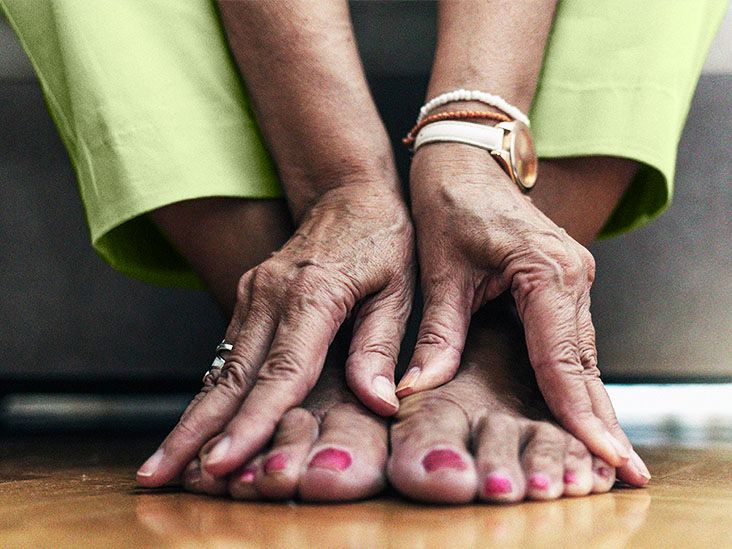
Rheumatoid arthritis can make the toes feel as though they have joined a tiny but determined protest movement. They may become stiff, swollen, tender, crowded, or increasingly reluctant to cooperate with shoes. Although the fingers often receive more attention in conversations about rheumatoid arthritis, the small joints of the feet are among the disease’s favorite targets.
Rheumatoid arthritis, commonly shortened to RA, is a chronic autoimmune disease. Instead of limiting its attention to germs and other genuine threats, the immune system mistakenly attacks healthy joint tissue. The resulting inflammation can affect the lining of the toe joints, surrounding tendons, ligaments, bursae, bones, and soft tissues.
For some people, pain in the toes or balls of the feet is an early sign of RA. For others, foot symptoms develop after the disease has affected the hands, wrists, knees, or other joints. Understanding what RA does to the toes can help people recognize changes early, protect their mobility, and avoid blaming every painful step on an unfortunate pair of shoes.
Why rheumatoid arthritis affects the toes
Each foot contains numerous small joints that must support body weight while adapting to the ground and helping propel the body forward. That is a demanding job even when every joint is behaving. When RA causes inflammation inside these joints, walking can become painful surprisingly quickly.
The metatarsophalangeal joints, or MTP joints, are especially important. These are the joints where the toes meet the foot. They sit near the ball of the foot and bear substantial pressure during standing and walking. RA commonly affects several MTP joints and often produces symptoms in both feet.
Inflammation begins in the joint lining
A healthy joint has a thin lining called the synovium. It produces fluid that helps the joint move smoothly. In RA, the synovium becomes inflamed and thickened. This process, called synovitis, causes pain, warmth, swelling, and stiffness.
Persistent inflammation can gradually damage cartilage and erode bone. It may also weaken the ligaments and joint capsule that keep a toe correctly aligned. Once those stabilizing structures loosen, the toe may drift, rotate, lift, or partially dislocate.
Tendons and soft tissues can also be involved
RA is not confined to the space between two bones. Inflammation can affect tendons and the protective sheaths around them. When tendons no longer pull evenly, the balance between the muscles that bend and straighten a toe may be disrupted. This imbalance contributes to deformities such as hammertoes and claw toes.
Inflammation can also create tender bursae, which are small fluid-filled cushions that reduce friction. Rheumatoid nodules may occasionally form in pressure-prone areas. None of these developments are particularly impressed by fashionable footwear.
What does RA toe pain feel like?
RA symptoms vary from one person to another and may change during flares and periods of better disease control. Common toe and forefoot symptoms include:
- Pain at the base of one or more toes
- Tenderness across the ball of the foot
- Swelling around several toe joints
- Warmth over an inflamed joint
- Stiffness after waking or sitting for a long time
- Pain when pushing off the toes while walking
- A sensation of walking on pebbles or marbles
- Reduced toe movement
- Difficulty fitting into previously comfortable shoes
Symptoms commonly affect corresponding joints on both feet, although the intensity does not have to be identical. One foot may be louder about its complaints than the other.
Morning stiffness is an important clue
Inflammatory stiffness is often most noticeable in the morning or after inactivity. The toes may initially feel rigid and painful, then loosen somewhat with gentle movement. Stiffness that lasts for an extended period, especially when accompanied by persistent swelling in several joints, deserves medical attention.
The MTP squeeze may be painful
During an examination, a clinician may gently compress the forefoot across the MTP joints. Pain produced by this maneuver can suggest inflammation, although it cannot confirm RA by itself. A proper diagnosis considers the complete pattern of symptoms, examination findings, laboratory results, and imaging.
Toe deformities associated with rheumatoid arthritis
Modern RA treatment has reduced the frequency of severe deformities, particularly when disease-modifying medication is started early and controls inflammation effectively. However, structural changes can still occur, especially after years of active or difficult-to-control disease.
Bunions and big-toe drift
A bunion, medically called hallux valgus, develops when the big toe shifts toward the smaller toes while the joint at its base becomes prominent. Bunions are common in the general population, so having one does not automatically indicate RA.
In someone with rheumatoid arthritis, however, joint erosion and ligament weakness can contribute to the big toe’s changing position. The drifting big toe may crowd the second toe, rub against footwear, and interfere with the foot’s push-off phase during walking.
Hammertoes and claw toes
A hammertoe bends abnormally at the middle toe joint. A claw toe typically bends upward where the toe meets the foot and downward at the smaller joints farther along the toe. These positions may initially remain flexible but can become rigid over time.
Raised toe joints often rub against the top of a shoe, creating painful corns. The tip of a curled toe may press into the sole or shoe, producing additional irritation. The shoe is rarely the original architect of an RA deformity, but a narrow toe box can turn a structural problem into an all-day argument.
MTP joint subluxation or dislocation
Inflammation may weaken the structures that stabilize the toe bases. The toes can gradually shift upward while the metatarsal heads become more prominent on the sole. This change is called subluxation when the joint surfaces are partly displaced and dislocation when they lose normal contact more completely.
The result may feel like walking directly on hard bumps beneath the forefoot. Pressure becomes poorly distributed, and ordinary activities such as standing in a checkout line can become exhausting.
Calluses, corns, and pressure sores
Toe deformities alter where body weight lands. Areas exposed to repeated pressure and friction may develop thick calluses or corns. These are not merely cosmetic inconveniences; they can become extremely painful and further change the way a person walks.
People taking immune-suppressing RA medications should pay particular attention to broken skin, blisters, and wounds. A sore that is deep, draining, increasingly red, or slow to heal needs professional assessment. Cutting a callus at home with a blade is an impressively efficient way to create a larger problem.
How toe problems affect walking and daily life
Healthy toes stabilize the body, adjust to uneven surfaces, and help move weight forward with each step. When several toe joints are inflamed or displaced, people may shorten their stride, avoid pushing through the forefoot, or shift weight toward the outside of the foot.
These compensations can contribute to pain in the ankles, knees, hips, or lower back. Balance may suffer, and walking speed may decline. Some people reduce activity because movement hurts, but prolonged inactivity can weaken muscles and reduce endurance. The goal is not to ignore pain and march heroically through it; the goal is to find a sustainable level of movement while the underlying disease and mechanical problems are treated.
Could painful toes be caused by something other than RA?
Yes. Toe pain has an extensive résumé. Osteoarthritis, gout, psoriatic arthritis, bursitis, tendon injuries, stress fractures, neuromas, infections, and ordinary mechanical bunions can produce overlapping symptoms.
Gout often causes sudden, intense pain, redness, warmth, and swelling, classically at the big-toe joint. RA more often produces a persistent or recurring pattern involving several small joints, frequently on both sides. However, real bodies do not always follow textbook choreography, and a person with RA can also develop gout or another foot condition.
Changes limited to the toenails, such as thickening, discoloration, or crumbling, are not classic signs of RA. They may point toward fungal infection, injury, psoriasis, or another condition. A clinician can help separate these possibilities.
Symptoms that require prompt medical care
Seek prompt medical evaluation for a toe or foot that becomes suddenly very hot, red, swollen, or severely painful, especially when fever, chills, a wound, drainage, or feeling generally ill is present. These symptoms could indicate infection or another condition requiring timely treatment.
Urgent evaluation is also appropriate for a toe that turns blue, pale, or black; new numbness or weakness; an inability to bear weight after an injury; or a wound that is worsening rather than healing.
How doctors evaluate RA in the toes
There is no single test that proves every case of rheumatoid arthritis. Diagnosis usually combines several kinds of evidence.
Medical history and physical examination
A clinician may ask when symptoms began, how long morning stiffness lasts, whether both feet are affected, and whether other joints are painful or swollen. The examination may evaluate joint tenderness, warmth, motion, alignment, calluses, skin condition, sensation, circulation, footwear, and walking pattern.
Blood tests
Tests may include rheumatoid factor and anti-cyclic citrullinated peptide antibodies, often called anti-CCP antibodies. Inflammatory markers such as the erythrocyte sedimentation rate and C-reactive protein may also be checked. Results support the clinical assessment but must be interpreted in context because people with RA can have negative antibody tests, and positive results can occur in other situations.
Imaging
X-rays can show joint-space narrowing, erosions, alignment changes, and later structural damage. Early RA may not be visible on an X-ray. Ultrasound or magnetic resonance imaging can reveal synovitis, fluid, tendon involvement, or early erosive changes that standard X-rays may miss.
How are RA-related toe problems treated?
Successful treatment usually addresses two connected issues: systemic inflammation caused by RA and mechanical stress caused by changes in the foot. Treating only one side of the problem may leave the other tapping impatiently on the floor.
Control the underlying rheumatoid arthritis
Disease-modifying antirheumatic drugs, known as DMARDs, are the foundation of RA treatment. Conventional DMARDs include medications such as methotrexate, hydroxychloroquine, sulfasalazine, and leflunomide. Biologic and targeted synthetic DMARDs may be considered when appropriate.
These treatments are intended to reduce disease activity and limit future joint damage. Pain relievers and nonsteroidal anti-inflammatory drugs may ease symptoms but do not replace disease-modifying therapy. Corticosteroids may be used selectively under medical supervision because their risks increase with dose and duration.
A rheumatologist should guide medication choices and monitoring. Persistent toe swelling can be clinically important even when the hands or larger joints seem relatively calm, so foot symptoms should be included in follow-up conversations.
Choose shoes that respect the toes
Supportive footwear can reduce pressure and friction. Helpful features may include:
- A wide and deep toe box
- Soft or stretchable upper materials
- Low, stable heels
- Good heel support
- Adjustable laces, straps, or closures
- Cushioning beneath the forefoot
- A relatively stiff or rocker-style sole when recommended
Shoes should accommodate the foot rather than demanding that an inflamed toe negotiate its surrender. High heels and narrow, pointed footwear often increase pressure under the forefoot and across crowded toes.
Use orthotics and pressure-relieving devices carefully
Over-the-counter or custom orthotics may improve pressure distribution and support alignment. Metatarsal pads can help some people, but placement matters; a pad positioned directly beneath a painful metatarsal head may make symptoms worse.
Toe spacers, cushioning sleeves, or protective pads may reduce rubbing when deformities remain flexible. Rigid or severe deformities should be evaluated before using a corrective device because forcing a toe into position can injure the skin.
Consider physical therapy and appropriate exercise
A physical therapist can assess flexibility, strength, balance, and walking mechanics. Exercises may focus on gentle toe motion, calf flexibility, ankle strength, and overall conditioning. Movements should be adapted during an active flare rather than performed aggressively through sharp pain.
Low-impact activities such as swimming, water exercise, cycling, or carefully selected walking may be easier on painful feet. Exercise cannot reverse an established joint erosion, but maintaining strength and mobility can improve function.
Protect the skin and nails
Inspect the feet regularly for blisters, cracks, corns, redness, and pressure points. Keep the skin clean and moisturized, but avoid leaving excess moisture between the toes. Trim nails carefully and wear clean socks that do not create tight bands.
A podiatrist can safely reduce painful calluses and help manage nail problems, shoe fit, and orthotic needs. This is especially useful for people with poor circulation, reduced sensation, significant deformity, or medications that affect immune function.
When surgery may be considered
Surgery may be discussed when pain, deformity, or difficulty wearing shoes continues despite appropriate medication, footwear, orthotics, and rehabilitation. Procedures vary according to the affected joints, flexibility of the deformity, cartilage condition, and individual goals.
Options may include soft-tissue balancing, correction of hammertoes, removal or repositioning of painful bone, joint-preserving procedures, or fusion. Fusion removes painful movement by permanently joining the bones of a joint. It can provide reliable pain relief in selected cases but sacrifices motion, so the decision requires careful discussion with a foot-and-ankle orthopedic surgeon.
Can RA toe damage be prevented?
Not every toe change can be prevented, but early and sustained control of rheumatoid inflammation gives the joints their best protection. Taking medication as prescribed, attending rheumatology appointments, reporting new foot symptoms, avoiding smoking, staying appropriately active, and wearing well-fitting shoes can all support long-term foot health.
Do not wait until a toe is rigid or a callus feels like a thumbtack beneath the foot before mentioning it. Early swelling, shoe irritation, or a subtle change in alignment may be easier to manage than a fixed deformity.
Experiences related to how RA affects the toes
The following scenarios are educational composites based on commonly reported patterns. They do not describe specific identifiable patients and should not be treated as medical advice.
Experience one: The mysterious morning shuffle
A person in the early stages of inflammatory arthritis may first notice that getting out of bed has become oddly complicated. The toes feel thick and stiff, even though they look almost normal. Walking to the bathroom involves several cautious steps, followed by gradual improvement as the feet warm up.
At first, the discomfort may be blamed on exercise, age, cold weather, or an aging mattress that has somehow acquired jurisdiction over the toes. Then the same stiffness begins appearing in both feet, and several toe bases become tender. Shoes that were comfortable a few months earlier start feeling tight before breakfast.
This pattern can demonstrate why symptom timing matters. Mechanical foot pain often becomes worse after prolonged loading, whereas inflammatory stiffness may be prominent after rest. The distinction is not absolute, but persistent bilateral swelling and prolonged morning stiffness provide useful information for a clinician. Early evaluation may allow treatment before obvious deformity appears.
Experience two: The pebble that was not in the shoe
Someone living with established RA may describe feeling as though a pebble is trapped beneath the ball of the foot. The shoe is removed and shaken. Nothing falls out. The sock is inspected with the seriousness of a forensic investigation. Still nothing.
The sensation may come from swollen MTP joints, displaced cushioning tissue, or prominent metatarsal heads. As the toes drift upward or sideways, pressure becomes concentrated beneath parts of the forefoot that were not designed to carry it alone. A thick callus may develop over the tender area.
The person may begin walking along the outer edge of the foot to avoid pressure. That strategy can reduce pain temporarily but may create ankle fatigue or discomfort farther up the leg. A podiatric or orthopedic assessment may identify footwear changes, orthotic modifications, callus care, or other interventions that make walking more comfortable without relying on an improvised sideways shuffle.
Experience three: The shoe-closet negotiation
Another common experience involves a growing collection of shoes that technically fit according to the number printed inside but fail every practical test. A bunion presses against one side. A raised hammertoe rubs the top. The smaller toes feel crowded, and the forefoot begins aching after a short walk.
Switching to a wide, deep toe box can feel like a major improvement, particularly when the upper material is soft and the sole reduces pressure during push-off. Some people benefit from professionally fitted inserts or metatarsal support. Others need custom footwear because the shape of the foot has changed substantially.
This experience also illustrates the emotional side of RA-related toe changes. Footwear affects work, exercise, social events, and personal style. Being told simply to “wear sensible shoes” can feel dismissive. A better approach is to identify attractive, functional options that protect the feet while respecting the individual’s preferences and daily needs.
Experience four: A flare that changes the day’s schedule
During an RA flare, previously manageable toe pain may intensify. The joints can feel warm, swollen, and tender enough that errands, standing meetings, or a planned walk suddenly seem unrealistic. A person may need to alternate activity with rest, choose a lower-impact workout, or use footwear with additional room and support.
The important lesson is that adapting activity is not the same as surrendering to inactivity. A flare may require temporary changes, but repeated or persistent swelling should be reported to the rheumatology team. It may indicate that disease activity is not adequately controlled or that a separate mechanical problem has developed.
Keeping brief notes about morning stiffness, swelling, footwear tolerance, walking distance, and flare patterns can make appointments more productive. Photos of visible swelling or redness may also help when symptoms improve before the scheduled visit. Toes have an unfortunate habit of behaving perfectly once they enter an examination room.
Conclusion
Rheumatoid arthritis affects the toes by inflaming small joints, weakening their supporting tissues, and changing how pressure moves through the forefoot. Early symptoms may include bilateral pain, swelling, warmth, and morning stiffness. Over time, uncontrolled disease can contribute to bunions, hammertoes, claw toes, joint displacement, calluses, and difficulty walking.
The most effective approach combines control of the underlying RA with practical foot care. Disease-modifying medication, supportive footwear, orthotics, rehabilitation, skin protection, and specialist care can preserve comfort and mobility. Surgery remains an option for selected cases when persistent pain or deformity does not respond to nonsurgical treatment.
Most importantly, toe symptoms should not be treated as a minor footnote to rheumatoid arthritis. Those small joints carry the body through every ordinary day, and they deserve attention before each step becomes a negotiation.