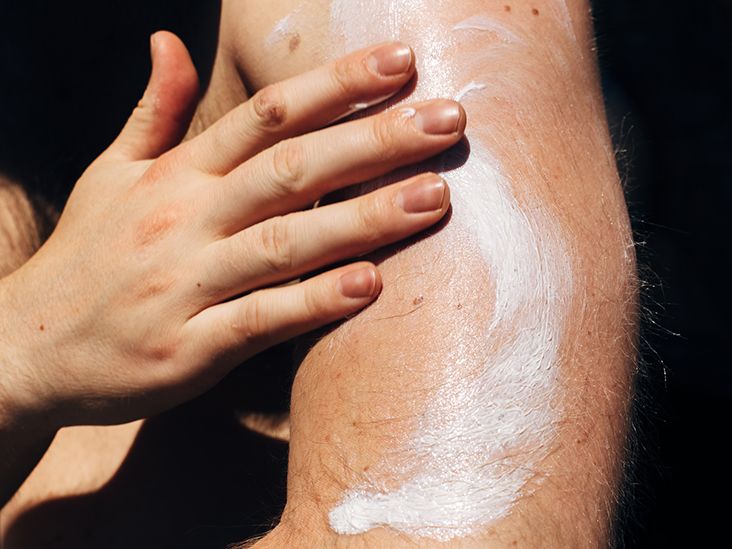
There are few things more optimistic than finding a half-used bottle of sunscreen right before a beach day. It is sitting in the cabinet, looking innocent, promising SPF 50 protection and a carefree afternoon. But before you squeeze it onto your shoulders and declare victory over ultraviolet rays, pause for one important question: does sunscreen expire?
Yes, sunscreen can expire. And unlike that questionable snack in the back of the pantry, expired sunscreen is not something to “taste-test” with your skin. Once a sunscreen passes its expiration date, has been stored in excessive heat, or changes in color, smell, or texture, it may no longer provide the reliable protection listed on the label.
This matters because sunscreen is not merely a cosmetic extra. It is one part of a larger sun-protection routine that helps reduce the risk of sunburn, premature skin aging, and UV-related skin damage. A bottle that has turned into a watery, grainy mystery sauce is not the summer sidekick you want.
Does Sunscreen Expire?
Absolutely. Sunscreen has a shelf life because its active ingredients, stabilizers, preservatives, and overall formula can break down over time. When that happens, the product may not deliver the SPF level printed on the package.
In the United States, sunscreen products are generally expected to maintain their original strength for at least three years. Many bottles include a printed expiration date. That date is the simplest answer to the sunscreen shelf-life question: when the date has passed, throw the product away.
If there is no expiration date, the practical rule is to write the purchase month and year directly on the bottle when you buy it. If three years pass, replace it. This is especially useful for sunscreen sticks, travel-size tubes, sprays, and mystery bottles that somehow reproduce in beach bags.
The Expiration Date Is a Deadline, Not a Suggestion
It can be tempting to think, “It is only a few months past the date, and it still smells like coconut.” Unfortunately, scent is not a laboratory test. A sunscreen can look fairly normal while its active ingredients no longer perform as expected.
Think of the expiration date as the manufacturer’s confidence window. Before that date, provided the sunscreen has been stored correctly, the company is standing behind the product’s stability and labeled SPF. After that date, that assurance is gone.
Expired sunscreen may not suddenly become a villain with dramatic music and a cape. The bigger issue is that it can become less dependable, leaving your skin with less UV protection than you think you have. That false sense of security is the real problem.
How Long Does Sunscreen Last?
For most unopened or properly stored sunscreen, the general benchmark is about three years. However, that does not mean every bottle will remain perfect for three years under every condition. Storage matters a great deal.
A sunscreen that lives in a cool, dry closet may remain stable until its expiration date. A sunscreen that has spent two summers rolling around in a hot car, baking beside a windshield, has had a much tougher life. Heat can speed up the breakdown of sunscreen ingredients and change the product’s texture.
When Sunscreen Can Go Bad Before the Expiration Date
Even a sunscreen that is technically “in date” can spoil early. Replace it if you notice any of these warning signs:
- A major change in color, such as yellowing or darkening.
- A sour, unusual, or unpleasant odor.
- Separation into oily and solid layers that does not blend back smoothly.
- A watery, runny, dry, flaky, or unusually thick texture.
- Grittiness, clumps, or little pebble-like particles.
- Difficulty spreading the sunscreen evenly over the skin.
- A bottle that has been left in extreme heat, direct sun, or freezing temperatures.
Shaking a sunscreen bottle can help redistribute ingredients in a product that is still fresh and has simply settled. But shaking cannot reverse chemical breakdown or make an old formula young again. Sunscreen is not a snow globe. It cannot be restored to factory settings with a few enthusiastic wrist flicks.
Why Heat Is a Big Problem for Sunscreen
Heat is one of sunscreen’s biggest enemies. Leaving sunscreen in a glove compartment, trunk, poolside chair pocket, or direct sunlight can cause the formula to deteriorate more quickly.
The issue is not just that the bottle feels hot enough to fry an egg. High temperatures can affect the active ingredients and the overall structure of the product. If the sunscreen separates, becomes watery, turns grainy, or smells strange after being exposed to heat, it is safer to replace it.
Better Ways to Store Sunscreen
Proper sunscreen storage is refreshingly simple:
- Keep sunscreen in a cool, dry place at home.
- Store it away from direct sunlight.
- Do not leave it in a car for long periods during hot weather.
- At the beach or pool, keep it in the shade, wrapped in a towel, or inside a cooler bag.
- Close the lid tightly after each use.
- Keep sand, water, and dirty hands from turning the nozzle into a tiny science experiment.
A cooler can be helpful during a long day outdoors, but do not place sunscreen directly against ice packs or let it freeze. Extreme cold can also affect the consistency of some formulas. The goal is stable, moderate storage conditions, not turning your SPF into a frosty beach beverage.
What Happens If You Use Expired Sunscreen?
The biggest concern is reduced protection. If the sunscreen no longer provides the SPF level on the label, you may be more likely to burn or accumulate UV damage while believing you are protected.
Expired sunscreen can also be less pleasant to use. The formula may spread unevenly, feel gritty, sting, pill under makeup, or leave odd patches on the skin. In some cases, a degraded product or contaminated container may irritate sensitive skin.
Using expired sunscreen does not automatically mean you will have a problem. But it is not a gamble worth taking, especially during long outdoor activities, beach trips, sports, vacations, or days when the UV index is high.
Should You Use Expired Sunscreen in an Emergency?
Do not rely on expired sunscreen as dependable sun protection. If you discover that your only bottle is expired, the safest move is to reduce direct sun exposure while getting a replacement. Seek shade, wear tightly woven clothing, use a wide-brimmed hat, and cover exposed skin when possible.
Sun protection works best as a team effort. Sunscreen is helpful, but it is not an invisibility cloak against UV rays. Clothing, shade, sunglasses, and timing outdoor activities around the strongest sun hours all matter too.
Mineral vs. Chemical Sunscreen: Does One Last Longer?
Both mineral and chemical sunscreens can expire. Neither category gets a magical immunity badge.
Mineral sunscreens commonly use zinc oxide or titanium dioxide to help protect skin from UV rays. When they begin to degrade, they may feel gritty, become difficult to spread, or develop clumps.
Chemical sunscreens use UV filters that absorb ultraviolet radiation. When the formula is compromised, it may become watery, separate, yellow, or spread unevenly.
Rather than choosing a sunscreen based on which type you assume will last longer, choose a broad-spectrum product you enjoy using consistently. Then store it well, check the date, and replace it whenever the formula looks suspicious.
How to Read a Sunscreen Label Before You Buy
Checking the expiration date should begin before the sunscreen enters your cart. If you are buying sunscreen for a vacation, summer camp, outdoor sports season, or a family trip, make sure the date extends well beyond the period when you expect to use it.
Also look for these key label features:
- Broad spectrum: Indicates protection against both UVA and UVB rays.
- SPF 30 or higher: A common recommendation for everyday outdoor protection.
- Water resistant: Useful for swimming or sweating, but it does not mean waterproof.
- Water-resistance timing: The label should state whether protection is maintained for 40 or 80 minutes in water or while sweating.
- Expiration date: Check it before purchase, especially when buying discounted seasonal products.
A clearance bin can offer a great deal, but not when the sunscreen expires before your next vacation. A bargain SPF that will be outdated by July is not a bargain. It is a future disappointment in a plastic tube.
Expired Sunscreen vs. Sunscreen That Has Been Opened
Opening a sunscreen does not automatically make it expire overnight. The printed expiration date still matters most, assuming the product is stored correctly and has not changed in appearance or smell.
Still, frequent opening, leaving the cap loose, storing the product in humid places, and touching the applicator with sandy or dirty hands can shorten a product’s usable life. This is especially relevant for jars, pump bottles, and products that sit open near pools or beaches.
For best results, close sunscreen immediately after use and avoid sharing products that are applied directly to the skin. A stick sunscreen may be convenient, but it should not become a communal family microphone passed from one face to another.
How Much Sunscreen Should You Use Before It Expires?
One reason many people find an old sunscreen bottle in the first place is that they are probably not using enough. For an adult covering exposed face and body, a generous application is roughly one ounce, or about the amount that fits in a shot glass. Larger bodies may need more.
For your face, ears, neck, and other exposed areas, apply enough to create an even layer. Do not forget frequently missed spots, including the tops of the feet, backs of the hands, hairline, scalp if exposed, ears, and the back of the neck.
Reapply at least every two hours while outdoors. Reapply sooner after swimming, sweating heavily, or towel drying. Even water-resistant sunscreen wears off. “Waterproof sunscreen” is one of those phrases that sounds comforting but does not belong in the real world.
Real-World Sunscreen Expiry Experiences: What People Learn the Hard Way
The following examples are illustrative situations based on common sunscreen mistakes, not individual medical case reports.
The Glove Box Surprise
Imagine someone who keeps sunscreen in the car because they are determined to be prepared. That sounds responsible at first. Then summer arrives, the car becomes a rolling oven, and the sunscreen spends weeks heating up behind the dashboard.
When the bottle is finally used, the lotion may come out watery, separated, or oddly oily. The person may shake it, decide it “looks fine enough,” and use it during a long outdoor day. The lesson is not that sunscreen is fragile in a dramatic way. The lesson is that storage conditions matter. A bottle can be within its printed date and still become unreliable after repeated heat exposure.
The Beach Bag Time Capsule
Another familiar scenario involves the beach bag that gets packed away at the end of summer and reopened the following year. Inside are sunglasses, a crumpled receipt, one lonely flip-flop, and a nearly empty tube of sunscreen from who-knows-when.
This is where labeling helps. Writing the purchase date on the container turns a mystery bottle into a simple decision. If it is within the three-year window, looks normal, smells normal, and was stored well, it may still be usable. If it has no date, looks separated, or has been sitting in a hot garage, it is time to let it go.
Trying to save every last drop can feel thrifty, but skin protection is not the best category for extreme couponing. Replacing questionable sunscreen is usually cheaper than dealing with a painful sunburn and the regret that follows.
The “It Was Only From Last Summer” Assumption
People often assume last summer’s sunscreen is automatically safe. Sometimes it is. A bottle that was purchased recently, stored in a cool cabinet, and remains within its expiration date may be perfectly fine. Sunscreen does not reset itself to zero usefulness when the calendar flips from August to June.
But “from last summer” is not enough information by itself. Was it stored in a beach tote in a hot shed? Did the formula change? Is the expiration date still valid? Has it spent months inside a car? These details matter more than whether the product remembers last year’s pool party.
The practical habit is simple: check the date at the start of every warm-weather season. Make sunscreen inspection part of your spring routine, along with finding sandals, charging portable fans, and wondering why you own twelve reusable water bottles but can never find one when you need it.
The Family Bottle That Lasts Forever
A large sunscreen bottle that lasts for several years may seem efficient, but it can also be a clue that the family is underapplying. Sunscreen should be used generously and reapplied during extended outdoor time. A four-ounce bottle can disappear quickly when several people use it correctly for a beach day.
This does not mean everyone should panic-buy sunscreen or pour it on with a bucket. It means the goal is adequate, even coverage. When a bottle survives multiple summers untouched, it may be time to examine both the expiration date and the family’s sun-protection habits.
Many people discover that buying smaller bottles for purses, backpacks, sports bags, and travel makes consistent use easier. A larger bottle can stay at home, while a smaller in-date bottle goes wherever outdoor life happens. It is less glamorous than a designer accessory, but far more useful when your plans unexpectedly include a sunny patio, a hike, or a school event.
Final Takeaway: When in Doubt, Replace It
Sunscreen expiry is not complicated once you know the basics. Check the printed date first. If there is no expiration date, mark the purchase date and replace the product after three years. Throw it out sooner if it has been exposed to prolonged heat, stored poorly, or changed in color, smell, texture, or consistency.
A fresh, broad-spectrum sunscreen with SPF 30 or higher is a smart tool for daily sun protection. Use it generously, reapply as directed, and pair it with shade, protective clothing, sunglasses, and hats. Your future skin will not send you a thank-you card, but it may quietly appreciate the effort.
Note: This article is for general educational purposes and is not a substitute for personalized medical advice. Speak with a board-certified dermatologist or healthcare professional if you have unusual sun sensitivity, recurring sunburns, a changing skin lesion, or questions about choosing sunscreen for a specific skin condition.