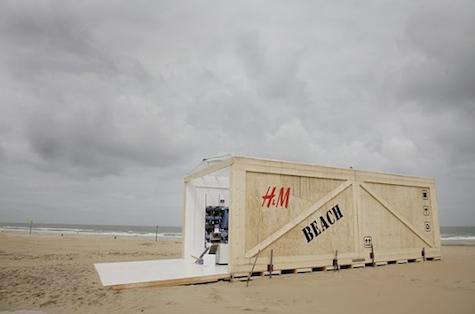
There are stores you walk into, and then there are stores that feel like they washed ashore with a tide chart, a styling memo, and a very photogenic beach umbrella. The H&M Beach Store belongs to the second category. Originally remembered as a clever pop-up concept on the sands of Scheveningen, the seaside resort near The Hague, it blended summer fashion, charitable purpose, and retail theater into one breezy little package. Imagine a shipping-container-style shop parked on the beach, filled with blue-toned swimwear, sun hats, beach chairs, umbrellas, and vacation clothes. It was part boutique, part postcard, and part reminder that shopping can sometimes carry a bigger message than “Do I need this kaftan in three colors?”
This shopper’s diary looks at the charm of the H&M Beach Store, what made the concept memorable, and why it still feels relevant in the age of pop-up retail, resort dressing, sustainable-material conversations, and summer wardrobes that must survive sand, sunscreen, iced coffee, and the occasional beach-chair wrestling match.
What Was the H&M Beach Store?
The H&M Beach Store was a temporary seaside retail concept designed around one beautifully simple idea: sell beachwear where people actually need beachwear. Instead of expecting shoppers to plan perfectly before arriving at the shore, H&M brought vacation essentials directly to the sand. The original concept was staged for a short run and featured H&M’s WaterAid beachwear collection, a range centered on shades of blue, the color of water and, conveniently, the color most likely to make any beach display look instantly editorial.
In practical terms, the shop offered summer clothing and beach accessories for women, men, and children. Think bikinis, wrap dresses, jumpsuits, shirts, shorts, espadrilles, sun hats, beach chairs, and umbrellas. In visual terms, it was a retail mood board: pale sand, blue sea, blue garments, wooden container architecture, and enough breezy merchandising to make even the most disciplined shopper whisper, “Fine, maybe I do need a new beach tote.”
Why the Concept Worked So Well
The smartest thing about the H&M Beach Store was its location. A beach store on the beach sounds obvious, but retail often forgets how powerful obvious can be. Shoppers were already in the mindset of sun, swimming, lounging, and last-minute problem solving. Need a cover-up? There it was. Forgot a hat? Solved. Want a beach chair that matches the collection? Dangerous, but delightful.
The concept also worked because it felt useful rather than gimmicky. Pop-up shops can sometimes seem like elaborate selfies with cash registers attached. This one had a clear purpose: temporary retail designed around a real summer need. It created urgency without shouting. The limited run made it feel special, while the accessible H&M price point kept it from becoming an intimidating luxury installation where the towels look expensive enough to require insurance.
A Store Built for the Moment
Beach shopping is emotional. Nobody buys a swimsuit in the same mood they buy printer paper. Beachwear is tied to vacation, confidence, relaxation, family trips, long weekends, and the brave belief that this year, somehow, the sunscreen will not explode inside the tote. The H&M Beach Store understood that mood and met shoppers exactly where the fantasy was happening.
By putting the store in a seaside setting, H&M turned ordinary product browsing into a lifestyle experience. A blue bikini did not hang under fluorescent mall lights; it lived beside the sea. A sun umbrella was not just a product; it was part of the landscape. That is the magic of context. The same object can feel practical indoors and irresistible outdoors.
The Visual Identity: Blue, Beachy, and Brilliantly Simple
The H&M Beach Store leaned heavily into blue, and that choice did a lot of work. Blue connected the collection to water, summer, freshness, and the charitable WaterAid message. It also created an instantly recognizable visual identity. In an environment full of competing beach towels, snack kiosks, sunglasses, and sunburned tourists, a tightly edited blue palette helped the pop-up stand out without looking like it was begging for attention.
The shipping-container-style structure added another layer of appeal. It felt portable, temporary, and modern. It suggested something that had arrived just for the weekend, like a stylish cargo box full of vacation confidence. The rough simplicity of the structure balanced the softness of the clothes and accessories. That contrast gave the concept a design edge: not precious, not overbuilt, but memorable.
H&M Beachwear Then and Now
The original Beach Store reflected H&M’s longstanding strength: trend-aware fashion at approachable prices. Today, H&M’s beachwear assortment continues to cover the basics of warm-weather dressing, from one-piece swimsuits and bikini separates to cover-ups, beach dresses, accessories, and kids’ swimwear. The brand’s swim categories are built around variety, which matters because beach shoppers rarely want the same thing.
One person wants a classic black one-piece that can handle actual swimming. Another wants a bright bikini for poolside lounging. Someone else wants a breezy cover-up that can go from beach to lunch without screaming, “I am technically still wearing a swimsuit.” Parents need practical kids’ swimwear, hats, and extras that can survive sandcastle engineering, snack crumbs, and mysterious wet patches that nobody wants to investigate.
The Appeal of Mix-and-Match Swimwear
One of H&M’s strongest beachwear advantages is the mix-and-match mindset. Bikini tops and bottoms in different shapes make it easier for shoppers to build a fit that feels personal. Triangle tops, bandeau styles, padded options, high-waisted bottoms, tie-side bottoms, and sportier cuts all speak to different comfort levels and style preferences.
This matters because swimwear shopping can be oddly dramatic for such small garments. A good beach store should not make shoppers feel like they are auditioning for a sunscreen commercial. It should offer options, sizes, shapes, and styling pieces that help people feel relaxed. H&M’s broader swimwear range does that by giving shoppers room to choose coverage, color, and function.
Retail With a Cause: The WaterAid Connection
The H&M Beach Store was not just a clever sales idea. It was connected to H&M’s collaboration with WaterAid, an organization focused on access to clean water, sanitation, and hygiene. The beach setting made the message feel especially direct. Shoppers were standing beside water while supporting a campaign about water access. That kind of alignment is rare in retail and far more effective than a vague sign near a checkout counter.
The WaterAid collection’s blue theme reinforced the cause without turning the shopping experience into a lecture. That balance is important. People do not go to the beach hoping to be scolded by a mannequin. But they may respond positively to a purchase that feels cheerful, useful, and connected to a real-world issue. The best cause-related retail does not guilt-trip; it invites participation.
What Modern Brands Can Learn From the H&M Beach Store
The H&M Beach Store still offers useful lessons for retailers, marketers, and anyone who has ever tried to sell a sun hat before the customer remembers their scalp exists.
1. Put Products Where They Make Sense
Location is not just about foot traffic; it is about mindset. A beachwear store near the beach solves a problem at the perfect moment. Modern retailers can apply this thinking in many ways: activewear pop-ups near fitness events, rainwear displays during storm season, travel accessories inside airport-adjacent shops, or picnic collections near parks during summer weekends.
2. Make the Store Itself Part of the Story
The shipping-container-style format gave the Beach Store instant character. It was not simply a rack of clothing under a tent. It had architectural personality. A strong physical concept makes shoppers remember the experience long after the receipt disappears into the archaeological layer at the bottom of a tote bag.
3. Keep the Edit Tight
The Beach Store’s blue-focused collection showed the power of restraint. A limited color story and a clear seasonal purpose made the shop easy to understand. In retail, more is not always more. Sometimes more is just visual shouting. A tight edit helps shoppers make decisions faster and enjoy the process more.
4. Connect Commerce to a Bigger Idea
The WaterAid tie-in gave the pop-up emotional depth. It allowed shoppers to enjoy affordable fashion while also participating in a campaign connected to clean water. For today’s consumers, especially younger shoppers, brand values and transparency matter. A cause-related collection must feel authentic, specific, and easy to understand.
How to Shop H&M Beachwear Like a Pro
Whether you are visiting an H&M store, browsing online, or daydreaming about a modern revival of the Beach Store, a little strategy helps. Beachwear shopping is easier when you build outfits instead of buying random pieces that later stare at each other from your suitcase like strangers at a bad dinner party.
Start With the Swim Base
Choose the swimsuit first. It is the anchor of the beach look. A black one-piece is versatile and easy to style with linen pants, a sarong, or an oversized shirt. A patterned bikini brings more personality and can be paired with solid cover-ups. A high-waisted set gives a retro feel, while a sporty one-piece works for actual swimming, paddleboarding, or pretending you might paddleboard after one more iced drink.
Add a Cover-Up That Does Real Work
A good cover-up should be more than decorative. Look for pieces that can handle the walk from beach to boardwalk, pool to hotel lobby, or lake dock to lunch spot. Shirt dresses, lightweight tunics, kaftans, wrap skirts, and linen-blend layers are useful because they create an outfit quickly without requiring a changing-room negotiation.
Do Not Forget the Accessories
Accessories are where beach trips are won or lost. Sunglasses, hats, tote bags, sandals, and lightweight scarves can turn a simple swimsuit into a finished look. They also protect you from sun, sand, and the quiet panic of realizing your phone, keys, and lip balm are loose in a bag the size of a small canoe.
Sustainability and the Beachwear Conversation
No modern discussion of swimwear is complete without talking about materials. Swimwear often relies on synthetic fibers because it needs stretch, shape retention, and durability in water. H&M Group has publicly discussed goals around recycled and more sustainably sourced materials, including work involving recycled polyester and other textile innovations. That matters, but shoppers should still read product details carefully and avoid treating any single label as a magic halo.
The best approach is practical: buy what you will wear repeatedly, care for it properly, rinse swimwear after chlorine or salt water, dry it gently, and avoid overbuying. A swimsuit worn for several seasons is usually a better purchase than five impulse bikinis that retire after one mirror selfie and a dramatic elastic failure.
Why the H&M Beach Store Still Feels Fresh
The H&M Beach Store remains memorable because it combined experience, utility, affordability, design, and purpose. Many retail concepts manage one or two of those elements. Few manage all five without becoming too complicated. The Beach Store was easy to understand in one glance: here is beachwear, on the beach, in the color of water, supporting a water-focused cause. That is clean storytelling.
It also anticipated the modern appetite for pop-up retail. Today’s shoppers like discovery. They want stores that feel temporary, local, photogenic, and experience-driven. Online shopping is convenient, but it cannot fully replace the pleasure of finding something in a physical place that makes sense. Buying a beach hat from a beach pop-up feels different from adding it to a cart while sitting under office lighting next to a half-eaten granola bar.
Style Ideas Inspired by the H&M Beach Store
To channel the Beach Store mood today, think in easy blue layers. Pair a navy or cobalt swimsuit with a pale blue oversized shirt, raffia-style tote, flat sandals, and simple sunglasses. For a family beach day, coordinate without matching too aggressively. Blue swim trunks, striped kids’ swimwear, and a breezy cover-up can feel pulled together without making everyone look like they are reporting for duty on a nautical-themed sitcom.
For a resort look, try a white one-piece with a denim shirt, woven bag, and metallic sandals. For a city-to-beach day, wear linen-blend trousers over a bikini bottom with a button-down shirt and slides. The trick is to choose pieces that can move between settings. The best beach outfit should say, “I planned this,” even if the truth is, “I packed in twelve minutes while eating toast.”
Shopper’s Diary Experience: A Day at the H&M Beach Store
If I imagine stepping into the H&M Beach Store on a breezy summer morning, the first thing I notice is the color. Blue everywhere, but not in a cold or corporate way. It feels like the sea has been translated into racks, hangers, canvas chairs, and umbrellas. The store looks casual, but clearly designed. Nothing feels random. Even the beach chairs seem to know their angles.
The sand makes the whole shopping experience slower, which is a good thing. In a mall, shoppers often move with purpose, fueled by parking validation and mild fluorescent urgency. On the beach, browsing becomes softer. You pick up a wrap dress, hold it against the sunlight, and immediately picture yourself walking somewhere glamorous, even if your actual plan is to buy fries and defend them from seagulls.
The best part of the experience is how naturally the products fit the setting. A bikini is not an abstract purchase here. You can see the water from the store. You can feel the wind tugging at your shirt. You can look at a sun hat and understand, instantly, that your forehead has been living recklessly. This is retail with immediate evidence.
I would start with the swimwear rack, probably promising myself I am “just looking,” which is the shopper’s version of famous last words. The blue palette would make decision-making easier. Instead of being attacked by every neon color in the universe, I would compare shades: deep indigo, soft sky, watery turquoise, maybe a stripe or tie-dye print. A one-piece would feel practical, a bikini would feel festive, and a wrap dress would whisper that it could solve at least four outfit problems.
Then come the accessories, the true danger zone. Beach accessories look innocent because they are useful. A tote? Necessary. Sunglasses? Responsible. Sun hat? Basically healthcare with a brim. Beach chair? Well, now we are making lifestyle choices. The brilliance of the H&M Beach Store is that it turns every item into part of a complete summer scene. You are not buying objects; you are assembling a better version of your beach day.
The charitable WaterAid connection adds another layer to the shopping mood. It does not remove the fun, but it gives the moment a little weight. Standing near the sea while buying from a water-themed collection connected to clean-water access makes the message unusually clear. It is not abstract. Water is right there, glittering in the background, making its case without a PowerPoint presentation.
By the time I leave, I imagine the shopping bag contains a swimsuit, a cover-up, and possibly a hat I did not technically plan to buy. But the real takeaway is the experience. The H&M Beach Store shows how retail can feel playful, useful, and thoughtful at once. It is proof that a temporary shop can leave a long memory when it understands place, purpose, and the emotional power of summer dressing.
Conclusion
The H&M Beach Store was more than a clever pop-up. It was a compact lesson in experiential retail: put the right products in the right place, give them a strong visual identity, connect them to a meaningful cause, and let shoppers enjoy the moment. Its beachside setting, blue WaterAid collection, and container-style design made it memorable years after its short run ended.
For shoppers, the concept remains inspiring because it captures what summer fashion should feel like: easy, useful, cheerful, and just a little bit escapist. For brands, it is a reminder that great retail does not always need to be huge. Sometimes it only needs sand underfoot, a smart edit, and a swimsuit that makes someone feel ready for the water.