If you’ve ever stared at a blank backyard and thought, “This could be so much prettier,”
pergolas, arbors, and trellises are your three best friends. These garden structures don’t
just look charming in Pinterest photosthey add shade, privacy, vertical interest, and
serious curb appeal in real life. The trick is knowing which one to use where, what it’s
actually for, and how not to overload it with a 10-pound wisteria on a 2-pound frame.
In this guide, we’ll break down the differences between pergolas, arbors, and trellises,
how to choose the right structure for your yard, the best materials, smart planting ideas,
and real-world lessons from people who’ve actually lived with these features (hello,
peeling vinyl and overenthusiastic grapevines). Think of this as your friendly crash course
in garden architectureno design degree required.
What’s the Difference Between Pergolas, Arbors & Trellises?
Pergolas: Outdoor Rooms with a Breeze
A pergola is basically an open-air room. It typically has four (or more) posts and a
series of beams and rafters overhead. The roof is slatted or louvered, so you get shade,
pattern, and airflow rather than a fully solid cover. Add a dining set underneath, a
lounge area, or even a hot tub, and you’ve just created a legit outdoor living room.
Pergolas are ideal when you want to:
- Define a patio, deck, or poolside hangout zone.
- Add partial shade without completely blocking light.
- Support vines like wisteria, grapevines, or climbing roses.
- Hang features like string lights, curtains, planters, or a swing.
Arbors: Gateways and Garden Moments
An arbor is usually a smaller, freestanding structure that forms an arch or tunnel over a
path, gate, or small seating spot. Picture a romantic arch covered in roses at the
entrance to a gardenthat’s an arbor. It often has lattice sides and sometimes a curved or
apex-style top.
Arbors are perfect when you want to:
- Frame an entryway, garden gate, or pathway.
- Create a “moment” in the landscapea place to pause or take photos.
- Support lighter climbers like clematis, jasmine, or climbing roses.
- Visually separate one part of the yard from another without a solid wall.
Trellises: Vertical Workhorses
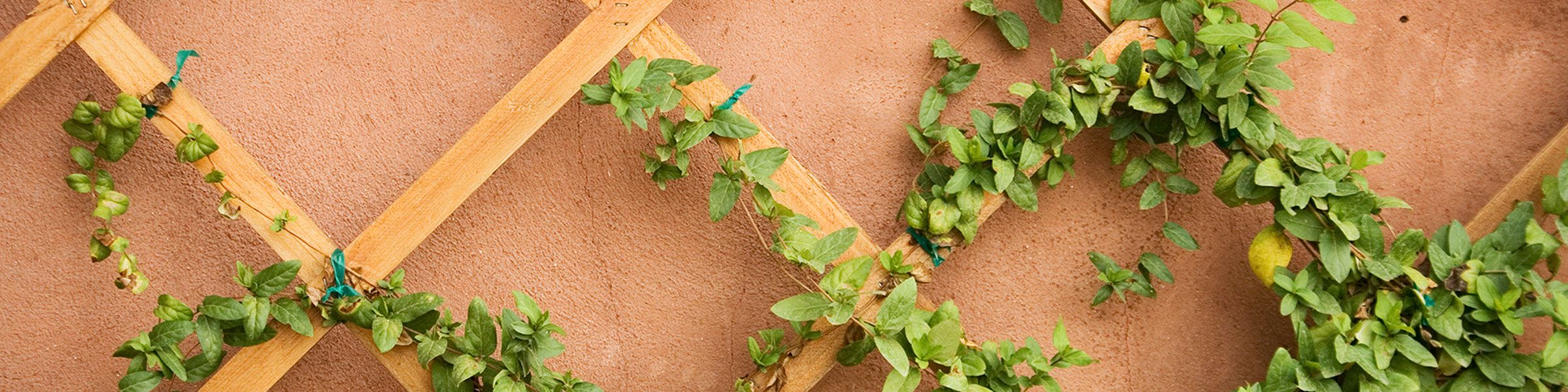
A trellis is the simplest of the threea flat or gently curved framework, often made from
wood, metal, or vinyl lattice. It can be attached to a wall or fence, or installed on
posts in the ground. Its main job: give plants something to climb so they don’t flop all
over your lawn.
Trellises shine when you want to:
- Support climbing plants in tight spaces or against walls.
- Add privacy where a full fence feels too heavy.
- Break up blank surfaces like garage walls or the side of a shed.
- Create “living screens” with ivy, climbing hydrangea, or roses.
How to Choose the Right Structure for Your Yard
Start with the Function
Before falling in love with a gorgeous pergola on Instagram, ask a boring but important
question: What do I actually need this structure to do?
-
Need shade and a place to sit? A pergola wins. It’s made to cover a
larger footprint for dining and lounging. -
Want a dramatic, romantic entrance? An arbor over a gate or path is the
classic choice. -
Trying to hide the neighbor’s garage or AC unit? A tall trellis covered
in greenery is an elegant, space-saving solution.
Think About Scale and Proportion
A tiny pergola on a huge patio looks underwhelming; a massive pergola on a small yard can
feel like a parked spaceship. As a general rule, pergolas should be tall enough to
comfortably walk under (often 8 to 10 feet), wide enough to cover your main furniture
layout, and visually balanced with the house. Arbors and trellises, on the other hand,
should feel more like accents than main buildings.
If you’re not sure, mock it up. Use painter’s tape on the patio or stakes and string in
the lawn to outline the size. Stand in the “room” and walk aroundthis quick trick often
prevents expensive regrets later.
Match the Style to Your Home
Garden structures look best when they echo details from your house:
- Clean, square posts and simple beams complement modern or farmhouse homes.
- Curved or arched tops and delicate lattice suit cottage, traditional, or Victorian styles.
- Black metal frames pair beautifully with contemporary and industrial architecture.
You don’t have to match every detail, but repeating colors, shapes, or materials (like
white trim, black hardware, or warm wood) helps everything feel cohesive instead of
random.
Materials, Maintenance & Lifespan
Wood: Classic and Warm (But Needs TLC)
Wood pergolas, arbors, and trellises have timeless charm. Cedar and redwood naturally
resist decay and insects better than basic pine, and they take stain or paint well. The
tradeoff is maintenance: expect to clean and re-stain or repaint every few years,
especially in sunny or wet climates. Skip that, and your “charming rustic look” quickly
becomes “oops, structural rot.”
Vinyl: Low-Maintenance and Clean-Looking
Vinyl structures are popular for homeowners who never want to deal with a paintbrush.
They won’t rot, and they’re easy to hose off. The downside? Vinyl often comes in preset
sizes and styles, and cheaper versions can fade or warp over time. If you go vinyl, look
for higher-quality products with UV-resistant formulations and strong internal framing.
Metal: Sleek, Strong, and Long-Lasting
Aluminum and steel pergolas and trellises are rising stars. Powder-coated metal resists
rust, looks modern, and handles heavy vines or retractable canopies well. Metal can cost
more upfront but often lasts longer with less maintenanceespecially in harsh climates
with strong UV, salt air, or heavy rain.
How Long Will It Last?
Roughly speaking:
- Well-maintained wood: 10–15+ years.
- High-quality vinyl: 15+ years with minimal maintenance.
- Powder-coated aluminum or steel: 20+ years with occasional cleaning.
The exact lifespan depends on your climate, how well the posts are anchored, and whether
you actually do that “quick yearly inspection” you promise yourself every spring.
Plants That Love Pergolas, Arbors & Trellises
For Pergolas: Big Climbers and Cascading Greenery
Because pergolas are sturdy, they’re ideal for substantial climbers and lush planting:
- Wisteria for a dramatic, dripping flower show (but give it a strong frame).
- Grapevines for shade, fruit, and a Mediterranean vibe.
- Climbing roses for romance and scent around seating areas.
- Hanging baskets with trailing plants like ivy, petunias, or sweet potato vine.
Just remember: plants add real weight. When in doubt, overbuild your pergola or go lighter
on the plant load.
For Arbors: Romantic Climbers
Arbors shine when draped in flowers and soft foliage. Popular choices include:
- Climbing roses trained up both sides and over the top.
- Clematis for showy flowers in many colors.
- Honeysuckle or jasmine for incredible fragrance.
- Morning glory as a fast-growing annual for instant coverage.
For a long blooming season, pair at least two climbers with different peak timeslike a
spring-blooming clematis plus a summer-blooming rose.
For Trellises: Vertical Screens and Living Walls
Trellises are perfect for creating vertical gardens:
- Ivy or climbing hydrangea for evergreen privacy in many climates.
- Climbing roses for color and fragrance along walls and fences.
- Vegetables like beans, peas, or cucumbers in edible gardens.
- Annual vines (sweet pea, black-eyed Susan vine) for seasonal color.
When planting against a wall, leave a small gap between trellis and wall for airflow and
easier pruning, and make sure the structure is firmly anchored to support the plant’s
weight over time.
Design Ideas to Elevate Your Outdoor Space
Create “Garden Rooms” with Structures
One of the most effective design tricks is to divide your yard into “rooms.” Use a pergola
to define the dining or lounge area, an arbor to mark the entrance to a veggie garden, and
trellises to create semi-transparent walls between spaces. You get structure and a sense
of discovery without needing actual walls.
Layer Shade and Light
Pergolas are masters of dappled light. Add a retractable canopy, outdoor curtains, or
shade panels on the sunniest side so you can adjust throughout the day. For evening
ambiance, string lights across the rafters or wrap posts with fairy lights. Lighting
transforms a basic pergola into the star of every summer gathering.
Use Trellises as Art
Don’t think of trellises as purely functional. A simple grid painted black against a light
wall can act like modern arteven before the plants fill in. Try:
- Arranging multiple narrow trellises in a pattern.
- Mixing materials, like a wooden frame with metal infill panels.
- Painting trellises to match or contrast your trim or shutters.
Planning, Permits & Practical Details
Check Local Rules Before You Build
In some areas, pergolas and larger arbors may require permits or HOA approvalespecially
if they’re attached to the house or exceed a certain height. Before you order materials,
check basic zoning rules and any neighborhood guidelines. It’s way easier than explaining
to a city inspector why your “tiny DIY project” is now a full-blown structure.
Anchoring and Footings
No matter the material, stable posts are non-negotiable. Common options include:
- Concrete footings poured below frost line (in colder climates).
- Steel post anchors set in or bolted to concrete pads.
- Ground spikes for smaller, lighter arbors and trellises (in mild climates).
Solid anchoring prevents wobble in the wind, keeps everything square, and helps your
pergola or arbor handle the extra weight of wet vines and maybe the occasional kid who
thinks the crossbeam is monkey-bar equipment (not recommended, but… real life).
Budget Tips
Costs vary widely based on material, size, and whether you DIY or hire a pro. To keep
spending sane:
- Consider a smaller pergola or a simple trellis if budget is tight.
- Use pressure-treated lumber for the structure, then dress it up with stain and plants.
- Start with one focal piecelike an arbor over the gatethen add more structures over time.
Real-Life Pergola, Arbor & Trellis Experiences
It’s one thing to see perfect photos; it’s another to live with these structures year
after year. Here’s what tends to show up in real-world experience.
The “too small pergola” problem: Many homeowners build their first
pergola just big enough for a table and four chairs. It looks fineuntil they host a
barbecue and discover everyone is halfway out in the sun. If you can, size your pergola
slightly larger than you think you need. Leave room for side chairs, a grill, or that
outdoor bar cart you’ll definitely want later.
Arbors that disappear into plants: A lush, overgrown arbor looks dreamy
in photos, but if you choose hyper-fast growers like certain honeysuckles or wisteria,
they can engulf the structure, block light, and become a pruning nightmare. Many gardeners
figure out the hard way that it’s better to pick slower or more moderate climbers, or pair
one vigorous plant with one lighter companion so the arbor doesn’t become a jungle tunnel.
Trellis regret #1: attaching it directly to the wall. People often screw
a trellis flat to the wall and then discover it’s almost impossible to get behind the
vines to prune, paint, or clean. Over time, trapped moisture can also cause issues. A
smarter move is to mount it on spacers so it sits a few inches away from the wall. You
still get the vertical garden effect, but with airflow and easier access.
Trellis regret #2: underestimating plant weight. A tiny decorative
trellis might look cute in the store, but once a mature climbing rose or grapevine moves
in, those thin little slats can warp, break, or detach. Gardeners often learn to buy
trellises like they buy laddersrated for more than they think they’ll need. If a plant is
woody, long-lived, or heavy when wet, give it a genuinely sturdy frame.
The vinyl vs. wood debate: People who choose vinyl usually love the low
maintenance but sometimes wish they had more design flexibilityvinyl kits can feel a bit
“cookie-cutter.” Wood fans adore the look but occasionally underestimate the effort of
maintenance, especially in sunny or coastal climates. A common compromise is using wood
for smaller features like arbors and trellises (easier and cheaper to replace) and
choosing metal or high-quality vinyl for big-ticket pergolas.
Wind, storms, and “I wish I’d anchored that better” moments: After a
storm, forums are full of photos of toppled pergolas, leaning arbors, and trellises that
took half the fence with them. The most satisfied owners tend to be the ones who
over-engineered from the startdeeper footings, heavier posts, and proper brackets. It’s
not glamorous, but it’s the difference between admiring your pergola after a storm and
picking it up off the lawn.
Surprising bonus benefits: Many homeowners report that once they added a
pergola, arbor, or trellis, they naturally spent more time outside. The structures make
spaces feel intentional and inviting. A simple bench under an arbor becomes the favorite
coffee spot. A pergola turns a previously blazing patio into a usable “room” from spring
to fall. A trellis with herbs or veggies becomes a daily “snack station” for kids.
The big takeaway from real-life experience: start with one structure that solves your most
annoying outdoor issuetoo much sun, not enough privacy, boring entryand build from
there. Pergolas, arbors, and trellises are incredibly flexible tools. Used well, they
upgrade your landscape, boost your home’s value, and make your outdoor spaces genuinely
more livablenot just more photogenic.
Final Thoughts
Pergolas, arbors, and trellises may seem like simple garden add-ons, but they can completely
transform how your yard looks and feels. A pergola creates an outdoor living room, an
arbor turns a path into an experience, and a trellis adds layers of greenery and privacy
without eating up precious square footage. Choose the structure that matches your goals,
climate, and style, give it solid foundations and realistic planting, and your backyard
will reward you with years of shade, flowers, and “let’s eat outside tonight” moments.