Recovering after a brain aneurysm is not one-size-fits-all medicine. It is more like a custom playlist: same genre, wildly different track order. Some people go home quickly after treatment for an unruptured aneurysm and are back to light routines in a matter of days or weeks. Others recover from a ruptured aneurysm, a brain bleed, time in the ICU, and a long stretch of rehab. Same diagnosis family, very different road trips.
That difference matters. When people search for brain aneurysm recovery, they are usually asking more than one question at once: What happens in the hospital? How long does healing take? What is normal at home? Will memory, mood, energy, or speech come back? And perhaps the biggest question of all: when will life start feeling like life again?
The honest answer is that recovery depends on whether the aneurysm ruptured, what treatment was used, whether complications occurred, and how much the brain was affected. Still, there are clear patterns. Knowing those patterns can make the process less frightening and a lot less mysterious.
Why recovery can look dramatically different
A brain aneurysm is a weak, bulging spot in a blood vessel in the brain. If it is found before it bleeds, treatment may be planned in a more controlled way. If it ruptures, it causes bleeding around the brain, often called subarachnoid hemorrhage, and that turns recovery into a much bigger medical event.
Recovery after an unruptured aneurysm
If an aneurysm is treated before it bursts, recovery is often shorter and more predictable. People may have surgery such as clipping, or an endovascular procedure such as coiling or flow diversion. In many cases, especially with minimally invasive treatment, the hospital stay is shorter, discomfort is lower, and a return to basic daily activity happens sooner. That said, “less invasive” does not mean “no recovery.” Fatigue, headaches, soreness, and anxiety are still common visitors, and they rarely ask permission before showing up.
Recovery after a ruptured aneurysm
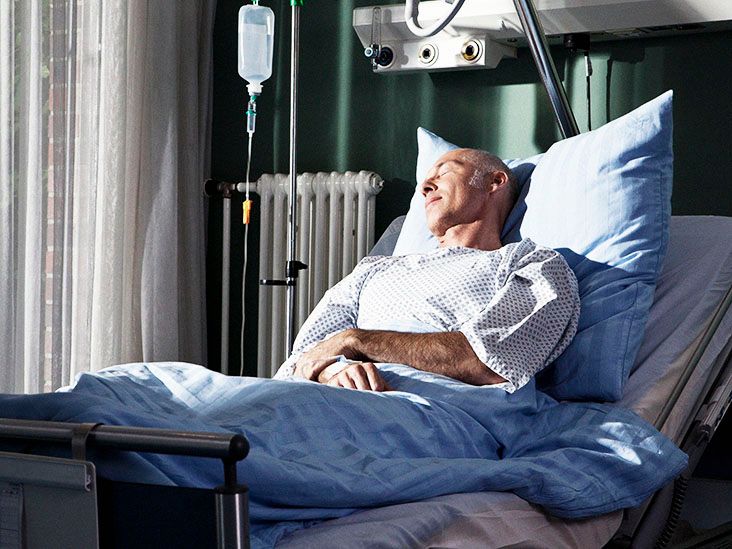
Recovery after a ruptured aneurysm is usually more complex because the person is healing from both the aneurysm treatment and the bleeding injury itself. The brain may react to the hemorrhage with swelling, hydrocephalus, delayed cerebral ischemia, seizures, severe headaches, confusion, and weakness. That is why the first chapter of recovery often happens in a neuro ICU, not on a recliner with a fluffy blanket and a well-meaning casserole.
Recovery in the hospital: what usually happens first
1. Securing the aneurysm
The first priority is preventing another bleed. Doctors typically do this with surgical clipping or an endovascular treatment such as coiling, stent-assisted treatment, or flow diversion, depending on the aneurysm and the patient’s overall condition. In a rupture, speed matters. The goal is to secure the aneurysm as soon as it is safe and feasible, because rebleeding can be devastating.
2. ICU monitoring
After treatment, many patients spend time in the intensive care unit. This can sound terrifying, and admittedly it is not exactly a spa, but the purpose is careful monitoring. Nurses and physicians check brain function, blood pressure, breathing, fluid status, pain, and signs of complications. Some patients need oxygen, drains, seizure medication, or medicines such as nimodipine to help reduce the risk of delayed complications after a subarachnoid hemorrhage.
Family members are often surprised by how much “watching” goes into brain aneurysm recovery. But this is not passive watching. It is strategic watching. The medical team is looking for changes in speech, strength, alertness, headaches, fever, sodium balance, infection risk, and blood vessel spasm. In other words, they are trying to catch trouble before trouble gets ideas.
3. Early movement and basic function checks
As soon as it is safe, the team begins assessing walking, swallowing, speech, memory, and self-care skills. This is where physical therapists, occupational therapists, and speech-language pathologists often step in. A person may look “pretty good” to visiting relatives, yet still have trouble with balance, focus, word-finding, or multitasking. Brain recovery loves subtle plot twists.
4. Discharge planning
Before discharge, the care team decides what comes next. Some people go straight home. Others need inpatient rehab, skilled nursing support, or home therapy. A safe discharge plan usually covers medications, incision or groin-site care, blood pressure management, activity restrictions, follow-up imaging, transportation needs, and warning signs that require urgent care.
Recovery at home: the part nobody can do on autopilot
Going home is a big milestone, but it is not the finish line. It is more like leaving the tutorial level and discovering the game is still very much on.
The first couple of weeks at home
In the early days at home, fatigue is one of the most common complaints. Even people who look physically well may feel wiped out after a shower, a short walk, or answering three texts in a row. Headaches may linger. Memory may feel slippery. Attention can be fragile. Some people feel dizzy, emotionally raw, or unusually sensitive to noise and light.
If treatment was done through the groin or wrist, there may also be bruising or soreness at the access site. If there was open surgery, the incision may be tender, the scalp may feel strange, and sleeping comfortably can become a surprisingly creative project.
At home, the usual advice is simple but important: take medications exactly as directed, avoid smoking, keep blood pressure under control, don’t rush back into strenuous activity, and ask the care team before driving, exercising hard, returning to work, or resuming anything that sounds like it would make your neurosurgeon raise one eyebrow.
Weeks 3 through 6 and beyond
For some patients, especially after treatment of an unruptured aneurysm, this is the stretch when life starts looking more normal. Energy improves. Walking gets easier. The brain fog thins out. Driving and light routines may resume if the medical team clears them.
For survivors of a ruptured aneurysm, the timeline is often longer. Recovery may continue for months, and sometimes more than a year. Progress is rarely dramatic from one day to the next. It tends to be annoyingly subtle. You notice it when stairs feel less dramatic, when reading no longer feels like alphabet soup, or when folding laundry stops feeling like a graduate seminar in executive function.
Common symptoms during brain aneurysm recovery
Physical symptoms
Common physical issues can include headaches, fatigue, weakness, dizziness, balance trouble, sleep disruption, reduced stamina, and soreness after surgery or catheter-based treatment. Some patients also deal with vision changes or sensitivity to bright light, at least for a while.
Cognitive symptoms
This is the part many families underestimate. Recovery is not only about walking and wound healing. Many patients report slow thinking, poor concentration, short-term memory problems, word-finding trouble, and mental fatigue. A ten-minute phone call may feel harder than a ten-minute walk.
Emotional symptoms
Anxiety, irritability, grief, mood swings, and depression can all be part of recovery. That does not mean someone is weak, ungrateful, or “not trying hard enough.” It means they had a serious neurological event and their brain and nervous system are still recalibrating. Mental health care is not extra credit here. It is part of recovery.
Rehabilitation: where improvement becomes more intentional
Rehab after a brain aneurysm may include physical therapy, occupational therapy, speech therapy, neuropsychology, counseling, and structured cognitive rehabilitation. The goal is not just survival. The goal is function.
Physical therapy can help with walking, balance, endurance, and strength. Occupational therapy works on dressing, cooking, bathing, visual scanning, coordination, and safe return to home routines. Speech therapy is not just for speech. It can also help with swallowing, memory strategies, attention, and communication. Counseling or psychotherapy can help patients and caregivers process the emotional whiplash that often follows a rupture.
Rehab is especially important because some deficits are invisible. A person may sound normal in conversation yet struggle to plan a meal, manage medications, follow a schedule, or tolerate noisy environments. These are real neurological issues, not laziness wearing a disguise.
What helps recovery at home
Build a quieter, safer routine
Rest matters, but total bed rest is usually not the goal unless the medical team says otherwise. Most patients do better with gentle structure: short walks, regular meals, hydration, scheduled meds, and predictable sleep. A calm home setup with fewer tripping hazards, good lighting, and less sensory overload can make a big difference.
Use supports without shame
Medication reminders, written schedules, pill organizers, ride help, meal prep, and family check-ins are not signs of failure. They are smart tools. The brain is healing. Let it outsource a little.
Protect blood pressure and vessel health
Controlling blood pressure, not smoking, eating well, and following medical advice about alcohol, exercise, and other risk factors all matter after a brain aneurysm. Long-term follow-up is part of recovery, not a side quest.
Keep follow-up appointments
Follow-up imaging may be needed to make sure the treated aneurysm remains secure and to monitor for recurrence, regrowth, or other aneurysms in some patients. Skipping follow-up because you “feel fine” is a risky bargain.
When to call the doctor and when to call 911
Patients and families should contact the care team right away for fever, wound problems, new swelling or bleeding at the catheter site, severe or worsening headaches, repeated vomiting, a new seizure, increased confusion, or any fresh weakness, numbness, speech change, or fainting episode.
Call 911 immediately for symptoms that suggest another neurological emergency, especially a sudden thunderclap headache, collapse, seizure, loss of consciousness, trouble speaking, facial droop, or sudden weakness on one side.
What recovery often feels like in real life: experiences patients and families describe
Talk to enough survivors and caregivers, and you start hearing the same theme in different words: recovery is deeply physical, but it is also strangely emotional and wildly uneven. One patient may remember the ICU monitors and the endless interruptions for vital signs. Another remembers the first successful walk to the bathroom like it was an Olympic event. Another mostly remembers being exhausted by everything, including conversations that were supposed to be “encouraging.”
Many survivors describe the early hospital days as a blur. Time gets weird after a brain bleed. Sleep is broken. Nurses wake you to check pupils and orientation. There may be headaches, nausea, weakness, or frustration over how little control you have. Family members are often stunned by the contrast between relief and fear. Relief that treatment happened in time. Fear because nobody can promise an exact outcome on a convenient schedule.
At home, people often expect a steady upward climb. Instead, they get a messier pattern. Monday feels promising. Tuesday feels like a betrayal. Wednesday is decent. Thursday is nap city. This is common. Healing brains do not always move in straight lines, and overdoing it can make symptoms flare. Patients often say they learned to treat energy like a budget. Spend all of it in the morning, and by afternoon your brain files a formal complaint.
Another common experience is the mismatch between appearance and reality. Someone may look healthy, especially after an endovascular procedure with minimal visible scarring, while still dealing with memory lapses, mental slowness, anxiety, or sensory overload. That can be lonely. Friends may say, “You look great,” and mean well. The survivor may think, “Thanks, I forgot why I walked into the kitchen and cried because the grocery store was too loud.” Both things can be true.
Caregivers go through their own version of recovery too. They often become the scheduler, chauffeur, medication referee, emotional shock absorber, and unofficial interpreter of discharge paperwork. The best support usually looks practical: rides, meals, quiet companionship, help managing appointments, and patience when progress is slower than everyone hoped.
Survivors frequently say the wins that matter most are surprisingly ordinary. Brushing teeth without help. Taking a shower safely. Walking without a device. Holding a baby. Reading a chapter and remembering it. Driving again for a short trip. Returning to work part-time. Laughing without immediately thinking about what almost happened.
Emotionally, many people live with a mix of gratitude and grief. They are thankful to be alive, but also mourning the ease they used to have. Some worry about recurrence. Some become hyperaware of every headache. Some need counseling to process anxiety or depression, and that can be one of the smartest moves in the entire recovery period.
The encouraging part is that improvement often continues longer than patients expect. Not forever, not magically, and not always completely, but meaningfully. Recovery after a brain aneurysm can be slow, humbling, and maddeningly non-linear. It can also be full of real gains. Sometimes the comeback arrives with fireworks. More often, it shows up quietly, in ordinary moments that start feeling possible again.
Final thoughts
Recovery after a brain aneurysm is not just about surviving the procedure. It is about healing in stages: stabilizing in the hospital, rebuilding at home, addressing the invisible cognitive and emotional changes, and sticking with follow-up care long after the dramatic part seems over. The big picture is this: improvement is often possible, but patience is part of the treatment plan.
If there is one takeaway worth taping to the fridge, it is this: progress may be slow, but slow is not the same as stuck. Brains are remarkable. They are also stubborn. Give recovery structure, time, support, and respect, and it often gives something back.