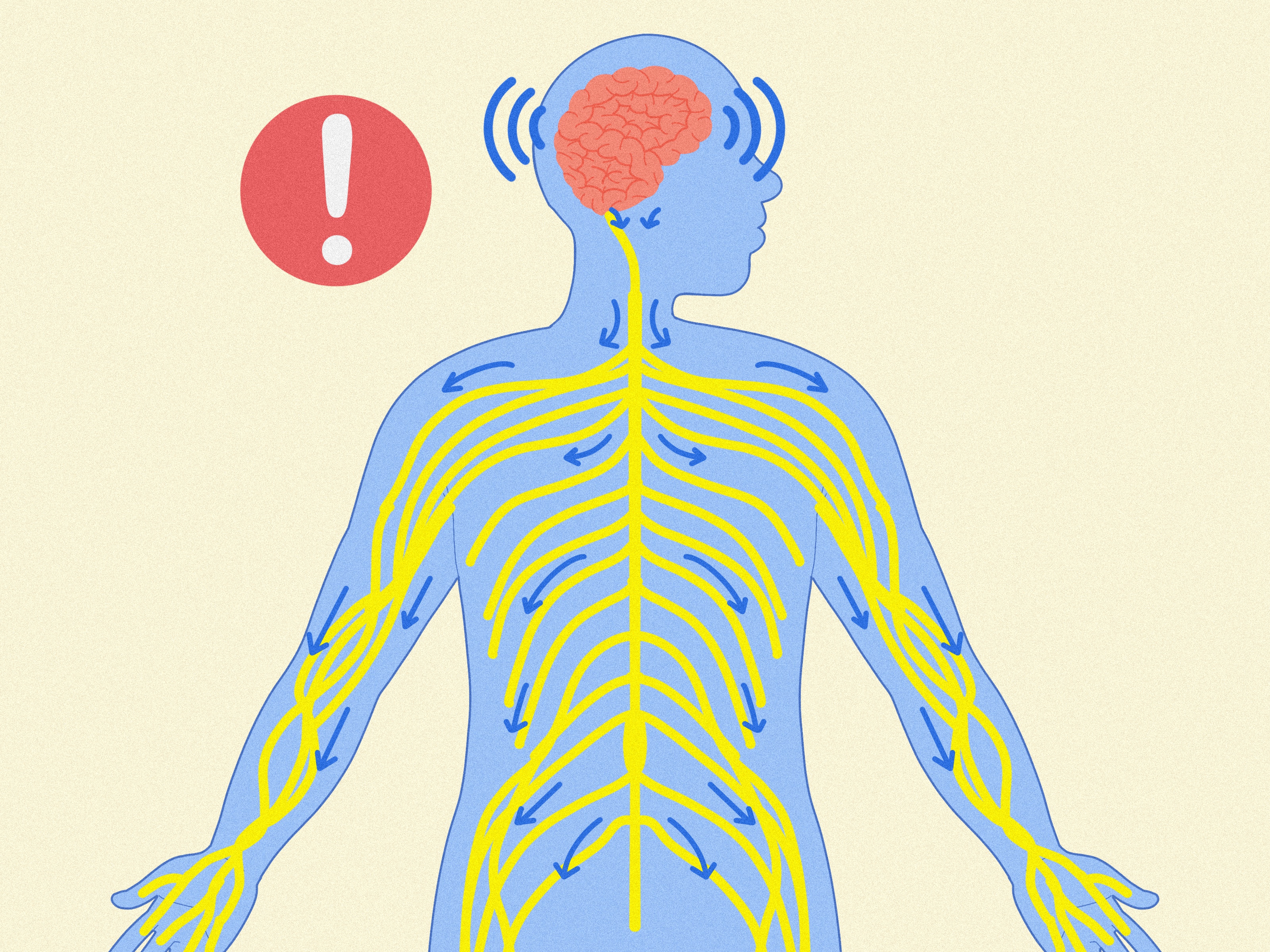
When excessive daytime sleepiness turns an ordinary afternoon into an ongoing negotiation with your eyelids, a healthcare professional may consider a wakefulness-promoting medication. Two commonly discussed options are Provigil and Nuvigil. Their names sound like members of the same pharmaceutical familyand chemically, they practically arebut they are not identical twins.
Provigil contains modafinil, while Nuvigil contains armodafinil. Both are prescription medications approved to improve wakefulness in adults with narcolepsy, obstructive sleep apnea, or shift work disorder. Neither drug cures these conditions, replaces healthy sleep, or treats the airway blockage responsible for obstructive sleep apnea. Think of them as tools for managing persistent sleepiness, not permission slips for skipping bedtime indefinitely.
Provigil vs. Nuvigil at a Glance
| Feature | Provigil | Nuvigil |
|---|---|---|
| Active ingredient | Modafinil | Armodafinil |
| Drug composition | Equal mixture of R-modafinil and S-modafinil | R-modafinil only |
| Approved uses | Narcolepsy, obstructive sleep apnea-related sleepiness, and shift work disorder | Narcolepsy, obstructive sleep apnea-related sleepiness, and shift work disorder |
| Typical adult dose | 200 mg once daily | 150 mg to 250 mg once daily |
| Available brand strengths | 100 mg and 200 mg | 50 mg, 150 mg, 200 mg, and 250 mg |
| Controlled substance status | Schedule IV | Schedule IV |
| Generic available | Yes, modafinil | Yes, armodafinil |
The doses in this table are not interchangeable milligram for milligram. A 150-mg armodafinil tablet is not simply a smaller version of a 200-mg modafinil tablet. Prescribers select the medication and dose according to the diagnosed sleep disorder, medical history, response, side effects, and other drugs being used.
What Is the Main Difference Between Provigil and Nuvigil?
The central difference is chemical composition. Modafinil is a racemic mixture, meaning it contains equal amounts of two mirror-image forms called the R- and S-enantiomers. Armodafinil contains only the R-enantiomer.
The R form remains in the body longer than the S form. Once modafinil has been taken repeatedly, most of the circulating medication later in the dosing period is already R-modafinil. Armodafinil removes the shorter-lived S component from the equation and delivers only the longer-lasting form. Pharmacokinetic studies have found higher armodafinil concentrations later in the day when equal milligram doses are compared. However, that does not prove that Nuvigil is universally stronger, better, or more effective for every patient.
Does Nuvigil Last Longer?
Nuvigil may provide more sustained exposure later in the dosing interval, which can be useful when sleepiness tends to break through in the late afternoon or near the end of a night shift. Provigil also has a relatively long effective half-lifeabout 15 hours after repeated dosingand may comfortably cover the waking period for many patients.
Duration is not determined by laboratory numbers alone. Meal timing, liver function, age, dose, metabolism, other medications, and individual sensitivity can all change how quickly an effect begins and how long it feels noticeable. For one person, armodafinil may feel smoother into the evening. Another may find that modafinil provides adequate daytime alertness with less difficulty falling asleep later.
What Conditions Do Provigil and Nuvigil Treat?
Narcolepsy
Narcolepsy can cause overwhelming daytime sleepiness and unintended sleep episodes. Both medications can improve wakefulness, but they do not address every possible narcolepsy symptom. For example, a person with cataplexy, disrupted nighttime sleep, or sleep paralysis may need additional treatment.
Obstructive Sleep Apnea
Provigil and Nuvigil may be prescribed when clinically significant sleepiness continues despite appropriate treatment for obstructive sleep apnea. They do not open a blocked airway or replace continuous positive airway pressure therapy, an oral appliance, weight-management treatment, surgery, or another intervention recommended for the underlying obstruction.
A person who feels more alert after taking one of these medications may still experience harmful breathing interruptions without adequate OSA treatment. Feeling awake is not the same thing as having normal overnight oxygen levelsyour brain can be optimistic, but a sleep study is less easily impressed.
Shift Work Disorder
Shift work disorder involves insomnia or excessive sleepiness associated with working during the body’s usual sleeping period. Provigil or Nuvigil is generally taken approximately one hour before the work shift when prescribed for this condition. A diagnosis involves more than simply disliking Monday mornings; the sleep disturbance must be meaningfully connected to the work schedule.
Current sleep-medicine guidance supports wakefulness-promoting therapy as one potential component of treatment for defined hypersomnolence disorders. Scheduling strategies, planned sleep, appropriately timed light exposure, and management of other sleep problems may remain important.
Provigil and Nuvigil Dosages
Typical Provigil Dosage
For narcolepsy or obstructive sleep apnea-related sleepiness, the labeled Provigil dosage is 200 mg once daily in the morning. For shift work disorder, the recommended dose is 200 mg approximately one hour before the shift begins. Although doses as high as 400 mg per day have been tolerated in studies, the prescribing information reports no consistent additional benefit beyond 200 mg.
Typical Nuvigil Dosage
For narcolepsy or obstructive sleep apnea-related sleepiness, the labeled Nuvigil dosage is 150 mg to 250 mg once daily in the morning. For shift work disorder, the recommended dosage is 150 mg approximately one hour before the shift. In OSA studies, 250 mg did not consistently provide additional benefit beyond 150 mg.
Both drugs can be taken with or without food. Food may delay the time required to reach peak concentrations, especially with armodafinil, potentially shifting when the medication’s effects are noticed. Taking either medication too close to the intended sleeping period can make falling asleep more difficult. Dose reductions or closer monitoring may be appropriate for older adults or people with severe liver impairment.
Which Medication Is More Effective?
Both drugs have demonstrated improvements in wakefulness compared with placebo in their approved conditions. Direct evidence proving that one consistently produces better real-world outcomes than the other is limited. Many studies evaluated each medication separately rather than placing equal groups of patients in a straightforward Provigil-versus-Nuvigil contest.
Nuvigil’s later-day pharmacokinetic profile may be appealing when coverage fades too early with modafinil. Provigil may be preferred because it has a longer history of clinical use, works well for the patient, offers suitable dose options, or is favored by an insurance plan. Generic availability can make either option more affordable, although formularies, deductibles, pharmacies, and manufacturer supply can dramatically affect actual cost.
The practical winner is usually the medication that meaningfully reduces sleepiness without causing unacceptable headache, anxiety, insomnia, nausea, blood pressure changes, or other problems. Pharmaceutical sibling rivalry is entertaining in theory; in treatment, individual response gets the final vote.
Side Effects of Provigil and Nuvigil
The two medications have substantially overlapping side-effect profiles. Common effects may include:
- Headache
- Nausea or indigestion
- Dizziness
- Anxiety or nervousness
- Insomnia
- Dry mouth
- Diarrhea
- Reduced appetite
- Palpitations
Headache is especially common in clinical studies. Some reactions appear more likely at higher doses, so increasing the amount does not necessarily create a cleaner or more useful effect. It may simply invite headache and insomnia to hold a joint staff meeting.
Serious Reactions Requiring Prompt Attention
Rare but potentially life-threatening skin and allergic reactions have been reported with modafinil and armodafinil. Stop taking the medication and seek urgent medical guidance if a rash develops, particularly when accompanied by blisters, peeling skin, mouth sores, facial swelling, fever, trouble breathing, swollen lymph nodes, dark urine, or yellowing of the skin or eyes.
Psychiatric reactions may include severe anxiety, agitation, aggression, mania, hallucinations, delusions, depression, or suicidal thoughts. Chest pain, abnormal heartbeat, shortness of breath, or a significant rise in blood pressure also warrants medical evaluation. People with a history of psychosis, mania, depression, cardiovascular disease, or hypertension should discuss those conditions before treatment begins.
Drug Interactions and Birth Control
Both medications can affect liver enzymes involved in processing other drugs. They may reduce exposure to certain CYP3A4 substrates, including cyclosporine and some sedatives, while increasing exposure to CYP2C19 substrates such as omeprazole, diazepam, phenytoin, and certain antidepressants. Additional monitoring may be needed with warfarin.
A particularly important interaction involves steroidal or hormonal contraceptives. Provigil and Nuvigil can reduce the effectiveness of contraceptive pills, patches, rings, injections, and implants. Current prescribing information recommends an alternative or additional contraceptive method during treatment and for one month after the final dose. Patients should discuss suitable contraception with a clinician rather than improvising after reading half a forum post.
Are Provigil and Nuvigil Controlled Substances?
Yes. Modafinil and armodafinil are Schedule IV controlled substances in the United States. This classification recognizes accepted medical uses alongside a potential for misuse, abuse, or dependence. They should be stored securely, taken only as prescribed, and never shared.
Neither medication is approved as an all-purpose productivity booster for studying, gaming, meeting a deadline, or surviving a weekend powered entirely by ambition and iced coffee. Using someone else’s prescription also creates risks involving unknown interactions, incorrect dosing, hidden health conditions, and counterfeit products.
Who Might Prefer Provigil or Nuvigil?
Provigil may be considered when a patient has responded well to modafinil in the past, needs its available strengths, experiences adequate all-day coverage, or has better insurance access to modafinil. Nuvigil may be considered when later-day wakefulness is a priority, when armodafinil’s dose range offers useful flexibility, or when modafinil’s effects appear to fade earlier than desired.
A prescriber may avoid or use additional caution with either drug when there is a previous allergic reaction to modafinil or armodafinil, serious heart disease, uncontrolled blood pressure, severe psychiatric symptoms, pregnancy, significant liver impairment, or a history of substance misuse. Because the medications are closely related, an allergic reaction to one generally makes switching casually to the other inappropriate.
Everyday Experiences With Provigil and Nuvigil
Medication studies measure sleep latency, symptom scores, adverse events, and clinical improvement. Daily life adds messier questions: Can someone finish a commute without fighting sleep? Does alertness last through the final hours of a shift? Can the person still fall asleep afterward? Does the benefit feel natural, edgy, gradual, or barely noticeable?
Consider a composite example involving an office employee with treated obstructive sleep apnea. The person uses CPAP consistently, but afternoon meetings still feel like documentaries narrated by a warm fireplace. After starting prescribed modafinil, the employee may notice fewer episodes of head-nodding and better concentration through the early afternoon. The medication does not produce limitless energy. It simply creates enough distance from sleepiness to participate normally. If alertness fades before the drive home, a clinician might review CPAP data, total sleep time, dose timing, other medications, and whether armodafinil could provide steadier late-day coverage.
A second composite experience might involve a hospital employee with shift work disorder. Armodafinil taken before a night shift may reduce the overwhelming sleepiness that previously peaked around 3 a.m. The worker may feel more consistently awake near the end of the shift, but taking the dose too late could make daytime sleep difficult. Curtains, noise control, caffeine timing, and a protected sleep schedule remain essential. The tablet cannot persuade a neighbor’s lawn mower to respect circadian biology.
Some patients describe the desired effect as “feeling normally awake” rather than stimulated. Others notice tension, a faster heartbeat, reduced appetite, irritability, or an unpleasant sense of being mentally awake while physically tired. That last experience matters. A medication can reduce the sensation of sleepiness without correcting accumulated sleep loss. People should not assume they are safe to drive merely because they feel somewhat brighter.
Headaches may be most noticeable during the first days of treatment or after a dose increase. A clinician may review hydration, meals, caffeine intake, blood pressure, and dosing rather than automatically concluding that the medication has failed. Persistent nausea, anxiety, insomnia, or palpitations deserve attention, especially when the treatment benefit is modest.
Tracking daily experiences can make follow-up visits more useful. A simple record might include dose time, meal time, work or sleep schedule, unplanned naps, late-day sleepiness, bedtime, estimated sleep duration, headaches, anxiety, heart rate, and blood pressure when monitoring has been recommended. Instead of reporting that the medication was “kind of okay,” the patient can explain that wakefulness improved until 4 p.m. but bedtime shifted two hours later. That information gives the prescriber something concrete to work with.
Switching between Provigil and Nuvigil may help some patients, but the experience is not predictable. A person may prefer armodafinil’s smoother late-day coverage, while another may find it lasts uncomfortably long. Someone who experiences anxiety on modafinil may experience the same problem with armodafinil because the drugs are closely related. Any switch should therefore be supervised, with the dose and timing selected by the prescribing professional rather than calculated through online milligram arithmetic.
Provigil vs. Nuvigil: The Bottom Line
Provigil and Nuvigil are closely related wakefulness-promoting medications with the same FDA-approved uses. Provigil contains both R- and S-modafinil, while Nuvigil contains only the longer-lasting R form. That difference gives armodafinil higher concentrations later in the dosing period at comparable milligram doses, but it does not guarantee better symptom control.
Choosing between them depends on the timing of sleepiness, treatment response, side effects, medical history, drug interactions, sleep schedule, insurance coverage, and management of the underlying disorder. Neither drug replaces sufficient sleep or primary treatment for obstructive sleep apnea.
Note: This article provides general educational information and is not a substitute for diagnosis, individualized medical advice, or prescribing guidance. Do not start, stop, switch, split, or change the dose of Provigil, Nuvigil, modafinil, or armodafinil without consulting the prescribing healthcare professional. Seek urgent medical care for a rash, facial swelling, breathing difficulty, chest pain, hallucinations, mania, or suicidal thoughts.