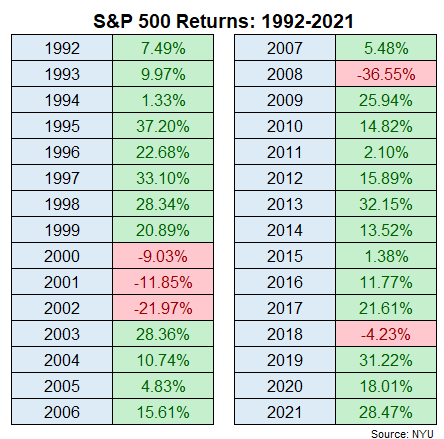
Compounding in the stock market sounds beautifully simple when it appears in a calculator. Type in an initial investment, choose a tidy annual return, wait 30 years, and watch the number rise like bread dough in a warm kitchen. Wonderful. Except the real stock market does not behave like a calculator. It behaves more like a caffeinated squirrel with a brokerage account.
The basic idea is still powerful: your returns can generate more returns over time. Dividends can be reinvested. Capital gains can stack on top of earlier gains. A portfolio that survives long enough can grow in surprising ways. But the journey is rarely smooth. Stocks fall. Recoveries arrive late to the party. Inflation eats part of the cake. Taxes take a slice. Fees nibble quietly in the corner. Investor behavior sometimes knocks the whole tray off the table.
That is why the phrase compounding in the stock market is messy deserves more respect. It is not a warning against investing. It is a reminder that real wealth building requires patience, risk management, emotional discipline, and a sense of humor sturdy enough to survive a market correction.
What Compounding Really Means in Investing
In a savings account, compounding is fairly neat. Interest is credited on a schedule, and future interest is calculated on a larger balance. In the stock market, compounding usually means something broader: investment gains, reinvested dividends, and business growth can build on themselves over time.
Imagine you invest $10,000 in a broad stock fund. If it earns 8% in one year, the account grows to $10,800. If it earns another 8% the next year, the gain is calculated on $10,800, not just the original $10,000. That second-year gain is $864 instead of $800. The difference looks tiny at first, like finding a quarter in your jeans. Over decades, however, those small differences can become life-changing.
But here comes the messy part: the stock market does not deliver 8% every year like a polite financial robot. One year might be up 25%. Another might be down 18%. A third might go sideways so long you wonder whether your portfolio has taken a vow of silence. Compounding still works, but it works through volatility, not around it.
Why Stock Market Compounding Is Not a Straight Line
The cleanest investing charts often show a smooth upward curve. They are useful for explaining the concept, but they can accidentally make investors expect smooth progress. Real portfolios are jagged. They rise, drop, recover, stall, and occasionally do something dramatic right when you were planning to feel calm.
Average Returns Can Be Misleading
One reason compounding feels confusing is the difference between average returns and compounded returns. Suppose a stock falls 50% in year one and rises 50% in year two. The average return is 0%, because -50% and +50% cancel out on paper. But your money tells a different story.
If you started with $10,000, a 50% loss takes you to $5,000. A 50% gain from there brings you to $7,500. You are still down 25%. Your spreadsheet may smile politely; your brokerage account will not.
This is why volatility matters. Losses require larger gains to recover. A 10% loss needs about an 11.1% gain to break even. A 25% loss needs about a 33.3% gain. A 50% loss needs a 100% gain. This math is not trying to hurt your feelings, but it is very committed to the job.
Volatility Drag Is Real
Volatility drag describes how ups and downs can reduce the compounded growth rate of an investment. The more extreme the swings, the harder it is for a portfolio to compound efficiently. That does not mean volatility is always bad. Stocks have historically rewarded investors partly because they are risky. But it does mean that the path of returns matters, not just the average.
A portfolio that earns 7%, 7%, and 7% over three years is very different from one that earns 30%, -20%, and 14%, even if the average looks similar. The ride matters because compounding happens on the actual balance after each return, not on the dreamy average return quoted in a brochure.
The Stock Market Rewards Patience, But Not on Your Schedule
Long-term investors often hear that time in the market beats timing the market. The idea is sensible: markets are unpredictable in the short run, and missing a handful of strong recovery days can damage long-term returns. But patience is not the same as guaranteed comfort.
The market can spend years frustrating investors. Sometimes stocks race ahead and make everyone feel like a genius. Other times, prices fall for reasons that sound like a financial weather report: inflation, interest rates, recession fears, earnings disappointment, geopolitical stress, banking trouble, valuation concerns, or the mysterious phrase “market sentiment,” which roughly translates to “everyone is nervous and nobody brought snacks.”
Compounding rewards those who can remain invested through uncomfortable periods. The catch is that staying invested is easy to recommend and hard to do when headlines are yelling, your account balance is shrinking, and your uncle is confidently explaining a strategy he learned from a comment section.
Dividends Make Compounding More Interesting
Dividends can be an important part of stock market compounding. When companies distribute cash to shareholders, investors can spend it or reinvest it. Reinvesting dividends means using those payments to buy more shares. Those additional shares can then generate future dividends and participate in future price gains.
This is one reason total return matters more than price return alone. A stock or fund may not look spectacular based only on price movement, but reinvested dividends can improve long-term growth. For broad market funds, dividend reinvestment has historically contributed meaningfully to wealth accumulation.
Still, dividends are not magic sprinkles. Companies can reduce or suspend them. Dividend-heavy stocks can underperform growth stocks for long stretches. High dividend yields may signal opportunity, but sometimes they signal trouble. A very high yield can be the market’s way of whispering, “Please read the financial statements before celebrating.”
Sequence of Returns: Same Average, Different Ending
Sequence of returns risk is another reason compounding gets messy. It refers to the order in which returns occur. For younger investors who are steadily contributing, a market decline early in the journey may be uncomfortable but potentially useful, because new contributions buy shares at lower prices. For retirees withdrawing money, the same decline can be dangerous.
Consider two investors with the same average return over a decade. One enjoys strong gains early and losses later. The other suffers losses early and gains later. If neither adds nor withdraws money, the long-term result may be similar. But if the investor is withdrawing from the portfolio, early losses can permanently damage the account because shares must be sold when prices are down. Those shares are no longer around to benefit from the recovery.
This is why retirement planning often includes cash reserves, bonds, flexible withdrawal rules, and asset allocation. The goal is not to eliminate uncertainty. The goal is to avoid being forced to sell long-term assets at the worst possible time, which is the investing equivalent of selling your umbrella during a thunderstorm.
Dollar-Cost Averaging Helps, But It Is Not a Superpower
Dollar-cost averaging means investing a fixed amount at regular intervals, such as every paycheck or every month. It can help reduce the pressure of choosing the “perfect” entry point. When prices are high, your fixed investment buys fewer shares. When prices are low, it buys more shares.
This strategy is especially useful because humans are not naturally built for calm investing. We tend to feel brave after markets rise and terrified after they fall, which is exactly backward. Dollar-cost averaging adds structure. It turns investing into a habit instead of a dramatic emotional performance.
However, dollar-cost averaging does not guarantee profits or prevent losses. If the market declines for a long period, your account can still fall. If you have a lump sum and a long time horizon, investing it all at once has often produced better results historically because markets tend to rise more often than they fall. But emotionally, many investors prefer spreading purchases over time. The best plan is often the one you can actually stick with when the market starts throwing furniture.
Fees, Taxes, and Inflation Quietly Interrupt Compounding
Compounding loves time. Unfortunately, costs also love time. A small fee may seem harmless in one year, but over decades it can take a meaningful bite out of returns. Expense ratios, advisory fees, trading costs, and fund turnover can all reduce what investors keep.
Taxes can also interrupt compounding. Selling investments in a taxable account may create capital gains. In the United States, short-term capital gains generally apply to assets held for one year or less, while long-term capital gains generally apply to assets held for more than one year. Tax rates and rules vary by income level and situation, so investors often benefit from thinking about tax efficiency before they start frantically clicking the sell button.
Inflation is another quiet opponent. A portfolio might grow in dollar terms while purchasing power grows much less. If your account earns 7% and inflation is 3%, your real return is closer to 4% before taxes and fees. That does not make investing pointless. It makes realistic expectations essential.
Diversification Makes the Mess More Manageable
Diversification means spreading money across different investments so one mistake, sector, company, or asset class does not dominate the outcome. It will not make every year positive. It will not stop your portfolio from declining during broad bear markets. But it can reduce the chance that one bad holding wrecks your long-term plan.
A diversified portfolio may include U.S. stocks, international stocks, bonds, cash, and other assets depending on goals, age, time horizon, and risk tolerance. Within stocks, diversification may include large companies, small companies, different sectors, and different investment styles.
Some investors think diversification is boring. They are correct. That is part of the charm. A well-diversified portfolio is not supposed to be the financial version of a fireworks show. It is supposed to keep you in the game long enough for compounding to matter.
Market Timing Is the Enemy Wearing a Fancy Hat
Trying to jump in and out of the market sounds appealing. Sell before the crash. Buy before the rebound. Retire on a beach. Become mysterious. The problem is that market timing requires two correct decisions: when to get out and when to get back in. Getting one right is hard. Getting both right repeatedly is extremely difficult.
Many investors sell after markets have already fallen, then wait for “clarity” before buying again. Unfortunately, clarity usually arrives after prices have recovered. The market does not ring a bell at the bottom. It does not send a calendar invite titled “Excellent Buying Opportunity, Casual Attire.”
Long-term compounding depends less on heroic predictions and more on consistent behavior: contributing regularly, controlling costs, diversifying, rebalancing, reinvesting, and avoiding panic decisions. None of that sounds as exciting as calling the next market crash, but excitement is not the same as wealth building.
A Simple Example of Messy Compounding
Let’s compare two investors, Maya and Jordan. Both invest $500 per month for 25 years. Maya invests automatically in a diversified stock fund and keeps going through market downturns. Jordan also invests, but pauses contributions whenever the market feels scary and occasionally sells after large declines.
During bull markets, Jordan may feel smart because avoiding discomfort feels like control. But over time, missed contributions and missed recoveries can reduce the power of compounding. Maya’s approach is not glamorous. She does not predict recessions on social media. She does not refresh her account 43 times per day. She simply keeps buying, reinvesting, and letting time do the heavy lifting.
The difference is not that Maya avoids volatility. She experiences every downturn too. The difference is that her plan expects volatility. Jordan treats volatility like a surprise guest. Maya already set an extra plate.
How to Make Stock Market Compounding Less Messy
Start With a Real Time Horizon
Money needed in the next few years usually does not belong fully in stocks. A down payment, tuition bill, emergency fund, or near-term expense needs stability. Stocks are better suited for long-term goals because they need time to recover from downturns.
Use Asset Allocation Before Motivation Fades
Asset allocation is the mix of stocks, bonds, cash, and other investments in a portfolio. It should reflect risk tolerance and time horizon. A young investor may accept more stock exposure. Someone close to retirement may need more stability. The right mix is not the one that looks best in a backtest. It is the one you can hold during a bad year without turning into a human smoke alarm.
Reinvest When It Makes Sense
Reinvesting dividends and capital gains can support compounding, especially for investors who do not need current income. In retirement, taking dividends as cash may be reasonable. During accumulation years, reinvestment often gives compounding more fuel.
Control What You Can Control
You cannot control next year’s market return. You can control savings rate, diversification, fees, taxes, rebalancing, and behavior. That list may not sound thrilling, but it is where much of the real work happens.
Common Mistakes That Break Compounding
The first mistake is chasing hot performance. Investors often buy what recently went up, assuming it will keep going. Sometimes it does. Sometimes it falls immediately, because the market has a dark sense of comedy.
The second mistake is selling during panic. A temporary decline becomes a permanent loss when an investor sells and never returns. This is one of the most common ways people interrupt compounding.
The third mistake is ignoring fees. Paying too much for similar exposure can quietly reduce long-term returns.
The fourth mistake is confusing speculation with investing. Buying a diversified fund for a 30-year goal is different from betting heavily on one trendy company because everyone online is suddenly a genius. Concentrated bets can work, but they can also fail spectacularly.
The fifth mistake is expecting certainty. The stock market does not owe investors a smooth ride. Compounding is powerful precisely because investors must endure uncertainty to receive long-term rewards.
Personal Experiences and Practical Lessons: Living With Messy Compounding
Anyone who has invested through a few market cycles learns that compounding feels obvious in hindsight and confusing in real time. Looking backward, the chart may show decades of growth. Living through it, however, feels like a series of tests. One month your portfolio hits a new high. The next month, a scary headline appears and your gains shrink. Then the market recovers, but only after you have spent several weeks reconsidering every life decision since high school.
One practical experience many long-term investors share is that the early years feel strangely unrewarding. You save, invest, reinvest dividends, and the balance still seems small. A 10% return on $2,000 is only $200. Nice, but not exactly yacht money. This is where many people underestimate compounding. The first stage is slow because the principal is small. The later stage becomes more exciting because returns are working on a larger base. The snowball looks unimpressive at the top of the hill. Give it slope, time, and fewer interruptions.
Another lesson is that downturns are easier to accept before they happen. Everyone says they are a long-term investor during a bull market. It is almost suspiciously easy. The real test comes when the account is down 20% and the financial news sounds like it was written by thunderclouds. Investors who survive those periods often have a written plan. They know their target allocation. They know why they own each investment. They know how much cash they need. Most importantly, they know that fear is not a strategy, even when fear has excellent timing.
Regular contributions can also change how investors experience volatility. If you are still building wealth, a falling market can be emotionally uncomfortable but mathematically useful. Your monthly investment buys more shares at lower prices. This does not mean you should hope for crashes. It means that downturns are not automatically enemies when your time horizon is long and your income is stable. They can be part of the accumulation process, like rainy days for a farmer. Annoying? Yes. Necessary? Often.
Rebalancing is another habit that sounds boring until it saves you from yourself. When stocks rise sharply, a portfolio can become more aggressive than intended. Rebalancing trims winners and adds to underweighted assets. When stocks fall, rebalancing may require buying more stocks at uncomfortable prices. It is a disciplined way to do what investors claim they want to do: buy low and sell high. The trick is that it rarely feels good in the moment. Good investing habits often arrive dressed as mild discomfort.
One of the most underrated experiences is learning to ignore unnecessary noise. Not all financial information is useful. Some of it is entertainment wearing a tie. Daily market commentary can make long-term investors feel like they need to act constantly. But compounding generally benefits from fewer dramatic moves, not more. Checking a portfolio less often, automating contributions, and reviewing the plan on a reasonable schedule can reduce emotional mistakes.
The final lesson is humility. No investor knows the future with certainty. Great companies can disappoint. Weak markets can recover faster than expected. Expert forecasts can be wrong. Compounding in the stock market is messy because the world is messy. Businesses innovate, consumers change, rates move, inflation shifts, and investor psychology swings between “we are unstoppable” and “hide the canned beans.” The investor’s job is not to predict every twist. The job is to build a resilient process that can keep working when reality refuses to follow the brochure.
Conclusion: Messy Does Not Mean Broken
Compounding in the stock market is messy, but that messiness is not a flaw in the system. It is the price of admission. Stocks can produce long-term growth because investors accept uncertainty, volatility, and periods of genuine discomfort. The reward is not guaranteed, and it does not arrive in a straight line. But for patient, diversified, cost-conscious investors, compounding can still be one of the most powerful forces in personal finance.
The key is to stop expecting the stock market to behave like a savings account with better muscles. It is not smooth. It is not predictable. It is not always kind. But with time, discipline, reinvestment, and a plan that survives bad headlines, messy compounding can still build serious wealth.
Note: This article is for educational purposes only and does not provide individualized financial, tax, or investment advice. Investors should consider their own goals, risk tolerance, time horizon, and professional guidance before making financial decisions.