Note: This article is for educational purposes only and should not replace medical advice from a qualified healthcare professional.
Introduction: A tiny gland with a very dramatic job description
A pituitary microadenoma sounds like something that requires a microscope, a medical dictionary, and perhaps a very serious person in a white coat whispering, “Interesting.” In reality, it is a small, usually noncancerous tumor that develops in the pituitary gland, a pea-sized gland located at the base of the brain. Small? Yes. Unimportant? Absolutely not. The pituitary gland helps manage hormones that influence growth, fertility, metabolism, stress response, thyroid activity, breast milk production, and more. For something roughly the size of a green pea, it behaves like the body’s tiny executive office.
A pituitary microadenoma is generally defined as a pituitary adenoma measuring less than 10 millimeters, or less than 1 centimeter. Larger pituitary adenomas are called macroadenomas. Many microadenomas are discovered by accident during brain imaging for unrelated symptoms, such as headaches, dizziness, or sinus-like concerns. Some never cause trouble and only need observation. Others produce excess hormones and create symptoms that seem unrelated at first, which is why pituitary tumors sometimes feel like medical plot twists.
This guide explains what a pituitary microadenoma is, what causes pituitary tumors, what symptoms may appear, how doctors diagnose them, and what treatment options usually look like. We will keep the science accurate and the tone human, because nobody needs a frightening medical article that reads like a refrigerator manual.
What is a pituitary microadenoma?
A pituitary microadenoma is a small benign growth that starts in the pituitary gland. The word “adenoma” means a noncancerous tumor that forms in glandular tissue. In most cases, pituitary adenomas do not spread to other parts of the body the way cancer can. However, “benign” does not always mean “irrelevant.” A tiny tumor in the wrong hormonal control room can still cause oversized effects.
Microadenoma vs. macroadenoma
Doctors classify pituitary adenomas mainly by size. A microadenoma is smaller than 10 millimeters. A macroadenoma is 10 millimeters or larger. This size difference matters because larger tumors are more likely to press on nearby structures, including the optic nerves, which can affect vision. Microadenomas are less likely to cause pressure symptoms, but they can still cause problems if they produce too much of a hormone.
Functioning vs. nonfunctioning tumors
Pituitary microadenomas are also described as functioning or nonfunctioning. A functioning pituitary microadenoma produces excess hormones. A nonfunctioning pituitary microadenoma does not release enough hormone to cause a noticeable hormonal syndrome. Nonfunctioning microadenomas are often silent and may be found incidentally. Functioning microadenomas, on the other hand, can behave like a tiny employee who keeps pressing the wrong button in the hormone control room.
What does the pituitary gland do?
The pituitary gland sits below the brain and is connected to the hypothalamus, which helps regulate hormone signals. The pituitary is often called the “master gland” because it sends chemical instructions to other glands, including the thyroid, adrenal glands, ovaries, and testes. That nickname is a little dramatic, but not inaccurate.
The pituitary gland helps control several major hormones, including prolactin, growth hormone, adrenocorticotropic hormone, thyroid-stimulating hormone, luteinizing hormone, follicle-stimulating hormone, and antidiuretic hormone. When a pituitary tumor changes hormone production, symptoms may show up in the reproductive system, metabolism, mood, skin, bones, muscles, energy level, or blood pressure. This is why pituitary symptoms can look like many other conditions.
What causes a pituitary microadenoma?
In most people, the exact cause of a pituitary microadenoma is unknown. A pituitary adenoma begins when certain pituitary cells grow more than they should. Researchers understand many of the hormone effects, but the original “why did this cell group start overgrowing?” question often remains unanswered. In plain English: for many patients, it is not caused by something they ate, wore, breathed, failed to do, or accidentally Googled at 2 a.m.
Most pituitary microadenomas are sporadic, meaning they happen without a clear inherited cause. Rarely, pituitary tumors can be linked to genetic syndromes, such as multiple endocrine neoplasia type 1, familial isolated pituitary adenoma, or other hereditary endocrine conditions. These cases are uncommon, but doctors may consider them when a person has multiple endocrine tumors, a strong family history, or unusually early-onset disease.
Known and suspected risk factors
There is no strong evidence that common lifestyle habits directly cause pituitary microadenomas. They are not considered preventable in the same way some heart or lung diseases may be partly preventable. Family history and rare genetic syndromes may increase risk in a small number of people. For most patients, the diagnosis feels random because, medically speaking, it often is.
Common types of functioning pituitary microadenomas
Prolactinoma
A prolactinoma is a pituitary adenoma that produces too much prolactin. It is one of the most common hormone-producing pituitary tumors. In women, high prolactin may cause irregular periods, missed periods, infertility, reduced libido, or unexpected breast milk production. In men, it may cause low testosterone, reduced sex drive, erectile problems, infertility, or breast enlargement. Because these symptoms can feel personal or embarrassing, many people delay asking for help. The tumor, however, is not embarrassed. It is just overproducing prolactin like an intern who found the copy machine.
ACTH-producing microadenoma
Some pituitary microadenomas produce excess adrenocorticotropic hormone, or ACTH. ACTH tells the adrenal glands to make cortisol. Too much cortisol can lead to Cushing disease, a form of Cushing syndrome caused by a pituitary tumor. Symptoms may include weight gain around the trunk, rounder facial appearance, easy bruising, high blood pressure, blood sugar changes, muscle weakness, mood changes, and irregular menstrual cycles.
Growth hormone-producing adenoma
A tumor that produces excess growth hormone can cause acromegaly in adults. This condition may develop slowly and can lead to enlargement of the hands, feet, jaw, or facial features, along with joint pain, sweating, headaches, sleep apnea, and metabolic changes. Because symptoms often appear gradually, people may not notice them right away. Sometimes the clue is as simple as rings becoming tight or shoe size creeping upward when adulthood should have closed that chapter.
TSH-producing adenoma
A thyroid-stimulating hormone-producing tumor is rare, but it can cause the thyroid gland to become overactive. Symptoms may resemble hyperthyroidism, including rapid heartbeat, anxiety, weight loss, tremor, heat intolerance, and difficulty sleeping. Because thyroid problems are common and pituitary causes are uncommon, doctors usually use blood tests and imaging to sort out where the hormone signal is coming from.
Symptoms of a pituitary microadenoma
Many pituitary microadenomas cause no symptoms. When symptoms occur, they usually come from hormone overproduction, hormone deficiency, or less commonly, pressure on nearby structures. Because microadenomas are small, pressure symptoms are less common than with macroadenomas, but medical evaluation is still important if symptoms or abnormal hormone tests are present.
Possible hormone-related symptoms
- Irregular or missed menstrual periods
- Infertility or reduced libido
- Unexpected breast milk production
- Low testosterone symptoms in men
- Unexplained weight changes
- Fatigue or muscle weakness
- Blood pressure or blood sugar changes
- Changes in facial features, hands, or feet
- Heat intolerance, tremor, or rapid heartbeat
- Mood changes, anxiety, or sleep disruption
Possible pressure-related symptoms
Larger pituitary tumors are more likely to cause headaches, vision changes, or pressure effects. Still, anyone with new vision problems, severe headache, fainting, confusion, or sudden worsening symptoms should seek urgent medical care. A rare emergency called pituitary apoplexy can occur when bleeding or sudden swelling affects the pituitary gland. It is uncommon, but it is one reason doctors take sudden severe symptoms seriously.
How is a pituitary microadenoma diagnosed?
Diagnosis usually begins with a careful medical history, symptom review, physical exam, hormone testing, and imaging. Because pituitary symptoms overlap with thyroid disease, stress disorders, reproductive conditions, menopause, low testosterone, diabetes, depression, and many other issues, doctors often need more than one test to get the full picture.
Blood and urine hormone tests
Blood tests may check prolactin, cortisol, ACTH, growth hormone markers such as IGF-1, thyroid hormones, sex hormones, and other pituitary-related levels. Sometimes urine or saliva cortisol testing is used when Cushing disease is suspected. Hormone testing is not always “one and done.” Some hormones change throughout the day, and certain medications, pregnancy, stress, and medical conditions can affect results.
MRI of the pituitary gland
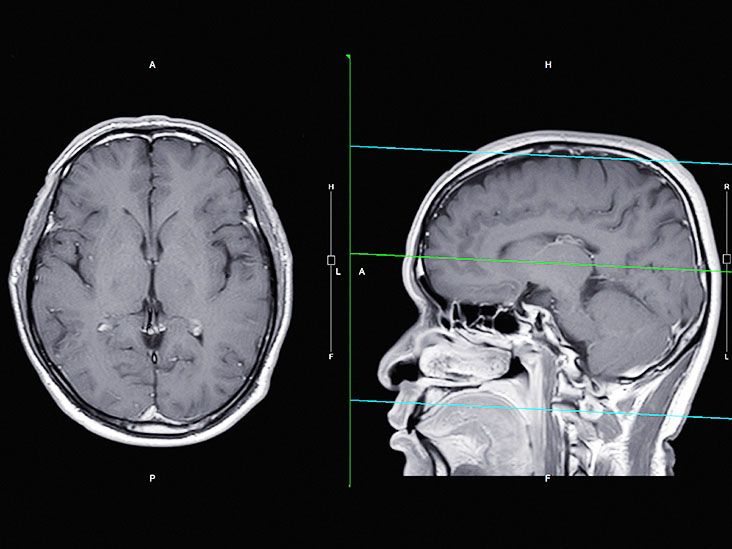
Magnetic resonance imaging, or MRI, is the main imaging test used to look for pituitary adenomas. A dedicated pituitary MRI with contrast can provide detailed views of the gland and nearby structures. Very small microadenomas can be difficult to see, so doctors interpret imaging alongside symptoms and hormone results. A tiny spot on an MRI does not automatically explain every symptom, but it is an important clue.
Vision testing
If a tumor is near the optic nerves or if a person reports vision changes, formal visual field testing may be recommended. This test checks peripheral vision and helps determine whether the tumor is affecting the visual pathway. Microadenomas usually do not cause this issue, but doctors may still check when symptoms suggest it.
Treatment options for pituitary microadenoma
Treatment depends on the type of tumor, whether it produces hormones, how large it is, whether it is growing, and whether symptoms are present. The best plan is usually created by an endocrinologist, often with input from a neurosurgeon, ophthalmologist, radiologist, or other specialists.
Observation and follow-up
If a nonfunctioning microadenoma is small, stable, and not causing symptoms, doctors may recommend watchful waiting. This usually includes repeat hormone tests and follow-up MRI scans at intervals chosen by the care team. Observation does not mean ignoring the tumor. It means monitoring it like a responsible adult watches a pot of soup: not panicking, but not leaving the kitchen forever.
Medication
Medication is often the first-line treatment for prolactinomas. Dopamine agonist medicines can lower prolactin levels and often shrink the tumor. Other hormone-producing adenomas may require medications to control hormone levels, especially before surgery or when surgery is not possible. The medication plan depends heavily on the hormone involved.
Surgery
Surgery may be recommended when a tumor causes serious hormone problems, grows, affects vision, or does not respond to medication. Many pituitary surgeries are performed through the nose using an endoscopic endonasal or transsphenoidal approach, meaning surgeons reach the pituitary without opening the skull in the traditional way. As with any surgery, risks and benefits must be discussed carefully with a specialist.
Radiation therapy
Radiation therapy is less commonly used for microadenomas but may be considered if a tumor persists, grows, or returns after other treatments. Because radiation can affect normal pituitary function over time, it is usually selected carefully and monitored closely.
Can a pituitary microadenoma go away?
Some pituitary microadenomas remain stable for years. Some may shrink with medication, especially prolactinomas. Others may require treatment if they produce excess hormones or grow. Whether a microadenoma “goes away” depends on its type, biology, and response to therapy. The most important point is that follow-up matters. A small tumor with stable labs may simply be watched, while a small hormone-producing tumor may need active treatment.
Living with a pituitary microadenoma
Living with a pituitary microadenoma often involves patience. The diagnosis can sound alarming, yet many people do very well with monitoring or treatment. The harder part is often the uncertainty: waiting for lab results, comparing MRI reports, wondering whether fatigue is hormonal or just life being life, and learning medical vocabulary nobody requested.
A helpful approach is to keep a symptom journal, save copies of lab results, write down medication names, and ask the doctor what each hormone test means. It is also reasonable to ask whether symptoms match the tumor type. For example, a mildly elevated prolactin level may have several possible causes, including medications, thyroid disease, pregnancy, stress, or a prolactinoma. Good diagnosis is detective work, not guesswork with a stethoscope.
When to contact a doctor
A person should contact a healthcare professional if they have unexplained menstrual changes, infertility, unexpected breast milk production, low testosterone symptoms, persistent headaches, vision changes, unexplained weight or body-shape changes, unusual fatigue, or symptoms suggesting hormone imbalance. Seek urgent medical care for sudden severe headache, sudden vision changes, fainting, confusion, or rapidly worsening symptoms.
Experiences and practical lessons: what people often learn after diagnosis
The experience of being diagnosed with a pituitary microadenoma often begins with surprise. Many people do not go looking for a pituitary tumor. They go to the doctor because their periods changed, their energy disappeared, their libido packed a suitcase, their headaches became suspicious, or an MRI done for another reason casually mentions a small pituitary lesion. That sentence in the radiology report can feel like someone dropped a medical firecracker into an otherwise normal Tuesday.
One common experience is the gap between how scary the word “tumor” sounds and how doctors often respond to a microadenoma. Patients may expect immediate surgery, dramatic action, and a hospital scene with urgent music. Instead, the doctor may say, “We need labs,” or “Let’s monitor it.” That can feel confusing, but it makes medical sense. Many microadenomas are small, benign, and stable. The key question is not only “Is there a tumor?” but “Is it producing hormones, growing, or causing symptoms?”
Another lesson is that hormone symptoms can be sneaky. A prolactin-producing microadenoma may show up as irregular periods, infertility, low testosterone, or sexual health changes. An ACTH-producing tumor may look like weight gain, high blood pressure, blood sugar changes, or muscle weakness. A growth hormone-producing adenoma may change facial features or ring size so gradually that old photos become part of the detective work. The body does not always send a neat memo titled “Pituitary Issue Inside.”
People also learn that one abnormal lab result is not always the whole answer. Hormones are affected by time of day, stress, sleep, medications, pregnancy, thyroid function, kidney function, and other health conditions. This is why endocrinologists may repeat tests or order specialized testing. It can feel slow, but careful testing helps prevent wrong conclusions. In pituitary care, rushing can create more confusion than clarity.
A practical tip many patients discover is to organize records early. Keep MRI reports, hormone lab results, medication lists, and symptom notes in one folder. Bring questions to appointments: Is this tumor functioning or nonfunctioning? Which hormone is abnormal? Do my symptoms match the lab pattern? How often should MRI or blood work be repeated? At what point would medication or surgery be considered? These questions turn a scary diagnosis into a manageable care plan.
Finally, many people find relief once they understand that a pituitary microadenoma is not automatically a medical disaster. It deserves respect, not panic. Some patients need medication and improve significantly. Some need surgery and recover under specialist care. Others simply need monitoring. The best experience usually comes from working with an endocrinologist familiar with pituitary disorders, asking clear questions, and remembering that small findings can be important without being catastrophic.
Conclusion
A pituitary microadenoma is a small pituitary tumor measuring less than 10 millimeters. Most are benign, and many never cause symptoms. However, because the pituitary gland controls major hormones, even a small tumor can create noticeable changes if it produces excess hormones or interferes with normal pituitary function. The most common concerns include prolactin imbalance, Cushing disease, acromegaly, thyroid-related symptoms, reproductive changes, fatigue, headaches, and, less commonly, vision problems.
The cause of most pituitary microadenomas is unknown, and they are usually not linked to lifestyle choices. Diagnosis often includes hormone testing, pituitary MRI, and sometimes vision testing. Treatment may involve observation, medication, surgery, or rarely radiation therapy. The right plan depends on the tumor’s size, hormone activity, symptoms, and growth pattern. In short, a pituitary microadenoma may be tiny, but it deserves a thoughtful medical plannot panic, not denial, and definitely not random internet doom-scrolling.