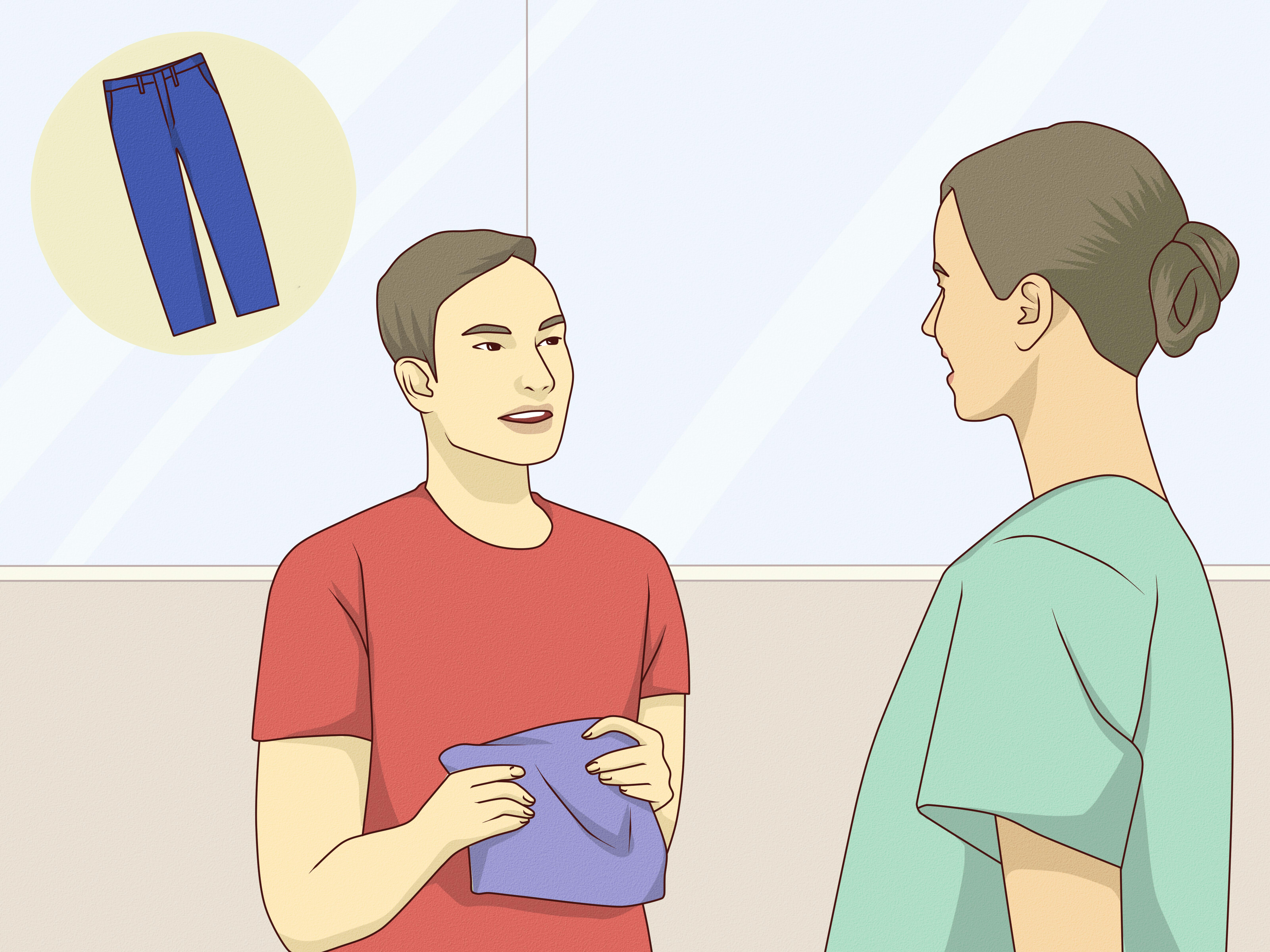
Let’s be honest: the hospital gown is not exactly winning awards for style, drama, or staying politely closed when you need it most. One minute you are trying to feel calm before a procedure, and the next minute you are wrestling with a pair of mystery strings like you are solving a textile escape room. The good news is that tying a hospital gown is usually much simpler than it looks once you know what to do.
Most hospital gowns are designed for a practical reason. They help nurses and doctors examine you, monitor your condition, start an IV, or access a treatment area without turning getting dressed into a full Olympic event. Still, “practical” does not always mean “obvious,” especially when you are nervous, sleepy, sore, or trying to tie something behind your back with one hand and a deeply unimpressed expression.
This guide walks you through how to tie a hospital gown in eight simple steps, with extra tips for comfort, privacy, and staying safe when you stand up or walk around. Whether you are changing before surgery, getting ready for a scan, or settling into a hospital room, these steps can help you feel more covered, more comfortable, and a little less like the gown is running the show.
Why Hospital Gowns Can Feel So Confusing
A standard hospital gown is built for access first. That is why many gowns open in the back, while others wrap across the side or front. Some newer versions use snaps, overlap panels, or robe-like designs, but the classic gown still shows up in plenty of hospitals and surgical centers. In plain English, it is not you. The gown really is awkward by design.
That awkwardness can create three common problems. First, it is easy to mix up which side is the front. Second, many people tie the waist first and then realize the neckline is drifting like a sail in the wind. Third, once the gown is on, they stand up too quickly or start walking without checking coverage, which can turn a small clothing issue into a comfort or safety problem.
The fix is simple: identify the gown style, tie it in the right order, and do a quick comfort check before moving around. Think of it as less “fashion styling” and more “functional wrapping with dignity still intact.”
Before You Start: 3 Quick Things to Check
1. Look at the opening
Most gowns are meant to open in the back, but not all of them do. Some wrap-style gowns cross over the front or side, and some procedure-specific gowns have openings placed where the care team needs access. Before you put it on, ask, “Which side should face the front?” That question can save you from wearing it backward like a very nervous cape.
2. Remove items that get in the way
If you are changing for surgery or another procedure, you may be asked to remove clothing, jewelry, glasses, hearing aids, or other personal items. Follow your care team’s instructions closely. If you are allowed to keep underwear, socks, or a bra on, they will tell you. If not, do not guess. Hospitals would always rather answer one quick question than have you accidentally keep on something that interferes with the test or procedure.
3. Ask for help early, not dramatically late
If you have shoulder pain, an IV line, dizziness, limited mobility, or recent surgery, ask a nurse or staff member to help before you start twisting around. There is no prize for tying a hospital gown solo while half-balancing on one foot and muttering brave nonsense.
Simple Ways to Tie a Hospital Gown: 8 Steps
Step 1: Hold the gown open and find the neck ties
Start by holding the gown in front of you and locating the top tie or ties near the neckline. These are usually thinner strings positioned near the shoulders. If the gown has both an inside and outside tie, figure out which one stays closest to your body. If the gown opens in the back, the smoother side usually faces the front of your body while the ties remain behind you.
Take a breath here. This is the orientation step, and it matters. A gown that starts off crooked tends to stay crooked, and then you spend the next ten minutes doing tiny shoulder shrugs like a confused penguin.
Step 2: Slide your arms into the sleeves
Put one arm in, then the other, and pull the gown up over your shoulders. Make sure the sleeves sit comfortably and the neckline is high enough to cover your chest. If the fabric bunches behind one shoulder or pulls across your neck, pause and adjust it now. Small fixes at this stage make the rest much easier.
If the gown has shoulder snaps instead of regular sleeves, line those up carefully. If you have an IV, drain, monitor leads, or tenderness around the arm or shoulder, ask staff to guide the gown around those areas instead of forcing the fabric into place.
Step 3: Center the gown on your shoulders
Before tying anything, make sure the gown is sitting evenly. The shoulder seams should feel balanced, and the fabric should hang down at roughly the same length on both sides. If one side is riding up or the back opening is drifting off-center, tug the gown gently until it feels stable.
This step sounds small, but it is secretly one of the best hospital gown tips. A centered gown gives you better coverage, makes the waist ties easier to reach, and reduces that annoying sensation that the whole thing is slowly escaping your body.
Step 4: Tie the neck first
Always secure the neckline before the waist. This keeps the gown from slipping down your shoulders and helps the rest of the fabric fall correctly. Reach behind your neck and tie the top strings in a bow or firm knot, depending on what is easiest to undo later. A bow is often ideal because it is secure without turning into a tiny revenge puzzle when you need to change again.
If you cannot comfortably reach the neck ties, do not strain. Ask a nurse to tie them for you. Hospitals see this every day. No one is grading your flexibility.
Step 5: Pull the back panels or wrap section into place
Once the top is secure, smooth the fabric down your front and pull the loose back panels together. If it is a wrap-style gown, bring the inner flap across your body first, then pull the outer flap over it. The goal is simple: make sure the gown covers what it is supposed to cover before you secure the lower ties.
If the gown still feels too open in the back, do not just hope for the best. Ask whether there is a second gown, robe, or blanket available. Coverage matters for comfort, warmth, and confidence, especially if you need to walk to the bathroom or hallway.
Step 6: Tie the waist securely
Now tie the waist strings. These are usually lower and longer than the neck ties. Pull them snug enough to keep the gown closed, but not so tight that the fabric digs into your stomach or makes sitting uncomfortable. A secure bow at the waist usually works best because it can be adjusted easily if you need to lie down, stand up, or shift position.
If the gown has two waist tie points, fasten both. If it only has one, center it so the back opening overlaps as much as possible. When people ask how to tie a hospital gown so it actually stays shut, this is usually the answer: not too loose, not too tight, and tied after the neckline is already stable.
Step 7: Do a coverage and comfort check
Before you move, sit down or stand in place and do a quick check. Is the neckline staying closed? Is the back still covered when you shift your shoulders? Can you sit without the waist tie pulling? If you are wearing non-skid socks or slippers, make sure the hem is not caught under your feet.
This is also the time to ask for an extra layer if you are cold. Hospital floors and exam rooms are not exactly tropical resorts. A warm blanket or second gown can make a big difference in how settled you feel.
Step 8: Ask for help before walking if you feel weak, dizzy, or connected to equipment
A tied gown is helpful, but safety comes first. If you have had medication, anesthesia, surgery, dizziness, numb feet, or an IV pole to manage, use the call light before getting up. Stand slowly. Make sure the gown is not twisted around your legs. If you need to use the bathroom, ask for help sooner rather than later so you are not doing an emergency shuffle while trying to hold the back closed with one elbow.
This step turns a good gown setup into a safer one. A properly tied gown helps, but it does not replace staff assistance when you need it.
Tips to Keep Your Hospital Gown Closed and Comfortable
If your gown feels flimsy, drafty, or determined to become a public event, try a few simple adjustments. First, keep the neck tied slightly higher rather than low and loose. That prevents shoulder slippage. Second, smooth the fabric downward before tying the waist so the overlap stays where it belongs. Third, if you are spending time out of bed, ask whether you can wear a robe, second gown, or extra blanket over it.
Another helpful trick is to keep essential items within easy reach before you sit or lie down. Put your phone, glasses, call light, tissues, and water where you can reach them without constant stretching. Reaching across the room in a hospital gown is how people accidentally untie themselves and immediately regret their optimism.
If you are expected to walk after surgery or during recovery, ask for non-skid socks or safe footwear. A gown that is tied well still needs to work with movement, and slippery floors are not impressed by your excellent bow technique.
Common Mistakes to Avoid
Tying the waist before the neck: This usually leaves the top loose and the shoulders unstable.
Making the ties too tight: A death-grip knot may feel secure at first, but it becomes irritating fast and can be hard to undo later.
Ignoring the gown style: Back-opening, wraparound, and snap gowns do not fasten the same way.
Walking without checking the hem: If the gown is long or twisted, it can catch under your feet.
Trying to power through alone: If you are weak, sore, dizzy, or attached to equipment, ask for help. Seriously. Heroic gown acrobatics are overrated.
When You Should Ask a Nurse or Staff Member to Help
Ask for help if you cannot reach the ties, if the gown keeps slipping open, if you have an IV or drain that makes dressing tricky, or if you feel faint or unsteady. You should also speak up if you are cold, uncomfortable, or concerned about privacy. Hospital staff are used to these requests, and many would much rather retie a gown in thirty seconds than have you struggle in silence for twenty minutes.
It is also smart to ask whether your procedure requires a particular gown position. Some exams need access to the back, chest, shoulder, or abdomen. In those cases, the “right” way to wear the gown may be different from what you expect.
Real-World Experiences With Hospital Gowns: What People Usually Remember
Ask almost anyone about a hospital gown and you will rarely get a glowing fashion review. What you will get are vivid memories. People remember the odd chill of the room, the paper-thin fabric, the puzzle of the ties, and the strange moment when a simple piece of clothing suddenly feels more complicated than a tax form. That is why knowing a few simple hospital gown steps can make such a difference.
One common experience is that people feel awkward before they feel informed. They are handed a gown, told to change, and left alone for a minute. In that minute, they wonder whether the opening goes in the back, whether the ties are supposed to cross, whether they can leave their underwear on, and whether everyone else in the building somehow learned this in secret school. In reality, plenty of patients feel exactly the same way. The uncertainty is normal.
Another common experience is that the gown feels manageable once the neckline is secured. Many people say the hardest part is not the waist tie at all. It is getting the top to sit correctly so the whole gown stops sliding around. Once the neck is tied, the rest becomes less chaotic. That one small step often changes the gown from “flying fabric problem” to “okay, I can work with this.”
Privacy also comes up again and again. Patients often say they do not mind wearing a gown for medical care, but they do mind feeling exposed when walking to the bathroom, sitting in a chair, or greeting family members. That is why extra coverage matters. A second gown, a robe, or a warm blanket may sound small, but it can help a person feel more like themselves and less like a collection of untied strings and paperwork.
Comfort plays a role too. People recovering from surgery, pain, or fatigue are usually not worried about looking polished. They just want the gown to stay closed, feel tolerable against the skin, and allow them to move without constant readjustment. A gown tied too tightly can dig into the waist when sitting. A gown tied too loosely can drift open when standing. The sweet spot is functional comfort, not fancy perfection.
Then there is the walking issue. Many patients remember the first trip out of bed after a procedure more clearly than the gown itself. They feel weak, cautious, maybe a little dizzy, and suddenly the gown becomes part of the safety equation. If it is twisted, too long, or barely tied, movement feels less secure. If it is centered, tied properly, and checked before standing, walking becomes much less stressful. That is one reason nurses emphasize calling for help and moving slowly.
Perhaps the most relatable experience of all is this: people often feel better once they ask a question. “Can you help me tie this?” “Is this the right way around?” “Can I have another gown?” “Can someone walk with me?” These are not difficult questions, but they can make a hospital stay feel far more humane. A hospital gown may never become anyone’s favorite outfit, but with the right help, it can at least stop being the main character of the day.
Final Thoughts
If you want the shortest version possible, here it is: identify the gown style, put it on evenly, tie the neck first, secure the waist second, check your coverage, and ask for help before walking if you feel weak or unsteady. That is the basic formula for tying a hospital gown without turning the process into unnecessary stress.
The biggest takeaway is that a hospital gown should work for your care, not against your comfort. If something feels off, say so. Hospitals may be busy places, but clear communication still matters. A well-tied gown will not fix everything, of course, but it can make you warmer, more comfortable, more private, and a lot less distracted by rebellious fabric. And on a day that may already feel overwhelming, that is a win worth taking.