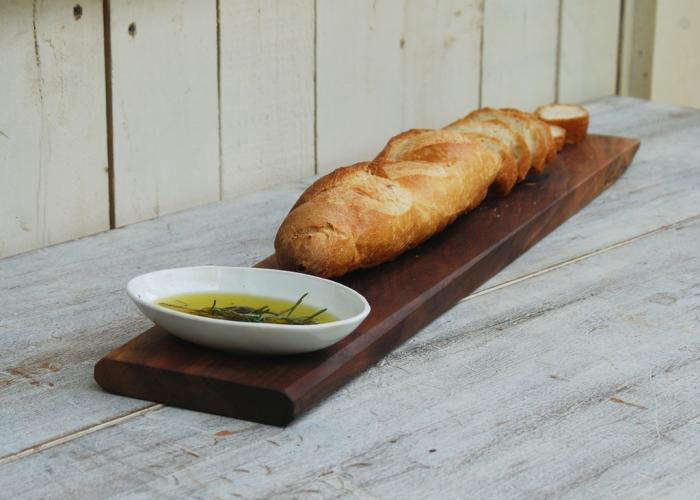
An olive bowl and baguette board sounds simple, almost suspiciously simple. A bowl of olives. A board of bread. Done, right? Not quite. When styled well, this little serving setup can become the most charming corner of the table: salty, crunchy, rustic, elegant, and just dramatic enough to make guests say, “Oh, you do this all the time, don’t you?” even if you assembled it eight minutes before the doorbell rang.
The beauty of an olive bowl and baguette board is that it does not try too hard. It is not a skyscraper charcuterie board requiring edible engineering skills. It is not a twelve-cheese tasting flight with a map and emotional support napkins. It is a relaxed appetizer board built around two timeless pleasures: briny olives and crusty baguette. Add good olive oil, a few cheeses, herbs, nuts, roasted peppers, or a small spread, and suddenly you have a Mediterranean-style snack board that feels both casual and special.
This guide explains how to choose the right board, pick olives with personality, slice and serve baguette properly, create smart pairings, care for wooden serving boards, and keep everything safe and fresh. Whether you are hosting a wine night, planning a picnic, building a holiday appetizer table, or simply making Tuesday feel less like Tuesday, the olive bowl and baguette board deserves a permanent place in your entertaining toolkit.
What Is an Olive Bowl and Baguette Board?
An olive bowl and baguette board is a serving arrangement that pairs a small bowl of olives with sliced or torn baguette on a board, tray, or platter. It can be minimal, featuring only olives, bread, and olive oil, or expanded into a fuller appetizer board with cheese, cured meats, vegetables, dips, nuts, fruit, and spreads.
The key difference between this and a traditional charcuterie board is focus. Instead of trying to include everything in the appetizer universe, the olive bowl and baguette board centers on bread and olives. The bread offers crunch and softness. The olives bring salt, richness, acidity, and a little “I summer in Provence” energy, even if your vacation plan is currently the grocery store parking lot.
This setup works because it follows a classic flavor formula: salty plus starchy, rich plus crisp, bold plus neutral. A baguette gives guests something to hold, dip, swipe, and stack. Olives add instant flavor without cooking. Together, they create a low-effort, high-reward appetizer that fits casual dinners, cocktail hours, brunch spreads, and grazing tables.
Why This Simple Board Works So Well
It Feels Elegant Without Being Fussy
A long baguette on a wooden board has natural visual drama. Add a ceramic olive bowl, a drizzle of olive oil, a few sprigs of rosemary, and maybe a wedge of cheese, and the whole thing looks curated. The secret is that the ingredients are doing most of the work. You are merely placing them where they can become famous.
It Is Easy to Scale
For two people, use one small bowl of olives and half a baguette. For a dinner party, use two baguettes, two olive varieties, and a larger board. For a holiday gathering, add cheeses, roasted vegetables, nuts, and spreads. The structure stays the same, but the volume grows with your guest list.
It Welcomes Many Diets
At its simplest, the board can be vegetarian and dairy-free. Use olives, bread, olive oil, hummus, roasted vegetables, and fresh herbs. For guests who eat dairy or meat, you can add goat cheese, brie, salami, prosciutto, or anchovy butter. The olive bowl and baguette board is flexible, which is another way of saying it does not panic under pressure.
Choosing the Right Board
A baguette board should be long enough to hold slices or a whole partially sliced baguette. Wood is the classic choice because it brings warmth and texture to the table. Acacia, maple, walnut, bamboo, and olive wood are popular options. Marble and slate look polished and keep certain items cool, but they can be heavy and less forgiving with knives.
For everyday entertaining, a medium wooden board is usually the most practical. Look for a board with enough surface area for bread and a stable spot for the olive bowl. A shallow groove can help catch crumbs or oil, while a handle makes the board easier to carry. If you plan to serve oily foods often, choose a board that is sealed or properly conditioned.
Food safety matters here. Wooden boards should be washed with hot, soapy water, rinsed, and dried thoroughly after use. Avoid soaking them in water because that can cause warping or cracking. Regularly conditioning wooden boards with food-grade mineral oil helps prevent dryness and splitting. Do not use olive oil or vegetable oil to condition a board; those oils can turn rancid and bring flavors nobody invited to the party.
Choosing the Olive Bowl
The olive bowl should be small enough to feel abundant when filled. A too-large bowl makes even a generous amount of olives look like they are attending a meeting in an empty conference room. Ceramic, stoneware, glass, and stainless steel all work well. A bowl with a slightly raised rim helps prevent olive brine from escaping onto the bread.
If you are serving olives with pits, add a second tiny bowl for discarded pits. This is not just polite; it prevents guests from performing awkward napkin origami at your table. You can also include cocktail forks, small spoons, or toothpicks so people are not fishing for olives with their fingers. A separate utensil for each dip, spread, or bowl helps reduce cross-contact and keeps the board looking fresh longer.
Best Olives for a Baguette Board
Olives are not all the same. Some are buttery, some are sharp, some are fruity, and some taste like they arrived with opinions. A good olive bowl usually includes at least two varieties for contrast.
Castelvetrano Olives
These bright green Sicilian olives are mild, buttery, and crowd-friendly. They are excellent for guests who think they do not like olives. Castelvetrano olives pair beautifully with baguette, soft cheese, almonds, and sparkling wine.
Kalamata Olives
Kalamata olives are deep purple, meaty, and rich with a tangy finish. They bring a Greek-inspired flavor to the board and pair well with feta, roasted red peppers, tomatoes, cucumbers, and oregano.
Niçoise Olives
Small and intensely savory, Niçoise olives add a French bistro feeling. Serve them with buttered baguette slices, tuna spread, herbed goat cheese, or hard-boiled eggs for a nod to salade Niçoise.
Cerignola Olives
Large, firm, and impressive, Cerignola olives are excellent when you want the olive bowl to look generous. Their mild flavor works well with sharp cheeses, citrus zest, and cured meats.
Marinated Mixed Olives
A mixed olive bowl with herbs, garlic, lemon peel, chili flakes, and olive oil brings color and aroma. Marinated olives are especially useful because they create their own flavor bridge between the bread, cheese, and other accompaniments.
How to Serve Baguette on the Board
A baguette is prized for its crisp crust and chewy interior. The classic ingredients are simple: flour, water, salt, and yeast. Because it is so simple, freshness matters. Buy the baguette the day you plan to serve it if possible. If it has lost a little crunch, refresh it in a warm oven for a few minutes, then let it cool slightly before slicing.
For an olive bowl and baguette board, slice the bread on a slight diagonal into pieces about half an inch thick. Diagonal slices create more surface area for spreads and look prettier. If the board is casual, you can tear the baguette into rustic chunks instead. Torn bread feels relaxed and encourages dipping, which is basically the social glue of appetizers.
Offer both plain and toasted options if you want more texture. Plain baguette is soft enough for cheeses and spreads. Toasted baguette, or crostini, holds up better to olive tapenade, whipped feta, tomato bruschetta, and oily toppings. Brush slices lightly with olive oil before toasting for extra flavor.
Flavor Pairings That Make the Board Shine
Olive Oil and Dukkah
Place a small dish of extra-virgin olive oil beside the olives and add a tiny bowl of dukkah, za’atar, or flaky salt. Guests can dip bread into oil, then into seasoning. It is simple, interactive, and dangerously easy to keep eating.
Soft Cheese
Goat cheese, brie, camembert, burrata, and whipped ricotta all pair well with olives and baguette. Soft cheeses balance the saltiness of olives with creaminess. Add honey or fig jam for a sweet contrast.
Hard Cheese
Aged cheddar, Manchego, Parmesan, and Gruyère bring nutty, salty depth. Cut hard cheeses into shards or small wedges so guests can grab them easily.
Vegetables and Pickles
Roasted red peppers, artichoke hearts, cherry tomatoes, cucumbers, cornichons, and pickled onions add brightness. They also help lighten a board that might otherwise lean heavily into salt and fat.
Fresh Herbs and Citrus
Rosemary, thyme, oregano, parsley, basil, lemon zest, and orange peel can make olives taste fresher and more aromatic. A few herbs tucked around the olive bowl also make the board look intentional, not like snacks fell onto wood and hoped for the best.
How to Build a Balanced Olive Bowl and Baguette Board
Start with the largest item: the baguette. Place slices in a loose line, fan, or gentle curve along one side of the board. Next, position the olive bowl slightly off-center. Off-center placement looks more natural and gives the board movement.
Add one creamy item, such as goat cheese or hummus. Then add one crunchy item, such as almonds, pistachios, or toasted chickpeas. Include one sweet item, such as grapes, dried apricots, figs, or a small dish of honey. Finally, fill empty spaces with herbs, small vegetables, or extra bread slices.
The best boards have variety in color, height, shape, and texture. Green olives, purple olives, golden bread, white cheese, red peppers, and fresh herbs create a table-ready palette. Use small bowls to contain wet ingredients, and keep dry bread away from briny items so it does not become soggy before guests arrive.
Serving Size Guide
For a light appetizer, plan on about one-quarter to one-third of a baguette per person, plus a small handful of olives. If the board is part of a larger appetizer spread, you can serve less. If it is the main snack for wine night, serve more and add protein-rich items like cheese, nuts, hummus, or cured meats.
For four people, a practical board might include one baguette, one cup of olives, one cheese, one dip, one fruit, and one crunchy snack. For eight people, use two baguettes, two cups of olives, two cheeses, one or two dips, fruit, nuts, and vegetables. The goal is abundance, not chaos. You want the board to say “welcome,” not “I blacked out in the specialty foods aisle.”
Food Safety Tips for Serving
Even a relaxed board needs smart food safety. Wash hands, boards, knives, and serving utensils before assembling. Keep perishable items such as soft cheeses, meats, cut fruits, and certain dips refrigerated until close to serving time. As a general rule, perishable foods should not sit at room temperature for more than two hours, or more than one hour when the temperature is above 90°F.
Use separate utensils for olives, dips, cheese, and spreads. If the gathering will last a long time, set out smaller portions and refill from the refrigerator. This keeps the board fresher and safer. Bread and many unopened shelf-stable items can handle room temperature better, but anything moist, dairy-based, meat-based, or cut should be treated with care.
At the end of the event, discard food that has sat out too long. It may hurt emotionally to say goodbye to that last cube of cheese, but your stomach will appreciate your maturity.
Styling Ideas for Different Occasions
Wine Night Board
Use Castelvetrano olives, Kalamata olives, baguette slices, goat cheese, fig jam, almonds, and grapes. Add a small dish of olive oil with cracked pepper. This board pairs well with Sauvignon Blanc, Pinot Noir, rosé, or sparkling wine.
Brunch Board
Serve baguette with whipped ricotta, olives, cherry tomatoes, cucumbers, smoked salmon, capers, and lemon wedges. It feels fresh, bright, and more exciting than another plate of lonely muffins.
Mediterranean Dinner Starter
Pair olives with hummus, baba ganoush, feta, roasted peppers, cucumbers, pita chips, and baguette. Add oregano and lemon zest to tie the flavors together.
Holiday Appetizer Board
Choose a darker wooden board, a white or green olive bowl, rosemary sprigs, cranberry relish, aged cheese, spiced nuts, and toasted baguette. The result feels festive without requiring you to carve anything into the shape of a snowman.
Common Mistakes to Avoid
The first mistake is using too much brine. Drain olives before serving, or they may leak across the board and soak the bread. A little olive oil is lovely; a baguette swamp is not.
The second mistake is slicing bread too early. Baguette dries out quickly once cut. Slice it shortly before serving, or cover it lightly with a clean towel. If making crostini, toast the slices in advance and store them in an airtight container once cooled.
The third mistake is forgetting balance. Olives are salty, so pair them with creamy, sweet, fresh, or mild foods. Grapes, figs, cucumbers, soft cheese, honey, and plain baguette all help keep the board from becoming a sodium parade.
The fourth mistake is overcrowding. A board should look generous but still usable. Leave enough room for guests to pick up food without knocking olives into the cheese. Appetizers should not require tiny rescue missions.
Care and Cleaning After Serving
After the board is cleared, scrape away crumbs and food residue. Wash the board with hot, soapy water, rinse it well, and dry it immediately. Let it air dry upright if possible. Never leave a wooden board soaking in the sink, and avoid putting laminated wooden boards in the dishwasher because heat and water can cause splitting.
If the board smells strongly of garlic, olives, or cheese, rub it with lemon and coarse salt, then rinse and dry. Once fully dry, apply a thin layer of food-grade mineral oil if the wood looks dull or thirsty. A well-cared-for board can last for years and develop a beautiful patina that says, “Yes, I host,” even when you mostly eat toast over the sink.
Personal Experience: What I Learned From Making an Olive Bowl and Baguette Board
The first time I made an olive bowl and baguette board, I dramatically underestimated it. I thought it would be the “filler appetizer,” the thing people politely nibbled while waiting for the real food. I placed a sliced baguette on a wooden board, added a small bowl of mixed olives, tucked in goat cheese, grapes, almonds, and a little dish of olive oil. Then I turned around for what felt like thirty seconds. When I looked back, the board had been attacked with the enthusiasm usually reserved for concert tickets and free samples.
What surprised me most was how social the board became. People were not just eating; they were building bites. One guest spread goat cheese on toasted baguette and topped it with a sliced Castelvetrano olive. Another dipped bread into olive oil, added cracked pepper, and announced that this was “basically dinner.” Someone else discovered that grapes and salty olives together were oddly perfect. The board became a tiny edible conversation starter.
I also learned that the bowl matters. When I used a deep bowl, the olives looked hidden and people ignored them. When I switched to a shallow ceramic bowl, the olives looked abundant and colorful. Guests reached for them immediately. Presentation did not change the flavor, of course, but it changed the invitation. Food that looks easy to grab gets grabbed.
The baguette taught me another lesson: texture is everything. Fresh, untoasted baguette is wonderful with soft cheese, but toasted slices are better for oily toppings and spreads. Now I usually serve both. I slice half the baguette fresh and toast the other half into crostini. This gives guests options and prevents the dreaded soggy-bottom bread situation, which sounds minor until it happens to you.
I have also become a firm believer in the “small refill” method. Instead of putting every olive, cheese wedge, and bread slice out at once, I serve a generous but manageable amount and keep backups ready. The board stays cleaner, the food stays fresher, and I feel like the kind of organized host who owns matching storage containers. Whether or not that is true is between me and the cabinet avalanche.
My favorite version now includes Castelvetrano olives, Kalamata olives, warm baguette slices, whipped feta, roasted red peppers, marcona almonds, grapes, and olive oil with lemon zest. It is colorful, salty, creamy, crunchy, and just sweet enough. It works before pasta, beside soup, with wine, or as a casual weekend lunch. The best part is that it looks thoughtful without requiring complicated cooking.
The olive bowl and baguette board has become my reliable entertaining trick because it proves a simple truth: good hosting is not always about doing more. Sometimes it is about choosing a few good ingredients, giving them space, and letting people enjoy themselves. Also, bread helps. Bread almost always helps.
Conclusion
An olive bowl and baguette board is one of the easiest ways to make a table feel inviting. It combines the rustic comfort of crusty bread with the bold, briny flavor of olives, then leaves room for cheeses, dips, fruits, nuts, vegetables, and herbs. It can be elegant or casual, small or abundant, classic or creative.
To make it work, choose fresh baguette, offer at least two olive varieties, use a practical serving board, add a few contrasting flavors, and keep food safety in mind. Drain wet ingredients, slice bread close to serving time, use separate utensils, and refresh the board as needed. With those basics, this humble appetizer becomes more than a snack. It becomes the place everyone gathers.
Simple, beautiful, flexible, and delicious, the olive bowl and baguette board is proof that great entertaining does not need to be complicated. Sometimes all you need is good bread, good olives, and the confidence to call it a board.