The Oblique White Planter is the kind of home décor object that quietly walks into a room, says nothing, and somehow makes the bookshelf look more expensive. It is simple, sculptural, bright, and usefulthe rare design piece that does not need to shout, sparkle, or wear a tiny hat to get attention. A good white ceramic planter does more than hold soil. It frames greenery, adds architectural shape, softens modern interiors, and gives your favorite plant a home that looks intentional instead of “I found this plastic nursery pot under the sink.”
In a world full of loud planters, novelty pots, and containers shaped like sleepy frogs, the Oblique White Planter takes the opposite route. It leans into clean geometry, neutral color, handmade appeal, and practical plant care. Whether placed on a sunny windowsill, a dining room console, a work desk, or a floating shelf, this planter brings together two things people rarely manage before coffee: elegance and function.
This guide explores what makes the Oblique White Planter special, how to style it, what plants work best in it, how to care for it, and why a white porcelain planter can be one of the smartest small upgrades for modern indoor gardening.
What Is an Oblique White Planter?
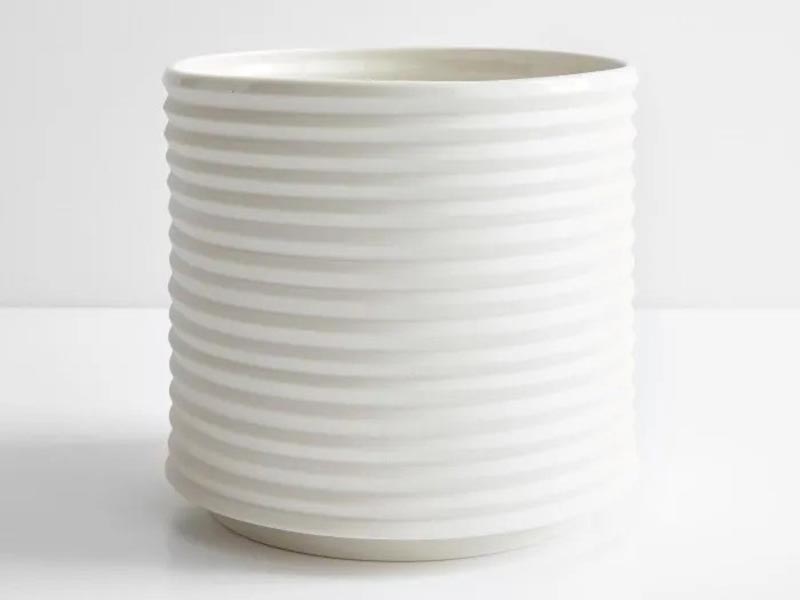
An Oblique White Planter is a modern white planter with a clean, angled, or sculptural profile. In the case of the well-known handmade version associated with ceramic artist Andrew Molleur, the design is made from porcelain, measures approximately 7.75 inches in diameter by 7.75 inches high, and combines a planter vessel with a removable water tray. The result is a piece that feels like equal parts plant container, design object, and tiny architectural flex.
The word “oblique” suggests something slanted, indirect, or angled. In design language, that means visual movement. Instead of looking like a plain cylinder that gave up after one geometry lesson, an oblique planter has rhythm. It draws the eye around the form. The ridged porcelain surface adds texture without clutter. The white finish keeps everything calm, crisp, and easy to pair with almost any interior style.
Porcelain is especially appealing because it has a refined look and a dense, smooth quality. Compared with basic plastic pots, porcelain feels more substantial. Compared with rough terracotta, it looks cleaner and more polished. Compared with metal, it does not visually compete with the plant. In other words, it lets the foliage be the star while still looking like it has a very good design degree.
Why White Planters Work So Well in Interior Design
White planters have a built-in advantage: they go with almost everything. A white ceramic planter can sit comfortably in a Scandinavian living room, a Japandi bedroom, a farmhouse kitchen, a minimalist office, or a colorful bohemian apartment where the rug is doing enough talking for everyone.
The main benefit is contrast. Green leaves look sharper against a white background. A snake plant’s vertical blades appear more graphic. A pothos vine looks fresher. A burgundy rubber plant becomes dramatic without feeling heavy. White creates a visual pause, which is especially useful in spaces with wood tones, books, textiles, artwork, or layered décor.
White also reflects light better than dark containers, helping brighten corners and shelves. That does not mean a white planter can magically turn a dark hallway into a greenhouseplants are not vampires with better lighting preferencesbut it can make a room feel airier. In small spaces, this matters. A bulky dark pot can visually shrink a corner, while a white planter tends to feel lighter.
The Beauty of the Oblique Shape
The charm of the Oblique White Planter comes from its shape. A simple round pot is useful, but an oblique form adds personality. The vertical ridges and subtle geometry create shadow lines, so the planter changes slightly throughout the day as light moves across it. Morning sun may emphasize the texture. Evening light may make it look softer. It is the kind of object that rewards a second glance.
This is particularly useful when styling indoor plants. Many houseplants have organic, irregular forms. Leaves stretch, curl, trail, lean, and generally behave like botanical freelancers. A structured planter provides balance. The plant brings movement; the planter brings order. Together, they create that satisfying “designed but not overdesigned” look.
Porcelain, Ceramic, and Why Material Matters
Material matters because planters are not just decorative shells. They affect watering, stability, cleaning, and long-term use. Ceramic and porcelain planters are popular indoors because they offer weight, durability, and a polished appearance. A heavier planter can help stabilize upright plants such as snake plants, ZZ plants, compact palms, and young fiddle leaf figs.
Glazed interiors can also be easier to clean than rough clay surfaces. A glossy interior helps reduce staining and makes it simpler to remove mineral residue or soil marks. A matte exterior, meanwhile, gives the planter a soft, contemporary look. That contrastmatte outside, glossy insideis one of those quiet design details that makes a handmade planter feel thoughtful instead of mass-produced.
However, ceramic and porcelain planters do need careful handling. They can chip or crack if dropped, knocked off a shelf, or introduced to an enthusiastic pet with parkour ambitions. They should be cleaned gently, usually by hand, with mild soap and a soft cloth or sponge. Abrasive scrubbers are not invited to this party.
Drainage: The Unsexy Feature That Saves Plants
Let us pause for the least glamorous but most important word in container gardening: drainage. Drainage is what separates a thriving houseplant from a sad green stick sitting in swamp soup. Most indoor plants dislike sitting in stagnant water because soggy roots can rot. A planter that allows excess water to escape makes plant care much easier.
The best versions of the Oblique White Planter include a separate water tray or saucer. This is practical because it catches excess water while allowing the vessel and tray to be separated. After watering, you can remove standing water rather than letting the roots sit in it. Your plant will appreciate this, even if it communicates mainly through “not dying.”
Good drainage also makes watering more predictable. Instead of guessing whether the bottom of the pot is wet, you water thoroughly, let excess moisture drain, and empty the tray. This method works well for many houseplants because it hydrates the root ball evenly while reducing the risk of waterlogging.
Best Plants for an Oblique White Planter
At around eight inches wide and tall, an Oblique White Planter is ideal for small to medium indoor plants. It is large enough to make a statement but not so massive that it requires a forklift, a landscaping crew, or a dramatic lifestyle change.
Snake Plant
A snake plant looks fantastic in a white oblique planter because its upright leaves echo the planter’s vertical lines. This pairing feels modern, clean, and nearly impossible to mess up visually. Snake plants are also forgiving, which is helpful if your watering schedule is less “botanical science” and more “sudden guilt on Sunday night.”
ZZ Plant
The ZZ plant is another excellent option. Its glossy leaves contrast beautifully with a matte white exterior. It tolerates lower light better than many houseplants and has a sculptural shape that works well with contemporary décor.
Pothos
For a softer look, try pothos. The trailing vines spill over the planter’s rim and create movement. A white container makes variegated pothos varieties, such as marble queen or golden pothos, look especially fresh.
Philodendron
Heartleaf philodendron offers a similar trailing effect, with lush green leaves that bring warmth to the planter’s clean geometry. It works well on shelves, side tables, and plant stands.
Succulents
Succulents can work beautifully if the soil drains quickly and the planter receives enough light. Use a gritty mix designed for succulents and avoid overwatering. Succulents are adorable, but they are also tiny drama queens when their roots stay too wet.
Compact Ferns
If you prefer a soft, feathery look, a compact fern can contrast nicely with the planter’s structured shape. Just remember that ferns usually need more consistent moisture and humidity than succulents or snake plants.
How to Style an Oblique White Planter
The Oblique White Planter is versatile because it functions as a neutral anchor. You can use it alone as a centerpiece or group it with other planters for a layered display.
On a Console Table
Place the planter on an entryway console with a shallow bowl for keys, a framed print, and a small lamp. The white porcelain keeps the arrangement clean, while the plant adds life. It is a simple way to make guests think you have your life together, even if your junk drawer tells a different story.
On a Bookshelf
A white planter breaks up rows of books and adds organic texture. Use it with trailing plants if you want vines to soften shelf edges. Pair it with neutral ceramics, wood objects, or black metal accents for a balanced modern look.
On a Desk
For a workspace, choose a low-maintenance plant such as a ZZ plant, pothos, or snake plant. The planter’s clean shape helps the desk feel more intentional. It will not answer emails for you, sadly, but it may make the inbox feel slightly less rude.
In a Bathroom
If your bathroom has enough natural light, the Oblique White Planter can look beautiful near a tub, vanity, or window. Humidity-loving plants may enjoy the environment. Just avoid placing porcelain where it can easily be knocked onto tile, because gravity is undefeated.
Choosing the Right Soil
Never use dense garden soil in an indoor planter. Garden soil can compact in containers, hold too much water, and reduce oxygen around roots. Instead, choose a high-quality potting mix suited to the plant. For tropical houseplants, a general indoor potting mix with perlite or bark can work well. For succulents and cacti, use a fast-draining gritty mix.
The goal is simple: moisture plus air. Roots need water, but they also need oxygen. A container mix that drains well helps prevent root rot and supports healthier growth. If your plant looks yellow, limp, or mysteriously miserable, overwatering and poor drainage are often prime suspects. They are basically the usual villains in the houseplant detective series.
Watering Tips for Indoor Planters
The best watering routine depends on the plant, the potting mix, the room temperature, light exposure, and humidity. Still, a few rules help. First, check the soil before watering. Many plants prefer the top inch or two of soil to dry before the next drink. Second, water thoroughly until excess water drains into the tray. Third, empty the tray after the plant has drained.
Avoid tiny daily splashes. They often wet only the surface while leaving deeper roots dry. Think of it like pretending to shower by misting your hair and hoping for the best. Thorough watering, followed by proper drainage, is usually better.
Also remember that plants use less water in lower light and cooler seasons. A plant that drinks quickly in July may need far less in January. Your watering routine should adjust with the seasons, not operate like a robot with a watering can and no emotional range.
How to Clean and Maintain a White Porcelain Planter
White planters look beautiful, but they do show dust, soil smudges, and mineral marks more easily than darker pots. Fortunately, porcelain and glazed ceramic surfaces are usually simple to maintain.
Use a soft damp cloth for regular dusting. For soil stains, use mild dish soap and warm water. Avoid steel wool, harsh scouring pads, or aggressive cleaners that could damage the surface. If mineral deposits appear from hard water, a diluted vinegar solution can help, but rinse thoroughly afterward and avoid leaving acidic residue near plant roots.
When repotting, clean the planter before adding a new plant. This reduces the chance of carrying over pests, old salts, or fungal issues. A clean planter is not just prettier; it is better for plant health.
Why Handmade Planters Feel Different
Handmade ceramics have character. Even when produced in a consistent form, small variations in finish, glaze, texture, or line give each piece a sense of individuality. That is part of the appeal. A handmade planter does not look like it was stamped out by a machine that also makes hotel soap dishes.
The Oblique White Planter’s handmade quality gives it warmth. The minimalist shape keeps it modern, while the porcelain material and crafted texture prevent it from feeling sterile. This balance is why handmade ceramic planters work well in both highly edited interiors and more relaxed homes.
Oblique White Planter vs. Basic Plastic Pot
A plastic nursery pot is practical, lightweight, and inexpensive. There is nothing wrong with using one. But visually, it usually says, “I was temporary, and then everyone forgot.” An Oblique White Planter feels intentional. It turns the plant into part of the room’s design.
Plastic pots are useful for drainage and easy repotting, so one smart approach is double-potting. Keep the plant in a plastic nursery pot with drainage holes, then place it inside the decorative planter. This method protects the decorative vessel, makes watering easier, and allows you to swap plants without a full repotting production. It is plant styling with an escape plan.
Where the Oblique White Planter Works Best
This planter is especially strong in spaces that need a clean focal point. Use it in living rooms, bedrooms, offices, kitchens, and covered indoor garden corners. It pairs well with wood furniture, marble surfaces, black metal shelving, neutral textiles, and colorful art.
Because it is white, it can disappear quietly into a pale room or pop against darker walls. Against navy, charcoal, forest green, or walnut wood, the contrast feels sophisticated. Against white walls, the texture and plant foliage become the main event.
Buying Tips Before Choosing a White Planter
Before buying an Oblique White Planter or a similar white ceramic planter, check four things: size, drainage, material, and placement. Make sure the planter is large enough for the plant’s root ball but not wildly oversized. Too much extra soil can hold excess moisture and increase the risk of root problems.
Next, confirm how drainage works. Does the planter have a drainage hole? Is there a saucer or tray? Can water be removed easily? Then consider the material. Porcelain and ceramic look beautiful, but they require more careful handling than plastic or fiberglass. Finally, think about where it will live. A planter placed in direct harsh sun, near heating vents, or in a low-light corner will create different care needs.
Common Mistakes to Avoid
The first mistake is choosing a planter only because it looks good. Style matters, but plants are living things, not throw pillows with roots. Drainage, size, and soil matter just as much.
The second mistake is overwatering. White ceramic planters can look so clean and serene that people assume the plant inside is equally calm. It is not. It still has needs. Check the soil before watering, and do not leave the tray full of water.
The third mistake is placing the wrong plant in the wrong light. A succulent in a dim room will stretch and struggle. A fern in hot, dry, direct sun may crisp faster than a forgotten tortilla chip. Match the plant to the location first, then enjoy the styling.
Experience-Based Notes: Living With an Oblique White Planter
After using and styling white ceramic planters in real spaces, one thing becomes clear: they are incredibly easy to design around. The Oblique White Planter, in particular, has enough shape to feel interesting but not so much personality that it starts arguing with the rest of the room. That is important. Some planters are beautiful in isolation but difficult to place. They demand a perfect shelf, perfect lighting, and maybe a personal assistant. A white oblique planter is far more flexible.
In a living room, the planter works best when paired with a plant that has strong leaf structure. A snake plant creates a crisp, architectural look. A ZZ plant brings glossy texture. A trailing pothos makes the whole arrangement feel more relaxed. If the room already has many straight linesrectangular sofa, square coffee table, framed artthe round-but-ridged shape of the planter helps soften the layout without making it look fussy.
One practical experience worth mentioning is that white planters encourage better plant care because they make mess visible. Soil spills, water marks, and dust show up quickly. That may sound like a drawback, but it can be helpful. You notice when the tray needs cleaning. You notice if hard water is leaving residue. You notice if soil is washing out after watering. Basically, the planter becomes a polite little accountability coach, except it does not send push notifications.
Another lesson is to avoid planting directly into a decorative ceramic planter unless drainage is excellent and the plant is well matched. Double-potting is often the easiest method. Keep the plant in a nursery pot, place it inside the Oblique White Planter, and remove it for watering if necessary. This protects furniture, simplifies drainage, and makes seasonal plant swaps painless. For example, you might use a fern in spring, a pothos in summer, and a sculptural snake plant year-round. The planter stays the same, while the plant changes the mood.
In small apartments, the Oblique White Planter is especially useful because it adds polish without visual weight. Dark planters can look dramatic, but they can also make shelves feel crowded. White porcelain feels lighter. It brightens a corner and gives the plant a gallery-like frame. On a floating shelf, it looks intentional. On a nightstand, it feels calm. On a kitchen counter, it makes herbs look less like groceries and more like a lifestyle choice.
For gifting, a planter like this is also safer than many décor items. You do not need to know someone’s exact color scheme, because white fits nearly everywhere. Add a low-maintenance plant and you have a thoughtful housewarming, birthday, or office gift. Just avoid pairing it with a fussy plant unless the recipient has already proven they can keep something more demanding alive. A beautiful planter with a doomed plant is not a gift; it is a slow-motion apology.
The biggest long-term advantage is timelessness. Trendy colors come and go. Novelty pots can be funny for five minutes and then become ceramic clutter. A clean white porcelain planter remains useful through décor changes, plant swaps, and room redesigns. It can move from a bedroom to a living room, from a shelf to a desk, from a minimalist setup to a layered plant corner. That flexibility is what makes the Oblique White Planter more than a container. It is a small design tool.
Conclusion
The Oblique White Planter succeeds because it does several things well at once. It is beautiful without being loud, modern without being cold, and functional without looking utilitarian. Its white porcelain finish highlights greenery, its oblique ridged form adds visual movement, and its practical tray system supports healthier watering habits.
For anyone building a calmer, greener, better-styled home, this planter is a smart choice. It works with many interiors, suits a wide range of houseplants, and offers the kind of quiet elegance that makes a space feel finished. Put simply, the Oblique White Planter is proof that a plant pot does not need to be complicated to be memorable. Sometimes the best design move is clean, white, handmade, and just oblique enough to keep things interesting.
Note: Product availability, pricing, dimensions, and care instructions may vary by retailer or production run. Always confirm current details before purchasing.