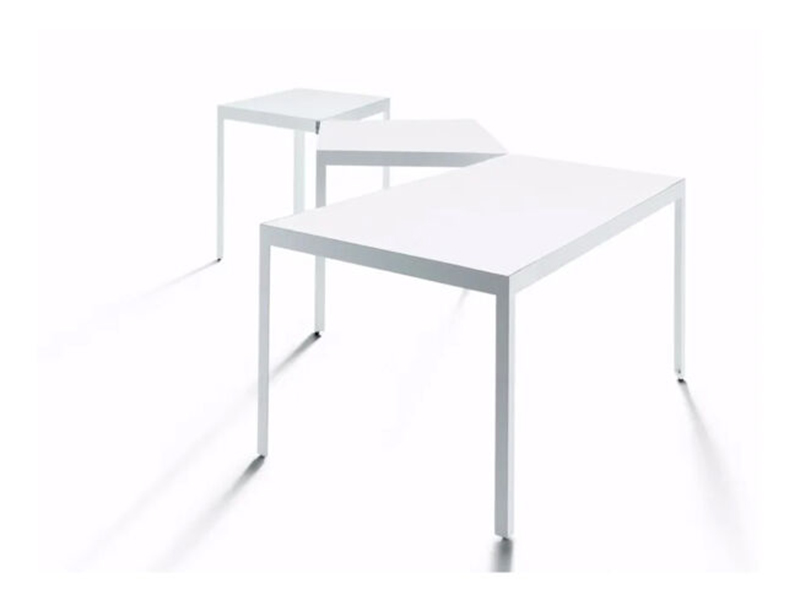
The dining room is having a well-deserved comeback, and frankly, it has been waiting patiently with a stack of mismatched placemats and one lonely candlestick. For years, many dining rooms became accidental offices, homework zones, laundry-folding headquarters, or that mysterious room guests pass through while asking, “Do you actually eat in here?” Now homeowners are rediscovering the joy of a dining space that feels inviting, practical, stylish, and ready for everything from Tuesday tacos to Thanksgiving negotiations over the last dinner roll.
A new look for the dining room does not always mean ripping out floors, buying an heirloom table, or pretending you suddenly know the difference between “greige” and “mushroom taupe.” The smartest dining room refreshes are layered: better lighting, improved flow, comfortable seating, a rug that behaves itself, walls with personality, and decor that makes the room feel like younot like a furniture showroom where nobody is allowed to chew loudly.
This guide explores dining room makeover ideas that are stylish, realistic, and friendly to actual human life. Whether you have a formal dining room, an open-plan dining area, a breakfast nook, or a corner that bravely identifies as a dining room, these ideas will help you create a space that looks fresh, functions beautifully, and makes people want to linger after dessert.
Why the Dining Room Deserves a Fresh Look
The dining room is more than a place to park a table. It is one of the few areas in the home designed specifically for gathering face-to-face. In a world of phones, quick meals, and “I’ll just eat over the sink” energy, a thoughtful dining space can slow things down in the best way.
Modern dining room design has shifted away from stiff, museum-like rooms that only open for major holidays. Today’s best dining rooms are flexible, warm, and lived-in. They can handle family dinners, remote work, birthday parties, game nights, quiet coffee, and the occasional dramatic conversation about whose turn it is to unload the dishwasher.
A new dining room look also adds visual value to the whole home. Since dining spaces are often visible value to the whole home. Since from the living room, kitchen, or entry often visibleway, even small updates can make the surrounding areas feel more polished. A fresh pendant light, a bolder wall color, or a properly sized rug can change the mood instantly.
Start with the Way You Actually Use the Room
Before choosing paint colors or shopping for chairs, ask one practical question: What does this room need to do? A dining room for a family with kids will need different materials than a dining room used mostly for adult dinner parties. A small apartment dining corner needs efficiency. A formal dining room may need warmth and approachability. A dining room that doubles as a workspace needs storage and lighting that works after sunset.
Everyday Dining
If the room is used daily, prioritize comfort and easy maintenance. Choose wipeable chair fabrics, a durable tabletop, and lighting that feels bright enough for meals but soft enough for conversation. Avoid delicate materials that turn every spaghetti night into a suspense film.
Entertaining
If you love hosting, think about circulation. Guests should be able to pull out chairs, walk around the table, and reach the sideboard without performing a sideways crab shuffle. A sideboard, bar cart, or console table can make serving easier and keep the dining table from becoming overcrowded.
Multi-Purpose Use
If the dining room also handles homework, crafts, laptop work, or household paperwork, build in closed storage. A cabinet with doors is a beautiful thing. It lets you hide chargers, notebooks, craft supplies, and that one mystery envelope you keep meaning to open.
Choose a Color Story That Sets the Mood
Color is one of the fastest ways to give a dining room a new look. The key is to choose a mood before choosing a shade. Do you want cozy and dramatic? Fresh and airy? Classic and elegant? Casual and earthy? Once the mood is clear, the palette becomes much easier.
Warm Neutrals
Warm whites, creams, taupes, beige, and soft mushroom tones create a calm foundation. These colors work especially well if the dining room connects to the kitchen or living room. They allow wood furniture, art, and lighting to shine without making the room feel busy.
Moody Dining Room Colors
Dining rooms are excellent candidates for deeper color because they are often used in the evening. Navy, olive green, charcoal, chocolate brown, burgundy, and deep teal can create a cocoon-like atmosphere. If painting all four walls feels too bold, try the color on wainscoting, built-ins, or one feature wall.
Earthy and Natural Palettes
Terracotta, clay, sage, ochre, rust, and warm wood tones bring a relaxed organic feel. These colors pair beautifully with linen curtains, woven shades, ceramic vases, brass accents, and natural fiber rugs.
A helpful rule: choose one dominant color, one supporting color, and one accent. For example, cream walls, walnut furniture, and olive green accents can feel balanced and intentional. Without a simple palette, the dining room can start looking like every decor item in the store formed a committee.
Upgrade the Lighting First
If the dining room feels flat, awkward, or oddly cold, lighting may be the culprit. A single harsh ceiling fixture can make even a beautiful room feel like an interrogation chamber with salad forks.
The best dining room lighting is layered. Start with a central fixture over the table, then add secondary lighting such as sconces, buffet lamps, picture lights, or a floor lamp in a nearby corner. Layered lighting lets you adjust the room for different moments: bright for homework, soft for dinner, moody for dessert, and mercifully dim when nobody wants to see the kitchen cleanup waiting nearby.
Choosing a Dining Room Chandelier or Pendant
A chandelier should relate to the size of the table and the room. Linear fixtures work well over rectangular tables, while round chandeliers or drum pendants suit round and square tables. The fixture should feel substantial enough to anchor the room but not so enormous that guests feel they are dining under a spaceship.
Hang the fixture low enough to create intimacy but high enough that people can see across the table. In most dining rooms, the bottom of the fixture works well around 30 to 36 inches above the tabletop, though ceiling height and fixture style may require adjustment.
Use Dimmers Whenever Possible
A dimmer switch is a small upgrade with a big payoff. It allows the dining room to shift from practical to atmospheric in seconds. This is especially useful in open-plan homes where one lighting level rarely works for every activity.
Pick Furniture That Fits the Room, Not the Fantasy Version of the Room
Dining room furniture should match the scale of the space. Many rooms feel uncomfortable because the table is too large, the chairs are too bulky, or the layout leaves no breathing room. A beautiful table that blocks every walkway is not a table; it is a polite wooden barricade.
Rectangular Tables
Rectangular tables are classic and efficient, especially in long dining rooms. They seat more people and work well with benches, sideboards, and linear lighting. If the room is narrow, choose slimmer chairs or chairs without arms along the sides.
Round Tables
Round tables are excellent for conversation and smaller spaces. They soften a room visually and eliminate sharp corners, which is helpful in tight layouts. Pedestal bases are especially practical because they allow chairs to tuck in more easily.
Extendable Tables
An extendable table is ideal if you host occasionally but do not need a banquet setup every day. Keep the table smaller for daily use and expand it when guests arrive. It is the furniture equivalent of “I clean up nicely.”
Mix Seating for a More Collected Look
A dining set does not have to match perfectly. In fact, a slightly collected look often feels more current and personal. Try upholstered host chairs at the ends of a rectangular table, simple wood or metal side chairs, or a bench along one side.
Mixing seating works best when there is one unifying element. That could be color, wood tone, shape, material, or style. For example, black spindle chairs can pair with a modern oak table if the lighting and artwork also include black accents. Upholstered chairs can mix with wood chairs if the fabric color repeats elsewhere in the room.
Comfort matters. Sit in the chair before committing if possible. A chair can look stunning online and still feel like it was designed by someone who has never had hips.
Use a Rug to Anchor the Dining Area
A rug can instantly make a dining room feel finished. It defines the dining zone, adds softness, improves acoustics, and brings pattern or color into the room. The biggest mistake is choosing a rug that is too small. If chairs catch on the edge every time someone stands up, the rug is not decor; it is a tripping device with fringe.
For most dining rooms, choose a rug large enough that chairs remain on the rug when pulled out. A common guideline is to add at least 24 inches beyond each side of the table, with 30 inches or more offering extra comfort when space allows. For a six-person rectangular table, an 8-by-10-foot rug may work in compact rooms, while a 9-by-12-foot rug often feels more generous.
Best Dining Room Rug Materials
Low-pile rugs are easier to clean and allow chairs to move smoothly. Wool is durable and naturally resilient, while indoor-outdoor rugs can be practical for busy households. Patterned rugs are forgiving because they hide crumbs, pet hair, and the tiny evidence of life that appears approximately seven minutes after vacuuming.
Make the Walls Work Harder
Dining room walls offer a major opportunity for transformation. Because dining rooms usually have fewer large furniture pieces than living rooms or bedrooms, the walls carry a lot of visual weight.
Wallpaper and Murals
Wallpaper is one of the most effective ways to give a dining room a new identity. Grasscloth adds texture, botanical prints bring freshness, geometric patterns feel tailored, and scenic murals create drama. In a dining room, wallpaper can be bold because the space is often used for shorter periods than a bedroom or home office.
Millwork and Molding
Picture-frame molding, chair rails, beadboard, and wainscoting can add architectural character, especially in builder-grade homes. Paint the molding the same color as the walls for a modern tonal look, or use contrast for a more traditional effect.
Art and Mirrors
Large-scale art can make the dining room feel curated without clutter. A mirror can bounce light around the room, especially when placed opposite a window or near a lamp. Just avoid placing a mirror where guests must watch themselves chew. Nobody needs that kind of realism with risotto.
Add Storage That Looks Intentional
A dining room works better when it has a place for the things dining rooms actually use: napkins, candles, serving bowls, table linens, wine glasses, chargers, board games, and emergency chocolate. A sideboard, credenza, hutch, cabinet, or built-in can add both function and style.
Closed storage keeps visual clutter under control, while open shelving can display attractive pieces. The trick with open shelves is editing. Group items by color, material, or purpose. Mix practical pieces with decorative objects, such as ceramics, framed art, cookbooks, and small plants.
If the room is small, choose storage with legs or glass doors to keep the look lighter. Wall-mounted shelves can also help when floor space is limited.
Refresh the Tabletop Without Overdecorating
A dining table centerpiece should enhance the room, not prevent people from making eye contact. Keep everyday styling simple: a bowl, a low vase, a tray with candles, or a cluster of ceramics. Seasonal branches, fresh flowers, fruit, or greenery can make the room feel alive without turning dinner into an obstacle course.
For a more polished look, layer textures. Try linen napkins, woven placemats, ceramic dishes, glassware, and warm metal accents. The goal is not perfection. The goal is a table that says, “Come sit down,” not, “Please admire me from a safe distance.”
Give Small Dining Rooms Big Style
A small dining room can still have personality. In fact, compact spaces often look better with a strong design point of view. A round pedestal table, banquette seating, wall sconces, mirrors, and slim chairs can make the area feel larger and more useful.
Use vertical space. Hang art higher, install floating shelves, or choose tall storage rather than wide storage. Consider a bench against the wall to reduce chair clearance needs. If the dining area is part of a living room or kitchen, use a rug and pendant light to define it as its own zone.
Small spaces also benefit from visual consistency. Repeating colors from nearby rooms helps the dining area feel connected rather than squeezed in as an afterthought.
Budget-Friendly Dining Room Makeover Ideas
You do not need a designer budget to create a new look for the dining room. Many high-impact updates are surprisingly affordable.
Paint One Feature
Paint the walls, the ceiling, the trim, a hutch, or even just the lower half of the room. A painted ceiling can make a dining room feel cozy and custom, especially when paired with crown molding or a statement light.
Swap the Light Fixture
Replacing an outdated chandelier can instantly modernize the room. Even a simple pendant with a warm bulb can change the entire mood.
Change Chair Fabric
If the chairs are sturdy but tired, reupholster the seats or add washable slipcovers. This is especially useful when the chair frames are classic but the fabric belongs emotionally to 2007.
Add Curtains
Window treatments soften the dining room and make it feel more finished. Hang curtains high and wide to make windows appear larger and ceilings taller.
Use Thrifted or Vintage Pieces
Vintage art, mirrors, sideboards, candlesticks, and tableware can add character without costing a fortune. Dining rooms are perfect for mixing old and new because the space naturally welcomes pieces with history.
Common Dining Room Design Mistakes to Avoid
Even a stylish dining room can feel off if a few practical details are ignored. One common mistake is choosing furniture that is too large for the room. Always measure before buying, and account for chair movement, not just table size.
Another mistake is relying on one overhead light. Dining rooms need layered lighting to feel warm. Add dimmers, lamps, or sconces whenever possible.
A too-small rug is another frequent issue. The rug should support the full dining arrangement, not float under the table like a postage stamp.
Finally, avoid decorating the room only for special occasions. A dining room should feel welcoming on an ordinary Wednesday. Use materials, colors, and styling that invite everyday use. The fanciest room in the house should not be the least-used room in the house.
Experience Notes: What a Dining Room Refresh Feels Like in Real Life
A dining room makeover often begins with one small irritation. Maybe the chairs scrape loudly. Maybe the chandelier is too bright. Maybe the wall color makes dinner look like it is happening inside a cardboard box. Or maybe the room simply feels unfinished, as if it got dressed for a party and forgot shoes.
One realistic approach is to start with observation rather than shopping. Spend a week noticing how the room behaves. Where does clutter land? Is the lighting too harsh at night? Do people avoid certain chairs? Does the room feel cold even when the food is warm? These clues are more useful than any trend list.
For example, imagine a dining room with a dark wood table, beige walls, a small rug, and a builder-grade chandelier. Nothing is technically wrong, yet the room feels flat. The first change might be replacing the light fixture with a larger woven pendant or warm brass chandelier. Suddenly the table has a focal point. Add a dimmer, and dinner feels less like a cafeteria and more like an invitation.
Next, the rug gets upgraded. The old one was too small, so chairs kept catching on the edge. A larger low-pile patterned rug solves the problem and adds color. The room immediately feels more grounded. This is the moment many people realize that scale matters as much as style. The right size can look more expensive even when the item itself is not.
Then come the walls. Instead of painting everything white, the homeowner chooses a warm olive or soft clay tone. The color connects with the rug and makes the wood table look richer. A large piece of art replaces a cluster of tiny frames that used to look nervous and scattered. The dining room now has confidence. It no longer whispers, “I was decorated during a sale.”
Finally, the everyday details bring the room to life: linen napkins in a drawer, a ceramic bowl on the table, two buffet lamps on a sideboard, and curtains that soften the window. None of these changes are dramatic alone, but together they create a room people actually want to use. That is the magic of a dining room refresh. It is less about impressing guests and more about making daily life feel a little more generous.
The best experience is when the room starts hosting ordinary moments. Coffee before work. Takeout on a rainy night. A birthday cake with uneven candles. A long conversation after everyone said they were “just stopping by.” A successful new look for the dining room is not only seen in photos. It is felt when people stay at the table longer than planned.
Conclusion
A new look for the dining room is one of the most rewarding home updates because it blends beauty with real life. The right dining room makeover does not have to be expensive or overly formal. It should improve comfort, lighting, flow, storage, and atmosphere while reflecting the people who gather there.
Start with function, then layer in style. Choose a color palette that supports the mood you want. Add lighting that flatters both the room and the people in it. Select furniture that fits the space, not just the dream board. Use a properly sized rug, bring personality to the walls, and include storage that makes everyday dining easier.
Most of all, design a dining room that invites use. A beautiful dining space should not sit untouched like a porcelain figurine on a high shelf. It should welcome weeknight meals, holiday feasts, messy conversations, quiet mornings, and the occasional dessert eaten straight from the serving dish. No judgment. The dining room understands.