One minute, you are answering an email or peacefully sleeping. The next, your internal thermostat has apparently been hijacked by a tiny dragon. Heat rushes across your chest, neck, and face; sweat appears without an invitation; and a few minutes later, you may feel chilly enough to question every clothing decision you have ever made.
Hot flashes and nighttime hot flashes, commonly called night sweats, are vasomotor symptoms associated with changing hormone levels during perimenopause and menopause. They are extremely common, and they can continue for years. Although natural remedies cannot completely eliminate every hot flash, practical lifestyle changes may reduce triggers, improve comfort, protect sleep, and make symptoms feel less disruptive.
The most useful approach is not to buy every supplement wearing a leaf-covered label. It is to create a personalized plan based on your symptoms, health history, daily routine, and the best available evidence.
What Causes Hot Flashes?
Hot flashes are believed to involve changes in the brain’s temperature-control system. As estrogen levels fluctuate and decline, the hypothalamusthe part of the brain that helps regulate body temperaturemay become unusually sensitive to small temperature changes.
Your body may react as though it is overheating even when the room is perfectly comfortable. Blood vessels near the skin widen, producing warmth and flushing, while sweat glands switch on to release heat. A hot flash may also involve a racing heartbeat, anxiety, dizziness, or chills after the sweating stops.
Most episodes last from several seconds to several minutes, although their frequency varies dramatically. One person may have a few mild episodes each week, while another may experience repeated flashes that interrupt work, exercise, social activities, and sleep.
Hot flashes are not always caused by menopause
Medications, thyroid disorders, infections, cancer treatments, anxiety, and other medical conditions can sometimes cause flushing or night sweats. Do not automatically blame menopause when symptoms appear suddenly, become unusually severe, or occur with fever, unexplained weight loss, chest pain, fainting, or other concerning changes.
Start With a Hot Flash Diary
Before removing coffee, chocolate, spicy food, happiness, and everything else worth waking up for, spend two or three weeks tracking your symptoms.
Record when each hot flash occurs, what you ate or drank beforehand, your stress level, room temperature, activity, clothing, sleep quality, and menstrual-cycle changes. Rate each episode from 1 to 10 and note how long it lasts.
Commonly reported triggers include:
- Alcohol, particularly red wine
- Caffeine
- Spicy foods
- Hot beverages
- Smoking and tobacco exposure
- Warm rooms or heavy clothing
- Emotional stress
- Large meals
- Intense exercise in a hot environment
These are possibilities, not universal rules. Coffee may trigger one person within 20 minutes and cause no noticeable problem for another. A symptom diary helps you identify patterns without turning your diet into a punishment.
Use Cooling Strategies for Fast Relief
Cooling techniques may not change the hormonal process behind hot flashes, but they can make episodes easier to handle. For mild symptoms, this may be enough.
Dress in removable layers
Choose lightweight, loose clothing made from breathable or moisture-wicking fabric. A cardigan over a sleeveless top is easier to manage than one heroic sweater that refuses to negotiate. Keep an extra shirt at work or in your car if sweating is frequent.
Create a cooler environment
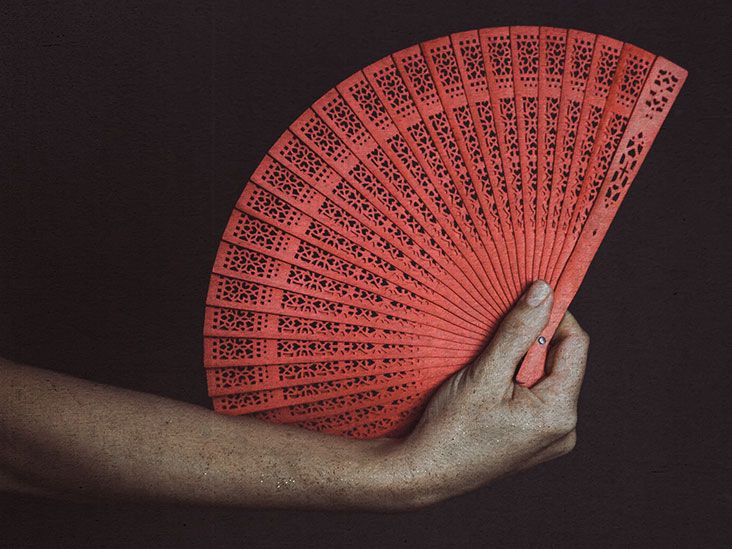
Use a desk fan, ceiling fan, air conditioner, or open window when practical. A small rechargeable fan can be surprisingly useful during meetings, travel, or crowded events. Keep cold water nearby and try a cool compress on your neck when a flash begins.
Prepare your bedroom
Lower the bedroom temperature and choose lightweight sheets that can be removed separately. Breathable pajamas, a bedside fan, and a cool pack placed beneath the pillow may help. Some people keep a second pillow or clean sleep shirt nearby so a nighttime episode does not turn into a 2 a.m. laundry summit.
Adjust Food and Drink Without Following a “Menopause Diet”
No single food plan has been proven to switch off hot flashes. A balanced eating pattern, however, can support weight management, cardiovascular health, bone health, energy, and sleep during menopause.
Experiment with common dietary triggers
When your diary reveals a pattern, reduce one suspected trigger at a time. For example, replace a large afternoon coffee with half-caffeinated coffee for two weeks. If evening wine repeatedly precedes night sweats, reduce the amount, drink it earlier, or try an alcohol-free alternative.
Avoid changing five things at once. You will not know which change helped, and your refrigerator may start looking like it is under investigation.
Choose whole soy foods when appropriate
Soy contains isoflavones, plant compounds with mild estrogen-like activity. Research suggests that soy foods or soy protein may produce a small reduction in hot flash frequency or severity for some people, although results are inconsistent and benefits are not immediate.
Reasonable food-based choices include tofu, tempeh, edamame, and unsweetened soy milk. Whole foods are generally preferable to high-dose isoflavone supplements because foods also provide protein, fiber, and other nutrients.
Anyone with a history of hormone-sensitive cancer should discuss concentrated phytoestrogen supplements with an oncologist or another qualified clinician.
Stay hydrated
Cold water does not prevent the hormonal changes responsible for hot flashes, but it can improve comfort and replace fluids lost through sweating. Carry a reusable bottle and drink regularly rather than attempting to catch up late in the day, which may increase nighttime bathroom trips.
Exercise for Overall Menopause Health
Exercise is frequently promoted as a natural cure for hot flashes, but the evidence is more complicated. Regular activity does not reliably eliminate vasomotor symptoms for everyone. Its broader benefits, however, make it one of the most valuable lifestyle habits during menopause.
Exercise can support sleep, mood, heart health, muscle strength, bone density, and long-term weight management. It may also lower stress and help some people feel less bothered by their symptoms.
A balanced weekly routine can include:
- Moderate aerobic activity such as brisk walking, swimming, or cycling
- Strength training at least twice a week
- Weight-bearing movement for bone health
- Balance and mobility exercises
Exercise in a cool environment when heat is a trigger. Wear breathable clothing, drink water, and allow time for a gradual cooldown. A steamy workout studio may build character, but it is not compulsory.
Consider Gradual Weight Loss When Medically Appropriate
Research suggests that losing excess weight may reduce hot flash burden in some people, particularly during the earlier stages of the menopause transition. Body fat can affect heat regulation, insulation, inflammation, and hormone metabolism.
The goal should be slow, sustainable improvement rather than aggressive dieting. Build meals around vegetables, fruit, whole grains, beans, lean protein, nuts, seeds, and healthy fats. Combine portion awareness with regular physical activity and adequate sleep.
People already at a healthy weight should not try to become underweight in pursuit of symptom relief. Low body weight creates its own health concerns, including loss of muscle and bone strength.
Reduce Stress and the Distress Around Hot Flashes
Stress does not cause menopause, but it may trigger episodes or make them feel more overwhelming. Worrying about having a hot flash can also create a stressful feedback loop: fear raises tension, tension intensifies discomfort, and discomfort creates more fear.
Try paced breathing
Practice slow breathing when you are calm so the technique feels familiar during an episode. Inhale gently through your nose, allow your abdomen to expand, and exhale slowly. Continue for several minutes without forcing extremely deep breaths.
Breathing exercises have not consistently been shown to reduce the number of hot flashes, but they may reduce tension and help you respond more calmly.
Use mindfulness for symptom acceptance
Mindfulness teaches you to notice heat, sweating, frustration, and anxious thoughts without immediately treating them as an emergency. It does not require pretending the experience is pleasant. The goal is simply to remove an extra layer of panic from an already uncomfortable event.
Explore cognitive behavioral therapy
Cognitive behavioral therapy, or CBT, has stronger evidence than many products marketed as natural remedies. Menopause-focused CBT can address unhelpful thoughts, stress reactions, sleep habits, and coping behaviors. It may not remove every flash, but it can reduce how disruptive symptoms feel and improve sleep-related distress.
Ask about clinical hypnosis
Clinical hypnosis guided by a trained professional has shown benefits for some people with bothersome hot flashes. It typically uses relaxation, focused attention, and cooling imagery. This is structured therapeutic care, not the stage-show version involving clucking like a chicken.
Protect Your Sleep From Night Sweats
Night sweats and insomnia can feed each other. Poor sleep increases stress and fatigue, while stress and fatigue may make symptoms harder to tolerate.
Keep a consistent sleep and wake time, dim lights before bed, and avoid working or scrolling in bed. Limit caffeine later in the day and notice whether alcohol makes you sleepy initially but causes sweating or awakenings later.
Use layered bedding instead of one heavy comforter. Keep the bedroom cool and dark, and place water, a fan, and dry clothing within easy reach. When you wake after a hot flash, use slow breathing or a quiet relaxation exercise rather than checking the clock every three minutes.
Persistent insomnia deserves medical attention. Hot flashes may be part of the problem, but sleep apnea, restless legs syndrome, depression, medication effects, and other conditions may also disrupt sleep.
Stop Smoking and Limit Alcohol
Smoking is associated with a higher likelihood of hot flashes and may make menopause symptoms more severe. Quitting also lowers the risk of cardiovascular disease, cancer, lung disease, and osteoporosis.
Alcohol is a common personal trigger and can worsen sleep quality. You do not necessarily need to avoid it forever, but reducing the amount or frequency is a useful experiment. Choose smaller servings, alternate alcoholic drinks with water, and avoid drinking close to bedtime when night sweats are a problem.
Be Cautious With Herbal Supplements
“Natural” is a description of origin, not a safety certificate. Plants can affect the liver, blood pressure, blood clotting, hormone-sensitive tissues, and prescription medications. Supplement quality and ingredient amounts may also vary.
Black cohosh
Black cohosh is among the most popular menopause supplements. Some studies suggest possible improvement in overall menopause symptoms, while others find little or no meaningful benefit. Rare reports of liver injury have raised safety concerns. Anyone with liver disease, unusual fatigue, dark urine, or yellowing of the skin should avoid self-treatment and seek medical advice.
Red clover, dong quai, and evening primrose oil
Evidence for these products remains limited or inconsistent. Dong quai can interact with blood-thinning medications, and concentrated phytoestrogen products may not be suitable for people with certain hormone-sensitive conditions.
Kava
Kava is sometimes marketed for anxiety or menopause symptoms, but it has been associated with serious liver damage and is not a sensible first-line remedy for hot flashes.
Supplement safety checklist
- Ask a clinician or pharmacist about interactions.
- Do not combine several menopause supplements at once.
- Choose products independently tested for quality when available.
- Stop the product if new symptoms appear.
- Do not replace prescribed treatment with a supplement without medical guidance.
When Lifestyle Tips Are Not Enough
Natural approaches are most appropriate for mild symptoms or as part of a larger treatment plan. Contact a healthcare professional when hot flashes repeatedly interrupt sleep, affect work, worsen anxiety or depression, or interfere with normal activities.
Seek an evaluation when symptoms begin before age 40, appear unexpectedly after years without hot flashes, or occur with unexplained fever, weight loss, swollen lymph nodes, persistent cough, chest pain, fainting, or drenching night sweats unrelated to a warm room.
Menopausal hormone therapy remains the most effective treatment for bothersome hot flashes for many appropriate candidates. Nonhormonal prescription treatments are also available for people who cannot or prefer not to use hormones. Treatment should be individualized according to age, time since menopause, symptom severity, medical history, medications, and personal preferences.
Experiences With Natural Hot Flash Remedies: What Trial and Error Can Look Like
The following composite scenarios are educational examples based on commonly reported experiences. They do not describe specific patients and should not be treated as medical advice.
Experience 1: Finding the hidden afternoon trigger
A 48-year-old office manager began having several hot flashes each afternoon. She assumed stress was entirely responsible because the episodes usually appeared during meetings. After tracking her routine for three weeks, she noticed that the strongest flashes occurred about 30 minutes after her second large coffee.
She did not quit caffeine overnight. Instead, she replaced the afternoon coffee with half-caffeinated coffee, started eating lunch earlier, and placed a small fan beside her monitor. The flashes did not disappear, but they became less intense and easier to manage. More importantly, she stopped entering every meeting worried that she would suddenly look as though she had completed a surprise marathon.
The useful lesson was not that coffee is forbidden. It was that a diary revealed a repeatable personal pattern.
Experience 2: Improving nights without chasing miracle products
A 54-year-old teacher was waking three or four times each night with sweating and chills. She bought multiple herbal products but could not tell whether any of them helped. Some contained overlapping ingredients, and one upset her stomach.
After discussing the products with a pharmacist, she stopped taking the mixture and focused on her sleeping environment. She lowered the thermostat, replaced one heavy comforter with two lightweight blankets, moved evening wine to weekends only, and kept a dry shirt beside the bed. She also used a brief CBT-based sleep program.
Her night sweats continued, but the awakenings became shorter and less distressing. She could remove one blanket, change quickly when necessary, and return to sleep without scrolling through menopause forums until sunrise. Because symptoms remained frequent, she later discussed medical treatment with her clinician.
This experience illustrates an important point: lifestyle measures can make symptoms manageable even when they do not completely stop them.
Experience 3: Exercising for health rather than chasing an instant cure
A 51-year-old accountant started an intense daily workout challenge after reading that exercise would eliminate hot flashes. Exercising hard in a warm room made her feel worse, and she nearly abandoned physical activity entirely.
She switched to brisk morning walks, twice-weekly strength training, and short mobility sessions in an air-conditioned room. Her hot flash count changed only slightly, but her sleep, energy, mood, and confidence improved. Over several months, gradual weight loss was accompanied by milder episodes.
The result was not a dramatic overnight transformation. It was a collection of smaller wins that improved her overall quality of life. That is often what a successful menopause lifestyle plan looks like: fewer promises, more useful habits.
Experience 4: Learning that help is not failure
A 57-year-old business owner tried fans, yoga, cold water, layered clothing, and trigger avoidance. These strategies helped during the day, but she still experienced severe night sweats and growing exhaustion. She initially resisted medical care because she believed she should manage menopause “naturally.”
Her clinician reviewed her health history and explained both hormonal and nonhormonal options. She chose an individualized treatment while continuing the cooling and stress-management habits that already helped.
Natural remedies and medical treatment are not opposing teams. Lifestyle changes can remain valuable even when prescription care is necessary. The best plan is the one that safely restores sleep, comfort, and normal daily function.
Conclusion: Build a Personal Hot Flash Toolkit
The most practical natural remedies for hot flashes are usually simple: identify your triggers, dress in layers, cool your environment, protect your sleep, manage stress, exercise regularly, avoid smoking, and make gradual dietary changes.
CBT, clinical hypnosis, and medically appropriate weight loss have better supporting evidence than many heavily advertised supplements. Soy foods may offer a modest benefit for some people, while herbal products require caution because effectiveness, purity, and safety can vary.
Do not measure success only by whether every hot flash disappears. Sleeping longer, recovering faster, feeling less anxious, and handling an episode without reorganizing your entire day are meaningful improvements. Your internal thermostat may still be dramatic, but it does not have to direct the whole show.
Research grounding: Guidance and evidence were synthesized from the National Institute on Aging, the American College of Obstetricians and Gynecologists, The Menopause Society, the National Center for Complementary and Integrative Health, the Office on Women’s Health, Mayo Clinic, Johns Hopkins Medicine, Cleveland Clinic, Yale Medicine, Harvard Health, the FDA, Memorial Sloan Kettering Cancer Center, the American Cancer Society, Veterans Affairs, and UCSF Health. Key evidence on prevalence and duration: . Practical cooling and trigger-management guidance: . Evidence-supported nonhormonal approaches: . Supplement effectiveness and safety: . Medical treatment context: .