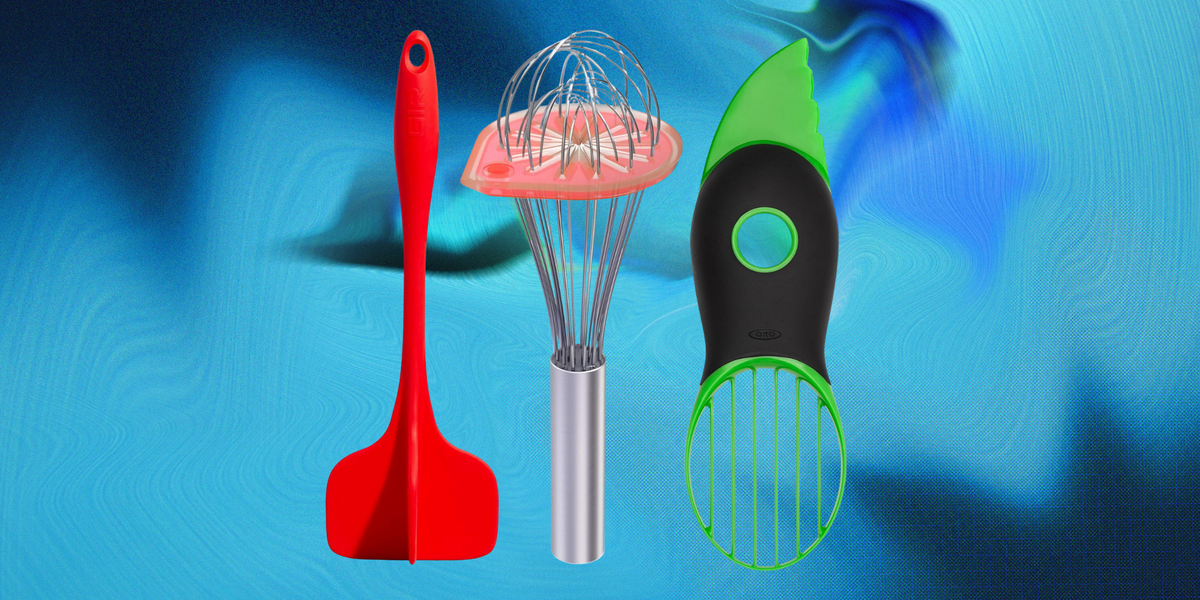
Every kitchen has a drawer of mystery. You know the one: a potato masher wedged beside a measuring spoon, a rubber band from 2019, and at least one gadget nobody remembers inviting. Single-use kitchen tools have a reputation for becoming culinary clutter, and honestly, some deserve it. Nobody needs a banana slicer unless breakfast has become a legal emergency.
But not every so-called unitasker is useless. Some tools earn their keep because they save time, reduce mess, improve consistency, or make an annoying task feel almost civilized. The trick is knowing which specialty kitchen gadgets are genuinely helpful and which ones are just tiny plastic lies with cheerful packaging.
This guide focuses on single-use kitchen tools worth buying because they solve real problems in everyday cooking. They are compact, practical, easy to clean, and useful often enough to justify their drawer space. Think of them as tiny employees with very specific job descriptions.
What Makes a Single-Use Kitchen Tool Worth It?
A single-purpose tool should pass at least three tests before it moves into your kitchen. First, it should do the job better than a general tool. Second, it should make cooking faster, safer, cleaner, or more consistent. Third, it should not require a ten-minute cleaning ritual afterward. A tool that saves thirty seconds and steals five minutes at the sink is not a tool. It is a prank.
The best kitchen gadgets are not always the flashiest. In fact, the most useful ones are usually simple: a hinge, a blade, a scoop, a grate, a spring, or a handle that fits comfortably in the hand. If it helps you cook more often, waste less food, or enjoy prep work instead of negotiating with it, it may deserve a spot in the drawer.
15 Single-Use Kitchen Tools That Are Actually Worth the Space
1. Citrus Squeezer
A handheld citrus squeezer may look unnecessary until you try to juice a lemon with your bare hand and end up with seeds in the dressing, juice on your sleeve, and a vague sense of defeat. This tool is compact, affordable, and excellent at extracting juice from lemons and limes without bringing the seeds along for the ride.
It is especially useful for salad dressings, marinades, cocktails, fish, tacos, and quick pan sauces. A good citrus squeezer also helps people with weaker grip strength get more juice with less effort. Choose a sturdy metal model with comfortable handles and enough space for halved lemons. It should rinse clean quickly, because nobody wants citrus pulp fossilizing in the hinge.
2. Garlic Press
The garlic press may be the most dramatic single-use kitchen tool in history. Some cooks love it. Some treat it like it insulted their grandmother. The truth is simple: if you cook with garlic often, a good garlic press is worth the drawer space.
Pressed garlic is intense, moist, and evenly crushed, which makes it great for garlic butter, yogurt sauces, dressings, soups, meatballs, and quick weeknight stir-fries. It is not the right tool for every garlic job, but it is brilliant when you want garlic flavor to spread quickly through a dish. Look for a press with a strong hinge, a large chamber, and a removable or easy-clean grid. If cleaning it feels like dental work, choose another model.
3. Microplane Zester
A rasp-style zester is technically a specialist, but it works like a flavor amplifier. It turns lemon peel into fragrant zest, hard cheese into snowy flakes, nutmeg into warm dust, and ginger into a fine paste. It is slim enough to fit in almost any drawer and useful enough to become one of those tools you reach for without thinking.
The magic of a Microplane-style zester is texture. It removes the flavorful outer layer of citrus without dragging too much bitter white pith along with it. It also helps ingredients disappear smoothly into sauces, batters, vinaigrettes, and soups. If your cooking often tastes like it needs “something,” that something may be lemon zest, and this tool is the shortcut.
4. Cherry and Olive Pitter
A cherry pitter is one of those tools that seems silly for eleven months and heroic for one. During cherry season, it saves your fingers, your countertops, and your patience. It also works well for olives, making it more useful than it first appears.
This tool is ideal for pies, cobblers, jams, salads, cocktail garnishes, and snack prep. A good pitter removes the pit cleanly while keeping most of the fruit intact. If you process cherries in batches, consider a model with a small catch container or multi-cherry design. If you only eat a handful at a time, a simple handheld version is enough. Either way, your future self will appreciate not looking like you committed a berry-related crime.
5. Apple Corer
An apple corer does one thing, but it does it neatly: removes the core in a clean cylinder. For families, bakers, snackers, and anyone who packs lunches, this little tool can be surprisingly useful.
Use it for baked apples, apple rings, pies, tarts, salads, and quick snacks. It also helps reduce food waste because it removes the core without taking half the apple with it. Choose one with a comfortable handle and a stainless steel cutting tube. Bonus points if the tool has an easy-release design so you do not have to poke the core out like you are performing a tiny plumbing repair.
6. Egg Slicer
The egg slicer is old-school, humble, and very good at its job. It turns hard-cooked eggs into even slices for salads, sandwiches, toast, and snack plates. More importantly, it does it in about three seconds.
Its secret advantage is consistency. Even slices look better and layer more neatly, especially in egg salad sandwiches or composed salads. Many home cooks also use egg slicers for soft fruits such as strawberries or small mushrooms, but even if you stick to eggs, it remains useful if hard-cooked eggs are part of your weekly routine. Choose a model with a stable base and strong wires that do not bend after two uses and a stern glance.
7. Strawberry Huller
A strawberry huller removes the leafy top and tough white core without wasting the sweet red flesh around it. If you buy strawberries often, especially in summer, this tiny tool can pay for its drawer space by reducing waste alone.
It is great for fruit salads, shortcakes, smoothies, jam, lunch boxes, and dessert boards. Compared with cutting off the tops, a huller keeps more of the berry intact and makes the fruit look prettier. Look for a small tong-style or claw-style huller that is easy to control and dishwasher-safe. It is not essential for everyone, but for strawberry households, it is a quiet little champion.
8. Fish Spatula
Despite the name, a fish spatula is not just for fish. Its thin, flexible, slotted blade slides under delicate foods without crushing them. That makes it useful for pancakes, cookies, roasted vegetables, eggs, fritters, and anything that needs gentle lifting.
Still, it earns its place because it solves one specific problem beautifully: moving fragile food without wrecking it. The angled edge helps glide under food, while the slots let grease or cooking liquid drain away. If you cook seafood, this is a must-have. If you do not, it may still become your favorite turner. Just make sure the edge is compatible with your cookware surface, especially if you use nonstick pans.
9. Bench Scraper
A bench scraper is a baker’s best friend, but it belongs in far more kitchens than bakeries. It helps divide dough, move chopped ingredients, scrape sticky bits from a work surface, and clean flour from the counter. It looks boring, which is how you know it is probably useful.
For bread, pizza dough, biscuits, cookies, and pastries, a bench scraper gives you control without adding extra mess. For everyday cooking, it turns a pile of chopped onions or herbs into something you can move neatly into a pan. Choose a stainless steel scraper with a comfortable handle and measurement marks if you bake often. It is flat, sturdy, and easy to store, which is more than we can say for many kitchen gadgets with “revolutionary” written on the box.
10. Instant-Read Thermometer
An instant-read thermometer is a single-purpose tool with enormous impact. Its job is to tell you the internal temperature of food quickly and accurately. That one job can prevent overcooked chicken, underdone burgers, scorched caramel, and guesswork that ends with everyone politely chewing.
It is especially valuable for roasting, grilling, frying, baking bread, tempering chocolate, and reheating leftovers. A fast thermometer helps you cook with confidence because you are not relying on color, timing, or vibes. Look for a model with a clear display, quick response time, comfortable grip, and splash-resistant design. This is one of the few specialty kitchen tools that can improve both food quality and food safety.
11. Handheld Mandoline Slicer
A handheld mandoline is the tool for people who want thin, even slices without dragging out a giant appliance. It makes quick work of cucumbers, potatoes, zucchini, radishes, onions, apples, and cabbage. Uniform slices cook evenly and look polished, which is helpful whether you are making gratin or just trying to convince a Tuesday salad to have ambition.
Safety matters here. Choose a mandoline with a sturdy food holder, nonslip base, and simple thickness settings. Many cooks also use a cut-resistant glove for extra protection. A mandoline should feel stable, not like a tiny carnival ride for vegetables. When used carefully, it is one of the fastest ways to make prep look restaurant-level.
12. Cookie Scoop
A cookie scoop is not just for cookies, though cookies are reason enough. It portions dough evenly so every cookie bakes at the same rate. No more tiny crunchy coins beside giant underbaked moons.
It is also useful for meatballs, muffin batter, melon balls, truffles, falafel, drop biscuits, and portioning sticky mixtures. The spring-release mechanism keeps your hands cleaner and speeds up repetitive tasks. If you bake often, owning two sizes can be practical: a small scoop for cookies and truffles, and a larger one for muffins or meatballs. The best versions have sturdy gears and a comfortable handle that does not fight back.
13. Pizza Wheel
A pizza wheel is one of the rare single-use tools almost everyone understands. It cuts pizza quickly, cleanly, and with less topping drag than many alternatives. That alone earns it a home in households where pizza appears more than once in a blue moon.
But it also works for flatbreads, quesadillas, pastry strips, homemade crackers, and kids’ sandwiches. A good pizza wheel should have a sharp stainless steel blade, a comfortable handle, and a guard that keeps your fingers away from the wheel. It should also be easy to wash because melted cheese has a talent for hiding in corners like it owes rent.
14. Jar Opener
A jar opener is not glamorous, but neither is wrestling a pasta sauce lid while dinner gets cold. This tool is especially helpful for kids learning kitchen independence, older adults, or anyone with hand pain or limited grip strength.
There are several styles, including rubber grip pads, adjustable clamp openers, and under-cabinet models. For drawer storage, a compact adjustable opener is usually the best choice. It gives extra leverage and grip without taking over the kitchen. This is one of those tools you may not use daily, but when you need it, you really need it. Few gadgets deliver such immediate emotional relief.
15. Can Opener
The can opener is so common that people forget it is technically a single-use kitchen tool. It opens cans. That is the whole résumé. Still, it is indispensable for beans, tomatoes, tuna, pumpkin, coconut milk, soup, and emergency pantry dinners.
A smooth-turning manual can opener is worth buying because cheap, flimsy ones can leave jagged edges, skip along the rim, or require unnecessary effort. Look for comfortable handles, a reliable cutting wheel, and easy cleaning. A good can opener is not exciting, but it is the kind of tool that prevents dinner from turning into a standoff with chickpeas.
Single-Use Kitchen Tools You Can Probably Skip
Not every specialty kitchen gadget deserves a home. Some tools solve problems that barely exist. Avocado slicers, banana slicers, hot dog toasters, giant novelty appliances, and overly complicated vegetable choppers often create more cleaning than convenience. A tool may be cute, but cute does not wash dishes.
Skip gadgets that only work with one perfect size or ripeness of food. Skip tools with too many tiny parts. Skip anything that duplicates a tool you already use comfortably. Most of all, skip tools bought because they look fun for one recipe you may never make again. Drawer space is not infinite, and the measuring spoons are already fighting for territory.
How to Choose Specialty Kitchen Gadgets Without Regret
Match the Tool to Your Real Cooking Habits
The best single-use kitchen tools are personal. A cherry pitter is brilliant if you bake cherry pies or pack fresh fruit all summer. It is pointless if cherries visit your house once a decade. A garlic press is wonderful if garlic shows up in your dinner three times a week. It is clutter if your idea of seasoning is “salt, maybe.”
Before buying a gadget, ask: Will I use this at least once a month during its season? Does it solve a task I dislike? Is it easier to clean than the method I use now? Would I miss it if it disappeared? If the answer is yes, it might be worth it.
Prioritize Durability and Cleaning
A cheap tool that bends, stains, rusts, or traps food is not a bargain. For small kitchen tools, durability often comes from stainless steel parts, sturdy hinges, comfortable handles, and simple construction. Dishwasher-safe tools are convenient, but even hand-wash-only tools can be worthwhile if they rinse clean quickly.
Avoid gadgets with hidden crevices, weak springs, or mystery plastic that feels like it came from a toy vending machine. Good tools should feel solid in the hand. They do not need to be expensive, but they should not feel nervous about doing their own job.
Experience Notes: What These Tools Teach You in a Real Kitchen
After cooking in busy home kitchens, tiny apartment kitchens, family kitchens, and the occasional “why is the cutting board balanced on the sink?” kitchen, one lesson becomes clear: the best tools are the ones that reduce friction. They remove one small annoyance between you and actually making food.
A citrus squeezer encourages you to use fresh juice instead of bottled because the process is quick and clean. That small upgrade can make a salad dressing taste brighter, a marinade more balanced, and a bowl of soup feel finished. A Microplane does something similar. Suddenly, adding lemon zest, ginger, or a little hard cheese is no longer a production. Flavor becomes easier, and when flavor is easier, cooking feels more rewarding.
Tools like a garlic press and cherry pitter also prove that convenience is not a moral failure. Some cooking advice makes it sound like every task must be done the hardest possible way to count. That is nonsense wearing an apron. If a garlic press helps you cook a real dinner instead of ordering takeout, it has done something valuable. If a cherry pitter makes summer pie less chaotic, it has earned applause and possibly its own tiny parade.
The instant-read thermometer may be the best example of confidence-building gear. Many home cooks overcook food because they are afraid of undercooking it. A thermometer replaces anxiety with information. Once you know what is happening inside the food, you stop poking, slicing, guessing, and apologizing. Dinner improves because you are not cooking by superstition.
Then there are tools that make food look better with almost no extra effort. A mandoline turns vegetables into even slices. A cookie scoop makes baked goods uniform. An egg slicer creates tidy rounds. These tools do not just save time; they create consistency. Consistency matters because food that cooks evenly usually tastes better. It also looks more intentional, which is helpful when guests arrive and your kitchen currently looks like a flour bag exploded with purpose.
The biggest surprise is that many single-use tools support healthier, more frequent cooking. A jar opener makes pantry ingredients accessible. A can opener turns beans and tomatoes into fast meals. A bench scraper makes cleanup less irritating. A strawberry huller makes fruit prep simple enough that berries are more likely to be washed, trimmed, and eaten instead of slowly becoming science in the fridge.
Of course, no gadget fixes a kitchen that is overloaded. The goal is not to own every clever tool. The goal is to own the right few. A small kitchen with five well-chosen specialty tools can function better than a large kitchen packed with novelty gadgets. Tools should support your habits, not bully you into imaginary ones.
Here is a practical rule: give every single-use kitchen tool a job title. The citrus squeezer is Director of Lemon Efficiency. The thermometer is Vice President of Not Ruining Chicken. The bench scraper is Head of Countertop Recovery. If you cannot name the job, or if the job happens once every presidential election, the tool probably does not need drawer space.
When chosen well, single-use kitchen tools do not make you less skilled. They make the boring parts faster so you can focus on seasoning, timing, texture, and enjoying the process. That is the real value. A good tool removes a little resistance. A great tool makes you wonder why you waited so long to buy it.
Conclusion
Single-use kitchen tools are not automatically clutter. The best ones earn their place by solving specific problems better than general tools can. A citrus squeezer keeps seeds out of your sauce. A cherry pitter saves summer desserts. A thermometer protects dinner from guesswork. A bench scraper makes cleanup feel less like punishment.
The key is choosing tools based on how you actually cook. Do not buy a gadget for the fantasy version of yourself who makes twelve-layer pastry every Sunday while wearing linen. Buy the tool that helps real you make real food on a real weeknight when the sink is already judging you.
If a single-use kitchen tool saves time, reduces mess, improves results, and fits neatly in a drawer, it is not clutter. It is a tiny specialist. And in a busy kitchen, a good specialist is absolutely worth keeping.