A modern baseboard heater cover is one of those home upgrades that sounds tiny until you actually do it. Then suddenly the room looks cleaner, the wall feels more finished, and that rusty metal strip near the floor stops yelling, “I was installed during the age of shag carpet.” Baseboard heaters are practical, quiet, and common in many American homes, especially older houses, apartments, condos, and rooms without ductwork. The problem is not usually the heater itself. It is the tired cover: dented corners, peeling paint, yellowed metal, missing end caps, dust in the fins, and a general “basement laundry room” energy.
The good news? You do not always need to replace the entire heating system. In many cases, replacing or upgrading the visible cover is enough to make the room look intentional again. A sleek white, matte black, brushed metal, or low-profile cover can turn an awkward baseboard heater into a quiet design detail. Even better, many modern baseboard heater covers are designed for DIY installation, especially slip-on covers made for hydronic baseboard heaters. No dramatic renovation. No wall demolition. No need to tell your wallet to brace for impact.
This guide explains what modern baseboard heater covers are, how to choose the right style, what materials matter, how to measure correctly, what safety details to keep in mind, and how real homeowners can make them look like part of the room instead of an apology attached to the wall.
What Is a Modern Baseboard Heater Cover?
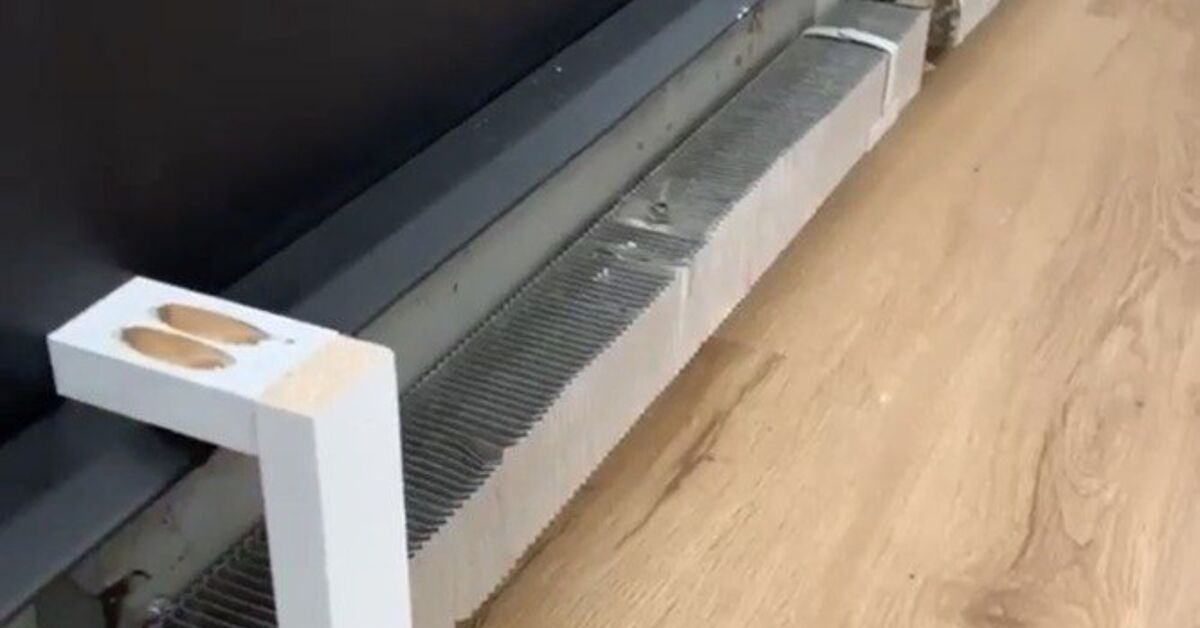
A modern baseboard heater cover is the exterior housing or decorative sleeve that fits over a baseboard heating unit. Its job is both functional and visual. Functionally, the cover helps protect the heating element, direct airflow, and reduce contact with internal fins or pipes. Visually, it hides the not-so-glamorous parts of the system and gives the heater a cleaner appearance.
Baseboard heaters generally work through convection. Cool air enters near the bottom of the unit, warms as it passes over heated fins, coils, or pipes, and rises into the room. That means a cover should not simply “hide” the heater like a shoebox over a mess. It must allow proper airflow. A beautiful cover that blocks heat is basically a very expensive room-temperature sculpture.
Modern covers typically focus on three things: clean lines, durable materials, and easy installation. Instead of fussy, old-fashioned louvers or bulky metal fronts, many updated covers feature smooth panels, perforated grilles, powder-coated finishes, and matching end caps. The result is a more architectural look that pairs well with modern farmhouse, Scandinavian, transitional, coastal, minimalist, industrial, and classic American interiors.
Why Upgrade Your Baseboard Heater Cover?
1. It Instantly Improves the Room’s Appearance
Baseboard heaters sit right where your eye catches the wall-to-floor transition. If the cover is rusty, bent, or discolored, it makes the whole room feel less polished. Replacing it is like switching from old sneakers to clean leather shoes. The outfit may be the same, but suddenly everything looks more put together.
A modern baseboard heater cover can make freshly painted walls look finished, help renovated floors feel complete, and remove visual clutter from bedrooms, living rooms, bathrooms, and hallways. In small spaces, clean baseboard lines can make the room feel wider and calmer.
2. It Can Make Cleaning Easier
Dust, pet hair, crumbs, and mystery fuzz love old baseboard heaters. They gather inside bent fins and behind loose panels like they are paying rent. Modern covers with removable fronts or simple slip-on designs can make seasonal cleaning much easier. Since baseboard heaters work best when airflow is not blocked, keeping them clean is not just cosmetic; it also helps them perform as intended.
3. It Helps Protect the Heater
A sturdy cover helps shield delicate fins, pipes, or internal components from bumps, toys, vacuum cleaners, and furniture legs. If you have ever watched a chair leg ram into a heater cover, you know that baseboard units live a surprisingly dramatic life. A durable modern cover gives the heater a better chance of surviving everyday chaos.
4. It Can Support a Safer Layout
A replacement cover does not remove the need for safe clearances, but it can help restore a damaged or missing protective barrier. Covers should never be treated as permission to push curtains, bedding, paper, or furniture directly against the heater. Modern design is lovely; fire safety is lovelier.
Hydronic vs. Electric Baseboard Heater Covers
Before buying a modern baseboard heater cover, identify what type of heater you have. This matters because covers are not always interchangeable.
Hydronic Baseboard Heaters
Hydronic baseboard heaters use hot water or a heated liquid that flows through pipes and fins. Many aftermarket slip-on covers are designed specifically for hydronic systems. These covers often replace the front panel and end caps while fitting over the existing back plate and heating element. They are popular because they can refresh the look without disturbing plumbing or removing the entire heater enclosure.
Electric Baseboard Heaters
Electric baseboard heaters use electrical resistance elements to generate heat. They can become hot, and they have stricter manufacturer requirements. Never assume a hydronic cover is safe for an electric baseboard heater. Use only covers approved for your heater type, and do not modify wiring, heating elements, or built-in safety components. If you are unsure, check the heater label, product manual, or contact a licensed professional.
Here is the simple rule: if the cover manufacturer says it is for hydronic heaters only, believe them. Your heater is not the place to freestyle.
Best Materials for Modern Baseboard Heater Covers
Powder-Coated Steel
Powder-coated steel is one of the most common choices for modern baseboard heater covers. It is strong, clean-looking, and resistant to everyday wear. Steel covers often feel substantial, which is helpful in busy homes with kids, pets, vacuum cleaners, or furniture that occasionally behaves like bumper cars.
White powder-coated steel is popular because it blends with trim, walls, and classic baseboards. Matte black can look bold and contemporary, especially in industrial, modern, or high-contrast spaces. Some brands also offer decorative finishes for homeowners who want the heater cover to act like a design feature rather than disappear.
Aluminum
Aluminum is lightweight and resistant to corrosion, making it appealing in damp spaces such as bathrooms or laundry rooms. It can also look sleek and modern. However, because aluminum conducts heat well, homeowners should still treat it with caution around children and pets. A nice finish does not mean the surface is magically cool.
Plastic or Polymer Covers
Some covers use plastic or polymer materials, especially for hydronic systems. They can be easy to trim, install, and clean. However, heat tolerance and compatibility are crucial. Always confirm that the product is designed for your specific type of heater and temperature range.
Wood Covers
Wood radiator-style covers can look custom and furniture-like, but they are not always appropriate for baseboard heaters. Wood can restrict airflow if poorly designed, and heat exposure may cause warping, cracking, or finish issues. If you want a wood look, choose a product designed for heating applications or work with a professional who understands ventilation and clearances.
Modern Styles That Actually Look Good
Minimalist White Covers
White covers are the safest design choice for most homes. They blend into white trim, look clean against painted walls, and work with nearly every style. If your goal is to make the heater disappear visually, white is the quiet champion.
Matte Black Covers
Black baseboard heater covers are having a moment, especially in rooms with black window frames, dark hardware, or modern accent walls. They add contrast and can make the heater feel intentional. The trick is balance: repeat black somewhere else in the room, such as light fixtures, cabinet pulls, picture frames, or curtain rods.
Decorative Perforated Covers
Perforated metal covers offer airflow while adding texture. They can look modern, industrial, or slightly vintage depending on the pattern. Small round holes feel clean and contemporary; decorative patterns can feel more traditional or custom.
Color-Matched Covers
For a seamless look, some homeowners paint or order covers to match trim or wall colors. If painting, use high-heat paint recommended for metal surfaces and follow product instructions carefully. Regular wall paint may peel, discolor, or smell unpleasant when heated. Nobody wants a living room that smells like a craft project gone rogue.
How to Measure for a Modern Baseboard Heater Cover
Measuring sounds boring, but it is the difference between a cover that looks custom and one that looks like it lost a wrestling match with the wall.
Measure the Length
Measure the full length of the existing heater from end to end. Include the end caps if they are part of the visible unit. Some replacement systems sell front covers, end caps, inside corners, outside corners, and couplers separately, so accurate length matters.
Measure the Height and Depth
Measure from the floor to the top of the heater and from the wall to the front edge. Modern covers are often designed to fit common baseboard sizes, but older homes can be wonderfully weird. That charming 1940s cottage may have charmingly confusing heater dimensions.
Check the Back Plate
Some slip-on covers require the existing back plate to remain in place. Others replace more of the enclosure. Look at whether the back plate is secure, straight, and not badly rusted. If the wall behind the heater is damaged or the heater housing is falling apart, a simple cover may not solve the whole problem.
Plan for Corners and Obstacles
Look for inside corners, outside corners, nearby door trim, outlets, pipes, uneven floors, or thick carpet. These details can affect which accessories you need and whether a standard cover will fit neatly.
Installation Tips for a Clean, Safe Result
Many modern baseboard heater covers are designed for straightforward installation, but preparation still matters.
Turn the Heater Off and Let It Cool
Before touching the heater, turn it off and allow it to cool completely. For electric units, shut off power according to the manufacturer’s safety guidance. Do not remove wiring compartments or alter electrical components unless you are qualified to do so.
Remove Loose or Damaged Front Panels
Most cover replacements begin by removing the old front panel and end caps. If pieces are rusty, sharp, or stuck, wear gloves and eye protection. Old metal covers can be surprisingly rude.
Vacuum Before Installing the New Cover
Use a vacuum with a brush attachment to remove dust from around the heater. Be gentle with fins because bent fins can reduce airflow. If you find heavy corrosion, leaks, damaged wiring, or signs of overheating, stop and call a professional.
Install End Caps and Couplers Carefully
End caps give the cover a finished look and help hide rough edges. Couplers connect longer runs. Take your time aligning these pieces because small gaps can make a new cover look sloppy.
Keep Airflow Open
Do not block the bottom intake or top outlet. Avoid pushing rugs, beds, sofas, curtains, baskets, or toy bins against the heater. A modern baseboard heater cover should improve the room, not suffocate the heat.
Safety Rules You Should Not Ignore
Baseboard heaters need breathing room. Furniture, curtains, bedding, paper, and other combustible items should stay away from the unit. Always follow the manufacturer’s clearance requirements for your specific heater and cover. As a general design habit, leave generous space in front of and around the heater, especially with electric baseboard units.
Do not place long curtains directly over baseboard heaters. If the heater is under a window, consider sill-length curtains, Roman shades, cellular shades, or blinds that stop above the unit. It is possible to have pretty windows and safe heating. Your drapes do not need to cosplay as kindling.
Avoid installing or using covers that block airflow. Do not drill into unknown areas near hydronic pipes or electrical wiring. Do not use decorative screens, fabric, or homemade covers unless they are designed for heat exposure and ventilation. When in doubt, choose a tested product or ask a licensed HVAC or electrical professional.
How Much Do Modern Baseboard Heater Covers Cost?
Prices vary widely based on length, material, brand, accessories, and whether you choose a simple front cover or a full enclosure. Basic components may be inexpensive, while full-length premium covers and matching end caps can add up quickly in a whole-house project. A single room may be a manageable weekend upgrade; an entire home requires more budgeting.
Remember to account for more than the main cover. You may need left and right end caps, inside corners, outside corners, wall brackets, couplers, or custom lengths. Also consider whether the old heater area needs paint touch-ups, wall repair, caulk, or floor cleaning once the old cover is removed.
If your existing heater works well, replacing only the cover can be much cheaper than replacing the whole heating system. If the heater is damaged, inefficient, leaking, or unsafe, however, a new cover is just lipstick on a radiator. Very stylish lipstick, yes, but still not the real fix.
Design Ideas by Room
Living Room
Choose a cover that matches the trim or repeats another finish in the room. White works well for a classic look, while black can tie into media consoles, lighting, and hardware. Keep sofas and chairs pulled forward enough for airflow.
Bedroom
Safety and softness matter in bedrooms. Avoid bedding that hangs near the heater. A white or wall-matched cover keeps the room restful and uncluttered. If the heater sits under a window, use shades or short curtains instead of puddled drapes.
Bathroom
Bathrooms are tough on metal because of humidity. Look for corrosion-resistant finishes and clean the cover regularly. A sleek white or satin metal cover can make a bathroom feel fresher without a full remodel.
Hallway
Hallway heaters get bumped often, so durability matters. A sturdy steel cover with secure end caps can handle traffic better than a flimsy old panel. Keep shoe racks, bags, and storage baskets away from the unit.
Common Mistakes to Avoid
Buying Before Measuring
Do not guess. Baseboard heater covers are not socks. “Close enough” can leave you with gaps, blocked vents, or end caps that refuse to cooperate.
Ignoring Heater Type
A cover designed for hydronic heaters may not be approved for electric heaters. Always confirm compatibility before purchasing.
Blocking Heat With Decor
Do not hide the heater behind furniture, curtains, baskets, or decorative panels. Heat needs airflow. Your heater is not being shy; it is doing physics.
Painting With the Wrong Product
If you repaint a cover, use a heat-resistant coating suitable for metal. Prepare the surface properly by cleaning, sanding if needed, and following dry-time instructions.
Forgetting the End Caps
End caps make the installation look finished. Without them, even a new cover can look incomplete, like wearing a suit jacket with gym shorts.
Maintenance: Keeping the Cover Looking New
Clean modern baseboard heater covers at least seasonally. Turn the heater off and let it cool, then wipe the exterior with a soft cloth. Use a vacuum brush attachment to remove dust near openings. Avoid soaking the cover or spraying cleaner directly into the heater. For bathrooms and humid spaces, check for early signs of rust or finish damage.
If the cover becomes dented or loose, repair or replace the affected component. A cover that rattles, shifts, or exposes sharp edges should not be ignored. Good maintenance keeps the heater attractive, efficient, and safer for everyday use.
of Real-World Experience: What Homeowners Notice After Upgrading
The first thing most people notice after installing a modern baseboard heater cover is not the heat. It is the silence of the design. The old cover used to visually interrupt the room. It had chips, rust freckles, bent fins, and a color that could only be described as “landlord beige.” Once replaced, the heater stops demanding attention. The walls look straighter. The floor looks cleaner. Even the furniture seems more intentional, as if the whole room took a deep breath and said, “Thank you, finally.”
In older homes, the experience can be especially satisfying because baseboard heaters often run through multiple rooms. Replacing one cover in a bedroom may look good, but replacing several in a hallway, living room, and dining area can create a surprisingly cohesive effect. It is similar to swapping mismatched outlet covers or updating old door hardware. The upgrade is small, but repetition makes it powerful.
Another common experience is discovering how much dust was hiding inside the old unit. Many homeowners remove the front panel and immediately question every life choice that led to that dust collection. Pet hair, drywall crumbs, old paint chips, and tiny unidentifiable objects can sit inside baseboard heaters for years. Cleaning before installing the new cover makes the upgrade feel more meaningful. It is not just prettier; it feels fresher.
Measuring is where many DIY projects get humbled. A homeowner may assume every heater in the house is the same length, only to discover one bedroom has a 5-foot run, the living room has two 6-foot sections, and the hallway has a strange little piece that appears to have been designed by a person who hated symmetry. The lesson is simple: measure each heater separately. Write down length, height, depth, and left/right end cap needs. A few minutes with a tape measure can prevent a very emotional conversation with a return policy.
Style choices also feel different in person. White covers tend to disappear, which is perfect for clean, bright rooms. Black covers look striking, but they work best when black appears elsewhere in the design. Metallic covers can look premium, but they may stand out more than expected. The best choice depends on whether the goal is to hide the heater or celebrate it as a design line.
Installation experiences vary. Some slip-on covers are genuinely simple: remove the old front, add end caps, slide the new cover into place, and enjoy the smug glow of DIY success. Other situations are trickier because of uneven floors, thick carpet, damaged walls, or old covers that are practically welded in place by time and paint. In those cases, patience is more useful than force. Forcing metal near heating components is rarely a brilliant strategy.
The biggest practical lesson is that a modern baseboard heater cover improves appearance, but it does not erase safety rules. Furniture still needs clearance. Curtains still need to stay away. Kids and pets still need supervision around hot surfaces. The cover is an upgrade, not a superhero cape.
Overall, the experience is one of those rare home projects that feels approachable, visible, and satisfying. It does not require choosing tile grout, surviving a kitchen renovation, or eating takeout for six weeks. It is a focused improvement with a clear before-and-after moment. For homeowners who want a cleaner room without a major remodel, a modern baseboard heater cover is a smart, stylish, and surprisingly mood-lifting place to start.
Conclusion
A modern baseboard heater cover is more than a cosmetic bandage for an old heating unit. It is a practical design upgrade that can improve the look of a room, make cleaning easier, protect heating components, and help an older home feel more polished. The key is choosing the right cover for your heater type, measuring carefully, maintaining airflow, and respecting safety clearances.
Whether you prefer a minimalist white cover, a bold matte black finish, a decorative perforated panel, or a corrosion-resistant option for a bathroom, the right choice can make your heater blend beautifully into the room. Small upgrade, big visual payoff. Not every home improvement project needs a sledgehammer. Sometimes all you need is a smarter cover and a Saturday afternoon.