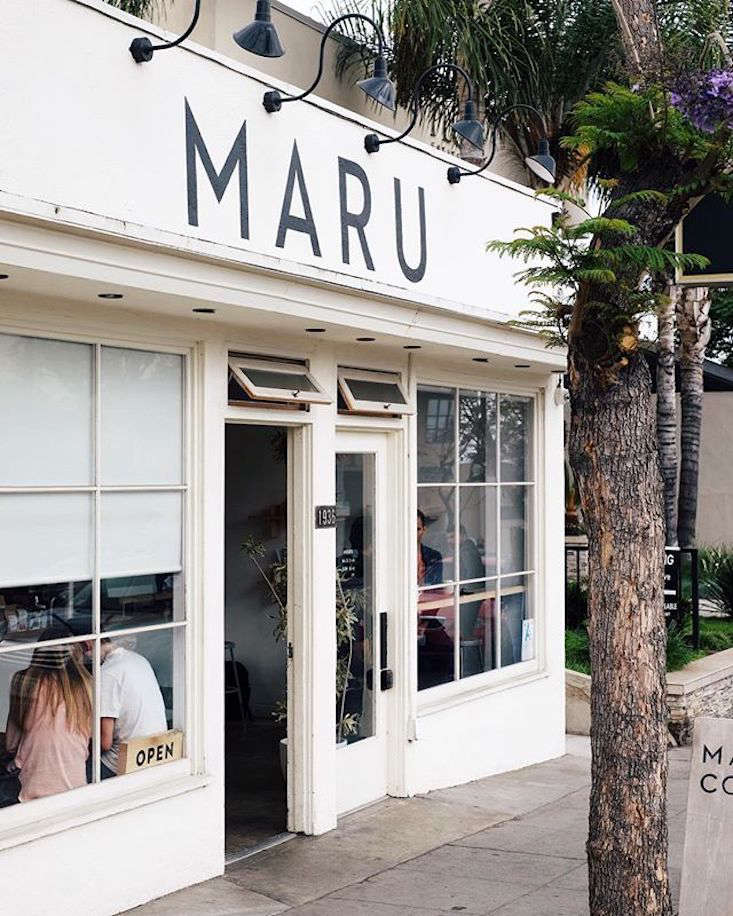
Los Angeles has never been short on coffee shops. You can find espresso in a converted warehouse, a cortado next to a tattoo studio, a latte served under a palm tree, and probably a cold brew being poured somewhere by a person wearing a beanie in 82-degree weather. But even in a city overflowing with caffeine and creative ambition, Maru Coffee stands out with a rare kind of quiet confidence.
Maru Coffee is not loud. It does not need neon slogans, jungle wallpaper, or a menu that reads like a dessert cart got into a minor traffic accident. Instead, Maru builds its reputation on restraint: clean interiors, warm wood, careful coffee, precise service, and an atmosphere that makes you want to lower your voice without knowing exactly why. It is minimalist, yes, but not cold. It is stylish, but not smug. It is the kind of place where a simple cup of coffee feels like it received a thoughtful performance review before reaching your hand.
Founded in Los Angeles by Joonmo Kim and Jacob Park, Maru Coffee began in Los Feliz and expanded into the Arts District before growing into Beverly Hills and beyond. The name comes from the Korean phrase “San Ma Ru,” meaning “mountaintop,” a fitting symbol for a coffee company focused on high-altitude beans, clarity, and quality. That idea of elevation runs through the entire experience: the design, the service, the roasting philosophy, and even the way customers seem to treat the space like a small daily ritual rather than just a caffeine pit stop.
Why Maru Coffee Feels Different From the Typical LA Cafe
Many coffee shops try to impress you immediately. Maru Coffee lets the impression arrive slowly. At first, you notice the light. Then the quiet geometry of the counter. Then the pale wood. Then the calm pace of the baristas. Then, finally, the cup itself, which is usually the point all along.
This is what makes Maru so memorable. It does not treat design as decoration. Design becomes part of the hospitality. The clean walls, handmade-looking furniture, uncluttered bar, and carefully chosen vessels all communicate the same message: pay attention, but relax your shoulders while doing it.
That balance is difficult to achieve. Minimalism can easily become sterile, like a dentist’s office that discovered Pinterest. Maru avoids that trap by using natural materials, warm tones, and human scale. The interiors are sparse, but not empty. The furniture is simple, but not soulless. The space feels curated without seeming allergic to real life.
The Story Behind Maru Coffee
Maru Coffee’s first Los Angeles location opened in Los Feliz, a neighborhood that already understands the art of looking casual while being extremely particular. From there, Maru developed a following among coffee lovers, design enthusiasts, students, artists, and people who claim they are “just grabbing coffee” but somehow return with a 40-minute opinion about espresso texture.
The founders, Joonmo Kim and Jacob Park, built Maru around intention rather than trend-chasing. Their background in coffee shows in the way the brand emphasizes process, sourcing, roasting, and service. But their Korean aesthetic influence is just as important. Instead of overloading the room with visual noise, Maru leans into simplicity, balance, warmth, and negative space.
That approach is especially visible in the Arts District location, where tall ceilings, large windows, wood furniture, concrete flooring, and open space create an almost gallery-like setting. But unlike a gallery, you are allowed to drink something delicious inside without being silently judged by a security guard named Marcus.
Minimalist Design With Warmth, Not Attitude
The most discussed part of Maru Coffee is its design, and for good reason. The cafe’s aesthetic has become a favorite among people who appreciate clean interiors, natural light, handmade details, and the kind of calm that makes your phone feel rude.
The Arts District location, in particular, showcases Maru’s minimalist language beautifully. Pale wood tables and stools soften the concrete floors. White walls reflect daylight. Shelving is functional but elegant. The coffee bar feels organized, not theatrical. Nothing screams for attention, which ironically makes everything easier to notice.
Wood, Concrete, Light, and Space
Maru’s interiors rely on a small vocabulary of materials: wood, concrete, glass, ceramics, metal, and light. That is basically the design equivalent of writing a poem using only six words and somehow making everyone emotional.
The furniture has a handmade, almost architectural honesty. Simple stools, benches, and tables do not compete with the coffee bar; they support the experience. Concrete floors give the space a grounded, urban feel, while the wood brings warmth. Natural light turns the room into something softer throughout the day, especially when it spills across tables and makes even an empty cup look like it is about to be photographed for a design magazine.
Why the Minimalism Works
Maru’s minimalism works because it is not about looking expensive. It is about removing friction. The room does not distract you from conversation, work, reading, or the coffee. There is no visual clutter pulling your attention in twelve directions. You can sit down, take a breath, and notice small things: the crema on an espresso, the texture of a ceramic cup, the quiet rhythm behind the bar.
This is also why Maru feels so different from overly themed cafes. A theme tells you what to think. Maru gives you space to have your own moment. That might sound dramatic for a coffee shop, but anyone who has tried to answer emails in a place blasting dance music at 9:11 a.m. knows that atmosphere matters.
The Coffee Philosophy: Simple, Precise, Memorable
Maru Coffee’s approach to coffee mirrors its design philosophy. The company focuses on clarity, distinctive character, and careful preparation. Rather than chasing complexity for its own sake, Maru often emphasizes coffees with a memorable flavor identity: a fruit note, a syrupy body, a clean finish, or a texture that lingers pleasantly.
This matters because specialty coffee can sometimes become intimidating. Menus can read like a geography quiz married a chemistry exam. Maru keeps things focused. The coffee is serious, but the experience is not hostile. You do not need to know the entire agricultural history of a bean to enjoy your cup, though if you do know it, Maru gives you enough craft to appreciate the details.
Roasting With Intention
Maru is both a cafe and a roaster, which gives the team control over flavor from sourcing to serving. Their public writing emphasizes coffees with clear expression and singular character. That philosophy shows up in the cup. A Maru pour-over or espresso is not trying to do jazz hands. It is trying to be balanced, expressive, and worth remembering.
That restraint is part of the brand’s charm. The drinks are polished without feeling fussy. A well-made espresso arrives with structure. A latte has sweetness and balance. A brewed coffee has enough personality to make you pause, but not so much acidity that your eyebrows attempt to leave your face.
What to Order at Maru Coffee
Maru’s menu is not enormous, and that is a compliment. A smaller menu often means every drink has been thought through. You will usually find espresso drinks, brewed coffee, matcha, tea-based options, and several signature beverages that have become part of the Maru identity.
Cream Top
The Cream Top is one of Maru’s most talked-about drinks. It is an iced long black topped with Maru’s signature cream, creating a layered drink that is bold, silky, and subtly indulgent. Think of it as coffee wearing a very tasteful cashmere sweater. It has richness without becoming dessert-in-a-cup, and the contrast between the espresso and cream is the whole point.
Espresso Tonic
The espresso tonic is another smart order, especially on a warm Los Angeles afternoon. Double espresso over tonic water gives you bitterness, sparkle, citrusy lift, and caffeine in one glass. It is refreshing without being boring, and it feels very LA in the sense that it somehow tastes like productivity and vacation at the same time.
Matcha and Seasonal Drinks
Maru also has a strong reputation for matcha, including ceremonial-grade offerings and carefully prepared matcha lattes. For visitors who want something beyond coffee, matcha is not an afterthought here. The best versions are earthy, smooth, and balanced, avoiding the overly sweet, grassy chaos that can happen when matcha is treated like green food coloring with ambition.
Classic Espresso Drinks
If you prefer the classics, Maru’s espresso drinks are a safe bet. A cappuccino, latte, or long black gives you a clear sense of the house style: balanced, restrained, and clean. These are the kinds of drinks that remind you simple things are only simple when someone knows what they are doing.
Maru Coffee Locations in Los Angeles
Maru Coffee has become a recognizable name across Los Angeles, with locations that each carry the brand’s calm, design-forward sensibility while fitting into their neighborhoods.
Los Feliz
The Los Feliz location on Hillhurst Avenue is the original LA Maru experience and still feels closely tied to neighborhood life. It is compact, beloved, and often busy. Expect a line at peak times, especially if everyone else also decided their morning needed cream top and emotional stability.
Arts District
The Arts District location on South Santa Fe Avenue offers a larger, airier version of Maru’s aesthetic. With high ceilings, large windows, concrete floors, pale wood furniture, and a spacious layout, it is ideal for visitors who want to sit, work, read, or simply experience the design. It is one of the strongest examples of minimalist cafe design in Los Angeles.
Beverly Hills Espresso Bar
Maru’s Beverly Hills espresso bar brings the brand into a more polished setting. The format is focused, elegant, and tailored to the ritual of espresso. It is less about lingering all afternoon and more about a refined, beautifully executed coffee moment.
How Maru Fits Into LA’s Coffee Culture
Los Angeles has become one of America’s most exciting coffee cities, thanks to its independent roasters, multicultural neighborhoods, design-forward cafes, and customers who are perfectly willing to cross town for a drink they saw once on Instagram. The city’s coffee scene is broad and expressive, ranging from historic coffee counters to experimental concept shops.
Maru belongs to the quieter side of that scene. It is not built around spectacle. Instead, it represents a more disciplined style of LA coffee culture: thoughtful sourcing, refined drinks, design restraint, and a strong sense of place. It is creative, but not chaotic. It is fashionable, but not disposable. In a city where many cafes become popular because they photograph well, Maru photographs well because the underlying choices are strong.
Who Will Love Maru Coffee?
Maru Coffee is ideal for people who appreciate design, calm spaces, and carefully prepared drinks. It is also a strong pick for visitors who want to understand modern Los Angeles coffee culture beyond the usual tourist checklist.
Design lovers will appreciate the interiors. Coffee enthusiasts will enjoy the roasting philosophy and precise preparation. Remote workers may gravitate toward the Arts District location, though seating can fill up. Casual visitors can still enjoy the space without needing to know the difference between washed and natural processing. Maru is serious about coffee, but it does not make you take an entrance exam.
Tips for Visiting Maru Coffee
Go earlier in the day if you want a calmer visit. Lines can form, especially at the Los Feliz location. If you want more space, the Arts District cafe is often the better choice. For a quick, elegant coffee stop, Beverly Hills offers a more focused espresso-bar experience.
If it is your first visit, order a Cream Top or espresso tonic if you want a signature drink. Choose a pour-over or espresso if you want to understand the coffee itself. Try matcha if you are not in a coffee mood but still want something crafted with care. And if you are planning to take photos, do it politely. The space is beautiful, but so is not blocking a barista while they are carrying hot liquid.
Why Minimalist Perfection at Maru Coffee Feels So Human
The phrase “minimalist perfection” can sound intimidating, as if the cafe might refuse entry to anyone whose tote bag contains receipts. But Maru’s minimalism feels human because it is grounded in hospitality. The design does not exist to show off. It exists to make room for the coffee, the people, and the moment.
That is why customers return. Not just because the drinks are good, though they are. Not just because the interiors are beautiful, though they certainly are. People come back because Maru creates a consistent feeling: calm, clarity, quality, and care. In a city that often feels like it is moving in eight directions at once, Maru gives you a place to pause without making the pause feel precious.
Experience Notes: Spending Time With the Maru Coffee Mood
To understand Maru Coffee, it helps to think beyond the drink. Yes, the coffee matters. Yes, the matcha matters. Yes, the Cream Top deserves its loyal little fan club. But the full Maru experience is about how all the details work together. It is the kind of place where the cup, counter, chair, light, and silence seem to be in conversation.
Imagine walking into the Arts District location on a bright morning. Outside, the neighborhood has its usual industrial energy: warehouses, studios, delivery trucks, murals, and people walking very small dogs with very large confidence. Then you step inside Maru, and the pace changes. The room feels open and edited. The colors are soft. The counter is clean. The furniture looks sturdy but light. Nobody has tried to turn the wall into a motivational quote convention. Already, your nervous system sends a tiny thank-you note.
You order at the bar, perhaps a Cream Top because everyone keeps talking about it and you are only human. While waiting, you notice how the baristas move. There is no frantic theater, but there is rhythm. Cups are placed carefully. Milk is handled with precision. Espresso is treated like a small event, not a button press. Even if the line is long, the process feels intentional rather than chaotic.
When the drink arrives, the first sip explains the hype better than any review can. The coffee has depth, the cream has texture, and the sweetness stays controlled. It is indulgent, but not childish. You taste contrast: cold coffee, soft cream, roast, sweetness, and a finish that makes you understand why people willingly stand in line for beverages. Humanity has done stranger things for worse reasons.
Then there is the seating experience. Maru is not the plushest cafe in Los Angeles, and that is part of the point. The furniture is not trying to swallow you whole. It encourages alertness. This is a place for reading a chapter, sketching an idea, answering a few emails, meeting a friend, or sitting quietly with your own thoughts. The minimalism does not demand productivity, but it does make distraction feel less powerful.
For design-minded visitors, Maru offers a useful lesson: warmth does not require clutter. A room can feel inviting without being stuffed. A cafe can be photogenic without becoming a stage set. A brand can be recognizable without printing its personality on every possible surface. Maru proves that when materials, proportions, and service are carefully considered, restraint can feel generous.
The Los Feliz location offers a slightly different emotional texture. It feels more neighborhood-driven, more compact, more woven into daily routines. You may see regulars, quick takeout orders, people catching up, and customers who clearly knew what they wanted before they reached the door. That kind of local rhythm gives Maru depth. It is not merely a beautiful cafe for visitors; it is part of daily life for many Angelenos.
The Beverly Hills espresso bar brings another variation. It sharpens the Maru idea into a more focused experience, where the ritual of espresso takes center stage. If the Arts District location is a calm studio and Los Feliz is a neighborhood anchor, Beverly Hills is the polished counterpoint: refined, compact, and classic.
Across these spaces, the most impressive thing about Maru Coffee is consistency. Not sameness, but consistency of intent. Each location understands the brand’s core values: simplicity, quality, warmth, and detail. That consistency is hard to build because it requires saying no repeatedly. No to extra clutter. No to gimmicks. No to making drinks overly complicated just because the market rewards novelty. No to loudness when quiet will do.
For a visitor, that restraint becomes memorable. You leave not only remembering what you drank, but how the place made you feel. Calm. Focused. Slightly more elegant than when you arrived, even if you spilled a drop of coffee on your sleeve and pretended it was part of the outfit.
That is the real perfection of Maru Coffee. It does not pretend a cup of coffee will fix your life. It simply gives you a better setting in which to begin the next part of your day. In Los Angeles, where everything can feel optimized, branded, and over-explained, Maru’s quiet confidence feels almost radical. It serves coffee with care, gives design room to breathe, and reminds you that minimalism is not about having less for the sake of less. It is about making space for what matters.
Conclusion
Maru Coffee has earned its reputation as one of LA’s most beautiful and thoughtful specialty coffee destinations because it understands the power of restraint. From its Korean-influenced minimalist interiors to its precise coffee program and signature drinks, Maru offers an experience that feels calm, polished, and deeply intentional. Whether you visit Los Feliz, the Arts District, or Beverly Hills, the appeal is the same: excellent coffee served in a space that respects silence, light, craft, and time.
In a city packed with dramatic cafes and trend-driven menus, Maru Coffee stands out by doing fewer things better. That is not just good design. That is good hospitality. And yes, it also makes your coffee look unfairly photogenic.