Black mold has a reputation for being the villain in every homeowner’s horror movie. One minute you are brushing your teeth, the next you spot a suspicious dark patch near the shower caulk and suddenly your bathroom feels like a science experiment with plumbing. The good news? Most mold problems can be managed when you act quickly, protect yourself, remove the growth properly, andmost importantlyfix the moisture problem that invited the mold to move in rent-free.
Before we get into the practical steps, let’s clear up one thing: “black mold” is often used as a catch-all phrase for dark-looking mold. Some people use it to refer to Stachybotrys chartarum, but you usually cannot identify mold species by color alone. Whether the mold is black, green, gray, or doing its best abstract-art impression, the cleanup rule stays the same: remove it safely and stop the water source. Killing mold without removing it is like turning off a bad song but leaving the speaker glued to your wall. The problem is still there.
This guide explains how to kill black mold in a practical, homeowner-friendly way, while also showing when to stop, step away, and call a professional mold remediation specialist. Think of it as the calm adult in the roomwearing gloves, goggles, and an N95 respirator.
What Is Black Mold, Really?
Black mold is not one single creature lurking in the shadows. Many indoor molds can look dark or black, including common molds that grow on damp drywall, wood, grout, insulation, ceiling tiles, carpet, and fabric. Mold spores are naturally present indoors and outdoors, but they only become a problem when they land on damp materials and begin growing.
The real villain is moisture. Leaky pipes, roof leaks, poor bathroom ventilation, flooding, condensation, damp basements, and clogged gutters can all create the perfect mold buffet. If you clean the mold but leave the leak, you are basically sending the mold a handwritten invitation to return.
Is Black Mold Dangerous?
Mold exposure affects people differently. Some people have no noticeable symptoms, while others may experience congestion, coughing, wheezing, sore throat, itchy eyes, skin irritation, or asthma flare-ups. People with asthma, mold allergies, chronic lung disease, weakened immune systems, infants, older adults, and pregnant people should be especially cautious around moldy areas.
If someone in the home is having serious breathing trouble, persistent symptoms, fever, or worsening asthma, cleanup should wait until medical advice is obtained. No article on the internetnot even one wearing metaphorical safety gogglesshould replace a qualified health professional.
How to Kill Black Mold: 18 Specialist-Approved Tips
1. Find the Moisture Source First
The first specialist-approved mold removal tip is also the least glamorous: find the water. Check pipes, toilet seals, shower corners, roof penetrations, window frames, HVAC condensation lines, basement walls, and areas behind furniture. If the source is not corrected, mold will keep coming back like a sequel nobody asked for.
2. Decide Whether This Is a DIY Job
Small mold patches on hard surfaces may be manageable for a careful homeowner. However, professional mold remediation is the better choice when the affected area is large, the mold covers more than a small isolated patch, the growth keeps returning, sewage or floodwater was involved, mold is inside HVAC equipment, or anyone in the home has health vulnerabilities.
3. Wear Proper Protective Gear
Before disturbing mold, put on protective equipment. At minimum, use an N95 respirator, goggles without ventilation holes, rubber gloves, long sleeves, long pants, and washable or disposable outer clothing. Mold cleanup is not the moment to wear your favorite concert T-shirt unless you want it to retire dramatically.
4. Isolate the Work Area
Close doors, cover vents, and use plastic sheeting when needed to separate the moldy area from the rest of the home. The goal is to avoid spreading spores into clean rooms. For bigger cleanup jobs, professionals may use containment barriers, negative air machines, HEPA filtration, and specialized equipment.
5. Ventilate Safely
Open windows and doors if outdoor conditions allow. If using a fan, do not blow air across moldy surfaces into other rooms. Instead, aim ventilation toward the outdoors when possible. Good ventilation helps reduce chemical fumes from cleaners and supports drying, but careless airflow can spread spores faster than gossip in a group chat.
6. Remove Wet, Moldy Porous Materials
Porous materials are tricky because mold can grow into tiny spaces below the surface. Moldy ceiling tiles, carpet, padding, insulation, heavily damaged drywall, upholstered furniture, and soaked fabric may need to be discarded. Bag contaminated materials before carrying them through the house to avoid spreading spores.
7. Clean Hard Surfaces With Detergent and Water
For hard, nonporous surfaces such as tile, glass, metal, sealed countertops, and some plastics, scrub visible mold with detergent and water. Use a stiff brush, sponge, or scrub pad depending on the surface. The key word is scrub. Mold removal is physical work, not just a spray-and-pray situation.
8. Dry Everything Completely
After cleaning, dry the area thoroughly. Use dehumidifiers, safe ventilation, towels, and fans aimed away from clean areas. Mold needs moisture to grow, so drying is not a finishing touchit is the main event. Damp materials should ideally be dried within 24 to 48 hours after leaks or flooding when possible.
9. Use Bleach Carefully and Only Where Appropriate
Bleach can be used on some hard, nonporous surfaces, but it is not recommended as a routine solution for every mold problem. If bleach is used, never mix it with ammonia, vinegar, or other cleaners. Use no more than one cup of household bleach per gallon of water, ventilate the area, and follow the product label. Bleach fumes are not a personality test; if the smell is overwhelming, leave and get fresh air.
10. Understand That “Killing” Is Not Enough
Dead mold can still trigger allergic reactions in some people. That means the goal is not simply to kill black mold; the goal is to remove mold growth and contaminated dust. A surface can be chemically treated and still be a problem if mold residue remains behind.
11. Avoid Painting or Caulking Over Mold
Painting over mold is the home-improvement version of sweeping crumbs under the rug. It looks better for a minute, then fails. Paint and caulk applied over moldy surfaces may peel, crack, or allow the problem to continue underneath. Clean, remove, dry, and repair first; paint later.
12. Do Not Rely on Air Fresheners
A musty smell means there may be active moisture or hidden mold. Air fresheners, candles, and sprays only mask the odor. They do not fix water damage, remove spores, or clean contaminated materials. If your basement smells like “lavender swamp,” the lavender is not winning.
13. Check Hidden Mold Hotspots
Look behind baseboards, under sinks, around washing machines, behind toilets, near water heaters, under carpets, inside closets against exterior walls, and around windows. Mold often grows where air movement is poor and moisture lingers. If you suspect hidden mold inside wall cavities, avoid tearing into materials without proper containment.
14. Keep Indoor Humidity Under Control
Aim to keep indoor humidity below 50% when possible, or at least below 60%. A simple hygrometer can help you monitor humidity in bathrooms, basements, laundry rooms, and crawl spaces. Dehumidifiers, air conditioning, exhaust fans, and improved drainage can make a major difference.
15. Improve Bathroom and Kitchen Ventilation
Bathrooms and kitchens are mold’s favorite vacation destinations. Use exhaust fans during showers and cooking, and let them run long enough to remove moisture. If your bathroom mirror stays foggy for a long time, your ventilation is politely begging for help.
16. Fix Exterior Water Problems
Mold prevention is not only an indoor job. Clean gutters, extend downspouts, slope soil away from the foundation, seal exterior gaps, repair roof leaks, and address basement seepage. Water that collects around the home can eventually become water inside the home, and mold is always happy to attend that party.
17. Use HEPA Cleaning Methods When Needed
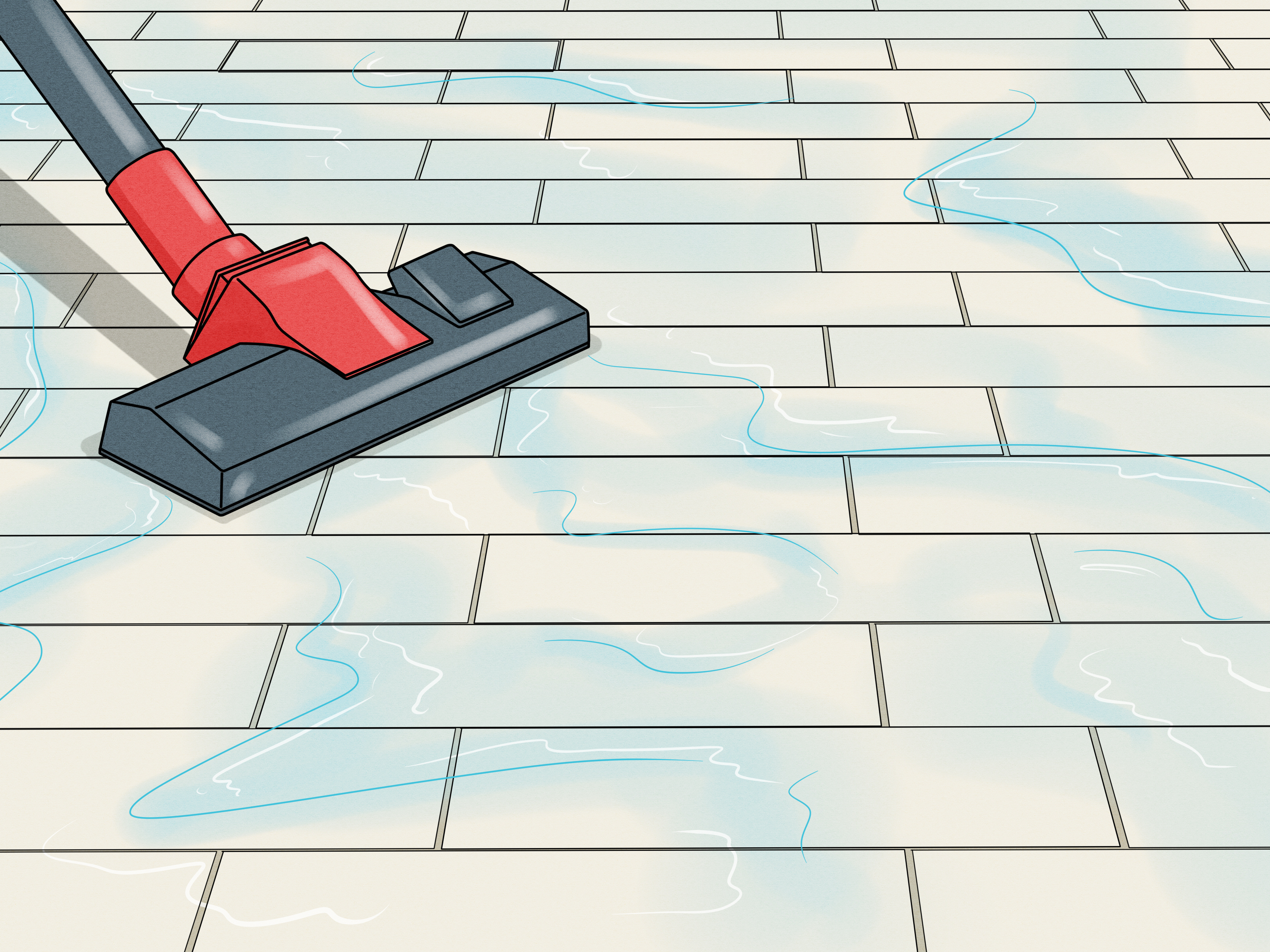
For dusty cleanup after mold removal, a HEPA vacuum can help capture fine particles more effectively than a regular household vacuum. Professionals may use HEPA vacuums and air scrubbers during remediation. If you use a vacuum, follow the manufacturer’s instructions and avoid spreading dust while emptying or changing filters.
18. Hire a Professional for Complex Mold Problems
Call a qualified mold remediation professional when mold covers a large area, is caused by sewage or contaminated floodwater, affects HVAC systems, returns repeatedly, appears after major water damage, or is located inside walls or ceilings. A good specialist should explain containment, removal, drying, cleaning, disposal, and verification steps clearly.
Best Cleaners for Black Mold: What Works and What Does Not
For many small jobs on hard surfaces, detergent and water are enough to remove visible mold. Some homeowners also use hydrogen peroxide or EPA-registered antimicrobial products designed for mold cleanup. The product should match the surface and the situation. Always read labels, ventilate, wear PPE, and avoid mixing chemicals.
Vinegar is often discussed as a household mold cleaner, and it may help with minor surface cleaning in some situations. However, it is not a magic potion. It should not be mixed with bleach, and it may damage natural stone or certain finishes. When in doubt, test a small area first and choose the gentlest effective method.
When Black Mold Keeps Coming Back
If mold returns after cleaning, the moisture problem was not solved. Look for slow leaks, condensation, hidden water damage, poor insulation, blocked vents, high indoor humidity, or exterior drainage problems. Recurrent mold is not stubborn because it has a strong work ethic. It is stubborn because it still has water.
In bathrooms, recurring black spots on caulk may mean the caulk is old, cracked, or separating from the surface. Remove damaged caulk, clean and dry the joint thoroughly, and apply mold-resistant bathroom caulk only after the area is completely dry. In basements, repeated mold may require dehumidification, foundation repairs, or improved drainage.
What Not to Do During Mold Cleanup
Do not sand dry mold without containment. Do not use a regular vacuum on heavy mold contamination. Do not mix bleach with vinegar, ammonia, toilet cleaner, or any mystery bottle under the sink. Do not ignore mold because it is “only a little spot” if the spot keeps growing. Do not let children, pets, or sensitive individuals stay near the cleanup area.
Most importantly, do not assume that strong-smelling chemicals equal better cleaning. Mold remediation is about moisture control, safe removal, drying, and prevention. Your home should smell clean afterward, not like a swimming pool got into a fight with a janitor’s closet.
Prevention: How to Keep Black Mold From Returning
After cleaning, prevention becomes the real victory lap. Keep humidity low, run bathroom fans, repair leaks quickly, dry wet items fast, clean gutters, improve airflow, and avoid carpeting in bathrooms or damp basements. Store items in plastic bins instead of cardboard in moisture-prone areas. Move furniture slightly away from cold exterior walls so air can circulate.
Also, pay attention to small warning signs: peeling paint, bubbling drywall, musty odors, condensation on windows, water stains, or a room that always feels damp. The earlier you respond, the easier the cleanup usually is.
Real-World Experience: What Mold Cleanup Teaches You Fast
Anyone who has dealt with black mold learns one lesson quickly: the visible patch is often only the headline, not the whole story. A homeowner may notice a few dark dots on bathroom grout and assume the problem is cosmetic. Then they discover the exhaust fan barely works, the shower caulk has gaps, and the wall stays damp for hours after every shower. In that case, scrubbing the grout helps, but replacing failed caulk and improving ventilation solves the bigger issue.
Another common experience happens under kitchen sinks. A tiny drip from a supply line can go unnoticed because cleaning bottles, trash bags, and old sponges hide the cabinet floor. By the time someone smells mustiness, the particleboard may be swollen and stained. The smart move is to empty the cabinet, fix the leak, remove damaged material, clean hard surfaces, and dry the area with airflow and a dehumidifier. The less smart move is to spray something lemon-scented and pretend the cabinet has become “rustic.”
Basements teach a different lesson: humidity can be just as guilty as a dramatic leak. Many basements develop mold on stored boxes, wood framing, or furniture because the air stays damp for long periods. A dehumidifier, humidity meter, better drainage, and smarter storage can prevent repeat growth. Cardboard boxes are especially risky in damp spaces because they absorb moisture and provide food for mold. Plastic storage bins are not glamorous, but neither is discovering that your holiday decorations now smell like an old cave.
Flood cleanup brings the most serious reality check. When water has been contaminated by sewage, stormwater, or unknown flood sources, the job becomes more than routine cleaning. Porous materials may need removal, workers need stronger protection, and professional help is often the safest route. Speed matters, but safety matters more. Electricity, structural damage, contaminated water, and mold exposure can overlap in dangerous ways.
The most practical experience-based advice is simple: document the problem, protect your body, remove what cannot be cleaned, scrub what can, dry aggressively, and verify that the moisture is gone. A cheap humidity meter can become your best friend. So can a flashlight, a pair of gloves, and the willingness to investigate suspicious stains before they become expensive renovation projects.
Homeowners also learn that mold cleanup is not about panic. It is about process. Find water. Stop water. Protect people. Remove mold. Dry materials. Prevent return. That sequence works because it addresses the actual biology of mold growth. Mold does not need drama; it needs moisture. Take away the moisture, remove the contaminated material, and your home becomes a much less appealing neighborhood for fungal freeloaders.
Conclusion
Learning how to kill black mold is really learning how to remove mold safely and stop it from coming back. The specialist-approved approach is not complicated, but it does require discipline: identify moisture, wear PPE, isolate the work area, scrub hard surfaces, discard badly contaminated porous materials, dry everything completely, and avoid risky chemical mixtures. For small surface problems, careful DIY cleanup may work well. For large, hidden, recurring, HVAC-related, sewage-related, or health-sensitive situations, professional mold remediation is the safer choice.
Black mold may look intimidating, but it is not unbeatable. Treat it early, respect the health risks, and remember the golden rule: no moisture, no mold party.
Note: This article is for general educational purposes and home maintenance guidance. People with asthma, allergies, chronic lung disease, weakened immune systems, or persistent symptoms should consult a qualified health professional before participating in mold cleanup.