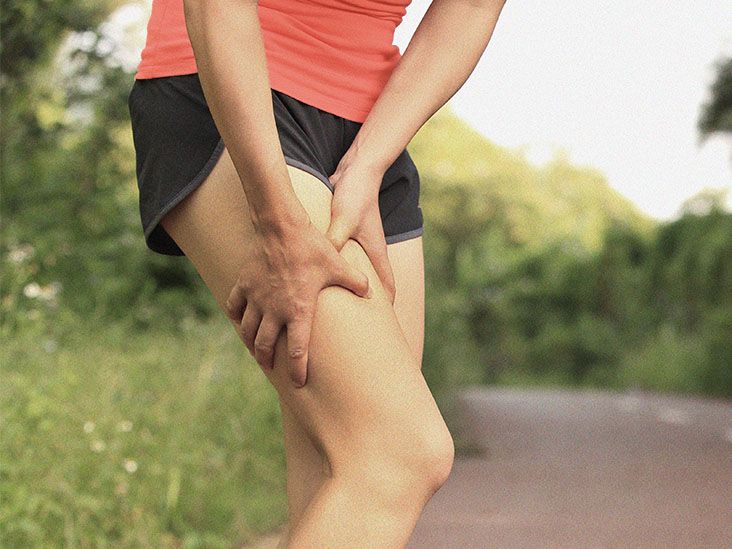
Meralgia paresthetica sounds like a spell from a wizard who specializes in uncomfortable thighs, but it is a very real nerve-compression condition. It usually causes burning, tingling, numbness, or stabbing discomfort on the outer thigh. The troublemaker is the lateral femoral cutaneous nerve, a sensory nerve that travels from the pelvis toward the front and outside of the thigh. When this nerve gets squeezed near the groin or hip, it can send cranky signals down the thigh like an overdramatic group text.
The good news: many people improve with conservative care. That often means reducing pressure on the nerve, avoiding tight waistbands or tool belts, adjusting activity, improving hip and core mobility, and using gentle strengthening exercises. Exercises are not magic, and they should not be painful, but the right routine can help create more room around the hip, support better posture, and improve movement confidence.
This guide explains the best meralgia paresthetica exercises for pain relief and mobility, how to do them safely, what to avoid, and how to build a simple routine that does not turn your living room into a physical therapy boot camp.
What is meralgia paresthetica?
Meralgia paresthetica, also called lateral femoral cutaneous nerve entrapment or Bernhardt-Roth syndrome, happens when the lateral femoral cutaneous nerve becomes compressed or irritated. Because this nerve is sensory, symptoms usually involve feeling rather than muscle strength. People often describe burning, tingling, numbness, buzzing, aching, or electric discomfort on the outer thigh. Symptoms may worsen with standing, walking, hip extension, tight clothing, or pressure around the waist and groin.
Common triggers include tight belts, restrictive pants, weight gain, pregnancy, diabetes, injury, repetitive hip movement, prolonged standing, or equipment that presses across the front of the hip. Sometimes the cause is obvious: a heavy tool belt, a tight uniform, or jeans that require negotiation and deep breathing. Other times, the nerve becomes irritated gradually and the reason is less clear.
How exercise helps meralgia paresthetica
Exercise helps indirectly. It does not “stretch the nerve back into place,” and it should never be used to push through nerve pain. Instead, a well-designed routine may reduce tension around the hip flexors, improve pelvic control, strengthen the glutes and core, and encourage smoother walking mechanics. Think of it as improving the neighborhood around the nerve so it stops complaining every time you stand up.
The best exercises usually fall into three groups: gentle mobility, hip and core strengthening, and low-impact aerobic movement. Stretching may help if tight hip flexors, quadriceps, or surrounding muscles increase pressure near the front of the hip. Strengthening may help because stronger glutes and abdominal muscles reduce overreliance on the hip flexors. Low-impact movement supports circulation and confidence without adding unnecessary compression.
Before you start: safety rules that matter
Before beginning meralgia paresthetica exercises, remember one rule: nerve pain is not a motivational coach. Mild stretching tension is acceptable, but sharp pain, increasing burning, spreading numbness, or symptoms that last long after exercise are signs to stop and modify.
Seek medical advice if symptoms are severe, worsening, associated with weakness, linked to back pain that travels down the leg, or accompanied by bladder or bowel changes. Because the lateral femoral cutaneous nerve is sensory, true leg weakness may point to another issue, such as lumbar nerve root irritation or a different nerve problem. Also talk with a clinician if symptoms persist despite several weeks of conservative care.
Best exercises for meralgia paresthetica pain relief and mobility
Use these exercises as a gentle starting point. Begin with fewer repetitions and build slowly. If one exercise irritates symptoms, skip it and try another. Your thigh does not give bonus points for suffering.
1. Kneeling hip flexor stretch
The hip flexors sit at the front of the hip. When they are tight, they may contribute to anterior hip tension and pelvic positioning that aggravates symptoms.
How to do it: Kneel on your affected-side knee with the other foot in front, like a short lunge. Keep your torso upright. Gently tuck your pelvis under, as if bringing your belt buckle toward your ribs. Shift forward slightly until you feel a stretch in the front of the hip. Hold for 20 to 30 seconds. Repeat 2 to 3 times per side.
Tip: Do not arch your lower back. If kneeling bothers your knee, place a pillow underneath or try the standing version.
2. Standing hip flexor stretch
This is a friendlier option if kneeling is uncomfortable.
How to do it: Stand in a split stance with the affected leg behind you. Keep both feet pointing forward. Slightly bend the front knee, tuck your pelvis, and shift your weight forward. You should feel a gentle stretch at the front of the back hip. Hold for 20 to 30 seconds. Repeat 2 to 3 times.
Tip: Keep it gentle. Leaning aggressively forward may increase pressure at the groin.
3. Quadriceps stretch
The quadriceps connect into the front of the thigh and hip area. Stretching them may reduce tightness that contributes to discomfort.
How to do it: Stand near a wall or chair for balance. Bend the knee on the affected side and bring your heel toward your buttock. Hold your ankle or pant leg. Keep your knees close together and your pelvis slightly tucked. Hold for 20 seconds. Repeat 2 to 3 times.
Modification: If grabbing your ankle is difficult, use a towel or strap around the ankle.
4. Figure-four stretch
This stretch targets the glutes and deep hip muscles. It can help restore hip mobility without forcing the front of the hip.
How to do it: Lie on your back with knees bent. Cross one ankle over the opposite thigh, forming a “4.” If comfortable, pull the uncrossed thigh toward your chest until you feel a stretch in the outer hip and buttock. Hold for 20 to 30 seconds. Repeat 2 times per side.
Tip: Stop if it increases outer-thigh burning. A stretch in the buttock is fine; nerve zing is not the goal.
5. Pelvic tilts
Pelvic tilts are small, controlled movements that improve awareness of the pelvis and lower back. They are simple, but simple is not the same as useless.
How to do it: Lie on your back with knees bent and feet flat. Gently flatten your lower back toward the floor by tightening your abdominal muscles. Then relax and allow a small natural arch to return. Move slowly. Do 10 to 15 repetitions.
Tip: Keep the movement small. This is not a dramatic dance move; it is a calm conversation with your pelvis.
6. Glute bridges
Glute bridges strengthen the buttock muscles, which help support hip mechanics and reduce unnecessary strain through the front of the hip.
How to do it: Lie on your back with knees bent and feet hip-width apart. Tighten your glutes and lift your hips until your body forms a straight line from shoulders to knees. Pause for one second, then lower slowly. Start with 8 to 10 repetitions and build to 2 sets.
Tip: If you feel the work mostly in your lower back or front of the thigh, lower the height and focus on squeezing the glutes.
7. Clamshells
Clamshells target the gluteus medius, a key hip stabilizer. Better hip stability may reduce compensation patterns that irritate the thigh.
How to do it: Lie on your side with knees bent and feet stacked. Keep your pelvis still. Lift the top knee while keeping your feet together, then lower slowly. Do 10 repetitions per side. Add a resistance band only after the movement feels easy and symptom-free.
Tip: Do not roll backward. If your torso rocks, the exercise becomes “confused clam,” which is less helpful.
8. Bird dog
The bird dog strengthens the core, glutes, and back muscles while training control.
How to do it: Start on hands and knees. Brace your abdomen gently. Extend one arm forward and the opposite leg backward. Keep your hips level. Hold for 2 to 3 seconds, then return. Alternate sides for 8 to 10 repetitions.
Modification: Start with legs only or arms only if the full version feels unstable.
9. Side-lying hip abduction
This movement strengthens the side hip muscles, which support walking and standing.
How to do it: Lie on your side with the bottom knee bent for support and the top leg straight. Lift the top leg about 12 to 18 inches, keeping the toes pointed forward. Lower slowly. Do 8 to 12 repetitions per side.
Tip: If this causes outer-thigh nerve symptoms, reduce the range or return to clamshells.
10. Gentle walking
Walking can be helpful, but dosage matters. Long walks may aggravate symptoms in some people, especially if hip extension increases nerve irritation.
How to do it: Start with 5 to 10 minutes on flat ground. Wear loose clothing and comfortable shoes. Walk at a conversational pace. If symptoms stay calm, add a few minutes every several days.
Tip: Short, frequent walks often work better than one heroic march. Your nerve is not impressed by heroics.
A simple weekly routine
Here is a beginner-friendly routine for meralgia paresthetica mobility and pain relief. Perform it 4 to 5 days per week, adjusting based on symptoms.
Warm-up: 3 to 5 minutes
Walk around the room, march gently in place, or use a stationary bike with low resistance. The goal is to warm the muscles, not audition for a fitness commercial.
Mobility: 5 to 8 minutes
Choose two stretches: kneeling hip flexor stretch, standing hip flexor stretch, quadriceps stretch, or figure-four stretch. Hold each for 20 to 30 seconds and repeat twice.
Strength: 8 to 12 minutes
Choose two or three strengthening moves: pelvic tilts, glute bridges, clamshells, bird dogs, or side-lying hip abduction. Start with one set. Add a second set once symptoms remain stable.
Cool down: 2 minutes
Walk slowly and breathe deeply. Check your symptoms. A little muscle fatigue is fine. Increased burning, numbness, or sharp pain means the routine needs to be easier next time.
Exercises and habits to avoid
Some movements may increase symptoms by compressing the front of the hip or irritating the nerve. Avoid deep lunges, aggressive hip flexor stretching, heavy squats, prolonged cycling in a forward-bent position, tight compression shorts, and weighted belts if they worsen symptoms. Also avoid sitting with a hard waistband pressing into the groin area for long periods.
If cycling is your favorite workout, try raising the handlebars, reducing resistance, shortening sessions, or switching temporarily to walking or pool exercise. If your symptoms are triggered by a work belt, consider suspenders, a vest, a rolling toolbox, or another setup that does not squeeze the front of the hip.
Other conservative strategies that support exercise
Exercise works best when combined with pressure reduction. Choose looser pants, avoid tight belts, and reduce direct pressure near the inguinal ligament. If weight gain is a contributing factor, gradual weight management may reduce nerve compression over time. People with diabetes should work with their health care team to manage blood sugar, because nerve health and metabolic health are closely connected.
Over-the-counter pain relievers may help some people, but they are not appropriate for everyone. If symptoms are persistent, a clinician may discuss prescription medications for nerve pain, corticosteroid injections, nerve blocks, or other treatments. Surgery is uncommon, but it may be considered for severe cases that do not respond to conservative care.
When to see a doctor or physical therapist
See a health care professional if symptoms last more than a few weeks, interfere with sleep, make walking difficult, or do not improve after reducing pressure and trying gentle exercise. A physical therapist can identify movement patterns, hip weakness, back involvement, and daily habits that may be feeding the problem. A clinician may also rule out conditions that mimic meralgia paresthetica, such as lumbar radiculopathy, hip joint problems, diabetic neuropathy, or femoral nerve issues.
Get urgent medical care if you have sudden leg weakness, loss of bladder or bowel control, fever, unexplained weight loss, severe back pain with neurological symptoms, or symptoms after major trauma. Meralgia paresthetica is usually not dangerous, but not every thigh symptom is meralgia paresthetica.
Real-life experience: what living with meralgia paresthetica can feel like
People often describe meralgia paresthetica as confusing before it becomes manageable. One day the outer thigh burns during a walk, and the next day it feels numb while standing in line at the grocery store. Sitting may feel fine, then a tight waistband turns the thigh into a tiny electrical storm. Because the symptoms are sensory and can come and go, many people initially wonder whether the problem is in the skin, muscle, hip, back, or imagination. For the record, it is not “just in your head.” Nerves are excellent at being dramatic without asking permission.
A common experience is discovering that small lifestyle changes matter more than expected. Someone may switch from a tight belt to looser pants and notice less burning by the end of the week. A worker who wears a tool belt may move equipment to a rolling cart and suddenly realize the nerve had been protesting the belt, not the job itself. A walker may shorten a 45-minute route into three 15-minute walks and find that symptoms calm down without giving up movement entirely.
Exercise experiences also vary. Some people love hip flexor stretches right away because they feel relief across the front of the hip. Others find that too much stretching increases symptoms and need to focus first on pelvic tilts, glute bridges, and gentle walking. This is normal. Meralgia paresthetica is not a one-size-fits-all condition, and the best routine is the one your body accepts without sending angry nerve mail afterward.
Progress can feel uneven. A person may have three good days, then one bad day after a long car ride or a day of standing. That does not mean the plan failed. It usually means the nerve is still sensitive and the total daily load was too high. Tracking symptoms can help. Write down what you wore, how long you stood or walked, which exercises you did, and how symptoms responded. Patterns often appear after a week or two.
The biggest lesson is patience. Nerves can calm slowly. Muscles may feel better after one stretch, but irritated nerves often prefer consistency, lower pressure, and gradual exposure. A smart plan might look almost too easy at first: loose clothing, five minutes of walking, two gentle stretches, one set of bridges, and a break before symptoms flare. That is not laziness. That is strategy wearing comfortable pants.
Many people do best when they stop chasing instant relief and start building a repeatable routine. The goal is not to defeat the thigh in one workout. The goal is to teach the hip, pelvis, and nervous system that ordinary movement is safe again. With the right modifications, clinical guidance when needed, and a little humility about waistbands, meralgia paresthetica often becomes less mysterious and much more manageable.
Conclusion
Meralgia paresthetica can be annoying, painful, and oddly specific: one strip of outer thigh acting like it has a personal grudge. But because the condition is often related to nerve compression, practical changes can make a meaningful difference. Looser clothing, reduced pressure at the hip, gentle stretching, glute and core strengthening, and low-impact movement are the foundation of many conservative care plans.
The best exercises for meralgia paresthetica are gentle, consistent, and symptom-aware. Start small. Avoid forcing painful stretches. Strengthen the hips and core gradually. Pay attention to clothing, belts, work gear, and sitting posture. Most importantly, get medical guidance if symptoms persist, worsen, or include weakness. Pain relief and better mobility are possible, but your nerve will appreciate a calm plan more than a dramatic workout montage.