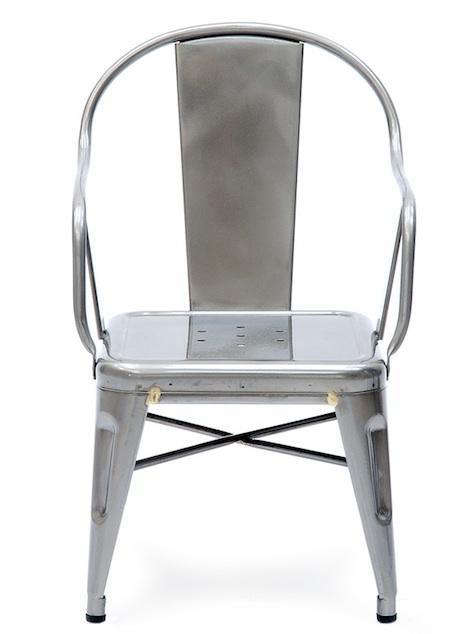
There are children’s rooms, and then there are children’s rooms that look as if a tiny Parisian café quietly moved in, unpacked a box of crayons, and decided to stay for story time. That is the charm behind Tolix Kids furniture at Antiquaire: small-scale metal furniture with grown-up design credentials, playful color possibilities, and enough personality to make a toy-strewn bedroom feel intentionally styled rather than “a raccoon held a birthday party here.”
The original buzz came from Antiquaire, Melissa Edelman’s design-minded shop in the Chicago area, which was known for bringing the full Tolix line to the American market. Remodelista spotlighted Antiquaire’s Tolix Kids offerings, including the Mouette Seagull Armchair, Cigogne Stork Pedestal Table, Rhino Desk, and Tortoise Toy Box. These pieces were not miniature throwaways. They were kid-sized versions of an industrial design language that has been admired for decades: sturdy metal, crisp silhouettes, practical finishes, and an unmistakable French workshop spirit.
For parents, decorators, and anyone who has ever stepped barefoot on a toy dinosaur at 6:14 a.m., the idea is irresistible. Children’s furniture should be durable, easy to clean, scaled for independence, and beautiful enough that adults do not have to pretend they enjoy primary-colored plastic forever. Tolix Kids furniture answers that wish with a wink, a clang, and a very chic little chair.
What Makes Tolix Kids Furniture Special?
Tolix is best known for its iconic metal seating, especially the Chair A, associated with French designer and metalworker Xavier Pauchard. The brand’s history is rooted in galvanized steel, industrial production, and practical furniture designed to survive daily use. That matters in a child’s room because daily use is not gentle. Children do not “sit” in chairs so much as test them for aerodynamics, drum potential, fort compatibility, and snack resistance.
The Tolix Kids collection takes that adult design heritage and shrinks it to a child-friendly scale. The result is furniture that feels playful without becoming cartoonish. A small metal armchair beside a low desk can serve as an art station. A pedestal table can become a tea-party headquarters, puzzle zone, or Lego negotiation table. A metal toy box can store blocks, stuffed animals, or the mysterious collection of pebbles every child insists is “important.”
The Key Pieces: Mouette, Cigogne, Rhino, and Tortoise
The names alone are charming. The Mouette Seagull Armchair brings classic Tolix character to child-sized seating. The Cigogne Stork Pedestal Table creates a compact activity surface. The Rhino Desk offers a more focused workspace for drawing, homework, or very official sticker paperwork. The Tortoise Toy Box adds storage with personality, proving that even clutter can have a design strategy if you give it the right container.
What makes these pieces especially appealing is their flexibility. They are not locked into one theme. They can work in a modern nursery, a vintage-inspired bedroom, a shared sibling space, a playroom, or a family room corner where children need their own zone. Pair them with striped bedding and they feel French seaside. Add warm wood shelves and they become industrial farmhouse. Mix them with bright rugs and gallery walls and suddenly the room says, “Yes, we own washable markers, but we also have taste.”
A Brief History of Tolix: From Workshop to Design Icon
Tolix was established in Burgundy, France, where Xavier Pauchard helped introduce galvanization techniques to French furniture making. Galvanized steel was valued because it could resist corrosion and handle outdoor and commercial use. That practical foundation is the secret behind Tolix’s lasting appeal: the furniture looks stylish because it was first designed to work hard.
The famous Tolix look became associated with cafés, terraces, workshops, kitchens, and public spaces. Its sheet-metal structure, stackable form, and lightweight strength helped it move from practical seating to design classic. Today, Tolix pieces are widely recognized as icons of industrial furniture design, loved for their mix of utility and elegance.
That history gives the kids’ collection a nice little design pedigree. A child’s chair is no longer just a place to sit while coloring a dragon purple. It becomes a miniature introduction to good design: form, function, material honesty, and durability. Naturally, the child may still use it as a launchpad for a plush rabbit. Design education starts somewhere.
Why Antiquaire Was the Perfect U.S. Home for Tolix Kids
Antiquaire’s appeal has always been its taste for European antiques, vintage pieces, and authentic design with a story. Chicago Magazine described Antiquaire as a rare U.S. source for the full Tolix line, noting Melissa Edelman’s connection to the brand and her access to a broad range of styles and colors. That made the shop an ideal place to introduce Tolix Kids to American design lovers.
Children’s rooms often suffer from a strange decorating divide. Adult spaces get thoughtful materials, layered colors, and furniture meant to last. Kids’ spaces get temporary pieces that look tired after one growth spurt and three juice-box incidents. Antiquaire’s Tolix Kids offering pushed against that habit. It suggested that a child’s room can be practical, whimsical, and design-aware at the same time.
There is also a wonderful old-meets-new tension at play. Antiquaire, with its antique-dealer sensibility, presented modern metal children’s furniture that still felt connected to history. Tolix Kids pieces are new, but they carry the visual memory of schoolrooms, cafés, workshops, and European utility furniture. In a child’s room, that heritage feels fresh rather than fussy.
Color Is the Secret Ingredient
One of the most exciting details from the Antiquaire offering was the ability to custom order Tolix Kids pieces in RAL colors. RAL is a European color matching system widely used for paints, coatings, and industrial finishes. In practical decorating terms, that means parents could go beyond “whatever color is in stock” and choose a finish that truly fits the room.
A steel Mouette armchair has one personality. A sunny yellow one has another. A soft pink chair next to a white bed feels sweet but not sugary. A deep green Rhino Desk can make a room feel scholarly in the best tiny-professor way. A bright red table can become the focal point of an otherwise neutral bedroom. Color lets Tolix Kids furniture become either the quiet supporting actor or the star of the room.
Color Ideas for Different Children’s Room Styles
For a Scandinavian-inspired children’s room, choose white, pale gray, powder blue, or soft sage. These colors keep the room calm and allow wood toys, cotton bedding, and books to bring warmth. For a vintage schoolhouse look, go with cream, black, forest green, or raw metal finishes. Add a chalkboard, wall hooks, and old-fashioned alphabet prints for a room that feels nostalgic without becoming a museum exhibit.
For a playful modern room, try yellow, tomato red, cobalt blue, or bubblegum pink. The trick is to use strong color in one or two pieces rather than everywhere. A bright Tolix chair works beautifully when the rug, curtains, and bedding are more restrained. Otherwise, the room may start to feel like a crayon box staged a coup.
Why Child-Sized Furniture Matters
Good children’s furniture is not just cute. It supports independence. Organizations such as NAEYC emphasize the value of sturdy, safe, child-sized chairs, tables, and shelves because children can use them without constant adult help. In a home, that can mean a toddler sitting down to draw, a preschooler reaching books independently, or an older child having a dedicated desk for homework and projects.
A properly scaled chair and table help children feel ownership of their space. Instead of climbing into furniture designed for adults, they can sit, stand, reach, and tidy up with confidence. That sense of control matters. A child who can access art supplies, return toys to a low storage bin, and sit comfortably at a desk is more likely to use the room as intended. Will they still leave socks in surprising places? Absolutely. Furniture is powerful, not magical.
Tolix Kids furniture fits into this philosophy because it offers real furniture at a smaller scale. The pieces are not merely decorative props. They are designed for actual activities: drawing, reading, sorting, building, snacking, pretending, and occasionally arguing with a stuffed bear about bedtime.
Safety First: Beautiful Furniture Still Needs Smart Planning
Any article about children’s furniture should pause for the serious part: safety. The U.S. Consumer Product Safety Commission has long warned families about furniture and TV tip-over risks and encourages anchoring appropriate furniture to walls. The STURDY Act and related safety standards have also increased attention on clothing storage units, stability testing, and warning requirements for furniture that can pose risks to young children.
Metal furniture can be wonderfully durable, but parents should still evaluate each piece carefully. Look for stable bases, smooth edges, appropriate scale, safe finishes, and sensible placement. Avoid putting climbable furniture near windows. Anchor tall storage pieces. Keep heavy objects low. Do not place tempting toys on high shelves where a child may try to climb. In a nursery or baby room, follow safe sleep guidance from the American Academy of Pediatrics and keep sleep spaces clear of soft bedding, pillows, loose blankets, and toys.
The best children’s rooms balance beauty with boring-but-important safety decisions. Yes, the room can have a charming little French metal chair. It should also have secured storage, clear walking paths, covered outlets, and furniture arranged so a midnight bathroom trip does not become an obstacle course worthy of a game show.
How to Style Tolix Kids Furniture in a Real Home
The easiest way to style Tolix Kids furniture is to treat it as a design accent with practical purpose. A Mouette chair and Cigogne table can create a reading and drawing corner near a window. Add a small wall shelf for books, a washable cotton rug, and a task lamp. The metal furniture provides structure; the textiles soften the space.
In a shared bedroom, two matching Tolix chairs can give each child a personal seat while keeping the room visually tidy. Choose one color for both chairs if you want calm symmetry, or pick two related colors if each child wants a say. For example, pale blue and soft green feel cohesive. Neon orange and glitter purple may require diplomatic intervention.
The Rhino Desk works well when paired with wall-mounted organization. Add a peg rail, small bins, or labeled baskets within reach. Children are more likely to clean up when storage is obvious and easy. A Tortoise Toy Box can sit at the foot of a bed or under a window, storing toys while adding sculptural charm.
Mixing Metal with Softer Materials
Because Tolix furniture has an industrial edge, it benefits from contrast. Pair metal with linen curtains, wool rugs, wood shelves, woven baskets, and warm lighting. This keeps the room from feeling cold. In children’s rooms, texture matters because it makes the space feel welcoming, not like a very stylish storage unit.
Try a metal Tolix desk with a corkboard above it, a sheepskin-style seat pad, and a wooden book ledge nearby. Or place a bright metal chair beside a vintage pine bed. The mix of old, new, hard, and soft creates a room that feels layered and lived in.
Storage: The Unsung Hero of Children’s Rooms
Storage is where children’s rooms either succeed or collapse into a pile of puzzle pieces. A beautiful chair will not save a room if every surface is buried under plastic animals and half-finished craft projects. That is why a piece like the Tortoise Toy Box is more than decorative. It gives clutter a destination.
The best kids’ storage is low, visible, and easy to use. Bins should not be so heavy that children cannot move them. Labels can use words, pictures, or both. Open shelves work well for books and favorite toys, while closed storage is better for visual chaos: costumes, blocks, stuffed animals, and mysterious art supplies that reproduce when adults are not looking.
A smart children’s room uses different storage zones. Keep daily toys at child height. Place special items higher. Use under-bed bins for seasonal pieces. Add a small basket near the door for things that belong elsewhere in the house. If the child can understand the system, the system has a fighting chance.
Longevity: Furniture That Can Grow with the Room
One of the best arguments for design-forward children’s furniture is longevity. A well-made chair can move from toddler room to playroom to homework corner. A small desk can become an art station. A toy box can later store sports gear, blankets, or books. Because Tolix pieces are not overly babyish, they age better visually than furniture covered in cartoon characters.
Parents often redesign children’s rooms too frequently because the original choices were too age-specific. A themed toddler room may be adorable for a year, then suddenly rejected by a five-year-old with strong opinions and a new obsession with space robots. Tolix Kids furniture avoids that problem by keeping the form simple. The personality comes from color, accessories, and styling, all of which are easier to update.
Design Lessons from Tolix Kids Furniture
The biggest lesson is that children’s rooms deserve real design thinking. They need furniture that respects how children move, play, learn, and grow. They also need materials that can handle messes, bumps, and years of use. Tolix Kids furniture is appealing because it sits at the intersection of durability and delight.
Another lesson is that small rooms benefit from strong focal points. A single iconic chair can make a corner feel intentional. A colorful desk can define a workspace. A sculptural toy box can make storage feel like part of the design rather than an apology for clutter.
Finally, Tolix Kids reminds us that children do not need rooms filled with disposable things. They can live with good materials, smart proportions, and pieces that tell a story. They may not know the phrase “industrial French design,” but they understand when a chair feels like theirs.
Extended Experience: Living with Tolix-Inspired Kids Furniture
Imagine setting up a child’s room with a small Tolix-style chair, a compact desk, a practical toy box, and a few carefully chosen accessories. At first, the furniture looks almost too polished for real family life. Then the child moves in. A drawing appears on the desk. A stack of picture books leans against the chair. The toy box fills with wooden blocks, a plush fox, three race cars, and one sock no one can explain. Suddenly, the room feels alive.
The first experience most parents notice is how easy metal furniture is to wipe down. Crayon marks, snack crumbs, glue dots, and fingerprints do not create the same panic they might on delicate painted wood. A damp cloth handles many ordinary messes. This practicality makes the furniture feel less precious, which is important because children’s rooms should never feel like spaces where kids are afraid to touch anything.
The second experience is visual calm. Even when the room is busy, furniture with clean lines helps organize the eye. A metal chair under a desk creates a clear work zone. A toy box gives larger items a place to disappear. A small table signals where art projects, puzzles, and pretend meals should happen. Children respond well to these cues. They may not clean perfectly, but they often understand zones faster than adults expect.
Another pleasant surprise is how well Tolix-style children’s furniture works outside the bedroom. A small chair can move to the kitchen while a parent cooks. A little table can become a weekend craft station in the family room. A toy box can sit in a hallway or mudroom for outdoor toys. Because the design is not overly childish, the pieces do not look awkward in shared spaces. That is a major win for families who do not want the living room to look like a toy store sneezed.
Color also becomes part of the family story. A yellow chair may become “the sunny chair.” A blue desk may become the homework headquarters. A pink metal armchair may be dragged into tea parties, puppet shows, and blanket forts. Over time, children attach memories to furniture that feels sturdy and familiar. Good pieces become part of daily rituals: morning drawing, bedtime reading, Saturday crafting, or quiet time after school.
There are practical lessons, too. Metal can feel cool to the touch, so a small cushion may make seating more comfortable. Felt pads under feet can protect wood floors. In rooms with very active toddlers, placement matters: keep furniture away from windows and avoid creating climbable routes to high shelves. If a toy box has a lid, adults should check that it is safe for small fingers. If any piece is tall or could tip, anchor it properly. Beautiful design is best when it behaves itself.
Parents who enjoy decorating will appreciate that Tolix Kids furniture is easy to restyle as the child grows. For a preschooler, pair it with animal prints, baskets, and soft rugs. For an older child, add a pinboard, desk lamp, and more mature bedding. For a shared room, use matching chairs in different colors to give each child individuality without visual chaos. The furniture stays; the mood evolves.
The deeper experience is emotional. A thoughtfully designed children’s room tells a child, “This space was made for you.” Not as an afterthought, not as a storage zone for toys, but as a real room where their size, habits, creativity, and independence matter. Tolix Kids furniture at Antiquaire captured that idea beautifully. It brought design history down to child height and proved that practical furniture can still have charm, humor, and a little French swagger.
Conclusion
Children’s Rooms: New Tolix Kids Furniture at Antiquaire is more than a stylish product story. It is a reminder that children’s rooms can be durable, beautiful, safe, and deeply personal. The Tolix Kids collection brought classic French industrial design into the world of tiny desks, sturdy chairs, and clever toy storage. With custom color possibilities, authentic design roots, and practical everyday function, these pieces offer a refreshing alternative to disposable children’s furniture.
Whether used in a bedroom, playroom, reading corner, or family space, Tolix Kids furniture shows how good design can support independence and imagination. Add smart storage, safe placement, soft textures, and colors that make the room sing, and you have a space that works for children without offending adult eyeballs. That alone deserves applause.
Note: This article is written as original, publication-ready web content based on real design history, product references, child-room safety guidance, and children’s furniture best practices.