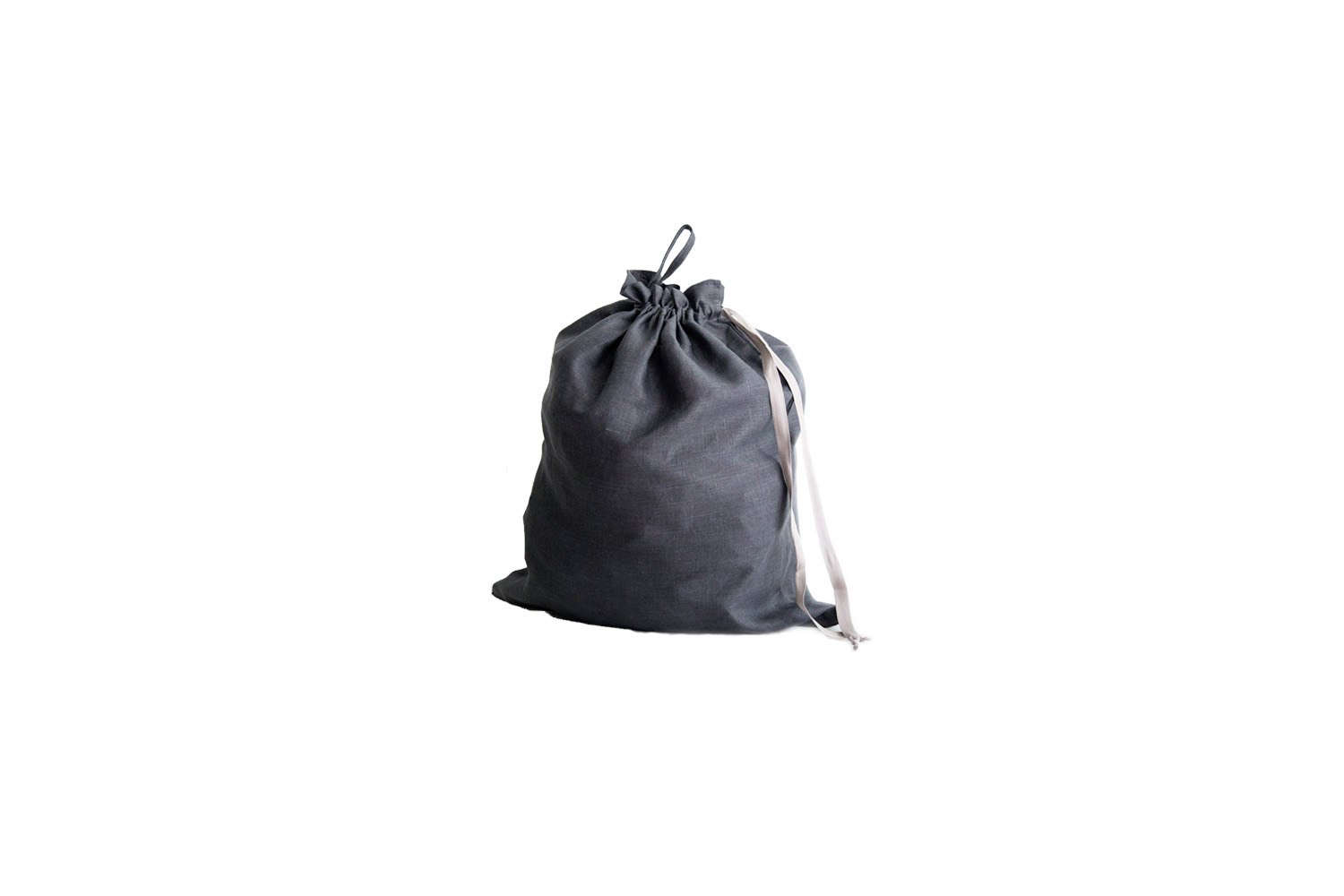
A laundry bag may not be the most glamorous item in your home, but neither is a mysterious mountain of socks occupying simplify sorting, travel comfortably to the washing machine, and add the relaxed texture associated with farmhouse decor. That is a surprisingly impressive résumé for something whose main responsibility is holding yesterday’s T-shirts.
The best laundry organizer is not simply the largest bag available. It should fit its designated space, remain stable when partly filled, allow damp fabrics to breathe, and have handles strong enough to survive a load of towels. Good Housekeeping and Real Simple product testing both emphasize practical considerations such as ventilation, capacity, durability, cleanability, portability, and sorting features when evaluating hampers and laundry baskets. uide explains how to choose a large linen laundry bag, organize a smoother wash-day routine, and incorporate the bag into modern farmhouse decor without making the room resemble a themed gift shop.
Why a Large Linen Laundry Bag Is Worth Considering
Traditional plastic baskets are practical, but they are not always pleasant to display. A linen or linen-look laundry bag offers a softer alternative. Its woven texture brings warmth to bedrooms, bathrooms, closets, mudrooms, and laundry rooms, while its flexible construction makes it easier to carry through narrow hallways or around awkward staircases.
It combines storage with decoration
A good fabric hamper does not have to be hidden behind a closet door. Neutral linen in oatmeal, natural flax, warm gray, cream, or faded charcoal can function like another textile accessory. It coordinates naturally with woven baskets, wood shelves, vintage hooks, beadboard, black metal fixtures, and other familiar farmhouse elements.
Farmhouse style is most convincing when practical objects also contribute texture and character. Country Living, Southern Living, House Beautiful, and Houzz frequently feature baskets, natural fibers, vintage accents, open shelving, wood tones, and mixed storage in farmhouse-inspired utility spaces. s flexible in small spaces
A rigid hamper demands the same amount of floor space whether it is full or empty. A soft-sided laundry bag can flatten, fold, or squeeze between furniture when it is not being used. This makes it especially useful in apartments, dorm rooms, guest bathrooms, compact laundry closets, and homes where the washing machine is on another floor.
It can handle more than clothing
An oversized linen laundry bag can also store extra blankets, children’s stuffed animals, seasonal pillows, rolled towels, reusable shopping bags, or clean bedding awaiting rotation. The key is assigning one purpose to each bag. A container that holds dirty socks on Monday and guest towels on Friday needs a proper wash in between, not merely a motivational speech.
Linen, Linen Blend, or Linen-Look Fabric?
Not every product described as a linen laundry bag is made from pure flax linen. Some are cotton-linen blends, while others use polyester with a linen-like weave. None of these options is automatically wrong, but the differences affect appearance, maintenance, price, and structure.
Pure linen
True linen is made from flax fibers and is appreciated for its natural texture, breathability, durability, and relaxed wrinkles. It tends to soften with washing, although repeated laundering can alter its dimensions and finish. Pure linen may also cost more than blended fabric, so it is most attractive to buyers who value natural materials and a genuinely rustic appearance. on-linen blends
A cotton-linen blend can feel softer and may be easier to maintain while retaining much of linen’s visual character. This is a practical middle ground for a washable laundry bag that will be handled frequently. A heavier canvas-style blend may also stand more reliably without requiring a separate frame.
Polyester linen-look fabric
Polyester versions are often inexpensive, lightweight, and resistant to obvious wrinkling. Many include a coated interior intended to protect the outer fabric from moisture. However, a coated bag may offer less airflow than an unlined natural-fiber bag, so sweaty gym clothing and damp towels should not remain inside for extended periods.
Check the label, not just the product title
Online product names can be enthusiastic. The fiber-content label is usually less poetic and more useful. Look for the exact material percentages, liner composition, washing instructions, reinforcement details, and whether the bag contains cardboard, fiberboard, metal rods, or other structural parts that must be removed before cleaning.
How to Choose the Best Laundry Organizer
The best laundry organiseror “organizer” in standard American Englishis the one that supports your actual routine. A beautiful hamper that blocks a cabinet door, tips over when half full, or becomes too heavy to carry is merely decorative resistance training.
1. Measure the intended location
Measure the width, depth, and height of the place where the bag will live. Include nearby doors, drawers, baseboards, and walking space. A tall, narrow bag may work beside a dresser, while a rectangular design can slide beneath a counter. Round bags look relaxed and decorative, but rectangular models generally use corners and shelf space more efficiently.
Martha Stewart’s organization guidance recommends square or rectangular baskets when the goal is maximizing usable storage. Dedicated hamper niches can also help preserve clear countertops and make a laundry room look intentionally planned. hoose realistic capacity
Capacity is commonly listed in liters or gallons, but measurements vary by manufacturer. As a practical starting point, a bag in the 60- to 80-liter range usually qualifies as large enough for several days of clothing or a substantial household load. Larger is not always better: an enormous bag filled with towels can become too heavy to lift safely.
For one adult, a medium-to-large single bag may be sufficient. Couples may prefer two bags, while families often benefit from a two- or three-section sorting system. The goal is to match capacity to washing frequency rather than storing laundry until the bag develops its own postal code.
3. Inspect the handles
Handles should be securely stitched into the body of the bag, ideally with reinforced seams or box stitching. Long shoulder straps are convenient for stairs and laundromat trips, while shorter side handles provide better control when lifting a heavy load into a machine.
Test whether the handles remain accessible when the bag is full. Tiny decorative loops may look adorable in a photograph but become nearly useless beneath a pile of bath sheets.
4. Look for ventilation
Airflow helps prevent moisture and odors from becoming trapped. Open-top bags naturally provide some circulation, while drawstring bags should not remain tightly closed around damp items. Good Housekeeping and Real Simple both identify ventilation as an important hamper feature, especially for workout clothes, towels, and other moisture-prone laundry. place truly wet clothing in a closed fabric hamper for long-term storage. Hang it to dry first, or wash it promptly.
5. Prefer a washable or removable liner
A removable liner simplifies cleaning and allows you to carry laundry without moving the outer frame. Drawstring liners are especially useful because they help contain small items during transport. Check whether the liner is machine washable and whether it should be air-dried to prevent shrinkage.
6. Examine the base and frame
A freestanding bag may use a wire rim, bamboo frame, flexible rods, or a reinforced bottom. These features improve stability but can complicate cleaning. Removable supports are preferable when possible. If the bag must stand directly on tile or concrete, a moisture-resistant base helps protect the fabric from minor spills.
7. Decide whether you need a lid
A lid hides visual clutter and can discourage pets from investigating the week’s sock collection. An open bag, however, is faster to use and generally provides better airflow. Consider a loose fabric flap or breathable drawstring if you want a compromise between concealment and ventilation.
Single Bag or Multi-Compartment Laundry Sorter?
A single large linen laundry bag is simple, portable, and visually calm. It works well for individuals who sort clothing immediately before washing or who typically run similar mixed loads.
A divided organizer saves time by separating items as they are discarded. Common categories include whites, dark colors, towels, delicates, children’s clothing, and workout gear. Southern Living and Martha Stewart both recommend accessible sorting systems to streamline washing and reduce laundry-room clutter. actical two-bag system
- Bag one: everyday clothing, dark colors, and casual fabrics.
- Bag two: whites, towels, bedding, and items washed separately.
This arrangement is easier to maintain than an ambitious six-category system that requires every family member to earn an honorary degree in textile science.
A useful clean-and-dirty system
Another option is reserving one bag for dirty laundry and a second basket for clean clothing awaiting folding. Keeping these roles separate prevents clean clothes from being returned to a container that may hold dirt, sweat, or moisture.
How to Style a Linen Laundry Bag with Farmhouse Decor
The farmhouse look is not created by placing the word “LAUNDRY” on every available surface. Successful farmhouse decor combines useful storage, natural materials, comfortable colors, and a few character-rich details.
Start with a warm neutral palette
Choose a bag in flax beige, cream, taupe, warm gray, faded blue, muted olive, or charcoal. These colors pair easily with white walls, natural wood, black hardware, woven baskets, and patterned floor tiles. A subtle stripe or small printed label can add interest without turning the bag into a billboard.
Mix soft and hard textures
Place the linen bag near a wood bench, metal shelf, peg rail, or wicker basket. The contrast between soft textile, aged wood, woven fiber, and dark metal creates depth. Matching every item too precisely can make the room feel like a catalog display; related materials with slight variation feel more natural.
Use open shelving selectively
Open shelves are useful for attractive essentials such as folded towels, glass jars, wooden brushes, and matching storage baskets. Cleaning products with loud packaging are usually better inside a cabinet, opaque bin, or lined wire basket. BHG, The Spruce, HGTV, and Architectural Digest recommend combining accessible storage with concealed solutions to keep working laundry spaces organized without excessive visual clutter. one or two vintage accents
An antique washboard, stoneware crock, framed botanical print, enamel scoop, old wooden stool, or vintage-style wall hook can create farmhouse character. Stop before the room begins to resemble a museum devoted to difficult washing methods.
Create a designated hamper zone
Place the bag under a folding counter, beside a vanity, beneath a bench, or inside an open cubby. Intentional placement makes even an oversized bag look integrated. Avoid leaving it in the middle of a walkway where it becomes both farmhouse decor and an unexpected agility course.
Using a Large Laundry Bag in Different Rooms
Bedroom
Choose a narrow bag with a lid, drawstring, or structured rim. Position it near the closet or dresser so clothing can be deposited immediately. A neutral bag blends easily with linen bedding, wood furniture, and upholstered headboards.
Bathroom
Use a moisture-resistant liner and keep the bag away from direct shower spray. Towels should be allowed to dry before entering the hamper. A bag with handles is convenient when the laundry room is elsewhere in the home.
Laundry room
A freestanding or divided bag works well beneath a counter. Leave enough clearance to remove it without scraping the counter edge. Pair it with a separate basket for clean clothing and a small container for lost buttons, coins, and the mysterious objects children store in pockets.
Mudroom
Choose durable fabric in a darker neutral and reserve the bag for washable outerwear, cleaning cloths, and sports clothing. Muddy or saturated items should be rinsed, dried, or washed promptly rather than buried beneath ordinary clothes.
Small apartment
Look for a collapsible design, hanging hamper, or slim bag that fits behind a door. Apartment Therapy, The Spruce, and HGTV highlight vertical storage, hanging systems, narrow organizers, shelves, and multipurpose containers as effective ways to reduce floor-space demands.
Cleaning and Maintaining a Linen Laundry Bag
- Read the care label. Pure linen, blended canvas, coated polyester, and structured hampers require different treatment.
- Empty pockets and debris. Shake out lint, sand, pet hair, and forgotten tissues before washing.
- Remove structural pieces. Take out rods, cardboard panels, metal frames, and rigid bases whenever the design permits.
- Wash gently. Use cold or lukewarm water and mild detergent unless the manufacturer specifies another method.
- Avoid excessive heat. High dryer temperatures may shrink natural fibers, affect coatings, or distort the bag’s shape.
- Dry completely. Reassemble the bag only after every layer is dry.
- Clean the frame. Wipe wood, bamboo, metal, or plastic components with a suitable damp cloth and dry them promptly.
Fabric hampers and removable liners should be cleaned regularly, especially after holding workout clothing, damp towels, or heavily soiled garments. Apartment Therapy’s hamper-cleaning guidance similarly distinguishes among fabric, wicker, and plastic materials because each surface requires different care.
Common Buying Mistakes to Avoid
Buying by appearance alone
A photogenic bag may have weak handles, no internal support, or a base that folds under weight. Review construction details as carefully as the color.
Choosing a bag that is too large to carry
Capacity is useful only when the full bag can be moved safely. Two manageable bags are often more practical than one enormous container.
Ignoring the opening size
A wide opening makes it easier to add towels and remove clothing. Narrow drawstring openings can trap bulky bedding and make unloading unnecessarily theatrical.
Storing damp laundry
Breathable fabric reduces risk but does not make long-term damp storage advisable. Let wet items dry or wash them immediately.
Forgetting how the bag will be cleaned
A pale bag without a removable liner may quickly show dirt. For family bathrooms, mudrooms, or pet-friendly homes, washable liners and medium-tone fabrics are generally easier to maintain.
Overdecorating the laundry room
Farmhouse decor should support the room’s function. Leave counter space for folding, maintain access to appliances, and avoid filling every shelf with objects that must be moved whenever detergent is needed.
A Practical Four-Week Experience with a Large Linen Laundry Bag
The following experience-based scenario combines the kinds of practical results households commonly notice when replacing a plastic basket or open floor pile with a structured linen laundry bag. It is not a laboratory test; it is a realistic look at daily use.
Week one: the room immediately looks calmer
The first improvement is visual. A natural-colored linen bag beside a wood dresser appears more intentional than a bright plastic basket. Clothing stops spreading across the chair, floor, and end of the bed because there is an obvious drop point. The bag does not magically make anyone enjoy laundry, but it removes the first obstacle: gathering clothes from six different locations.
A structured rim proves more useful than expected. The opening remains accessible, so shirts can be dropped in with one hand. A completely soft bag without support tends to collapse after several items are added, requiring the user to reopen it repeatedly. This is a small inconvenience, but laundry routines are built from small inconveniences conspiring together.
Week two: capacity and carrying comfort become important
After several days, the bag holds casual clothing easily, but towels change the equation. A large container can become surprisingly heavy before it looks full. Shoulder-length handles make the trip downstairs easier, although two shorter side handles provide better control when lifting the load into the washer.
The experience also reveals that advertised capacity should not be treated as a command to fill the bag completely. Washing a manageable load when the bag reaches roughly three-quarters full is easier than waiting until clothing must be compressed like camping equipment.
Week three: sorting at the source saves time
Adding a second matching bag improves the system more than expected. Everyday clothing goes into one bag, while towels, sheets, and light-colored items go into the other. Laundry day begins with two mostly prepared loads instead of one mixed collection requiring floor-based negotiations.
Labels help other household members follow the system, but simple categories work better than complicated ones. “Clothes” and “Towels and Bedding” are understood immediately. Categories such as “cool wash, low spin, natural fibers only” may be technically impressive, but they will probably be ignored.
Week four: cleaning determines long-term satisfaction
By the fourth week, lint and minor marks begin appearing near the base. A removable liner becomes the most appreciated feature because it can be washed separately. The outer bag only needs light vacuuming and spot cleaning, preserving its shape and farmhouse appearance.
The test also confirms that damp towels should not be left inside. Even breathable fabric cannot compensate for a wet towel buried beneath clothing for several days. Hanging towels over the rim until dry, then placing them inside, keeps the bag fresher.
What remains useful after the novelty fades
The most lasting benefit is not the decorative upgrade. It is the creation of a reliable home for dirty laundry. The bag reduces visual clutter, shortens collection time, encourages more consistent sorting, and is comfortable to carry. Its soft flax-colored texture simply allows the organizer to remain visible without making the bedroom or laundry room feel unfinished.
The ideal version has a reinforced base, a wide opening, strong handles, enough structure to stand upright, and a washable liner. Decorative printing is optional. In fact, a plain linen bag often ages better visually because it can move between rooms and adapt to changing decor.
Final Thoughts
A large linen laundry bag earns its place by combining organization, portability, and farmhouse style. Choose a size that fits both your household and your carrying ability. Prioritize reinforced handles, breathable construction, a stable base, and washable components. Then position the bag where clothes naturally accumulate rather than where it merely looks attractive in a photograph.
For the strongest farmhouse effect, pair a neutral linen bag with warm wood, woven storage, simple shelving, and one or two vintage details. The result should feel relaxed and usefulnot staged. After all, the best laundry organizer is the one that quietly keeps the room under control while asking for almost no attention. That is more than can be said for the missing-sock department.