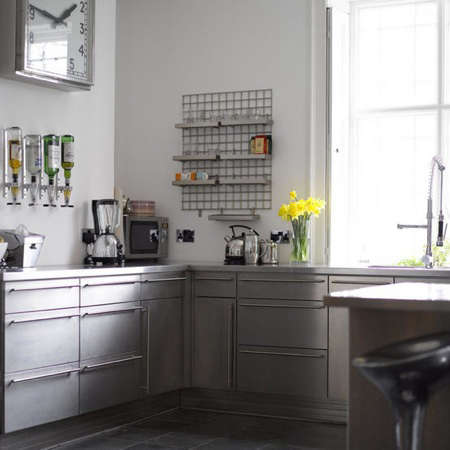
The kitchen is where coffee happens, deadlines are ignored, pasta water boils over, and somebody always asks, “How much longer?” That last question is exactly why clocks never really left the room. But lately, they have stopped being mere timekeepers and started acting like design players. A kitchen clock can soften a sleek space, wake up a plain wall, add vintage charm, or give a hardworking room a little personality without asking for a full renovation budget.
That is the beauty of decorating with a clock in the kitchen. It does two jobs at once. It helps you keep an eye on time while also filling visual gaps that might otherwise end up occupied by random signs, clutter, or a lonely blank wall that seems to judge your snack choices. A good kitchen clock is functional, yes, but it also creates rhythm, reinforces style, and makes the room feel more finished.
In a space packed with practical items like cabinets, counters, and appliances, decorative choices matter even more. The right clock can introduce warmth to a white kitchen, structure to an eclectic one, or a little retro swagger to a modern layout. It can be bold, subtle, playful, polished, or charmingly old-school. The trick is knowing how to choose one that feels intentional rather than accidental.
This guide breaks down how to use a clock as decor in the kitchen, how to match it to your style, where to place it, what mistakes to avoid, and why this one small detail can do more heavy lifting than most people expect. Time is ticking, which feels on theme, so let’s get into it.
Why a Clock Belongs in the Kitchen
A kitchen clock earns its spot because the kitchen is one of the most time-sensitive rooms in the house. You are boiling eggs, baking cookies, timing school mornings, watching bread dough rest, and trying not to let garlic go from golden to tragic. Having a visible clock makes sense. But unlike a timer hidden in a phone or microwave, a decorative wall clock becomes part of the room’s identity.
That matters because kitchens can easily lean too hard in one direction. Some feel overly sterile, with beautiful finishes but no personality. Others become crowded with decor that looks cute for a week and then starts to feel noisy. A clock hits a smart middle ground. It adds visual interest without being useless, and it adds function without feeling purely utilitarian.
There is also something satisfying about a kitchen clock that is not digital. An analog face slows the room down just enough to feel human. It can make a busy kitchen feel grounded and calm, especially when everything else is buzzing, flashing, charging, or demanding a password update. A clock says, “Relax. Dinner is in 20 minutes. Probably.”
What Makes a Kitchen Clock Decorative Instead of Ordinary?
Not every clock is destined for design greatness. Some are excellent at telling time and absolutely terrible at looking good. A decorative kitchen clock does more than sit on the wall and exist. It contributes shape, texture, color, and mood.
Scale That Fits the Room
Size is the first big decision. In a large kitchen with high ceilings, an oversized clock can create a focal point and keep a broad wall from looking empty. In a compact kitchen, that same oversized piece can feel like the wall is being chased by a giant wristwatch. Smaller kitchens usually benefit from medium-scale clocks that still read clearly without dominating the room.
Materials That Echo the Kitchen
Wood, metal, enamel, glass, rattan, brass, matte black, distressed finishes, or polished chrome all send different messages. A wood-framed clock warms up cooler kitchens. Black metal sharpens industrial or modern spaces. A brass or gold-toned frame adds polish. An enamel or retro plastic clock can bring cheerful vintage energy without requiring a full throwback kitchen makeover.
A Face You Can Actually Read
Yes, this is decor, but it is still a clock. If the hands disappear into the background or the numerals are so artsy they require a design degree to interpret, you will eventually resent it. Decorative does not need to mean confusing. The best kitchen clock decor balances style with legibility.
Character Without Corniness
A themed clock can be fun, but there is a fine line between charming and “gift shop near the interstate.” A rooster clock may work in the right farmhouse kitchen, but in many spaces, subtle style is more flexible. Think texture, silhouette, and finish before novelty.
How to Match a Clock to Your Kitchen Style
The easiest way to make a clock feel decorative is to treat it like any other design element. It should relate to the room’s color palette, hardware, finishes, and personality. Here is how different kitchen styles can use clocks well.
Modern Kitchens
Modern kitchens tend to like clean lines, uncluttered surfaces, and a restrained palette. The best modern kitchen clock is usually simple, graphic, and not overly ornate. Look for thin frames, minimal numerals, neutral tones, or a sculptural shape. A matte black clock on a white wall is a classic choice because it adds contrast without chaos.
Farmhouse Kitchens
Farmhouse kitchens welcome warmth, age, and a bit of lived-in comfort. Clocks with distressed wood, black iron, cream faces, or vintage-inspired numerals work beautifully here. The goal is not to make the kitchen look like a barn gift shop. The goal is to make it feel collected and relaxed, as though the clock has been there long enough to know all the biscuit recipes.
Retro and Mid-Century Kitchens
This is where clocks can really have fun. Starburst clocks, ball clocks, colorful round clocks, and old-school diner-inspired designs all work especially well in retro kitchens. If you want a mid-century vibe without renovating a thing, a classic period-style clock can do a surprising amount of the storytelling.
Cottage and Traditional Kitchens
Softer finishes, muted colors, antique brass, painted wood, and slightly ornate frames feel right at home in cottage or traditional spaces. In these kitchens, a clock can help bridge practical cabinetry with more decorative touches like plates, sconces, floral fabrics, or open shelving.
Industrial Kitchens
Industrial kitchens pair well with metal-framed clocks, exposed gears used sparingly, black-and-white faces, and finishes that nod to utility. The clock should feel sturdy, not precious. Think station clock energy, not ballroom chandelier energy.
Eclectic Kitchens
Eclectic kitchens thrive on contrast and personality. This is where an unexpected clock can shine, whether it is bright, quirky, vintage, or sculptural. The key is making sure at least one thing connects it to the room, such as repeating a color, shape, or finish elsewhere in the space.
Best Places to Put a Clock in the Kitchen
Placement is where design and practicality either shake hands politely or completely stop speaking to each other. The clock should be easy to see, visually balanced, and far enough from heat, steam, and grease to avoid looking tired too soon.
Above a Breakfast Nook
A clock above a small kitchen table or breakfast corner adds structure and fills the wall without taking up dining space. It is especially useful in family kitchens where mornings move fast and toast moves faster.
On a Blank Wall Near the Prep Zone
If there is an empty wall visible from the main prep area, that is prime clock territory. You can glance up while cooking without fumbling for your phone with flour-covered hands.
Between Windows
A clock placed between two windows often feels naturally framed. This works best with a clock that has enough presence to hold its own against daylight and trim details.
At the End of Cabinet Runs
Some kitchens have an awkward bit of wall at the end of upper cabinets or near a pantry door. A clock can turn that leftover zone into a finished moment instead of an afterthought.
As Part of a Small Gallery Wall
A clock does not have to stand alone. It can anchor a kitchen gallery wall with framed prints, small cutting boards, vintage signs used sparingly, or decorative plates. When done well, the clock becomes the practical centerpiece in a group of decorative items.
How to Decorate Around a Kitchen Clock
A clock looks most intentional when the surrounding elements support it. You do not need to create a full shrine to punctuality. Just give the clock some visual friends.
Repeat the Finish
If your clock has a black frame, repeat black in cabinet hardware, light fixtures, or stool legs. If it has brass accents, echo that with faucet details or sconces. Repetition makes the clock feel integrated.
Use Nearby Decor Sparingly
One of the biggest kitchen decor mistakes is trying to fill every wall with something. Let the clock breathe. Pair it with one or two complementary elements, not seven tiny objects all shouting for attention.
Balance Hard and Soft Textures
If the clock is metal and graphic, soften the area with wood, ceramics, or a nearby plant. If the clock is rustic wood, balance it with cleaner lines elsewhere. Kitchens feel best when materials are mixed thoughtfully.
Let Color Do Some Work
A clock can quietly reinforce the room’s palette. In a neutral kitchen, a muted sage, navy, or terracotta clock adds life without turning the room into a crayon box. In a colorful kitchen, a neutral clock can provide a visual pause.
Mistakes to Avoid When Using a Clock as Kitchen Decor
Clocks are helpful, handsome little objects, but they are not magic. There are a few easy ways to get this wrong.
Choosing One That Is Too Large
Bigger is not always better. An oversized clock in a small kitchen can feel theatrical in the wrong way, like the room is preparing for a community theater production of Time: The Musical.
Hanging It Too High
If the clock ends up so close to the ceiling that no one can read it, it has become wall art with a scheduling problem. Keep it visible from eye level across the room.
Putting It Too Close to Heat or Grease
Above the stove may seem dramatic, but heat, steam, and grease are not kind to decor. A clock should live near the action, not inside the splatter zone.
Using a Style That Fights the Room
A super ornate antique clock in an ultra-minimal kitchen can work if the contrast is intentional. But random contrast just looks random. The clock should add interest, not confusion.
Forgetting Sound
Some clocks tick loudly enough to become the kitchen’s unofficial percussion section. In a quiet home, that may drive you up the backsplash. Check for silent or low-noise movement if that matters to you.
Easy Ways to Choose the Right Kitchen Clock
If you are staring at dozens of options and every one seems either too boring or too weird, use this simple checklist.
- Pick the wall first, then choose the size.
- Match one material or finish already in the room.
- Decide whether you want the clock to blend in or stand out.
- Make sure the face is readable from across the kitchen.
- Choose a style that supports your kitchen’s mood, not a trend you will resent in six months.
- When in doubt, go classic. A simple analog clock ages better than novelty decor.
Kitchen Clock Decor Ideas You Can Try This Weekend
You do not need a contractor, a mood board emergency, or a dramatic personality change to decorate with a clock. Try one of these ideas:
- Hang a medium black-framed clock on a white wall for instant contrast in a modern kitchen.
- Use a vintage-style cream clock in a farmhouse kitchen with wood accents and warm metals.
- Add a colorful retro clock to a neutral kitchen that needs personality but not clutter.
- Create a mini gallery wall with a clock, two framed food prints, and one small shelf.
- Place a compact clock above a coffee station so the area feels styled and useful.
- Swap out a generic clock for one in brass, wood, or enamel to better match your hardware and decor.
- Use a sculptural clock in an eclectic kitchen as a conversation piece that still earns its keep.
Why This Small Detail Changes the Whole Room
Great kitchens are not only efficient. They feel good to be in. That usually comes from layers: finishes, lighting, storage, seating, art, texture, and a handful of practical things that are also beautiful. A clock belongs in that last category.
It helps the room feel lived in. It pulls the eye upward. It turns empty wall space into something useful. It can reference history, support a style, or add a note of humor. Most importantly, it proves that kitchen decor does not have to be separate from kitchen function. The best pieces do both.
So if your kitchen feels like it is missing something, the answer may not be a full remodel or a cartload of decorative accessories. It might just be a clock with the right scale, the right finish, and enough charm to make the room feel complete. Sometimes good design really is about timing.
Experiences: Living With a Clock as Kitchen Decor
One of the easiest ways to understand why a kitchen clock works as decor is to live with one for a while. At first, it may seem like a practical add-on, something you hang because the wall is empty and because you are tired of checking the microwave every three minutes. But after a few weeks, the clock starts doing more than you expected. It becomes part of the room’s rhythm.
In many homes, the kitchen is the place where the day officially begins. Someone shuffles in half-awake, the coffee starts brewing, lunch boxes appear, and there is always a slightly panicked glance at the time. A wall clock makes that routine feel easier because it is visible from anywhere in the room. More than that, it becomes a familiar anchor. You look up while buttering toast, packing leftovers, or waiting for oatmeal to stop impersonating lava, and the room feels organized in a subtle way.
Decoratively, a clock has a surprising emotional effect. In a kitchen that feels too cold or too new, a warm wood or vintage-inspired clock can soften the mood almost instantly. In a kitchen that already has character, the clock often becomes the finishing touch that makes the space feel intentional rather than merely assembled. It is the difference between “we put things in here” and “we designed this room to be lived in.”
There is also a quiet comfort in seeing a real clock face in a room full of screens. Phones are helpful, but they are also distractions dressed as tools. You check the time and somehow end up reading three messages, two headlines, and one deeply unnecessary weather update. A kitchen clock spares you that whole detour. It keeps you present in the room. That may sound dramatic for an object with hands and numbers, but many people find it strangely calming.
Guests notice kitchen clocks, too. Not always in a loud, “Wow, what a clock” kind of way, but in the way people notice details that make a room feel complete. A retro clock might spark a story about a grandparent’s house. A sleek modern clock can make the whole kitchen seem sharper. A quirky one can break the ice and keep the space from feeling too serious. Kitchens are social rooms, and a well-chosen clock participates in that social energy better than people expect.
Over time, the clock also becomes connected to routines and memories. It is there during rushed school mornings, weekend pancake sessions, birthday cake baking, late-night tea, and the small everyday moments that make a house feel personal. You glance at it while waiting for cookies, while chatting at the island, while telling yourself dinner will absolutely be ready in ten minutes. It quietly witnesses the room’s real life.
That is why a kitchen clock succeeds as decor. It is not decorative only because it looks good. It is decorative because it becomes part of the experience of the room. It supports habits, reflects style, and adds presence without demanding a lot in return. In a good kitchen, the best design choices are usually the ones that make life easier while also making the space more inviting. A clock does exactly that, and it does it with excellent timing.