Slugs may not have the instant glamour of parrots, the dramatic eyebrows of dogs, or the judgmental elegance of cats, but they do have something special: they are quiet, fascinating, inexpensive, and surprisi you already know there is more going on here than “garden goo with opinions.”
This complete guide explains how to care for slugs as pets in a safe, humane, and realistic way. You will learn how to set up a slug habitat, what to feed pet slugs, how to keep their enclosure clean, how to handle them gently, and how to avoid common beginner mistakes. Slug care is not difficult, but it does require consistency. These soft-bodied mollusks depend on moisture, shelter, clean food, and a calm environment. Give them that, and you may discover that a slug terrarium is one of the most relaxing little worlds you can keep on a shelf.
Can You Really Keep Slugs as Pets?
Yes, you can keep certain slugs as pets, especially local species collected responsibly from your own area. However, there are important rules. Slugs are not toys, decorations, or disposable classroom experiments. They are living animals with specific needs. They also can be agricultural pests, and some species may carry parasites or bacteria. That means pet slug care starts before you even build the terrarium.
In the United States, do not import slugs, buy exotic slugs casually online, or move slugs across state lines unless you have checked the law and have the proper permits. Many snails and slugs are regulated because they can damage crops and spread into new ecosystems. The safest choice is to observe or keep a common local slug from your own yard, then never release it somewhere else later.
Best Slugs for Beginners
The best beginner slug is a small, local, non-protected species from your own garden or yard. Avoid brightly colored unfamiliar species, giant exotic species, and any slug collected from areas treated with pesticides, herbicides, or slug bait. If you are not sure what species you found, treat it as a short-term observation animal rather than a permanent pet.
Before You Bring a Slug Home: Safety First
Slug keeping is simple, but hygiene matters. Always wash your hands after touching slugs, soil, leaves, food dishes, or enclosure materials. Do not kiss slugs, lick your fingers, prepare slug food on kitchen cutting boards used for human food, or let children handle slugs unsupervised. This may sound obvious, but the internet has taught us that “obvious” sometimes needs a helmet.
Slugs and snails can be involved in parasite life cycles, including rat lungworm in some regions. The main safety rule is easy: never eat raw or undercooked slugs or snails, and keep slug equipment away from food preparation surfaces. Wash fruits and vegetables thoroughly before feeding them to your slug, and wash your hands afterward. Responsible slug care protects both the animal and the human household.
How to Set Up a Pet Slug Habitat
A good slug enclosure should copy the slug’s natural comfort zone: damp, shaded, secure, and full of hiding places. Slugs are vulnerable to drying out because they do not have a large external shell like snails. Their mucus helps them move and stay moist, but they still need a humid environment to survive.
Choose the Right Enclosure
A small glass or plastic terrarium works well for one or two small slugs. A clean food-safe plastic container can also work if it has a tight lid and proper ventilation. The lid is not optional. Slugs are escape artists with no respect for your lease agreement. If there is a gap, they will find it, squeeze through it, and begin a slow but emotionally powerful journey across your bookshelf.
For one or two small slugs, a container around one to three gallons is usually enough. Bigger is fine, as long as the slug can find food and moisture easily. The enclosure should have small air holes, but not large openings. Cover ventilation holes with fine mesh if needed. Airflow prevents mold, while humidity prevents dehydration. Your goal is “fresh and damp,” not “sealed swamp of mystery.”
Add Safe Substrate
Use pesticide-free soil, coconut coir, or organic topsoil with no fertilizer, perlite, chemical additives, or sharp particles. The substrate should be deep enough for burrowing, resting, and egg laying, usually two to three inches for small garden slugs. Keep it moist but not waterlogged. If water pools at the bottom, the enclosure is too wet.
Avoid potting mixes that contain fertilizer beads, pesticides, or moisture-control crystals. Also avoid cedar and pine shavings because aromatic woods can irritate many small animals. A slug does not need luxury flooring. It needs clean, soft, damp earth where it can hide like a tiny introvert avoiding a networking event.
Create Hiding Places
Slugs are most active at night and during cloudy, cool, damp conditions. During the day, they prefer to hide from light and heat. Add pieces of cork bark, pesticide-free dead leaves, curved bark, a small clay pot shard, or a flat stone set safely on the substrate. Make sure heavy decorations cannot collapse or crush the slug.
Leaf litter is especially useful because it provides cover and creates a more natural environment. Use leaves from areas that have not been sprayed. Rinse them, inspect them for ants or other hitchhikers, and let them dry slightly before adding them to the terrarium.
Maintain Moisture
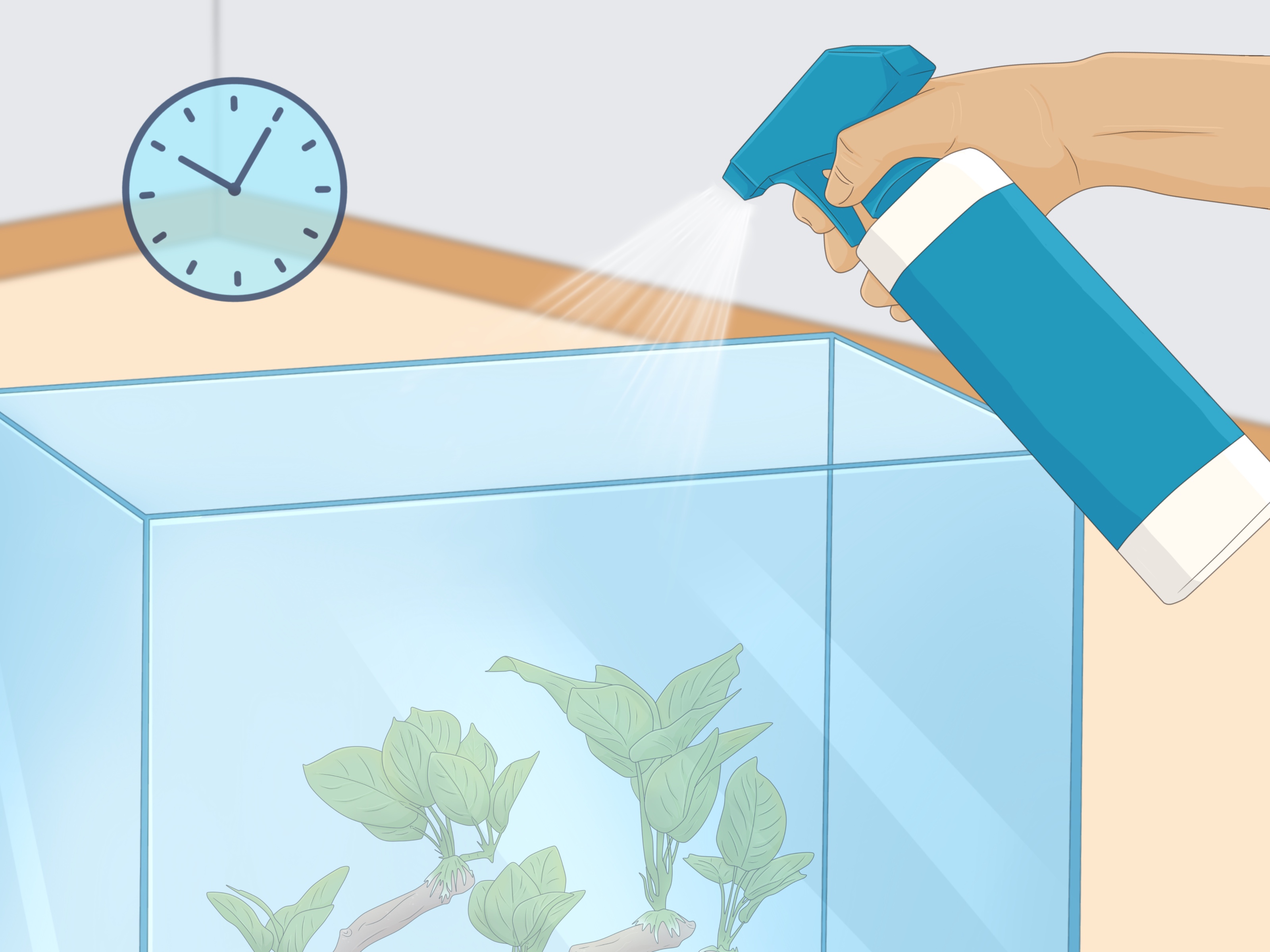
Mist the enclosure with dechlorinated water once or twice a day, depending on your room conditions. The substrate should feel like a wrung-out sponge: damp to the touch, but not dripping. If the walls are constantly soaked and mold grows quickly, increase ventilation or mist less often. If the slug stays curled up, looks dry, or avoids moving, the habitat may be too dry.
Do not use salt water. Salt is dangerous to slugs because it pulls water from their bodies. Also avoid tap water with strong chlorine smell. Let tap water sit out overnight or use dechlorinated water made for aquariums.
Temperature and Light
Most local garden slugs prefer cool, stable room temperatures. Keep the enclosure away from direct sunlight, heaters, sunny windowsills, and hot electronics. A terrarium can overheat quickly, and slugs cannot simply pant dramatically like a dog in a summer movie.
No special light is needed. In fact, bright light can stress slugs. A normal day-night room cycle is enough. If you want to observe your slug at night, use dim indirect light and keep sessions brief.
What Do Pet Slugs Eat?
Slugs are flexible feeders. Many eat tender plant material, algae, fungi, decaying leaves, and soft fruits or vegetables. In captivity, the key is variety and cleanliness. Offer small amounts of food, remove leftovers before they rot, and avoid anything treated with pesticides.
Safe Foods for Pet Slugs
Good slug foods include rinsed lettuce, cucumber, zucchini, carrot, sweet potato, squash, apple, pear, mushroom, kale, collard greens, dandelion leaves, and small bits of melon. Leafy greens are useful, but do not rely on iceberg lettuce alone because it is mostly water and not very nutritious. Think of iceberg lettuce as slug popcorn: fun, crunchy, and not a complete life plan.
Offer food in thin slices or small pieces so the slug can rasp it easily. A shallow food dish, piece of bark, or clean flat stone helps keep food away from the substrate. Replace fresh food daily or sooner if it becomes slimy, moldy, or crowded with tiny flies.
Foods to Avoid
Never feed salty, seasoned, oily, processed, spicy, or sugary human foods. Avoid citrus, onion, garlic, bread, dairy, meat, and anything moldy. Do not feed plants from roadsides, lawns treated with chemicals, or gardens where slug bait has been used. Slug baits and pesticides can poison your pet even in tiny amounts.
Do Slugs Need Calcium?
Snails need a lot of calcium for shell growth. Slugs do not have a large external shell, so their calcium needs are different. Still, many keepers offer a small piece of cuttlebone, crushed clean eggshell, or calcium carbonate in the enclosure. This can be helpful, especially if eggs appear. Keep calcium dry and separate from wet food so it does not turn into chalky paste.
Water for Pet Slugs
Slugs get much of their moisture from their environment and food. A deep water dish is not necessary and can be dangerous for small slugs. Instead, mist the enclosure and provide moisture-rich foods like cucumber or squash. If you use a water dish, make it extremely shallow, such as a clean bottle cap with just a film of water.
How to Clean a Slug Terrarium
A slug enclosure should smell like damp earth, not like a forgotten salad in a haunted basement. Daily care takes only a few minutes. Remove uneaten food, check for mold, mist as needed, and make sure the lid is secure. Every week, wipe dirty walls with plain water and remove badly soiled substrate.
Do a deeper clean every few weeks, depending on the enclosure size and number of slugs. Replace part of the substrate, rinse hides with hot water, and avoid soap or chemical cleaners unless you can rinse them completely and safely. Slugs absorb moisture through their bodies, so residues matter.
Managing Mold and Fungus Gnats
Mold usually means there is too much old food, too little airflow, or too much moisture. Remove moldy material immediately. Increase ventilation and feed smaller portions. Fungus gnats can appear in damp organic setups. To reduce them, remove leftovers quickly, avoid overwatering, and freeze or bake natural substrate before use if appropriate.
Handling Pet Slugs Gently
The best way to enjoy a pet slug is mostly by watching. Slugs are delicate, and their bodies can be injured by rough handling. If you need to move one, wet your hands first with clean dechlorinated water. Gently encourage the slug onto a damp leaf, spoon, or piece of bark instead of pulling it from a surface.
Never pick up a slug by pinching or tugging. If it is firmly attached, wait. Slugs move at slug speed, which is nature’s way of teaching patience to humans who refresh tracking numbers every seven minutes.
Understanding Slug Behavior
A healthy slug often hides during the day, emerges in the evening, explores damp surfaces, eats slowly, and leaves a shiny mucus trail. It may stretch, contract, climb, burrow, or sit under bark for long periods. This is normal. Slugs are not high-energy pets. If you want a pet that performs tricks, a slug will offer one trick: becoming slightly longer than expected.
Watch for changes. A slug that becomes unusually still, shriveled, dry, discolored, or unable to move may be stressed by low humidity, heat, contaminated food, or poor enclosure conditions. Correct the basics first: moisture, temperature, food freshness, and cleanliness.
Slug Eggs and Reproduction
Many slugs are hermaphrodites, meaning one individual has both male and female reproductive organs. Some can store sperm after mating, and eggs may appear even if you are not expecting them. Slug eggs are usually small, round or oval, pale, translucent, and laid in damp protected places in the soil or under cover.
If eggs appear, decide what you can responsibly manage. Do not release captive-hatched slugs outdoors. Captive conditions can spread organisms into the wild, and releasing animals may be illegal or ecologically harmful. If you do not want more slugs, remove eggs promptly and dispose of them humanely according to local guidance. Keeping one slug instead of several can reduce but not always eliminate surprise eggs.
Common Mistakes New Slug Keepers Make
Using a Dry Enclosure
Dryness is one of the fastest ways to harm a slug. If the substrate dries out, the slug may become inactive or dehydrated. Mist regularly and provide humid hiding areas.
Overwatering the Habitat
Too much water creates mold, foul smells, and poor air quality. Damp is good. Swampy is not. If your terrarium looks like soup, it is time to rethink your misting routine.
Feeding Unsafe Plants
Never assume outdoor leaves are safe. Pesticides, herbicides, road pollution, and slug bait are serious risks. Feed washed produce and only pesticide-free wild plants you can identify confidently.
Letting Slugs Escape
A loose slug can dry out, be stepped on, encounter cleaning chemicals, or vanish behind furniture. Use a secure lid with tiny ventilation holes. Check the lid after every feeding.
Releasing Captive Slugs
Do not release pet slugs into parks, forests, gardens, or yards after keeping them. If you collected a local slug for very short observation, return it to the exact same spot quickly. Long-term captive slugs should remain in care and not be moved outdoors.
How Long Do Pet Slugs Live?
Slug lifespan depends on species, temperature, food, moisture, and stress. Some common slugs live several months, while others may live longer under good conditions. Because many garden slugs are collected as adults, you may not know their age. The best approach is to focus on daily welfare rather than a guaranteed lifespan.
Are Slugs Good Pets for Kids?
Slugs can be excellent observation animals for children, but they are not ideal hands-on pets. Kids can learn about habitats, decomposition, moisture, animal behavior, and gentle care. Adults should supervise all handling and cleaning. Make handwashing a non-negotiable rule. A slug terrarium can be a wonderful science project, as long as the slug is treated like an animal, not a temporary blob-shaped prop.
Pet Slug Care Checklist
- Use a secure, ventilated terrarium with a tight lid.
- Add pesticide-free damp substrate two to three inches deep.
- Provide bark, leaves, or safe hides for daytime shelter.
- Mist with dechlorinated water to keep the habitat damp.
- Feed washed vegetables, leafy greens, mushrooms, and occasional fruit.
- Remove uneaten food daily to prevent mold.
- Wash hands after contact with slugs or enclosure items.
- Never use salt, pesticides, slug bait, or chemical cleaners near the habitat.
- Do not import, transport, or release slugs irresponsibly.
Personal Experience: What Living With Pet Slugs Teaches You
Keeping slugs as pets changes the way you notice small things. At first, the terrarium may look quiet, almost too quiet. You mist the soil, place a slice of cucumber on a little dish, close the lid, and wonder whether you have accidentally created the world’s slowest restaurant. Then evening arrives. A pair of eye stalks appears from under a leaf. The slug stretches forward, tests the air, and glides toward dinner with the confidence of a tiny food critic wearing invisible pajamas.
One of the biggest lessons is patience. A dog tells you what it wants with barking, tail wagging, dramatic sighs, and possibly a tennis ball dropped into your shoe. A slug communicates through subtle behavior. If it hides constantly, the enclosure may be too bright or dry. If it climbs the walls every night, it may simply be exploring, or the substrate may need adjustment. If food sits untouched, try a different vegetable, offer it fresher, or check the temperature. Slug keeping turns you into a detective, except the suspect leaves silver trails and refuses to hurry.
The second lesson is that simple care is not the same as careless care. Slugs do not need expensive toys, heat lamps, collars, grooming appointments, or a birthday sweater that says “Slime Time.” But they do need clean food, steady moisture, and a safe enclosure every single day. Missing one misting may not be a disaster, but repeated dryness can stress them badly. Leaving old fruit in the tank may seem harmless until mold appears overnight like it has been training for this moment.
Another memorable part of pet slug care is watching feeding behavior. A slug does not bite into food like a mammal. It rasps slowly, leaving delicate scrape marks on soft vegetables. Cucumber often becomes a favorite because it is moist and easy to eat, but a varied diet is healthier. Leafy greens, squash, carrot shavings, mushroom slices, and occasional apple can make feeding time more interesting. The trick is to offer tiny portions. A slug is small. It does not need a salad bar large enough to serve a rabbit wedding.
You also learn respect for boundaries. Handling a slug too often is unnecessary. The best interactions happen when you move slowly, wet your hands, and let the slug decide whether to crawl onto a leaf or your palm. Pulling a slug from glass or bark can injure it, so patience matters again. The animal may be small, but its comfort still counts.
Finally, keeping slugs can make you appreciate the hidden life of gardens. Slugs are often labeled pests, and yes, they can chew impressive holes in tender plants. But they are also part of the ecosystem, helping break down organic matter and feeding other wildlife. A pet slug terrarium is a close-up window into that overlooked world. It is quiet, humble, and strangely calming. You may start by thinking, “I am keeping a slug.” After a while, you may find yourself whispering, “Good evening, little compost goblin,” and meaning it with your whole heart.
Conclusion
Learning how to care for slugs as pets is mostly about recreating the conditions they already love: cool shade, steady moisture, soft substrate, safe food, and peaceful hiding places. Slugs are low-maintenance compared with many pets, but they are not no-maintenance. Their survival depends on clean, damp surroundings and careful handling.
Choose local slugs responsibly, avoid exotic or regulated species, wash your hands, and never release captive animals into the wild. Feed a varied diet of washed produce, keep the enclosure secure, remove old food daily, and watch your slug’s behavior for signs of stress. With the right setup, a pet slug can become a surprisingly delightful companionslow, silent, and somehow more interesting the longer you watch.
Pet slugs are not for everyone. They will not fetch your slippers, guard your house, or come when called unless your call lasts several hours. But for curious keepers who enjoy small ecosystems and gentle observation, slugs make wonderful little pets. They remind us that fascinating animals do not always roar, purr, or fly. Sometimes they glide quietly across a leaf, carrying their entire personality in two eye stalks and a shiny trail.

