Medical note: This article is for educational purposes only. Kidney stone treatment should always be guided by a licensed healthcare professional, especially if you have fever, chills, uncontrolled pain, vomiting, one kidney, pregnancy, infection symptoms, or trouble urinating.
Kidney stones are tiny overachievers. They may be the size of a grain of sand, but they can cause drama worthy of a medical soap opera. The good news? Modern kidney stone surgery and removal procedures are far more precise, less invasive, and more recovery-friendly than many people imagine. In fact, many stone procedures today involve no large incision at all.
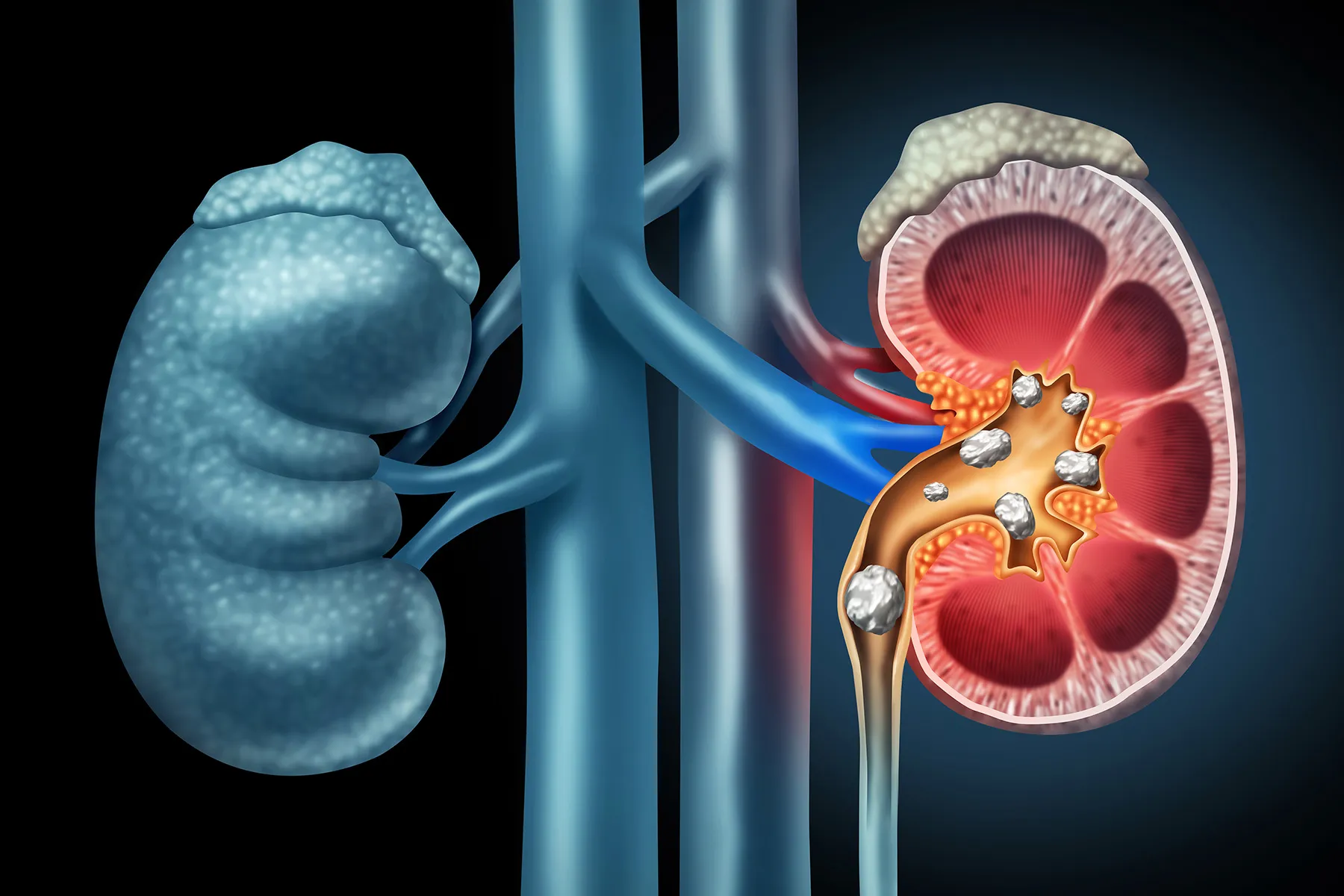
When a kidney stone refuses to pass naturally, blocks urine flow, causes repeated pain, triggers infection, or grows too large for the urinary tract’s very narrow “exit hallway,” a urologist may recommend a removal procedure. The right option depends on the stone’s size, location, hardness, shape, whether it is in the kidney or ureter, your overall health, and whether previous treatments have worked.
This guide explains the most common kidney stone surgery and removal procedures, including shock wave lithotripsy, ureteroscopy, laser lithotripsy, percutaneous nephrolithotomy, stents, nephrostomy tubes, and what recovery often feels like in real life.
When Is Kidney Stone Surgery Needed?
Not every kidney stone needs surgery. Small stones may pass with fluids, pain control, and medications that help relax the ureter. But “wait and see” is not always wise. A stone that blocks urine, causes infection, damages kidney function, or simply refuses to move may need professional removal.
Common reasons doctors recommend kidney stone removal
- The stone is too large to pass on its own.
- Pain is severe or keeps returning.
- The stone blocks urine flow from the kidney.
- There are signs of infection, such as fever or chills.
- The stone is growing or causing kidney swelling.
- The patient has only one functioning kidney.
- The stone is made of a type that is unlikely to dissolve.
- Conservative treatment has failed.
Think of the urinary tract like a plumbing system with very delicate pipes. A small pebble may flush through. A larger one may turn into a traffic jam. Kidney stone procedures are designed to clear that traffic jam before it causes bigger trouble.
How Doctors Choose the Best Kidney Stone Procedure
There is no one-size-fits-all kidney stone surgery. A urologist usually reviews imaging tests, such as a CT scan, ultrasound, or X-ray, to locate the stone and estimate its size. Blood tests and urine tests may also help identify infection, kidney function problems, or the stone’s likely cause.
Factors that influence treatment choice
- Stone size: Small stones may be treated differently than large or staghorn stones.
- Stone location: Stones in the kidney, upper ureter, lower ureter, or bladder may require different tools.
- Stone density: Harder stones may not break easily with shock waves.
- Anatomy: Narrow ureters, kidney shape, obesity, pregnancy, or urinary tract abnormalities can affect options.
- Infection risk: An infected blocked kidney is a medical emergency and may need urgent drainage first.
- Patient preference: Some people prefer the least invasive option; others prefer the procedure with the highest chance of clearing the stone in one session.
The main kidney stone removal procedures are shock wave lithotripsy, ureteroscopy, laser lithotripsy, and percutaneous nephrolithotomy. Rarely, open or laparoscopic surgery may be used when less invasive methods are not possible.
Shock Wave Lithotripsy: Breaking Stones from Outside the Body
Shock wave lithotripsy, also called extracorporeal shock wave lithotripsy or ESWL, is one of the least invasive kidney stone treatments. “Extracorporeal” simply means “outside the body,” which sounds fancy but basically means the machine does not need a dramatic entrance.
During shock wave lithotripsy, focused sound waves are aimed at the kidney stone. These waves pass through the body and strike the stone, breaking it into smaller fragments. Those fragments then pass through the urine over time.
Who may be a good candidate?
ESWL may be considered for certain stones in the kidney or upper ureter, especially when the stones are not too large and can be clearly targeted with imaging. It is often performed as an outpatient procedure, meaning many people go home the same day.
Pros of shock wave lithotripsy
- No incision is usually needed.
- Recovery is often faster than more invasive surgery.
- It can be useful for selected kidney and ureter stones.
- Many patients return to normal activities within a few days.
Possible drawbacks
- It may not work well for very large, very hard, or poorly located stones.
- Fragments still need to pass, which can cause discomfort.
- Some patients need more than one session.
- It may be less effective for certain lower-pole kidney stones.
After ESWL, patients may notice blood in the urine, bruising, soreness, or sandy stone fragments passing. The doctor may recommend drinking fluids, straining urine to catch fragments, and using pain medication as needed.
Ureteroscopy: The Tiny Camera Road Trip
Ureteroscopy is a common kidney stone removal procedure that uses a thin, flexible or semi-rigid scope called a ureteroscope. The urologist passes the scope through the urethra, into the bladder, and up the ureter toward the stone. No outside incision is needed, which is a major plus for anyone who prefers their skin unbothered.
Once the stone is reached, the surgeon may remove it with a tiny basket or break it apart using a laser. The pieces can then be extracted or left small enough to pass naturally.
When ureteroscopy is commonly used
- Stones in the ureter
- Small to medium kidney stones
- Stones that did not respond to shock wave lithotripsy
- Hard stones that may not break well with ESWL
- Patients who are not ideal candidates for shock wave treatment
What happens during ureteroscopy?
Ureteroscopy is usually performed under anesthesia. The procedure may take less than an hour for a simple stone, but more complex cases can take longer. The surgeon uses real-time imaging and the ureteroscope camera to locate the stone. If laser lithotripsy is needed, a laser fiber breaks the stone into dust-like particles or small removable pieces.
Advantages of ureteroscopy
- No surgical incision is required.
- The stone can often be treated directly.
- It works for many ureteral stones and some kidney stones.
- It may have a higher chance of clearing certain stones than ESWL.
Possible side effects
After ureteroscopy, burning with urination, urinary urgency, mild flank discomfort, and blood in the urine are common for a short time. Some people describe it as feeling like their bladder is sending angry emails. These symptoms usually improve as the urinary tract heals.
Laser Lithotripsy: Turning Stones into Dust
Laser lithotripsy is often performed during ureteroscopy. A laser fiber is passed through the ureteroscope and aimed at the stone. The laser energy breaks the stone into tiny fragments. Depending on the situation, the surgeon may “dust” the stone into fine particles or “fragment and basket” the pieces out.
Laser lithotripsy is especially useful because it allows the urologist to treat the stone from very close range. It is commonly used for stones in the ureter and kidney.
Dusting vs. basket removal
In a dusting approach, the stone is broken into very small particles that pass naturally. In basket removal, the surgeon captures larger fragments with a tiny wire basket and removes them through the scope. The best method depends on stone size, location, equipment, and the surgeon’s judgment.
Ureteral Stents: Annoying but Sometimes Helpful
A ureteral stent is a thin, flexible tube placed inside the ureter to help urine drain from the kidney to the bladder. Stents are often used after ureteroscopy or when swelling could temporarily block urine flow.
Let’s be honest: many patients do not invite stents to their birthday parties. A stent can cause urinary frequency, urgency, bladder pressure, flank discomfort, or blood in the urine. However, it can also prevent a swollen ureter from blocking urine after surgery, which is important.
How long does a stent stay in?
Some stents are removed after a few days, while others stay longer depending on the procedure and the patient’s condition. Some have a small string that allows removal in the office or at home with instructions. Others are removed by cystoscopy, a quick procedure in which a small scope is used to retrieve the stent.
If you have a stent, call your healthcare team if you develop fever, severe pain, inability to urinate, heavy bleeding, or symptoms that feel far beyond what you were told to expect.
Percutaneous Nephrolithotomy: For Large or Complex Stones
Percutaneous nephrolithotomy, often shortened to PCNL, is a minimally invasive surgery used for large, complex, or difficult kidney stones. It is commonly recommended for stones that are too large for shock wave lithotripsy or ureteroscopy to clear effectively.
During PCNL, the surgeon makes a small incision in the back and creates a narrow pathway directly into the kidney. A nephroscope is passed through that pathway to find the stone. The stone may be removed whole or broken into pieces with laser, ultrasonic, or mechanical energy.
When PCNL may be recommended
- Large kidney stones, often greater than 2 centimeters
- Staghorn stones that fill part of the kidney’s collecting system
- Multiple stones in the kidney
- Hard stones that are unlikely to break with ESWL
- Stones that failed previous treatment
Benefits of PCNL
PCNL can remove a large stone burden in one procedure. For patients with big stones, this can be more efficient than repeated smaller procedures. It does involve an incision and typically requires anesthesia and closer monitoring, but it is still far less invasive than traditional open surgery.
Recovery after PCNL
Recovery varies. Some patients stay in the hospital briefly, especially if the stone was large or complex. Soreness near the incision, blood in the urine, fatigue, and temporary drainage tubes or stents may occur. Many people need more recovery time after PCNL than after ureteroscopy or ESWL.
Nephrostomy Tube: Emergency Drainage When Urine Is Blocked
A nephrostomy tube is not exactly a stone removal procedure, but it can be crucial. If a stone blocks the ureter and urine cannot drain from the kidney, a doctor may place a tube through the skin into the kidney to drain urine externally into a bag. This is often done by an interventional radiologist using imaging guidance.
Nephrostomy drainage may be needed urgently if the blocked kidney is infected. In that situation, the first goal is not to win a wrestling match with the stone. The first goal is to drain the kidney, treat infection, and keep the patient safe. Definitive stone removal may happen later.
Open or Laparoscopic Surgery: Rare but Still Possible
Open kidney stone surgery is rare today because less invasive options work for most patients. However, open, laparoscopic, or robotic surgery may be considered if the stone is extremely complex, anatomy is unusual, or other treatments have failed.
These procedures involve larger incisions or internal surgical reconstruction and usually require longer recovery. They are not the everyday choice, but they remain available for special cases.
Comparing Kidney Stone Removal Procedures
| Procedure | Best For | Incision? | Typical Recovery |
|---|---|---|---|
| Shock Wave Lithotripsy | Selected kidney or upper ureter stones | No | Often a few days |
| Ureteroscopy | Ureter stones and some kidney stones | No | Often several days to a week |
| Laser Lithotripsy | Stones treated through ureteroscopy | No external incision | Depends on ureteroscopy recovery |
| PCNL | Large, complex, or staghorn stones | Small back incision | Often longer; may take weeks |
| Open/Laparoscopic Surgery | Rare complex cases | Yes | Usually longer |
What to Expect Before Kidney Stone Surgery
Before surgery, your healthcare team may order imaging, blood work, urine testing, and sometimes a urine culture to check for infection. You may be told to stop certain medications, especially blood thinners, before the procedure. Always follow your doctor’s instructions rather than taking advice from your cousin’s neighbor who “had a stone once in 2009.”
Questions to ask your urologist
- Where is my stone located?
- How large is it?
- What procedure do you recommend and why?
- What are the chances I will need a second procedure?
- Will I need a ureteral stent?
- How long should I expect blood in the urine?
- When can I return to work, exercise, and driving?
- Should my stone be analyzed after removal?
What Recovery Feels Like After Kidney Stone Removal
Recovery depends on the procedure. After shock wave lithotripsy, some people feel sore and pass fragments for days or weeks. After ureteroscopy, bladder irritation and stent symptoms may be the main complaint. After PCNL, incision soreness and fatigue are more noticeable.
Common short-term symptoms after kidney stone procedures include mild blood in the urine, burning with urination, urinary urgency, flank discomfort, nausea from anesthesia, and tiredness. These symptoms should improve. Fever, worsening pain, inability to urinate, or heavy bleeding should be reported promptly.
Preventing Future Kidney Stones After Surgery
Removing the stone solves the immediate problem, but it does not automatically fix why the stone formed. That is why prevention matters. A stone analysis, 24-hour urine test, blood tests, and dietary review can help identify risk factors.
Common prevention strategies
- Drink enough fluids to produce pale urine unless your doctor restricts fluids.
- Reduce excess sodium, which can increase calcium in the urine.
- Eat normal dietary calcium unless told otherwise.
- Limit high-oxalate foods if you form calcium oxalate stones.
- Reduce animal protein if advised.
- Take prescribed medications exactly as directed.
Kidney stones can recur, so prevention is not a decorative extra. It is the sequel nobody wants, and good prevention helps cancel it.
Real-World Experiences: What Patients Often Notice After Kidney Stone Procedures
People often imagine kidney stone surgery as one dramatic event: stone out, pain gone, curtain closes. Real life is usually more layered. The procedure may solve the stone problem quickly, but the body still needs time to recover from irritation, swelling, anesthesia, and sometimes a stent.
After shock wave lithotripsy, many patients are surprised that the stone does not always disappear instantly. Instead, fragments pass gradually. Some people describe seeing tiny grains or sand-like particles in the urine. Others feel crampy waves as fragments move. Drinking fluids, using prescribed pain medicine, and following activity instructions can make this period easier. The odd part is psychological: you may know the stone is “treated,” yet your body is still cleaning up the confetti.
After ureteroscopy with laser lithotripsy, the biggest surprise is often the stent. The stone pain may be better, but the stent can create a new set of sensations: urgency, bladder pressure, burning, or a tugging feeling in the side during urination. Some people feel almost normal while sitting still but notice discomfort when walking, climbing stairs, or riding in a car. This does not mean the surgery failed. It often means the stent is doing its not-so-glamorous job of keeping drainage open while swelling settles.
A practical tip many patients appreciate is planning the first few days as “low ambition” days. This is not the time to reorganize the garage, run errands across town, or prove your toughness to a laundry basket. Loose clothing, easy meals, a heating pad if approved, and quick access to a bathroom can make recovery less irritating. If the doctor gives a urine strainer, use it. Catching fragments may help with stone analysis, which can guide prevention.
PCNL recovery tends to feel more like surgery because it involves a small back incision and direct access to the kidney. Patients may feel sore, tired, and cautious when bending or twisting. Some may have a nephrostomy tube, ureteral stent, or dressing care instructions. The emotional relief can be huge, especially for people who had a large stone burden, but the body may still demand patience. Rest is not laziness here; it is part of the treatment plan.
Another common experience is anxiety about blood in the urine. Light pink or tea-colored urine can happen after procedures, especially with activity or a stent. However, heavy bleeding, clots, fever, chills, severe worsening pain, or inability to urinate are not “just recovery vibes.” Those symptoms deserve a call to the healthcare team or urgent care instructions.
Many patients also describe a turning point after stent removal. Urgency and bladder discomfort may improve quickly, though some cramping can occur for a short period. Once the stone is gone and the stent is out, the focus shifts from surviving the episode to preventing another one. That is where hydration habits, sodium reduction, stone analysis, and follow-up testing become the real long-term heroes.
The best experience comes from knowing what is normal, what is not, and who to call. Kidney stone surgery is not exactly a spa weekend, but with the right procedure and a clear recovery plan, most people get through it far better than they feared.
Conclusion
Kidney stone surgery and removal procedures have come a long way. Today, many stones can be treated with minimally invasive techniques such as shock wave lithotripsy, ureteroscopy, laser lithotripsy, and percutaneous nephrolithotomy. The right choice depends on the stone’s size, location, hardness, and the patient’s health needs.
If you are facing kidney stone surgery, the most important step is a clear conversation with your urologist. Ask what procedure is recommended, whether a stent is likely, how long recovery may take, and how to reduce your risk of future stones. Removing the stone is victory number one. Preventing the next one is the championship round.