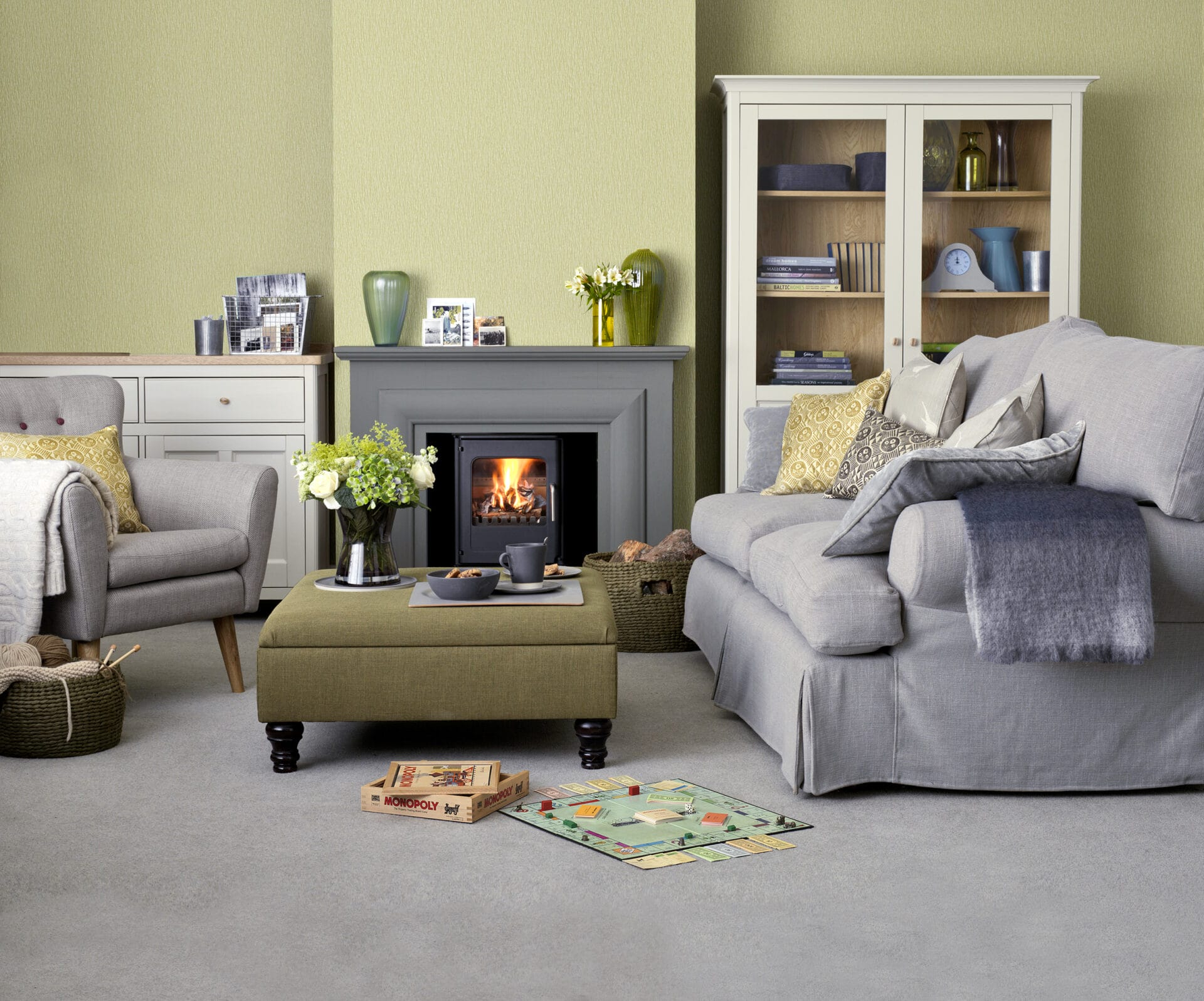
For years, wall-to-wall carpeting was treated like the avocado-green refrigerator of flooring: a little embarrassing, a little nostalgic, and something homeowners proudly ripped out while whispering, “There are hardwoods under here, right?” But interior design has a funny sense of humor. The same flooring once blamed for dated living rooms, mystery stains, and suspiciously crunchy basements is now stepping back into the spotlightonly this time, it is wearing better colors, smarter fibers, and a much more sophisticated attitude.
So, is wall-to-wall carpeting making a comeback? Yesbut not in the old “carpet every room, including the bathroom, because apparently chaos is a design concept” way. Today’s wall-to-wall carpet trend is more selective, intentional, and lifestyle-driven. Homeowners are craving warmth, softness, quiet, and comfort after years of sleek hard floors, gray minimalism, and interiors that sometimes looked more like boutique hotels than actual homes where people drop popcorn between sofa cushions.
The modern carpet comeback is especially visible in bedrooms, dens, dressing rooms, nurseries, media rooms, and cozy living areas. It is less about covering every square inch of a house and more about creating rooms that feel calm, cocooned, and human. In other words, carpet is no longer trying to replace hardwood everywhere. It is trying to make certain rooms feel better to live in.
Why Wall-to-Wall Carpet Fell Out of Favor
To understand why carpet is returning, it helps to remember why it disappeared from wish lists in the first place. In the late 20th century, wall-to-wall carpeting became nearly universal in American homes. It was affordable, soft, and easy for builders to install. Unfortunately, it was also frequently beige, thick, and installed in places where carpet should never have been trusted with responsibilitybathrooms, kitchens, damp basements, and high-traffic entryways.
As hardwood, engineered wood, laminate, tile, and luxury vinyl plank became more popular, homeowners began associating hard flooring with cleanliness, resale value, and a more updated look. Open-concept homes also favored continuous hard flooring because it made spaces feel larger and easier to connect visually. Add pets, allergies, spilled coffee, and one toddler with a marker, and carpet started looking less like comfort and more like a long-term commitment to stain anxiety.
But design trends rarely disappear forever. They hibernate, get a makeover, and return with better branding. Today’s carpet is not simply the carpet of the 1980s dragged back into the room. It comes in lower piles, better textures, bolder colors, improved stain resistance, and more performance-minded materials. The comeback is happening because homeowners want softness againbut they want it on modern terms.
What Is Driving the Carpet Comeback?
1. Homes Are Getting Cozier Again
One of the biggest reasons wall-to-wall carpeting is trending again is the broader move toward cozy interiors. After years of white walls, pale floors, sharp lines, and “quiet luxury” spaces that sometimes felt too quiet, people are embracing rooms with warmth, texture, and personality. Carpet fits perfectly into that shift because it instantly changes how a room feelsnot just how it looks.
Hard flooring may photograph beautifully, but carpet changes the sensory experience of a space. It softens footsteps, warms the floor, reduces echo, and makes a room feel more relaxed. In a bedroom, that first step out of bed matters. Nobody wants to start the morning by placing bare feet onto a cold floor and questioning every decision that led to that moment.
2. Bedrooms Are Becoming Retreats
The bedroom is the star of the wall-to-wall carpet revival. Designers often recommend carpet in bedrooms because the room’s main job is comfort. Unlike kitchens or entryways, bedrooms usually experience less foot traffic, fewer spills, and less moisture. That makes them ideal candidates for soft flooring.
A fully carpeted bedroom can feel quieter and more peaceful than one with hard floors and an area rug. It also avoids the common area-rug problem where the rug is either too small, awkwardly placed, or constantly trying to escape under the bed like it has somewhere better to be. Wall-to-wall carpeting creates a seamless base, making the room feel larger, calmer, and more finished.
3. Media Rooms and Dens Need Better Acoustics
Another major reason carpet is back is sound control. In rooms used for movies, gaming, music, or family hangouts, hard surfaces can create echo and noise bounce. Carpet helps absorb sound, making conversations clearer and movie nights more immersive. It is one of the easiest ways to make a media room feel less like an empty gymnasium and more like a cozy private theater.
This is especially useful in homes with open layouts, high ceilings, or multiple hard surfaces. A carpeted den or TV room can become a soft acoustic pocket within the home. If you have ever watched an action movie in a room where every explosion ricochets off the floors, walls, and ceiling, you already understand why carpet deserves at least a polite apology.
Today’s Wall-to-Wall Carpet Looks Different
Warm Neutrals Are Replacing Flat Beige
Neutral carpet is still popular, but the palette has changed. The old flat beige carpet that seemed designed specifically to highlight coffee spills is giving way to warmer, richer neutrals. Think oatmeal, camel, taupe, mushroom, warm gray, soft cream, and sandy brown. These colors are practical without looking builder-basic.
Warm neutrals work well because they pair easily with wood furniture, painted trim, patterned bedding, and layered textiles. They also make a room feel inviting without demanding all the attention. A good neutral carpet is like a great supporting actor: it makes everything else look better and does not insist on giving a dramatic monologue.
Colorful Carpet Is Back for the Brave
While warm neutrals are the safe and stylish choice, colorful wall-to-wall carpet is also having a moment. Designers are experimenting with deep green, navy, burgundy, dusty rose, terracotta, and even bold statement shades in smaller spaces. This trend works especially well in bedrooms, libraries, powder-free dressing rooms, and playful guest rooms.
The secret is intention. A colorful carpet should connect with the room’s overall palette rather than arrive unannounced like a party guest wearing a feather boa to a business lunch. When the carpet color echoes the walls, upholstery, bedding, or artwork, it can feel chic and enveloping. When it fights everything else, it becomes a flooring hostage situation.
Texture Is the New Pattern
Textured carpet is one of the strongest trends in modern flooring. Instead of relying only on color, homeowners are choosing loop piles, cut-and-loop designs, subtle ribbing, wool-like textures, and low-profile patterns. These add visual interest while still feeling calm and livable.
Texture also has a practical advantage: it can help disguise footprints, vacuum marks, and normal wear better than a perfectly smooth solid carpet. For busy households, pets, and children, that is not just a design detailit is emotional support.
Where Wall-to-Wall Carpet Works Best
Bedrooms
Bedrooms are the easiest yes. Carpet adds softness, warmth, quiet, and a sense of retreat. It works beautifully in primary bedrooms, guest rooms, children’s rooms, and upstairs bedrooms where noise control matters.
Dens and Libraries
A den or library with wall-to-wall carpet can feel intimate and luxurious. Pair it with built-in shelves, moody paint, warm lighting, and a comfortable chair, and suddenly you have a room where reading a book feels like an event instead of something you squeeze in before scrolling your phone.
Media Rooms
Carpet is a smart choice for media rooms because it improves acoustics and comfort. It also makes floor seating more inviting, which matters if your household includes kids, teenagers, or adults who insist they are “just stretching” while watching three episodes in a row.
Dressing Rooms and Closets
In dressing rooms and walk-in closets, carpet can feel elegant and boutique-like. These spaces are usually lower traffic and benefit from softness underfoot. A low-pile carpet in a refined color can make getting dressed feel more polished, even if you are only choosing between two nearly identical black T-shirts.
Where Carpet Still Does Not Belong
The comeback has limits, and those limits are important. Wall-to-wall carpet is usually not the best choice for bathrooms, kitchens, laundry rooms, mudrooms, or damp basements. Moisture is carpet’s least charming enemy. If carpet stays wet, it can develop odors, mildew, and microbial growth. That is not cozy. That is a renovation subplot.
High-traffic entryways are also risky because they collect dirt, grit, rain, snow, and whatever your shoes experienced in the outside world. In those areas, tile, stone, vinyl, or wood-look flooring is typically easier to maintain. Carpet can be wonderful, but it needs the right room.
Pros of Wall-to-Wall Carpeting
Comfort Underfoot
The most obvious benefit is comfort. Carpet feels soft, warm, and forgiving. It is especially appealing in rooms where people go barefoot, sit on the floor, or want a relaxed atmosphere.
Noise Reduction
Carpet absorbs sound better than hard flooring, making it useful for bedrooms, upstairs rooms, apartments, dens, and media spaces. It can reduce footsteps, echoes, and the general soundtrack of daily life.
Visual Continuity
Unlike an area rug, wall-to-wall carpet runs to the edges of a room. This creates a continuous surface that can make a room feel calm and cohesive. It is especially useful in rooms with unusual shapes where a standard rug would look awkward.
Warmth and Insulation
Carpet can help a room feel warmer, both visually and physically. In colder climates or draftier homes, that softness can make a noticeable difference in how comfortable a bedroom or family room feels.
Safety
Because carpet is soft and less slippery than many hard surfaces, it can be helpful in homes with small children or older adults. It will not prevent every fall, but it can make certain rooms feel more secure and forgiving.
Cons of Wall-to-Wall Carpeting
Maintenance Is Non-Negotiable
Carpet needs regular vacuuming and occasional deep cleaning. If your cleaning style is best described as “optimistic neglect,” wall-to-wall carpet may eventually expose your secrets. Pet hair, dust, crumbs, and stains require consistent attention.
It Can Stain
Modern carpets are better at resisting stains, especially performance options designed for pets and families. Still, carpet is not magic. Red wine, muddy paws, and mystery toddler substances should be addressed quickly.
It Has a Shorter Lifespan Than Hardwood
High-quality carpet can last many years, but it generally does not have the same lifespan as hardwood flooring. Hardwood can be refinished; carpet usually must be replaced once it is worn, stained, or crushed beyond recovery.
It May Affect Resale Expectations
Buyers often prefer hard flooring in main living areas, kitchens, dining rooms, and hallways. Carpet is more accepted in bedrooms and cozy secondary spaces. If resale is a major concern, use carpet strategically rather than throughout the entire house.
How Much Does Wall-to-Wall Carpet Cost?
Carpet costs vary widely based on fiber, pile, padding, room size, labor, and installation complexity. In general, installed carpet often ranges from budget-friendly synthetic options to premium wool or designer styles. Polyester and polypropylene tend to be more affordable, while nylon is known for durability and wool sits at the higher end with a natural, luxurious feel.
Padding matters, too. A good carpet with poor padding is like a fancy mattress on a questionable bed frame. It may look fine at first, but the performance will suffer. Quality padding improves comfort, insulation, and longevity, so it is not the place to save a few dollars unless you enjoy regretting things slowly.
Best Carpet Materials for Modern Homes
Nylon
Nylon is durable, resilient, and widely used in busy households. It is a strong choice for bedrooms, family rooms, stairs, and areas where the carpet needs to bounce back from foot traffic.
Polyester
Polyester is often softer and more affordable. It comes in many colors and can offer good stain resistance, making it attractive for bedrooms and lower-traffic spaces.
Wool
Wool is natural, luxurious, and long-lasting when properly maintained. It is more expensive and should be used carefully in moisture-prone areas, but in a bedroom or formal space, it can feel beautiful and timeless.
Triexta
Triexta is a newer synthetic fiber known for softness and stain resistance. It can be a practical option for families who want comfort without treating every snack like a flooring emergency.
How to Make Wall-to-Wall Carpet Look Modern
Choose low or medium pile instead of overly thick shag unless your design goal is “1974 conversation pit with fondue energy.” Look for subtle texture, natural-looking fibers, tailored edges, and colors that connect with the whole room. Pair carpet with updated trim, good lighting, quality furniture, and layered textiles.
For a sophisticated look, consider tone-on-tone design. A warm taupe carpet with cream walls, walnut furniture, linen bedding, and brass lighting can feel elegant rather than dated. For a bolder look, try deep green or navy carpet in a study with built-in shelves and patterned drapery. The trick is to make the carpet feel designed, not accidental.
Is Carpet Good for Allergies and Indoor Air Quality?
This question gets debated, and the honest answer is: it depends on maintenance, moisture, ventilation, and the people living in the home. Carpet can trap dust and allergens until they are removed by vacuuming, which may reduce airborne particles when cleaned properly. However, poorly maintained carpet can hold dust, pet dander, and odors. Damp carpet can also create indoor air quality problems.
If you are sensitive to allergens, choose low-VOC carpet and padding, ventilate during and after installation, vacuum regularly with a high-quality vacuum, and schedule periodic deep cleaning. Avoid carpet in damp spaces. A beautiful carpet should make a room feel fresh, not like a forgotten hotel hallway with secrets.
Wall-to-Wall Carpet vs. Area Rugs
Area rugs are still an excellent option, especially over hardwood, tile, or luxury vinyl plank. They are easier to replace, easier to clean in some cases, and more flexible if your style changes. But area rugs have limits. They can slide, curl, bunch, or look too small if not sized correctly. They also do not provide the same full-room acoustic softness as wall-to-wall carpet.
Wall-to-wall carpet is better when you want total softness, continuous comfort, and a room that feels fully wrapped in texture. Area rugs are better when you want flexibility, easy updates, and hard flooring underneath. Neither is universally better; they simply solve different design problems.
Real-Life Experience: Living With Wall-to-Wall Carpet Again
The most interesting thing about wall-to-wall carpet is that people often judge it intellectually before they experience it physically. On paper, hard flooring sounds practical, clean, and flexible. Then winter arrives, the bedroom floor feels like a refrigerated cutting board, and suddenly carpet starts looking less like a design mistake and more like a personal wellness strategy.
In real homes, wall-to-wall carpeting tends to win people over in quiet moments. It is the feeling of stepping out of bed onto something soft. It is a child spreading toys across the bedroom floor without needing a blanket first. It is the dog choosing the carpeted room every time because, apparently, the dog has become an interior design consultant. It is the way a media room sounds better when the floor is not bouncing every noise back into the conversation.
One practical experience many homeowners notice is that carpet changes how a room is used. A hard-floored bedroom may look polished, but a carpeted bedroom often feels more restful. People sit on the floor more. Kids play longer. Pets nap harder. The room becomes less of a pass-through space and more of a landing zone. That emotional comfort is difficult to measure, but it is exactly why the trend is returning.
Of course, the experience is not perfect. Carpet asks for discipline. You notice when you skip vacuuming. You learn quickly that shoes and carpet should have a long-distance relationship. You become the kind of person who says, “Can we keep food in the kitchen?” and then realizes you have become your parents. If you have pets, you will want a performance carpet and a good vacuum. If you have children, choose a forgiving color and texture. If you drink red wine in the bedroom, first of all, bold lifestyle choice; second, buy the stain-resistant option.
The best wall-to-wall carpet experiences happen when expectations are realistic. Carpet is not the best flooring for every room. It is not ideal for wet areas, messy entries, or spaces where spaghetti sauce frequently goes airborne. But in the right room, it can completely change the mood of a home. A guest bedroom feels more welcoming. A den feels more finished. A primary bedroom feels more luxurious without requiring a full renovation.
Another experience worth noting is visual calm. With area rugs, homeowners often wrestle with sizing, placement, rug pads, furniture legs, and awkward exposed strips of flooring. Wall-to-wall carpet removes that puzzle. The room has one continuous foundation. This can be especially helpful in small bedrooms, oddly shaped rooms, and spaces where a rug would chop up the floor plan.
Living with carpet also teaches you the importance of choosing quality. Cheap carpet in the wrong color can look tired quickly. A better carpet with good padding, subtle texture, and professional installation can feel tailored and intentional for years. Installation matters more than many people expect. Poor seams, ripples, and bad transitions can make even expensive carpet look disappointing. Good installation makes a mid-range carpet look elevated.
Ultimately, the lived experience of wall-to-wall carpeting is about comfort with boundaries. Use it where softness matters. Avoid it where moisture, mud, and heavy messes rule the day. Treat it as a design tool, not a default setting. When chosen thoughtfully, carpet does not feel like a step backward. It feels like a return to rooms that understand people have feet, ears, pets, children, and a deep desire to be cozy without apologizing for it.
Conclusion: So, Is Wall-to-Wall Carpeting Really Back?
Yes, wall-to-wall carpeting is making a comebackbut with better judgment than before. The modern version is not about carpeting an entire house from the front door to the bathroom scale. It is about using carpet where it genuinely improves comfort, warmth, acoustics, and atmosphere.
The strongest opportunities are bedrooms, dens, media rooms, dressing rooms, and cozy retreats. The best styles are textured, tailored, warm, and intentional. The smartest homeowners will balance comfort with maintenance, choosing durable fibers, good padding, low-VOC products, and professional installation.
Wall-to-wall carpet is not replacing hardwood, luxury vinyl, or tile as the universal flooring hero. Instead, it is reclaiming its role as the soft specialistthe flooring choice for rooms where comfort matters more than pretending your home is a showroom. And honestly, after years of cold floors and echoing open spaces, a little softness underfoot sounds pretty good.