Few grocery-store debates inspire quite as much passion as the question of Italian versus American Nutella. Some fans insist that a jar imported from Italy tastes darker, nuttier, thicker, and significantly more sophisticated. Others taste both versions and conclude that they have paid international shipping fees for the same chocolate-hazelnut spread wearing a more fashionable label.
So, is there actually a difference between Italian and American Nutella? The most accurate answer is both less dramatic and more interesting than the internet rumors suggest. Ferrero, the company behind Nutella, states that the classic recipe is the same worldwide. Current official ingredient information also shows remarkably similar proportions. However, differences in labeling laws, manufacturing location, freshness, storage temperature, packaging, and human expectations can still influence how two jars look, spread, and taste.
In other words, this is not necessarily a story about Ferrero secretly giving Italy the premium hazelnuts while shipping America a jar of sweet brown disappointment. It is a story about food production, sensory perception, and the surprising power of a glass jar covered in Italian words.
What Does “Italian Nutella” Actually Mean?
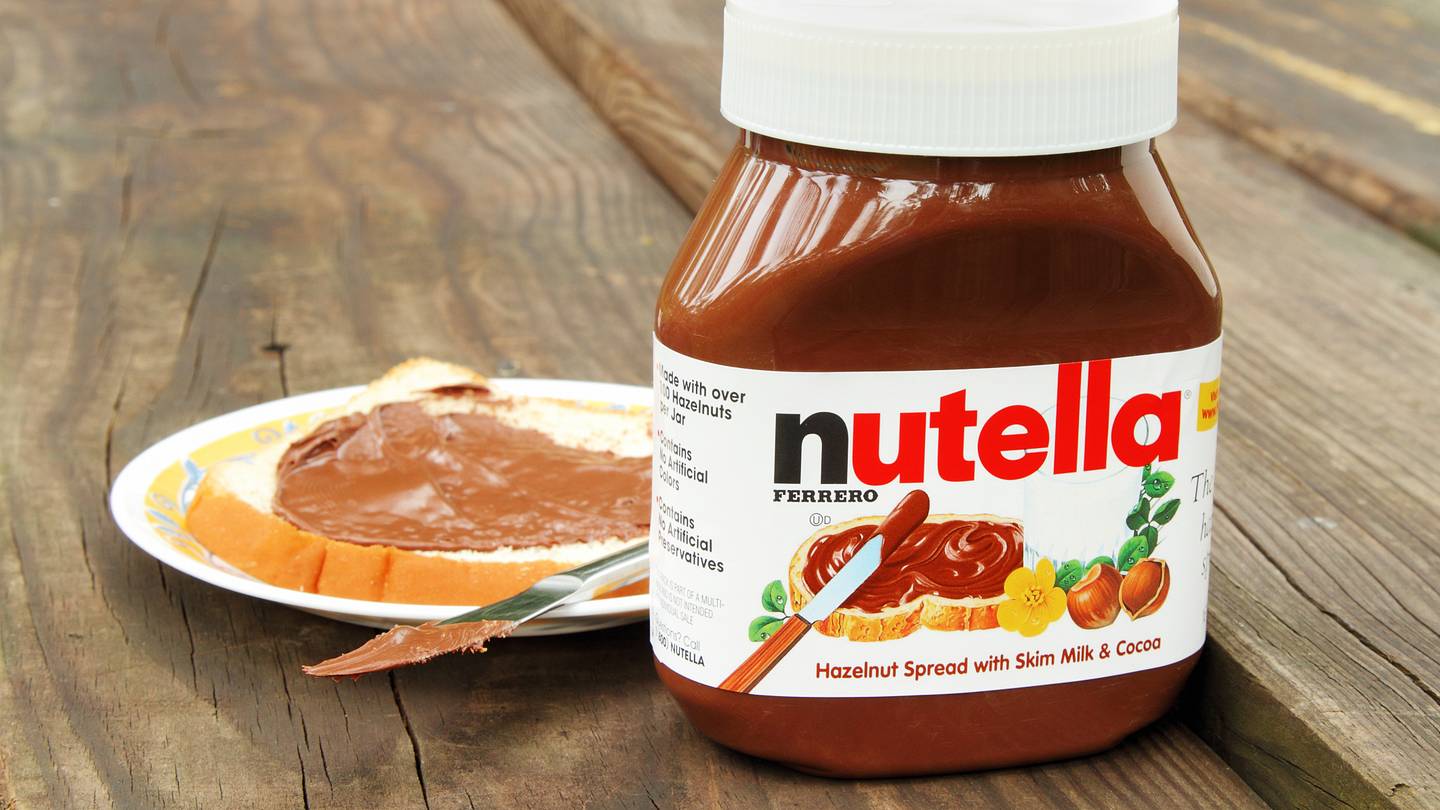
Before comparing the products, it helps to define the labels. “Italian Nutella” usually refers to classic Nutella manufactured for the Italian market, often purchased in Italy or imported into the United States. An imported jar commonly has Italian-language labeling and may come in a glass container.
“American Nutella” generally means the classic product sold through regular supermarkets in the United States. That does not automatically mean the spread was manufactured within the United States. Shoppers should inspect the country-of-origin statement on the individual jar rather than assuming that the retail destination and manufacturing destination are identical.
There is another complication: “European Nutella” is not always synonymous with “made in Italy.” Ferrero operates multiple production facilities around the world. A jar purchased in Europe may have been produced in a European country other than Italy while still following Ferrero’s standardized recipe and quality requirements.
The Official Answer: The Classic Recipe Is the Same Worldwide
Ferrero’s official position is unambiguous: the recognizable classic Nutella recipe is the same around the world. The company describes the product as a combination of seven ingredients selected and processed according to common quality standards at every facility that makes it.
Those seven ingredients are:
- Sugar
- Palm oil
- Hazelnuts
- Skim milk powder or skim milk
- Cocoa
- Lecithin, usually from soy, as an emulsifier
- Vanillin for flavor
The ingredients also appear in essentially the same order on current American and international product information. Because food ingredients are generally listed from greatest to smallest amount by weight, matching order is meaningful. Sugar and palm oil come first, followed by hazelnuts, milk, cocoa, lecithin, and flavoring.
What About the Ingredient Percentages?
One of the most repeated online claims is that European Nutella contains more hazelnuts because European labels disclose percentages while many American retail labels do not. European-market product information commonly lists approximately 13% hazelnuts, 8.7% skim milk powder, and 7.4% reduced-fat cocoa.
Older comparisons correctly noted that American retail jars did not disclose those percentages. However, a missing number is not proof that the recipe contains a different amount. It may simply reflect a different labeling requirement or packaging decision.
More importantly, current official Ferrero food-service information in the United States lists Nutella with 13% hazelnuts, 8.7% skim milk powder, and 7.4% cocoa. Those figures match the proportions published for Nutella in many international markets. That is strong evidence against the popular theory that present-day classic American Nutella is deliberately made with fewer hazelnuts or more cocoa than the Italian product.
Why Do Italian and American Labels Look Different?
Food labels are legal documents as much as marketing materials. The United States and European Union require manufacturers to organize and disclose information in different ways. Therefore, two packages can describe nearly identical food while appearing surprisingly different.
European Rules Often Require Ingredient Percentages
European labeling rules generally require a percentage when an ingredient appears in the product name, is emphasized with words or pictures, or is essential to the food’s character. Since hazelnuts and cocoa are central to the identity and presentation of Nutella, European labels commonly display their percentages.
American rules require ingredients to be listed in descending order by weight, but they do not automatically require the front or back of every package to disclose the percentage of each highlighted ingredient. Consequently, a U.S. jar may provide less numerical detail without containing a materially different formulation.
Serving Sizes Can Create a Nutritional Illusion
Nutrition panels can also look dramatically different because serving sizes vary by market. The current U.S. label uses a two-tablespoon serving weighing 37 grams. That serving contains 200 calories, 11 grams of fat, and 21 grams of total sugar.
European labels may emphasize a smaller suggested portion or present values per 100 grams. A shopper comparing only the large numbers on the panels might mistakenly conclude that one recipe is lighter, sweeter, or fattier. A fair comparison requires converting both labels to the same weight, preferably 100 grams.
Why Do So Many Taste Testers Report a Difference?
Despite the official recipe standard, published taste tests have not always produced identical results. Some testers describe imported Italian Nutella as thicker, darker, less sugary, and more hazelnut-forward. American supermarket Nutella is sometimes described as softer, oilier, lighter in color, or more obviously sweet.
A well-known Serious Eats comparison, for example, favored the Italian jar and described it as having a richer hazelnut character. Allrecipes and Tasting Table have also summarized consumer observations that Italian or European Nutella can seem denser and nuttier. Those experiences are genuine sensory reports, but they do not prove that the official ingredient formula is different.
Production Facilities Can Create Tiny Variations
A standardized recipe does not guarantee that every jar will be molecularly indistinguishable. Hazelnuts are agricultural products, and natural ingredients vary slightly from harvest to harvest. Roasting, grinding, mixing, cooling, filling, and transportation are carefully controlled, but small batch-level differences can still occur.
Two bakeries can follow the same cookie recipe and still produce cookies with slightly different browning or texture. Industrial food production is far more controlled than home baking, yet the basic principle remains: identical specifications allow very small sensory variations.
Freshness and Transportation Matter
An imported Italian jar may spend weeks traveling through warehouses, shipping facilities, specialty stores, and delivery trucks before reaching an American kitchen. A locally distributed jar may have followed a shorter routeor it may have sat in a warm warehouse longer. The label alone does not tell the entire story.
Heat can make a fat-rich spread softer and more fluid. A cooler jar will seem thicker and may release flavor more slowly on the tongue. If one jar has been stored in a warm pantry while the other has just arrived from an air-conditioned store, a taste test may accidentally become a temperature test.
Nutella should be compared at the same room temperature. Refrigerating one sample is especially unhelpful because cold temperatures make the spread firmer and reduce the immediate perception of aroma and sweetness.
Packaging May Influence the Experience
Italian imports are often associated with glass jars, while American supermarket versions are frequently sold in lightweight plastic containers. The packaging does not necessarily indicate a better recipe, but it can affect the overall experience.
A heavy glass jar feels premium. The Italian writing creates a sense of authenticity. Even the sound of the metal lid opening can make the tasting seem more ceremonial. Meanwhile, the plastic jar looks familiar and practical, which is useful but not exactly the culinary equivalent of arriving on a Vespa.
Packaging can also affect exposure to light, heat, and handling during distribution. Nevertheless, it would be an exaggeration to declare that glass automatically makes Nutella taste better. Storage history and product age are usually more important than the container alone.
Did Ferrero Ever Change the Nutella Recipe?
Yes, Ferrero confirmed a recipe adjustment in 2017. Reports at the time noted an increase in skim milk powder and small changes in sugar and fat measurements in Europe. In the United States, Ferrero explained that whey powder was being replaced with an equivalent amount of milk powder to improve consistency in the milk component.
This historical change matters because many online articles, forum posts, and taste tests compare labels from different years. An older Italian jar, a newer European jar, and a current American jar may not represent a clean regional comparison. They could represent different production dates or different stages of the formula update.
Current shoppers should therefore be cautious about treating a decade-old comparison as definitive proof of what is inside jars today.
Is Italian Nutella Healthier Than American Nutella?
There is no convincing evidence that classic Italian Nutella is substantially healthier than the classic version sold in the United States. Both are sweet cocoa-hazelnut spreads in which sugar and palm oil appear before hazelnuts on the ingredient list.
Nutella contains hazelnuts, milk, and cocoa, but it should not be treated as nutritionally equivalent to unsweetened hazelnut butter. A two-tablespoon U.S. serving contains 21 grams of total sugar, including 19 grams of added sugar. It is best understood as a sweet spread or dessert ingredient rather than a high-protein nut butter.
An Italian label may look more restrained because it shows a smaller portion, but reducing the printed serving size does not alter the food. A spoon does not become virtuous simply because it learned Italian.
Which Version Is Better for Baking?
For brownies, cookies, filled pastries, cheesecakes, and frostings, either version should perform similarly when measured by weight. Any small difference in softness can usually be corrected through temperature control.
- If the spread is too firm, let it rest at room temperature before mixing.
- If it is unusually runny, place the sealed jar in a cooler room rather than refrigerating it until solid.
- For consistent baking, weigh the Nutella instead of measuring it with a spoon.
- When conducting recipe tests, use jars from the same production market and similar best-before dates.
A recipe containing a full cup of Nutella is unlikely to reveal a meaningful regional distinction after flour, eggs, butter, sugar, and heat join the party. The difference is easier to notice when the spread is eaten plain, on neutral bread, or with an unsalted cracker.
How to Conduct a Fair Italian vs. American Nutella Taste Test
A proper comparison requires more discipline than opening two jars and announcing that the expensive one tastes “more European.” Use the following approach:
- Buy classic Nutella, not a different flavor or competing hazelnut spread.
- Confirm the country of manufacture on each jar.
- Choose jars with reasonably similar best-before dates.
- Store both in the same room for at least 24 hours.
- Transfer equal amounts into identical unmarked dishes.
- Ask another person to randomize the samples.
- Taste each sample plain and on identical pieces of bread.
- Record sweetness, hazelnut aroma, cocoa intensity, thickness, and aftertaste before revealing the jars.
Blind tasting is important because expectation has a powerful effect on flavor. A product believed to be imported, expensive, traditional, or difficult to obtain often receives more favorable descriptions. That does not make the taster dishonest. It simply means the brain participates in dinner whether invited or not.
Frequently Asked Questions
Does Italian Nutella contain more hazelnuts?
Current official information does not support that conclusion. International and U.S. food-service ingredient information both identify hazelnuts as approximately 13% of the classic product.
Why is Italian Nutella sometimes darker?
Possible explanations include batch variation, product age, storage temperature, lighting, packaging, or comparison between jars made during different formulation periods. Color alone does not prove that one jar contains more cocoa.
Is American Nutella made with high-fructose corn syrup?
No. The current U.S. ingredient list identifies sugar as the sweetener and does not list high-fructose corn syrup.
Does American Nutella contain preservatives?
The standard ingredient list does not include conventional chemical preservatives. Palm oil, low moisture, sugar, controlled manufacturing, and sealed packaging help provide stability.
Is imported Nutella worth the higher price?
It can be worth buying once for a blind comparison or as a novelty. However, the available ingredient evidence does not guarantee a superior recipe. The extra cost frequently reflects importation, specialty retail markup, packaging, and limited distribution.
A Realistic Side-by-Side Nutella Experience
Imagine setting up a comparison with one Italian-market glass jar and one ordinary jar purchased from an American supermarket. Before the tasting begins, the Italian jar already has an advantage. It is heavier, its label looks unfamiliar, and the ingredient list contains percentages. It feels like something discovered in a small shop near a cobblestone plaza, even if it actually arrived in a cardboard shipping box while you were wearing sweatpants.
When the jars are first opened, both spreads have the familiar roasted-hazelnut and cocoa aroma. The Italian sample may appear marginally darker under the kitchen light, although the difference becomes less obvious after equal portions are transferred to white dishes. One sample might also hold its shape slightly longer on the spoon. At this point, it is tempting to declare a winner before tasting anything.
The first unblinded bite often seems to confirm expectations. The imported spread may appear nuttier and less aggressively sweet. The supermarket jar may seem smoother, softer, or more chocolate-forward. Yet the experience can change dramatically when the containers are hidden and the samples are randomized.
During a blind round, the differences usually become subtler. A taster may confidently call Sample A the Italian version because it feels thicker, only to discover that Sample A came from the American-market jar. Another person may identify a more roasted flavor in Sample B but fail to repeat the result during a second round. What felt like an obvious distinction while looking at the labels can turn into a very close decision once the visual clues disappear.
Bread introduces another surprise. On plain white bread, sweetness becomes more noticeable, while hazelnut details fade into the background. On toasted sourdough, the browned crust and mild acidity can make both samples taste more complex. When paired with banana, strawberries, pancakes, or cookies, any small regional difference may become nearly impossible to isolate.
Temperature can create the largest practical difference. If the imported jar is slightly cooler, it spreads more slowly and feels dense on the tongue. The warmer sample seems thinner and may taste sweeter because its aromas are released more quickly. After both jars spend several hours in the same room, their textures often move closer together.
The most honest conclusion from this kind of experience is not that everyone imagines the difference. Some jars genuinely can vary in aroma, texture, and flavor. The important lesson is that manufacturing origin is only one possible explanation. Freshness, temperature, storage, batch variation, and expectation all compete for credit.
For many tasters, the imported jar still winsnot necessarily by a landslide, but by providing a more memorable ritual. There is pleasure in opening a glass jar from Italy, reading the foreign label, and turning breakfast into a tiny culinary vacation. That emotional value is real, even when laboratory-style evidence for a different recipe is weak.
Other tasters prefer the familiar American-market jar or cannot reliably distinguish the two. That outcome is equally valid and considerably better for the grocery budget. After all, the best Nutella is often the jar currently within reach, especially when there is warm toast nearby and no one is monitoring the size of the spoon.
Conclusion: Is There Really a Difference?
The current evidence suggests that classic Italian and American-market Nutella are designed to follow the same core recipe. Ferrero explicitly says the recipe is consistent worldwide, and official ingredient information shows matching proportions for hazelnuts, milk powder, and cocoa.
That does not mean every jar will taste perfectly identical. Manufacturing batches, ingredient harvests, storage conditions, transportation, age, packaging, and serving temperature can produce small sensory variations. Published taste testers have sometimes preferred Italian Nutella, but their observations should not be mistaken for proof of a fundamentally superior formula.
The most defensible verdict is that there may be a noticeable difference between two individual jars, but there is little reliable evidence of a major, intentional Italian-versus-American recipe divide in the current classic product. Buy the imported version for curiosity, nostalgia, attractive glass packaging, or a blind tasting night. Just do not assume that an Italian label automatically means extra hazelnuts are hosting a private party inside.
Note: Product formulas, labels, serving sizes, manufacturing origins, and packaging can change. Check the ingredient list and country-of-origin statement on the specific jar being compared.