Some ideas arrive quietly. Others kick down the door wearing tiny whiskers, oversized eyes, and the confidence of a house cat sitting on a laptop during a work meeting. The charming illustration series often shared under the title “Illustrator Reimagines Famous Characters As Adorable Kittens And It’s Purrfect” belongs firmly in the second category.
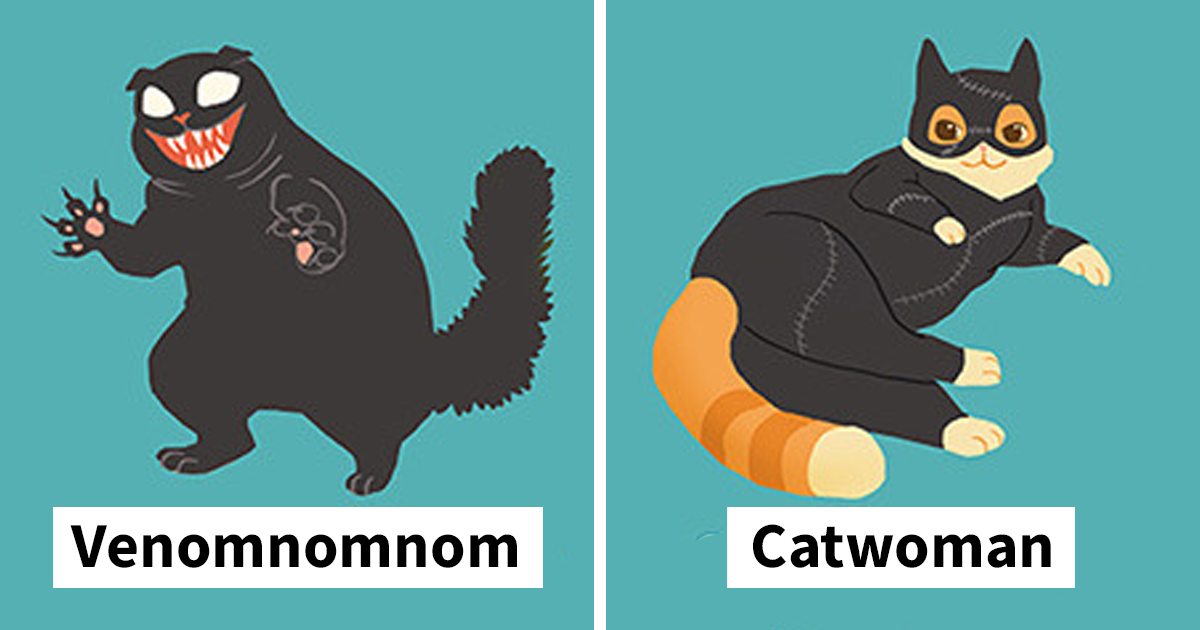
The concept is delightfully simple: take famous cartoon, movie, game, and anime characters, then redraw them as kittens. Not “cats wearing Halloween costumes from the discount bin,” but carefully designed kitten versions that preserve the original character’s personality, silhouette, color palette, and attitude. The result is a collection of pop culture fan art that feels instantly recognizable, ridiculously cute, and dangerously shareable. One look and suddenly your productivity has been replaced by a soft little “aww.”
The illustrator behind the viral kitten transformations, known online as Derlaine, built the series around a playful question: what would beloved fictional characters look like if they had paws, fur, tails, and the emotional power to make the internet collectively melt? The answer, apparently, is “very, very good.”
Why Turning Famous Characters Into Kittens Works So Well
At first glance, this kind of artwork looks like pure cuteness. And yes, it absolutely is cute enough to make a villain reconsider their life choices. But the reason the series works is more thoughtful than simply adding whiskers to a princess and calling it a day.
Great character redesign depends on recognition. When an artist reimagines a famous character, the viewer still needs to understand who they are seeing within a second or two. Derlaine’s kitten illustrations succeed because they keep the visual DNA of each character intact. The costumes, colors, hairstyles, accessories, expressions, and iconic poses are translated into feline form without losing the spirit of the original.
That is the real magic. A heroic character might become a brave little kitten with alert ears and a determined stance. A villain might become a fluffy menace with narrowed eyes and a tail that looks like it is plotting something. A magical girl, fantasy warrior, princess, or video game icon can all become kittens while still keeping the traits that made fans love them in the first place.
The Power of Kawaii in Pop Culture Art
The series also taps into the global appeal of kawaii art, a Japanese-inspired aesthetic centered on cuteness, softness, charm, and emotional warmth. Kawaii is not only about making something adorable. It often works by making a character feel approachable, gentle, and slightly vulnerable. In other words, it takes the emotional volume of a design and turns it into a tiny squeaky toy.
Kittens are practically built for this. They have large eyes, round faces, small noses, soft shapes, and awkward little bodies that look like they are still downloading the latest software update. When a famous character is redesigned as a kitten, the viewer gets two emotional rewards at once: the nostalgia of recognizing the character and the irresistible sweetness of seeing them in a smaller, fluffier form.
This is why the illustrations feel so comforting. A powerful villain becomes less terrifying when they look like they might get distracted by a shoelace. A serious hero becomes funnier when their cape is paired with tiny paws. A dramatic character becomes instantly more lovable when their intense stare is coming from a face that could fit inside a teacup.
Fan Art, Nostalgia, and the Joy of Reimagining
Fan art has always been one of the internet’s most energetic creative engines. Artists do not simply copy what they love; they reinterpret it. They ask questions. What if this character lived in another universe? What if this scene happened in another style? What if the most feared villain in the kingdom was, in fact, a kitten with suspiciously excellent eyeliner?
That playful “what if” is exactly what gives Derlaine’s kitten series its charm. The illustrations invite viewers to participate. Fans look at each design and mentally compare it with the original. They notice the details: the color choices, the outfit references, the personality cues, and the clever ways human features become feline ones. A hairstyle may become a tuft of fur. A dramatic cloak may become a fluffy tail shape. A crown, bow, mask, or weapon-inspired accessory may be simplified into something kitten-sized and charming.
That transformation creates a small moment of discovery. The viewer is not just looking at a cute cat. They are solving a tiny visual puzzle. Recognition arrives, then delight follows. It is basically a two-step dance: “Wait, is that who I think it is?” followed immediately by “Oh no, I love it.”
Why the Internet Loves Cats in Almost Every Form
The internet’s love affair with cats is not exactly breaking news. Cats have been online royalty for decades, ruling over memes, reaction images, viral videos, animated stickers, and comment sections with the calm authority of creatures who know humans exist mainly to open doors.
Part of the appeal is that cats are expressive without trying too hard. A dog often looks like it wants approval. A cat looks like it has already judged the meeting, the outfit, and the economy. That combination of cuteness and attitude makes cats perfect for visual comedy. They can look innocent, chaotic, majestic, offended, bored, curious, or deeply betrayed by an empty food bowl.
When famous characters are reimagined as kittens, those feline expressions create a new comedic layer. A noble character can suddenly look adorably dramatic. A gloomy character can look like a kitten who has just discovered rain. A glamorous character can look like they are ready for a royal ball but also might knock a glass off the table for sport. The cat energy does not replace the original personality; it amplifies it in a funnier, softer way.
Character Design Lessons Hidden in the Fluff
Behind every successful cute illustration is a set of strong design decisions. Derlaine’s work is a good reminder that adorable art still requires skill. In fact, simplifying a famous character into a kitten can be harder than drawing the character normally. The artist must decide what to keep, what to remove, and what to exaggerate.
1. Silhouette Matters
A great character can often be recognized by outline alone. Translating that silhouette into kitten form requires clever choices. A tall hat, big hair, flowing dress, sharp collar, or iconic helmet might become the defining shape of the kitten version. Even when the anatomy changes, the silhouette gives the viewer a clue.
2. Color Carries Memory
Color is one of the fastest ways to trigger recognition. A certain blue dress, red bow, green outfit, black cape, or golden accent can instantly connect the kitten to the character. In cute fan art, color often does much of the heavy lifting.
3. Expression Reveals Personality
The face is where the joke often lands. A brave kitten needs a brave expression. A mischievous kitten needs eyes that say, “I was not on the counter, and you cannot prove anything.” A villain kitten needs enough attitude to suggest world domination, but not so much that we would refuse to pet it.
4. Small Details Make the Redesign Feel Smart
The best reimaginings are full of tiny visual rewards. A familiar accessory, a signature pose, a symbolic object, or a costume detail can make the artwork feel thoughtful rather than random. These details tell fans, “Yes, the artist understands the character too.”
The Humor of Making Serious Characters Tiny
One of the funniest parts of the series is the contrast between dramatic source material and fluffy execution. Pop culture is full of characters with huge destinies, tragic backstories, magical powers, royal responsibilities, and villainous monologues. Now imagine all of that intensity compressed into a kitten that could be defeated by a laser pointer.
That contrast is comedy gold. The more serious the original character, the funnier the kitten version becomes. A fearsome villain becomes a tiny creature with a theatrical glare. A warrior becomes a brave little fluffball. A queen becomes a regal kitten who probably refuses to drink from anything except a crystal bowl. The emotional scale changes, but the personality remains recognizable.
This is why the artwork feels good rather than gimmicky. It does not mock the characters in a cruel way. It celebrates them by showing how strong their designs are. If a character can survive being turned into a kitten and still be instantly recognizable, that is a compliment to both the original design and the illustrator’s skill.
Why These Illustrations Are Perfect for Sharing
Social media loves images that can be understood quickly, enjoyed immediately, and shared without needing a long explanation. Cute character kitten art checks all three boxes. The viewer recognizes the character, smiles at the transformation, and sends it to the friend who owns three cats, quotes animated movies, and has never met a sticker pack they did not download.
The format also invites conversation. People naturally start asking which character is the cutest, which redesign is the most accurate, and which famous character should become a kitten next. That kind of audience participation is powerful. It turns a collection of illustrations into a shared fandom experience.
There is also a comforting quality to the art. In a fast-moving online world full of outrage, arguments, and news alerts that feel like they were written by a smoke alarm, a gallery of famous characters as kittens offers a tiny emotional vacation. It is light, clever, nostalgic, and harmlessly joyful. Sometimes the internet does not need to be complicated. Sometimes it just needs a kitten in a cape.
The Difference Between Cute and Memorable
Plenty of art is cute. Not all cute art is memorable. The difference is usually specificity. A generic kitten is adorable, but a kitten that clearly channels a famous character has story built into it. The viewer brings their own memories to the image: favorite movies, childhood cartoons, gaming sessions, anime marathons, or moments when a character felt personally meaningful.
That emotional history gives the illustration extra weight. A character is never just a design. It is also a memory container. When the character becomes a kitten, those memories become softer and funnier. The artwork gives fans permission to revisit beloved fictional worlds without taking them too seriously.
This is especially effective with characters from different universes. Disney-inspired figures, villains, fantasy icons, video game heroes, and anime characters all carry different fan communities. Bringing them together under one cute concept creates a visual playground where every viewer can find at least one favorite.
What Artists Can Learn From This Purrfect Idea
For illustrators, Derlaine’s kitten series offers several useful lessons. First, a strong concept does not have to be complicated. “Famous characters as kittens” is easy to explain, but the execution gives it depth. Second, style matters. The soft lines, expressive faces, and balanced details make the series feel cohesive even when the characters come from different fictional worlds.
Third, fan art can be a valuable creative exercise. Reimagining existing characters teaches artists how to study design language. What makes a character recognizable? Which features are essential? Which details can be simplified? How much can be changed before the character becomes unrecognizable? These are the same questions professional character designers ask when developing mascots, animated casts, game avatars, and illustrated brand personalities.
Finally, the series proves that humor and affection can live in the same drawing. The kitten versions are funny, but they are not lazy jokes. They are affectionate reinterpretations. That warmth is a big reason people respond so strongly to them.
Experience Notes: What This Kitten-Character Trend Feels Like to View, Share, and Create
Spending time with a series like “Illustrator Reimagines Famous Characters As Adorable Kittens And It’s Purrfect” feels a little like walking into a tiny museum curated by a cat with excellent taste. Every illustration asks you to slow down, look closer, and enjoy the details. The first reaction is usually cuteness, but the second reaction is appreciation. You begin noticing how much thought goes into each transformation.
As a viewer, the most enjoyable experience is the moment of recognition. Some designs are obvious right away because the colors, pose, or accessories are iconic. Others make you pause for half a second before your brain clicks. That small delay is part of the fun. It turns the gallery into a guessing game, and guessing games are always better when the prize is a kitten.
Sharing this kind of artwork also creates an easy social moment. You do not need to write a dramatic caption. A simple “This is you” sent to a friend can do the job. One person may connect with the princess-inspired kittens. Another may love the villain kittens because, let’s be honest, villain kittens would absolutely push things off shelves while maintaining eye contact. Someone else may gravitate toward game or anime-inspired designs because those fandoms already have a strong tradition of expressive, stylized fan art.
For people who create art, the experience is even richer. Looking at these illustrations can inspire practical exercises. An artist might choose a favorite character and identify five essential traits: color, shape, expression, accessory, and attitude. Then they can redesign that character as a kitten, puppy, bird, dragon, or even a houseplant with suspiciously dramatic energy. The exercise teaches simplification, visual storytelling, and character recognition.
The trend also reminds creators that charm is not the same as simplicity. A drawing can look soft and effortless while being built from careful decisions. The best cute art understands proportion, rhythm, balance, and emotion. Big eyes alone do not make a character appealing. The pose, line weight, color harmony, and expression all work together. A kitten character must look cute, but it must also feel alive.
There is also an emotional reason this theme works so well. Famous characters often arrive with big stories attached: quests, battles, curses, romances, rivalries, sacrifices, triumphs, and occasionally very questionable parenting decisions. Turning them into kittens reduces the pressure. It lets fans enjoy the character without the drama. The story becomes cozy. The stakes become soft. The world-ending villain becomes a little fluff nugget who may need a nap.
That is the real pleasure of the series. It does not ask viewers to analyze a franchise timeline, debate canon, or remember which reboot changed what. It simply says: here is a beloved character, now smaller, rounder, furrier, and somehow even more dramatic. In a crowded internet, that kind of cheerful simplicity is valuable. It is a reminder that art can be clever without being cold, funny without being mean, and cute without being forgettable.
Conclusion: A Tiny, Furry Love Letter to Pop Culture
Derlaine’s famous-character kitten illustrations are more than a cute internet gallery. They are a celebration of fandom, character design, kawaii aesthetics, and the universal truth that almost anything becomes more charming with whiskers. The series works because it understands both sides of the equation: the recognizable power of famous characters and the emotional magnetism of kittens.
In the end, the artwork is purrfect because it does what great fan art should do. It makes familiar characters feel new again. It gives fans something to smile about. It turns nostalgia into play. And it proves that even the most iconic hero, princess, villain, or anime favorite can benefit from a little fur, a tiny tail, and the kind of face that says, “I may save the kingdom later, but first I require snacks.”
Editorial note: This original article synthesizes publicly available information about Derlaine’s kitten character illustrations, kawaii design, internet cat culture, fan art, and pop culture reinterpretation. It does not reproduce copyrighted artwork or include unnecessary source-link elements.