Some recipes walk into your kitchen wearing an apron. This one walks in wearing a tuxedo, snaps its fingers, and asks whether you have any whipped cream. When I first heard about Frank Sinatra’s favorite pumpkin pie recipe, I expected something dramatic: maybe a silky custard with bourbon, a secret Italian bakery trick, or a pie crust so perfect it could headline in Vegas. Instead, I found something much more interesting: a humble, old-fashioned pumpkin pie with molasses, cinnamon, ginger, milk, egg, and a shortening crust that feels straight out of a mid-century American kitchen.
The recipe is often connected to Desserts Frankie Loves, a 1945 booklet associated with Nancy Barbato Sinatra, Frank Sinatra’s first wife. That little detail matters. This is not a modern celebrity recipe built for glossy photos and viral clicks. It is a family-style dessert from another era, when canned pumpkin was practical, molasses was a pantry staple, and pumpkin pie did not need ten spices and a dramatic maple-pecan crown to be invited to Thanksgiving dinner.
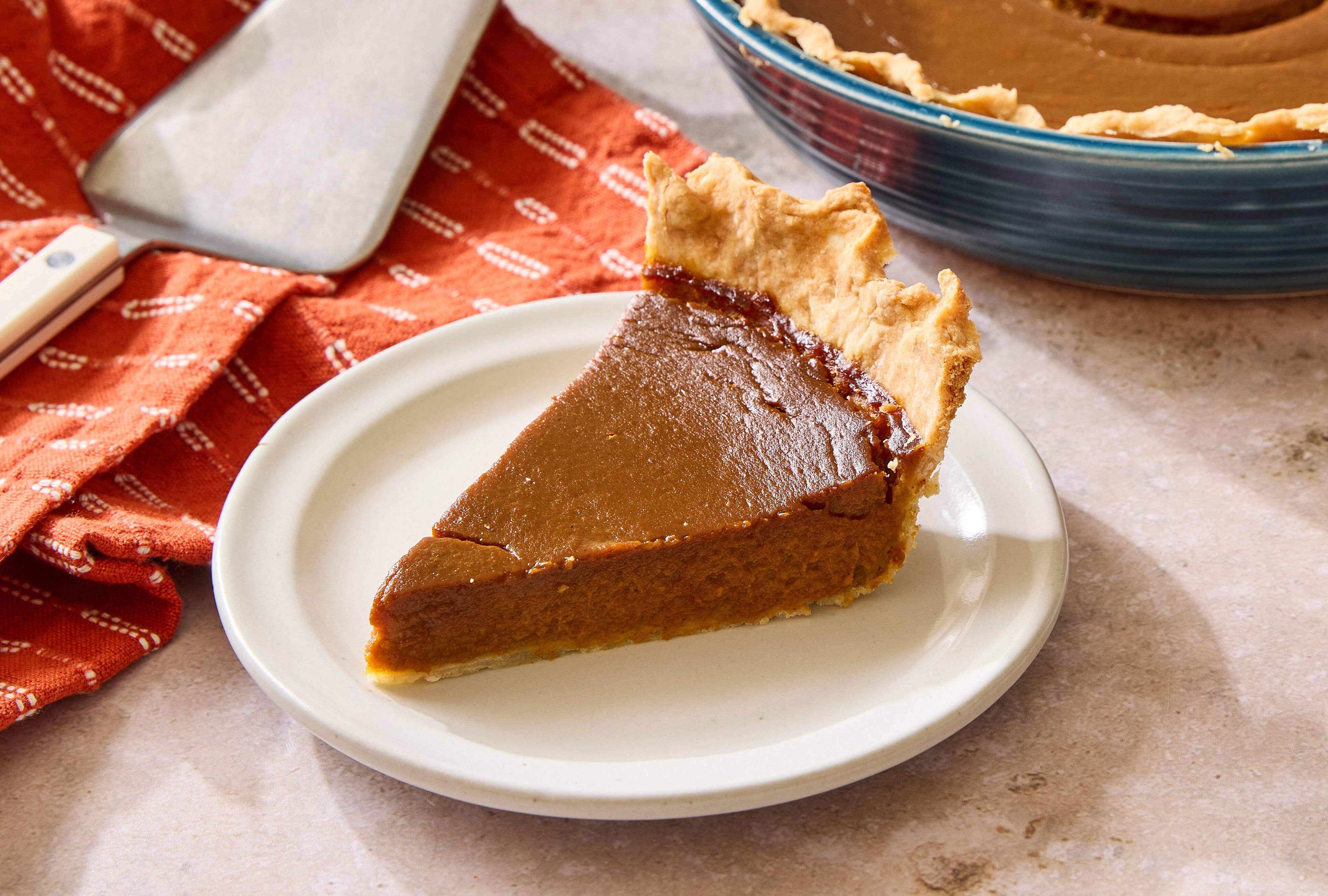
So I tried it. I made the crust, mixed the filling, waited for the kitchen to smell like autumn had joined a jazz trio, and sliced into a pie that looked familiar but tasted surprisingly different. The result? Cozy, nostalgic, a little bold, slightly mysterious, and very much not the standard grocery-store pumpkin pie. In other words, it has personality. Maybe not “My Way” levels of swagger, but definitely enough to earn a second slice.
What Makes Frank Sinatra’s Pumpkin Pie Different?
Most modern pumpkin pie recipes follow a familiar formula: pumpkin puree, eggs, sugar, evaporated milk, cinnamon, ginger, cloves, nutmeg, and sometimes allspice. The classic Libby’s-style pie has become so famous that many home bakers use it as the default definition of pumpkin pie. It is sweet, creamy, warmly spiced, and reliable enough to survive Thanksgiving chaos, including your uncle asking if anyone “actually likes cranberry sauce.”
Frank Sinatra’s favorite pumpkin pie recipe, however, takes a different route. The key ingredient is molasses. Instead of relying on white sugar or brown sugar for sweetness, the filling gets its deeper flavor from original or light molasses. That gives the pie a darker color, a faintly smoky sweetness, and a flavor that lands somewhere between pumpkin pie, gingerbread, and an old-fashioned spice cake.
The Spice Blend Is Surprisingly Simple
The recipe uses cinnamon and ginger, skipping the nutmeg, cloves, and allspice that many people now associate with pumpkin spice. That simplicity changes everything. The cinnamon brings warmth, while the ginger gives the filling a gentle sharpness. Without cloves or nutmeg, the pumpkin flavor is more exposed. There is no heavy spice blanket hiding the squashy sweetness. The pie tastes cleaner, earthier, and more vintage.
The Molasses Changes the Mood
Molasses is the ingredient that turns this from “regular pumpkin pie” into “pumpkin pie with a backstory.” Light molasses brings a brown-sugar-like flavor with a slightly bitter caramel edge. It is not as aggressive as blackstrap molasses, which would make the pie taste like it joined a gym and started shouting at the other desserts. For this recipe, light or original molasses is the right choice because it adds depth without overpowering the custard.
The Ingredients I Used
To keep the spirit of the vintage recipe while making it practical for a modern kitchen, I used a 9-inch pie plate and common supermarket ingredients. The filling was simple: canned pumpkin puree, light molasses, cinnamon, ginger, salt, one egg, and milk. For the crust, I followed the old-fashioned direction and used shortening instead of butter.
For the Crust
- All-purpose flour
- Salt
- Cold vegetable shortening
- Cold milk
For the Filling
- Canned pumpkin puree
- Light or original molasses
- Ground cinnamon
- Ground ginger
- Salt
- Egg
- Milk
That ingredient list looks almost too short if you are used to modern baking blogs, where one pie sometimes requires three bowls, two toppings, a thermometer, and emotional support. But that is part of the charm. This recipe is direct. It does not flirt with you. It tells you what it is and then asks you to preheat the oven.
Making the Crust: A Retro Adventure
The crust was the first clue that this recipe came from another era. Shortening crusts were extremely common in mid-century American baking because shortening was shelf-stable, affordable, and good at creating a tender texture. Butter crusts are more fashionable today because they bring flavor and flakiness, but shortening has its own practical strengths. It is forgiving, easy to blend into flour, and less likely to melt instantly under warm hands.
Still, this crust required patience. The dough was soft and a little delicate. I added cold milk gradually, tossing it through the flour mixture until the dough just held together. That “just enough liquid” moment is important. Too little milk and the crust cracks like a bad Sinatra impression. Too much and the dough becomes sticky, dramatic, and impossible to roll neatly.
Once rolled, the crust transferred into the pie plate with only minor complaints. I trimmed the edges, crimped them, and gave the shell a short rest in the refrigerator. Chilling the crust helps the fat firm up and reduces shrinking during baking. It is a small step, but with vintage pie dough, small steps are the difference between “beautiful rustic dessert” and “pastry crime scene.”
Mixing the Filling: Simple, Fast, and Very Brown
The filling came together in one bowl. I whisked the pumpkin, molasses, cinnamon, ginger, salt, and egg until smooth, then slowly added the milk. The color changed immediately. Instead of the bright orange filling I associate with classic pumpkin pie, this version became darker, almost bronze. It looked warmer, deeper, and a little more serious.
The aroma was the best part. Before baking, the filling smelled like pumpkin, gingerbread, and Thanksgiving had decided to rehearse in the same room. The molasses brought a rich, old-fashioned scent that made the pie feel more like a family heirloom than a holiday obligation. It smelled less like a supermarket bakery and more like something cooling on a windowsill in a black-and-white movie.
Baking the Pie
I poured the filling into the unbaked crust and baked it until the edges were set and the center had a gentle wobble. Pumpkin pie is a custard pie, which means overbaking is the enemy. If you bake it until the center is completely firm in the oven, it may crack as it cools. A slight jiggle is your friend. Think “soft jazz,” not “earthquake.”
As the pie baked, the molasses deepened the color even more. The crust turned pale golden, the filling settled into a glossy brown-orange shade, and the kitchen smelled like cinnamon, ginger, and toasted sugar. I let the pie cool completely before slicing. This is not optional unless you enjoy pumpkin pudding wearing a crust hat. Cooling gives the custard time to set, making clean slices possible.
The Taste Test: Is It Actually Good?
Yes, but it is not the pumpkin pie most people expect. The first bite was creamy and lightly spiced, with the molasses arriving early and staying late. It gave the filling a deeper, darker sweetness than white sugar would. The flavor was not candy-sweet. It was more grown-up, more rustic, and slightly bittersweet in a pleasant way.
The cinnamon and ginger did their job without crowding the pumpkin. I noticed the ginger more than I expected, especially after the second bite. It gave the pie a mild warmth that balanced the molasses. Without nutmeg or cloves, the flavor was less perfumed than modern pumpkin pie. That may disappoint people who love a strong pumpkin spice profile, but it will please anyone who prefers a cleaner, less busy dessert.
The Texture
The texture was smooth but lighter than many modern pumpkin pies made with evaporated milk or heavy cream. Because this version uses regular milk and only one egg, the custard is softer and more delicate. It is creamy, but not dense. It feels like an older style of home baking: modest, practical, and not trying to win a food styling award.
The Crust
The shortening crust was tender, but I missed the flavor of butter. That is my modern palate talking. Shortening gives texture, but butter gives aroma and richness. If I made this pie again for guests, I would probably use an all-butter crust or a half-butter, half-shortening crust. That would preserve the vintage tenderness while adding more flavor.
How It Compares to Classic Pumpkin Pie
Compared with classic pumpkin pie, Frank Sinatra’s favorite version is darker, less sweet, and more molasses-forward. A traditional pumpkin pie often tastes creamy, spicy, and familiar. This one tastes old-fashioned, earthy, and slightly surprising. It has a stronger personality, which feels appropriate for a dessert linked to one of the most recognizable voices in American music.
If classic pumpkin pie is a cozy sweater, this pie is a wool coat with a fedora. It is still comforting, but it has a sharper silhouette. It does not scream for attention. It leans against the piano and lets the molasses do the talking.
What I Would Change Next Time
I would not change the filling too much because the molasses is the whole point. However, I would be careful to use light molasses, not blackstrap. Blackstrap molasses is too bitter and intense for this custard. I would also consider adding a tiny splash of vanilla, though purists may glare at me from across the dessert table.
For the crust, I would use butter or a butter-shortening blend. I would also chill the dough longer before rolling and possibly blind bake the crust for a few minutes to help prevent a soft bottom. Some vintage recipes skip blind baking, but modern ovens, pie plates, and expectations are different. A brief pre-bake can improve the final texture.
Best Topping
Whipped cream is the right topping here. Not frosting, not caramel sauce, not a mountain of candied pecans. A spoonful of lightly sweetened whipped cream softens the molasses and adds a cool, creamy contrast. If you want to be fancy without causing a scene, add a pinch of cinnamon to the cream.
Who Will Love This Recipe?
This pie is perfect for people who enjoy vintage recipes, old-fashioned desserts, and pumpkin pie with a twist. It is also a great conversation starter for Thanksgiving, Christmas, or any fall dinner where people have already debated stuffing versus dressing and need a safer topic.
You may love this recipe if you enjoy gingerbread, molasses cookies, spice cake, or desserts that are not overwhelmingly sweet. You may not love it if you want a very sugary, heavily spiced pumpkin pie. This is a quieter dessert, but it has depth. It rewards slow eating, which is difficult when there is pie involved but worth attempting.
Food Safety and Storage Tips
Because pumpkin pie contains egg and milk, it should be treated like a custard dessert. Let it cool after baking, then refrigerate it if you are not serving it within a short window. Store leftovers covered in the refrigerator. Serve chilled, at room temperature briefly, or gently warmed if you prefer a softer texture.
For the cleanest slices, chill the pie before cutting. Use a sharp knife, wipe it between slices, and try not to hover over the pie like a dessert detective. I failed at that last part, but I support your growth.
My Final Verdict
Frank Sinatra’s favorite pumpkin pie recipe is not the richest, prettiest, or most luxurious pumpkin pie I have ever made. But it may be one of the most memorable. The molasses gives it a distinctive flavor that feels nostalgic without being boring. The simple cinnamon-and-ginger spice blend lets the pumpkin breathe. The crust is humble, tender, and very much of its time.
Would I make it again? Absolutely, especially for a retro-themed dinner, a Thanksgiving dessert table, or a cozy fall weekend when I want something different from the usual pumpkin pie. I would tweak the crust, keep the molasses, and serve it with whipped cream and a Frank Sinatra playlist. That last part is not required, but let’s be honest: it helps.
This recipe proves that celebrity food does not have to be extravagant to be interesting. Sometimes the charm is in the simplicity. Sometimes the secret ingredient is molasses. And sometimes the best way to understand a vintage recipe is to bake it, slice it, and let it tell you its story one forkful at a time.
Extra Experience: What Baking Frank Sinatra’s Pumpkin Pie Taught Me
Making Frank Sinatra’s favorite pumpkin pie recipe felt different from following a modern recipe. Today, recipes often arrive with polished photos, exact gram measurements, troubleshooting videos, and comments from 400 people who changed every ingredient and then complained that it did not work. This pie came from a different cooking culture. It assumes you know how dough should feel. It assumes you understand when a custard is set. It assumes your kitchen has common sense, a rolling pin, and maybe a radio playing in the background.
That was both refreshing and slightly intimidating. The crust, for example, did not behave like the buttery pie dough I usually make. It was softer and more fragile, and I had to resist the urge to keep adding flour. Too much flour would have made the crust tough. Too little confidence would have made me order cookies and pretend the pie never happened. The process reminded me that older recipes often rely on touch, sight, and smell more than strict instructions.
The filling surprised me even more. I expected the molasses to dominate, but it settled into the pumpkin instead of bullying it. The flavor became deeper after cooling, and the pie tasted better the next day. That is an important discovery. Some desserts are best warm from the oven, but this one benefits from patience. After a night in the refrigerator, the custard firmed up, the spices mellowed, and the molasses became smoother. The second-day slice was more balanced than the first.
I also noticed how much expectations shape taste. If you serve this pie without explanation, someone may say, “This pumpkin pie tastes different.” They are right. It does. But if you introduce it as a vintage pumpkin pie with molasses, suddenly that difference becomes the point. The pie is not trying to replace the classic version. It is offering another lane: less sweet, more rustic, and a little more grown-up.
The recipe also made me think about why celebrity recipes fascinate us. We do not really bake them because we believe famous people have superior dessert instincts. We bake them because food makes icons feel human. Frank Sinatra can seem larger than life: the voice, the suits, the stage presence, the mythology. But pumpkin pie is ordinary in the best way. It belongs to family tables, holiday leftovers, and paper plates balanced on knees after dinner. Connecting Sinatra to a simple pie makes the legend feel closer to the kitchen.
If I were serving this pie at a holiday meal, I would place it beside a classic pumpkin pie and let guests compare. The classic pie would probably win with kids and spice lovers. Sinatra’s pie would win with coffee drinkers, gingerbread fans, and anyone who likes desserts with a little shadow in the sweetness. It pairs beautifully with black coffee, lightly sweetened whipped cream, or even a small scoop of vanilla ice cream.
My biggest lesson was this: old recipes deserve curiosity, not automatic correction. Yes, I might update the crust. Yes, I might add vanilla if no one from 1945 is watching. But the soul of the recipe works because it is simple and specific. The molasses, cinnamon, ginger, pumpkin, milk, and egg create something that feels honest. It may not be flashy, but it has charm. And charm, as Sinatra proved many times, can take you very far.
Note: This article is an original, research-based tasting essay written for web publication. It synthesizes information from reputable U.S. cooking, food history, food safety, and recipe sources while avoiding copied wording, source-code artifacts, and unnecessary citation markers.