If your living room feels a little flat, your entryway looks suspiciously like a hallway from a dentist’s office, or your home office needs a mood upgrade that isn’t another beige organizer, an indoor tree may be the answer. Big plants do something tiny succulents simply cannot: they change the architecture of a room. They draw the eye upward, soften hard corners, and make even a modest apartment feel more layered, relaxed, and alive.
The best indoor trees do more than just sit there looking leafy and expensive. They bring height, texture, movement, and personality. Some give you glossy drama. Some bring tropical resort energy. Others offer a clean, sculptural look that works beautifully in modern spaces. And a few even reward patient plant parents with fragrant blossoms or fruit. The trick is choosing the right tree for your light, your routine, and your willingness to remember watering day.
Below, you’ll find 27 of the best indoor trees for homes of all styles, from bright sunrooms to cozy apartments with “optimistic” lighting. After that, I’ll walk you through simple care advice and share real-life experience-based insights on what it’s actually like to live with indoor trees day to day.
Why Indoor Trees Work So Well in Home Design
Unlike small tabletop plants, indoor trees act like living furniture. They fill empty vertical space, balance large pieces such as sofas and bookshelves, and create a focal point without making a room feel cluttered. They are especially useful in awkward corners, beside windows, near entryways, and in spots where artwork alone feels a little too flat.
They are also surprisingly versatile. A fiddle leaf fig looks polished and bold. A parlor palm feels soft and classic. A citrus tree adds charm and fragrance. A yucca cane brings clean lines and a desert-modern attitude. In other words, there is an indoor tree for almost every design style and attention span.
27 Best Indoor Trees for a Beautiful Home
-
Fiddle Leaf Fig
This is the celebrity of indoor trees, and yes, it knows it. With oversized violin-shaped leaves and a strong vertical form, the fiddle leaf fig makes a dramatic statement in bright rooms. It looks expensive, photographs beautifully, and rewards consistent care with fast, impressive growth.
-
Rubber Tree
Rubber trees have thick, glossy leaves that instantly make a room feel richer and more finished. They are easiergoing than many people expect, especially in bright indirect light. If you want bold foliage without constant emotional negotiations, this one is a strong choice.
-
Money Tree
The braided trunk is charming, the leaf shape is elegant, and the overall vibe is “I have my life together,” even when you absolutely do not. Money trees stay relatively manageable indoors and fit well in living rooms, bedrooms, and offices with medium to bright indirect light.
-
Weeping Fig
Weeping figs have graceful, arching branches and a classic tree silhouette that feels timeless. They are beautiful in traditional and contemporary homes alike. The only catch is that they can be dramatic about environmental changes, so once you find a good spot, resist the urge to keep moving it around.
-
Alii Fig
If you like ficus trees but would prefer a little less attitude, Alii fig is worth a look. Its long, slender leaves create a softer, more relaxed appearance than the weeping fig, and it tends to be more tolerant of indoor conditions. Think ficus, but with better manners.
-
Corn Plant
Despite the name, this is not your chance to grow a vegetable tower in the den. The corn plant is a dracaena with thick canes and striped foliage that handles a wide range of indoor light levels. It is a terrific option for people who want height and greenery without high maintenance.
-
Madagascar Dragon Tree
With narrow arching leaves and a sleek, upright habit, this plant brings a graphic, slightly edgy look to a room. It is great for modern interiors, tight corners, and spaces that need vertical interest without bulk. It is especially good if you want a tree that whispers style instead of shouting jungle.
-
Parlor Palm
Parlor palm has been making homes look elegant for generations, and for good reason. It tolerates lower light better than many tree-like houseplants and adds soft movement with its feathery fronds. It is one of the easiest ways to make a room feel calm and lived in.
-
Kentia Palm
Kentia palm is one of the most refined indoor trees you can buy. Its arching fronds look effortlessly upscale, almost like the plant equivalent of linen trousers and excellent posture. It grows slowly, which is handy if you want a statement plant that will not outgrow the room next Tuesday.
-
Areca Palm
Areca palm is fuller and fluffier than kentia, making it ideal when you want lush texture. It brightens corners, works beautifully in larger containers, and gives off strong vacation energy. Place it where the fronds have room to spread and it will instantly soften a space.
-
Majesty Palm
Majesty palm is beautiful and undeniably dramatic, with long fronds that create a tropical feel. It tends to prefer brighter light and a little more humidity than some beginner-friendly plants, but when it is happy, it looks like it belongs in a boutique hotel lobby in the best possible way.
-
Ponytail Palm
This one is quirky, sculptural, and surprisingly forgiving. Its bulbous trunk stores water, so it is more tolerant of missed waterings than many tropical plants. The long, cascading leaves add movement, and the overall shape brings personality to minimalist or eclectic rooms alike.
-
Yucca Cane
Yucca cane is all about structure. With sturdy trunks and sword-like leaves, it looks sharp, architectural, and clean. It is one of the best indoor trees for modern homes, lofts, and bright spaces where you want a strong silhouette without a lot of fuss.
-
Norfolk Island Pine
Soft, symmetrical, and evergreen, Norfolk Island pine brings year-round charm. It is famous during the holidays, but it deserves attention long after the ornaments are packed away. Its layered branches give it a gentle look that works beautifully in cozy corners and bright rooms.
-
Bird of Paradise
If your goal is “make the room look alive, glamorous, and slightly tropical,” bird of paradise will happily accept the assignment. Its huge paddle-shaped leaves create major impact. Give it bright light and a little space, and it becomes the kind of plant guests comment on immediately.
-
Dwarf Umbrella Tree
The dwarf umbrella tree is easy to like: shiny leaf clusters, a dense shape, and dependable growth. It can be styled as a relaxed tabletop tree when young or as a fuller floor plant later on. It is a practical pick for people who want something attractive without a complicated care routine.
-
Olive Tree
Indoor olive trees bring a soft gray-green color that feels fresh, airy, and distinctly Mediterranean. They are fantastic in neutral interiors, especially near sunny windows. If your home leans natural, minimal, or coastal, this tree fits in like it paid rent.
-
Meyer Lemon Tree
Meyer lemon trees offer glossy leaves, fragrant blossoms, and the possibility of fruit if conditions are right. They need strong light and a bit more commitment, but they add genuine character to a room. Plus, a lemon tree indoors is one of those things that makes people assume you own very nice pottery.
-
Calamondin Orange
Compact and decorative, calamondin orange trees are ideal for indoor gardeners who want a citrus option without a huge footprint. The fruit is tart, the flowers are fragrant, and the plant itself is wonderfully cheerful. It is part houseplant, part conversation starter.
-
Lady Palm
Lady palm has tidy fan-shaped fronds and a neat, clumping habit that reads polished rather than wild. It works beautifully in traditional homes, offices, and quieter interiors where a refined plant feels more appropriate than a giant tropical showstopper.
-
Bamboo Palm
Bamboo palm brings an easy, relaxed lushness to interiors. Its slender canes and graceful foliage work well in corners and beside furniture, especially when you want a tropical look that still feels understated. It is a reliable choice for softening rooms without overwhelming them.
-
Fishtail Palm
This palm has jagged, unusual leaflets that really do resemble fish tails. It adds texture that feels a little more interesting than standard palm fronds, making it a good pick for plant lovers who want something familiar but not boring. It has just enough weirdness to be memorable.
-
Pygmy Date Palm
Pygmy date palm brings elegant, feathery growth to bright interiors. It has a distinctly classic indoor-tree look and pairs well with woven baskets, ceramics, and natural materials. If you want a plant that says “sunroom energy” without taking over the whole house, this is a smart option.
-
False Aralia
False aralia has finely cut foliage that gives it a delicate, lacy appearance. It feels a bit moodier and more sophisticated than broad-leaf plants, which makes it great for styled rooms, home libraries, or spaces with darker furniture and layered textures.
-
Ming Aralia
Ming aralia has a branching, almost bonsai-like form that brings sculptural charm to a room. It is ideal if you love plants that look artistic and a little unusual. It works especially well in homes where every object is expected to pull its decorative weight.
-
Banana Plant
Banana plants are technically more “giant tropical drama” than traditional tree, but they absolutely earn a spot here. Their huge leaves transform a room instantly. If you want your home to feel like summer in plant form, banana plants get the job done fast.
-
Bay Laurel
Bay laurel is handsome, aromatic, and wonderfully useful. Its tidy growth makes it a natural fit for kitchens, breakfast nooks, and sunny windows, and the leaves can be used in cooking when harvested properly. It is the rare indoor tree that is both stylish and secretly productive.
How to Choose the Right Indoor Tree
Start with light, not wishful thinking. If you have bright indirect light or sunny exposure, your options widen dramatically. If your home has mostly medium light, look to forgiving choices such as parlor palm, corn plant, bamboo palm, or Alii fig. For strong direct sun, olive trees, citrus, yucca, and bird of paradise are much better bets.
Next, think about maintenance. If you travel, forget to water, or just prefer plants that do not take every small mistake personally, go for ponytail palm, rubber tree, corn plant, or yucca cane. If you enjoy a little hands-on care and have brighter conditions, citrus, majesty palm, and bird of paradise can be incredibly rewarding.
Finally, measure your space. Many indoor trees are sold small and cute, then quietly begin plotting a six-foot future. Check the mature indoor size, give the canopy breathing room, and make sure the pot has drainage. A stylish container is great, but a stylish swamp is still a swamp.
Simple Care Tips That Make Indoor Trees Thrive
Match the tree to the light
Most indoor trees do best in bright or medium indirect light. Sun-loving choices such as olive and citrus trees need the brightest windows in the house, while palms and dracaenas can handle gentler exposure.
Water the soil, not the calendar
A weekly schedule sounds organized, but plants do not own calendars. Check the soil with your finger, a moisture meter, or the old lift-the-pot trick. Many indoor trees prefer to dry slightly between waterings, while palms and citrus often like more even moisture.
Use drainage every single time
A pot without drainage is basically a suspense novel with a sad ending. Excess water needs somewhere to go. Root rot is far less glamorous than the planter you fell in love with.
Keep leaves clean
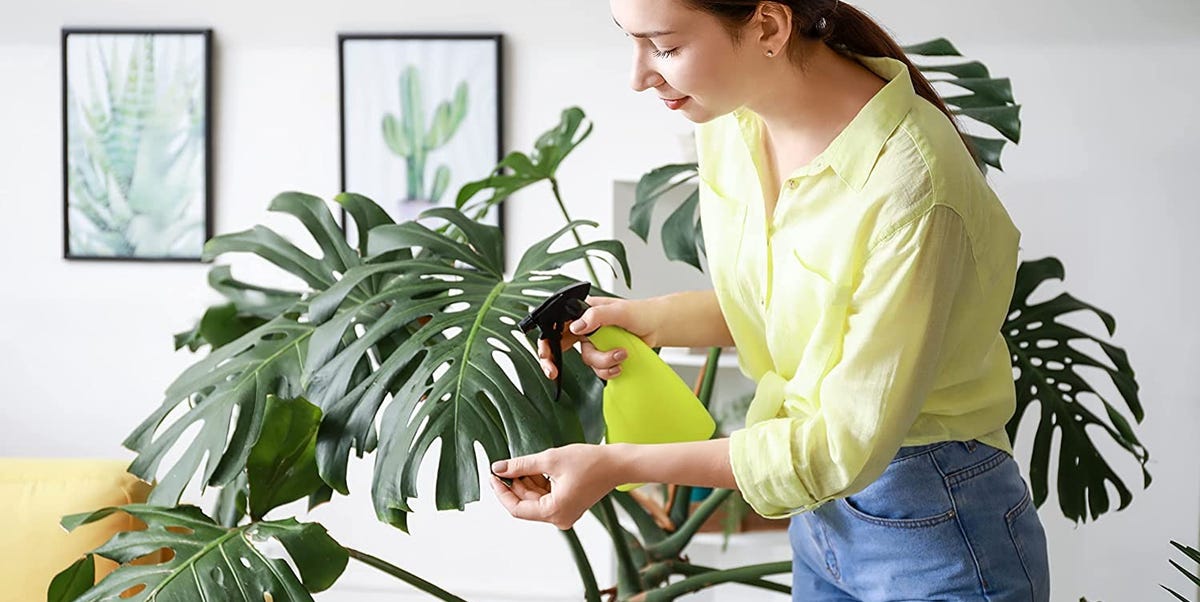
Dust builds up faster than most people realize. Wiping broad leaves gently or rinsing suitable plants occasionally helps them look better and function better. Clean plants simply appear healthier, shinier, and more alive.
Respect humidity and temperature
Most houseplants are happiest in normal indoor temperatures, but many tropical trees appreciate extra humidity, especially in winter. Dry heated air can cause brown edges, crispy tips, and general leafy grumbling.
Do not expect a tree to purify your whole house
Indoor trees absolutely improve the feel of a space, and they may contribute a tiny bit to better indoor environments. But they are better at beautifying a room than replacing ventilation systems. Buy them for joy, design, and greenery first.
of Real-Life Experience With Indoor Trees
Living with indoor trees is different from owning smaller houseplants in ways people often do not realize at first. A pothos can disappear politely onto a shelf. An indoor tree becomes part of the room’s identity. Once you place one in a space, the whole atmosphere changes. Corners feel intentional instead of forgotten. Empty areas suddenly look styled. Even the light in the room seems more interesting because leaves catch it, filter it, and move with it throughout the day.
One of the most noticeable experiences is how indoor trees affect mood. A large plant does not just decorate a home; it softens it. Rooms with indoor trees tend to feel calmer, less sterile, and more settled. This is especially true in apartments, work-from-home spaces, and homes filled with hard surfaces like metal, glass, and painted walls. A tree adds texture and life in a way a lamp or side table simply cannot. It makes a room feel inhabited in the best sense.
There is also a surprising emotional rhythm to caring for them. You begin noticing small things: a new leaf slowly uncurling, a branch reaching toward the window, the way a plant looks after being watered and rotated. It becomes part of your routine without feeling like a chore. For many people, that rhythm is part of the appeal. It is a quiet task with visible rewards. Even five minutes of checking soil, cleaning a leaf, or turning a pot can feel grounding after a noisy day.
Of course, indoor trees also teach humility. A fiddle leaf fig may look perfect for months, then drop a leaf because you moved it three feet. A palm may develop brown tips during dry winter weather no matter how much encouragement you offer. Citrus trees can make you feel like a genius one month and a confused intern the next. But that is part of the experience too. Caring for indoor trees teaches observation more than perfection. Once you stop expecting flawless magazine behavior, they become much more enjoyable.
Another real-world benefit is how versatile indoor trees are in decorating. When furniture layouts feel off, a well-placed tree can solve the problem faster than buying something new. A tall plant beside a sofa can make the seating area feel anchored. A palm near a window makes the whole room look brighter. A sculptural yucca or olive tree can give a minimal room personality without clutter. In many homes, one large plant does more design work than five smaller decorative objects.
Perhaps the best part is that indoor trees create a sense of growth in a literal, visible way. Homes can feel static when everything is fixed in place, but plants are always changing. They remind you that a home is not just decorated; it is lived in, adjusted, and cared for over time. That quiet sense of progression is incredibly satisfying. So yes, indoor trees are beautiful. But beyond beauty, they make a home feel softer, warmer, and more human. Honestly, that is a pretty good return for something that mostly asks for light, water, and a little patience.
Note: Always match your tree to your home’s real light conditions, not the light conditions you wish you had. Also, if you have pets or small children, double-check plant safety before bringing any new indoor tree home.