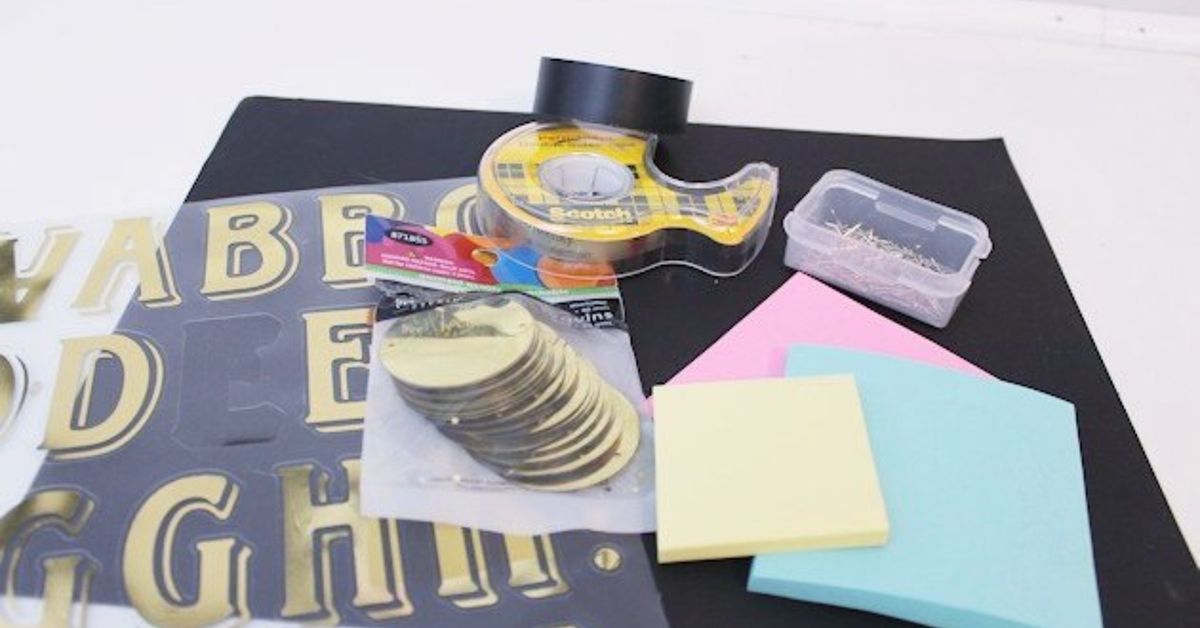
A huge washi tape Post-It note wall calendar is what happens when your planner, your refrigerator door, and your “I swear I’ll remember that” brain cell finally decide to work together. It is big, colorful, removable, customizable, renter-friendly, and wonderfully bossy in the best possible way. Instead of hiding your schedule inside an app you forget to open, this DIY wall calendar puts the whole month right in front of your face like a cheerful administrative assistant with excellent stationery taste.
The idea is beautifully simple: use washi tape to create a calendar grid on a wall, board, corkboard, whiteboard, or large poster surface, then use Post-It notes as movable daily blocks, reminders, chores, meal plans, project tasks, school deadlines, birthdays, and “buy more coffee before civilization collapses” alerts. Unlike a printed wall calendar, this version changes as fast as real life does. Meetings move. Kids forget permission slips. Dinner plans become cereal. Your calendar can keep up without looking like it survived a paper tornado.
Best of all, this project does not require power tools, design school, or the emotional strength needed to assemble flat-pack furniture at midnight. With a few rolls of washi tape, sticky notes, a ruler, and a little wall space, you can create a giant monthly command center that is practical enough for busy households and cute enough to make your office look intentionally organized.
What Is a Huge Washi Tape Post-It Note Wall Calendar?
A huge washi tape Post-It note wall calendar is a large-format DIY calendar made from decorative tape and sticky notes. Washi tape forms the grid lines, while Post-It notes act as movable calendar entries. You can build it directly on a smooth painted wall, on a foam board, on a corkboard, on a whiteboard, or even on the side of a cabinet if that surface is clean and suitable for removable adhesives.
The “huge” part matters. A normal calendar politely whispers your schedule. A giant wall calendar shouts, “The dentist appointment is Tuesday, my friend.” Large calendars work especially well for families, teachers, students, remote workers, small business owners, content creators, and anyone juggling multiple deadlines. When the calendar is visible from across the room, it becomes harder for important dates to vanish into the fog of daily chaos.
Washi tape gives the calendar structure and personality. It comes in countless colors, patterns, widths, and finishes. You can go minimalist with black-and-white tape, cozy with warm neutrals, playful with rainbow colors, or full “stationery goblin” with florals, metallics, stars, stripes, and seasonal patterns. Post-It notes add flexibility. A birthday can be moved. A deadline can shift. A task can be peeled off when complete, which is deeply satisfying and cheaper than therapy.
Why This DIY Wall Calendar Works So Well
It Makes Your Schedule Visible
Digital calendars are powerful, but they are also easy to ignore. They live behind screens, notifications, passwords, and the dangerous temptation to check social media “for one second.” A physical wall calendar keeps your schedule in plain sight. In a family command center, home office, classroom, dorm, or studio, visibility turns planning from a private mental burden into a shared system.
This is especially helpful for households with multiple people. Instead of one person carrying the entire schedule in their head like a tired human server, everyone can see what is happening. Soccer practice, trash day, exam week, dinner plans, bill due dates, and vacation countdowns all get a place. The wall becomes a shared brain, and honestly, the shared brain deserves more decorative tape.
It Is Flexible, Not Fragile
Life changes constantly. A dry-erase calendar lets you rewrite plans, but a sticky note calendar lets you physically move them. That difference is powerful. If a meeting moves from Wednesday to Friday, you move the note. If a project gets delayed, slide the whole task cluster to next week. If a chore is completed, remove it. If a kid negotiates dish duty like a tiny lawyer, update the note.
This tactile system is useful for visual thinkers. Color-coded notes can represent categories: yellow for appointments, blue for school, pink for birthdays, green for money tasks, orange for meals, and purple for personal goals. You do not need a legend worthy of NASA. Keep it simple enough that everyone can understand it in five seconds.
It Is Budget-Friendly and Renter-Friendly
A giant acrylic calendar can be gorgeous, but it can also cost enough to make your wallet hide under the couch. A washi tape and Post-It note wall calendar is much more affordable. Most supplies are available at office supply stores, craft stores, big-box retailers, or online. If you already have sticky notes and decorative tape, you may be halfway done before you even put on real pants.
For renters, dorm residents, and commitment-phobic decorators, the removable nature of washi tape is a major advantage. Always test tape on a small hidden area first, especially on delicate paint, textured walls, wallpaper, or recently painted surfaces. The goal is a calendar, not an accidental paint-removal experiment.
Supplies You Need
You do not need fancy tools, but you do need a few basics. Gather your supplies before you start so you are not halfway through measuring a grid when you realize the scissors have entered the household witness protection program.
- 2 to 4 rolls of washi tape for grid lines and headers
- Post-It notes or sticky notes in multiple colors
- A pencil for light marking
- A ruler, yardstick, or measuring tape
- A level, painter’s tape guide, or phone level app
- Scissors or a craft knife
- Optional: letter stickers, date labels, dry-erase markers, or small clips
- Optional: foam board, corkboard, poster board, acrylic board, or whiteboard as a backing surface
For a true monthly calendar, plan for seven columns and five or six rows. Most months fit into five rows, but some need six depending on the day of the week they begin. If you want a calendar that works every month without rebuilding the grid, make six rows from the start. Future you will appreciate this small act of mercy.
Best Places to Put a Huge Wall Calendar
Home Command Center
A kitchen wall, mudroom, hallway, or entry area is ideal for a family command center. This is where people naturally pass by, drop keys, ask what is for dinner, and announce at 7:42 a.m. that they need poster board for school. A large calendar here can coordinate meals, school events, appointments, sports practices, cleaning tasks, and errands.
Home Office
In a home office, the calendar becomes a project management board. Use it for content schedules, client deadlines, billing reminders, launch plans, meetings, writing goals, or study blocks. A giant Post-It calendar is especially useful for freelancers and remote workers because it provides a physical view of workload. When every square is packed, you know not to say yes to “just one quick thing.” Famous last words.
Classroom or Homeschool Space
Teachers and homeschool families can use this calendar to display reading goals, assignment deadlines, field trips, test dates, theme weeks, and classroom jobs. Because sticky notes are movable, students can participate in updating the calendar. That little bit of ownership makes the system more engaging than a static poster.
Dorm Room or Student Apartment
Students can use a large wall calendar for exam dates, assignment milestones, club meetings, laundry reminders, meal prep, and social plans. It is also a great way to break large projects into smaller steps. “Write research paper” is terrifying. “Find three sources on Monday” is manageable. The calendar turns academic panic into bite-sized sticky notes.
How to Make a Huge Washi Tape Post-It Note Wall Calendar
Step 1: Choose Your Surface
Pick a clean, smooth surface that is easy to see every day. If you are applying tape directly to a wall, avoid dusty, bumpy, peeling, or freshly painted areas. If you want maximum portability, build the calendar on a large foam board, corkboard, framed poster board, or dry-erase board instead. A movable calendar is great if you rearrange rooms often or live in a rental.
Step 2: Decide the Size
A practical huge calendar might be 36 inches wide by 30 inches tall, but you can scale up or down depending on your space. For seven columns, each column should be wide enough to hold at least one sticky note. Standard 3-by-3-inch notes work well, but larger 4-by-6-inch notes are better if you want room for detailed tasks. Leave space above the grid for the month name and day labels.
Step 3: Measure the Grid
Measure lightly before taping. Create seven equal columns and six rows. Use a pencil to mark tiny guide points, or place small pieces of temporary tape as markers. A level helps keep lines straight. You can eyeball it, but be warned: “close enough” at the first line can become “why is Thursday sliding downhill?” by the last row.
Step 4: Apply Washi Tape Lines
Start with the top horizontal line, then add the bottom line and side borders. Next, add vertical lines to create the seven columns. Finish with the horizontal row dividers. Smooth the tape gently as you go, but do not stretch it too much. Stretched tape may lift later. If a line goes crooked, peel it back slowly and reposition it. Washi tape is forgiving, which is more than we can say for permanent marker.
Step 5: Add Day Labels
Label the columns Sunday through Saturday or Monday through Sunday, depending on how your brain prefers to march through time. You can write directly on the surface if it is a board, use small sticky notes, add vinyl letters, or make mini washi tape flags. For a clean look, choose one style and repeat it across the top.
Step 6: Add Dates and Notes
Use small sticky notes for date numbers, or write the numbers on the calendar surface if it is dry-erase friendly. Then add event notes. Keep each note short and specific. Instead of “party,” write “Ava birthday party, 2 p.m., gift wrapped.” Instead of “project,” write “Send first draft to client.” Specific notes prevent the calendar from turning into a wall of mysterious clues.
Step 7: Create a Parking Lot
Add a small section beside or below the calendar for unscheduled notes. Label it “To Schedule,” “Next Month,” “Ideas,” or “Someday, Maybe, Possibly, If Coffee Allows.” This keeps floating tasks from cluttering the month. When you plan your week, move notes from the parking lot into calendar squares.
Smart Color-Coding Ideas
Color-coding is where this wall calendar becomes both useful and dangerously fun. Use different sticky note colors for different categories, but do not overcomplicate the system. Too many colors can make the calendar look like a confetti cannon had a scheduling emergency.
- Yellow: appointments and meetings
- Blue: school events and homework
- Pink: birthdays, parties, and social plans
- Green: bills, budgeting, and shopping
- Orange: chores and home projects
- Purple: personal goals, workouts, and self-care
You can also color-code by person. Each family member gets a note color. For work teams, assign colors by project stage: planning, drafting, review, approved, and published. For meal planning, use one color for dinners, one for grocery reminders, and one for leftovers, the heroic underdog of weeknight survival.
Design Tips to Make It Look Good
Choose a Simple Palette
A calendar does not need to look like a craft store exploded. Pick two or three washi tape patterns and repeat them. For example, use one bold tape for the outer border, one simple tape for grid lines, and one accent tape for the month title. This creates a coordinated look while still giving the calendar personality.
Use Negative Space
Do not fill every square with giant notes unless you truly need to. White space makes the calendar easier to read. If one day has many tasks, stack notes neatly or use a larger note. A crowded calendar can create stress instead of clarity. The goal is visual control, not decorative panic.
Add a Mini Supply Station
Place a small cup, wall pocket, drawer, or clip nearby for extra sticky notes, pens, and tape. If the supplies are across the room, nobody will update the calendar. Humans are optimistic, but we are also lazy in very predictable ways. Make the right action easy.
Ways to Use Your Calendar Beyond Monthly Planning
Meal Planning
Use sticky notes to plan dinners for the week or month. If Tuesday’s taco night becomes Thursday’s taco night, move the note. Add a grocery list section beside the calendar. When you use the last onion, write it down before it becomes a dinner mystery.
Content Calendar
Bloggers, YouTubers, social media managers, and small businesses can use the calendar to plan posts, email campaigns, product launches, and promotions. Sticky notes make it easy to rearrange publishing dates when priorities shift. Use separate colors for drafts, graphics, editing, scheduling, and published content.
Chore Chart
Assign chores by day or person. When a chore is finished, remove the note or move it to a “done” column. This gives kids and adults a visible sense of progress. Adults deserve gold stars too, even if the prize is just sitting down for eight uninterrupted minutes.
Goal Tracker
Use the calendar to track workouts, reading, hydration, spending, decluttering, or creative practice. Keep the notes small and positive. “Walk 20 minutes” is better than “become a new person by Friday.” Tiny actions are easier to repeat, and repeated actions are what make goals real.
Common Mistakes to Avoid
The first mistake is making the calendar too small. If your sticky notes overlap or your handwriting shrinks into ant-sized script, increase the size. The whole point is readability. The second mistake is using too many categories. Start with a few colors and add more only if you truly need them.
The third mistake is forgetting maintenance. A wall calendar is not magic. It needs a weekly reset. Choose one day, such as Sunday evening or Monday morning, to remove outdated notes, add new tasks, check the next two weeks, and move anything unfinished. This takes only a few minutes, but it keeps the calendar from becoming a museum of abandoned intentions.
The fourth mistake is ignoring the wall surface. Removable tape and sticky notes are generally gentle, but every wall is different. Paint age, humidity, texture, dust, and sunlight can affect adhesion. Test first, press lightly, and remove slowly. If your wall is delicate, use a board instead.
Experience Notes: What Living With a Huge Sticky Note Calendar Feels Like
After using a huge washi tape Post-It note wall calendar, the biggest surprise is how quickly it becomes part of the room’s daily rhythm. At first, it feels like a cute project. You admire the tape lines. You rearrange the sticky notes three times. You briefly believe you have become the kind of person who owns matching pens. Then, after a few days, the calendar starts doing real work.
One of the best experiences is the morning glance. Instead of opening a phone and accidentally falling into a swamp of notifications, you can look at the wall and immediately understand the day. Dentist at 10. Grocery pickup at 4. Trash goes out tonight. Suddenly the day has edges. It feels less like being chased by invisible tasks and more like walking through a map.
Another practical benefit is how the calendar reduces repetitive questions. In a household, this is priceless. When someone asks, “What are we doing Saturday?” you can point to the wall. When someone asks, “Is the field trip this week?” point to the wall. When someone asks, “What’s for dinner?” point to the wall, then gently remind them that cereal is technically a meal with branding.
The movable notes also make planning less intimidating. Big projects become easier when broken into small pieces. For example, instead of writing “organize garage,” you can create separate notes: buy storage bins, sort tools, donate old sports gear, sweep floor, label shelves. Move one or two notes onto each weekend. The project stops looking like a punishment and starts looking like a sequence.
There is also something emotionally satisfying about removing a completed note. Digital checkmarks are nice, but peeling a sticky note off the wall has a tiny victory feeling. It says, “This task existed, I handled it, and now it shall leave my kingdom.” For people who like visual progress, this is motivating. A “done” zone can make it even better because you see completed work pile up during the week.
Design-wise, the calendar tends to evolve. The first version may be very neat. Then real life enters with extra notes, doodles, reminders, receipts, and maybe one mysterious sticky note that says “call Mike” even though nobody remembers Mike. That is normal. The trick is to build a weekly reset habit. Remove old notes, rewrite messy ones, replace curling tape, and make the calendar feel fresh again.
The best part is that the calendar is never truly finished. It changes with school seasons, work deadlines, holidays, meal plans, home projects, and personal goals. In December, it can become a holiday countdown. In August, it can become a back-to-school launch pad. During a busy work month, it can become a project dashboard. During a calmer season, it can hold habits, workouts, books to read, or family fun plans.
A huge washi tape Post-It note wall calendar is not just a craft. It is a living planning system. It gives your schedule a home, your tasks a place to land, and your brain a little breathing room. Also, it gives you a legitimate excuse to buy more washi tape, which may be the most persuasive argument of all.
Conclusion
A huge washi tape Post-It note wall calendar is one of the easiest DIY organization projects with the biggest everyday payoff. It is affordable, flexible, colorful, and simple enough for beginners. More importantly, it turns planning into something visible and interactive. Whether you use it as a family command center, home office planner, student calendar, meal planning board, chore chart, or content calendar, the system adapts to your life instead of forcing your life into tiny printed boxes.
Start with a clean surface, create a roomy grid, choose a simple color system, and give yourself a weekly reset routine. Keep the design attractive but functional. The prettiest calendar in the world will not help if nobody can read it. When done well, this project brings order to busy days without making your home feel like a corporate conference room. It is practical, cheerful, and just crafty enough to make productivity feel less like homework.