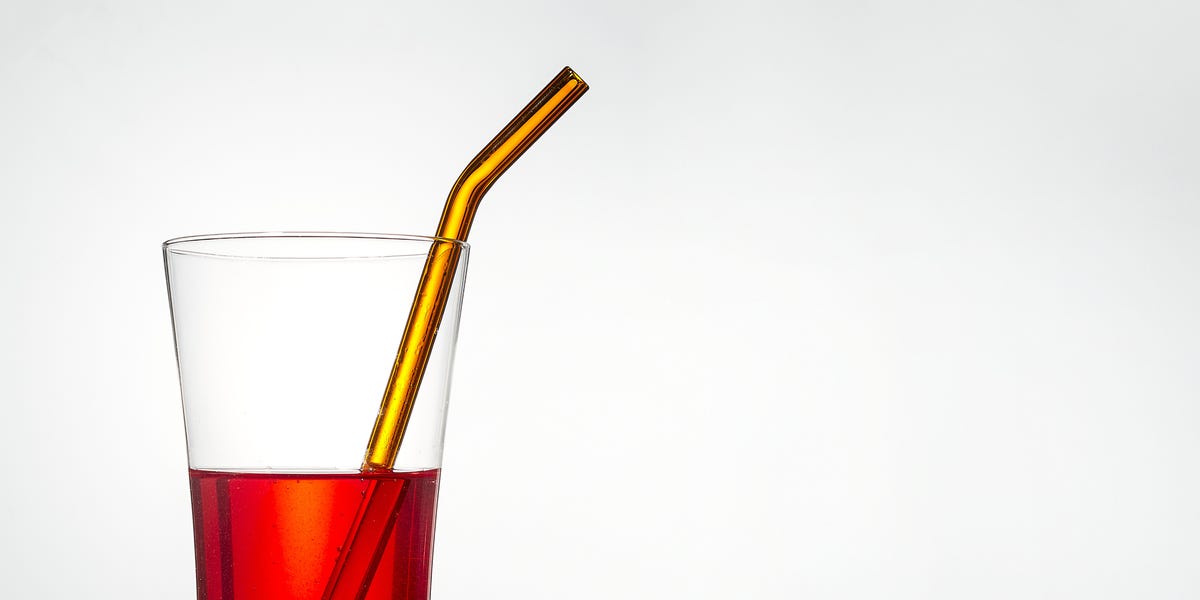
There are two kinds of people in this world: people who think a straw is just a tube, and people who have watched a paper straw dissolve into iced coffee like a tiny beige surrender flag. I used to be in the first group. A straw was a straw. Plastic, paper, bendy, neon, stolen from the smoothie shop by accidentwhatever worked.
Then I tried a glass straw, and yes, I realize that sounds like the beginning of a lifestyle influencer confession delivered beside a perfectly arranged bowl of lemons. But hear me out. A glass straw is not just a pretty accessory for iced lattes. It is reusable, easy to clean, taste-neutral, surprisingly sturdy, and genuinely pleasant to use. It also makes everyday drinks feel a little more intentional, which is a fancy way of saying my water suddenly feels like it has its life together.
Using a glass straw is one of those small swaps that checks several boxes at once: less single-use plastic, a cleaner sip, better visibility when washing, and a smoother drinking experience. It is not a magic wand for saving the planet or fixing your dental routine. But it is a practical, affordable habit that makes sense if you drink iced coffee, smoothies, sparkling water, tea, juice, or anything that deserves better than a soggy paper tube.
The Real Reason I Switched to a Glass Straw
My switch started with annoyance, not enlightenment. I was tired of disposable straws piling up in takeout bags, drawers, cup holders, and that mysterious kitchen zone where rubber bands and soy sauce packets go to retire. Plastic straws were convenient, but they also felt wasteful. Paper straws seemed like the responsible alternative until they started collapsing halfway through a drink. Metal straws were durable, but I did not love the cold clink against my teeth or the faint “toolbox chic” vibe.
Glass straws landed in the sweet spot. They felt smooth, looked clean, did not change the taste of my drink, and were easy to rinse. The first time I used one with iced coffee, I noticed something I had never thought about before: the straw did not add a flavor. No paper taste. No metallic edge. No plastic smell. Just coffee. Imagine thatthe beverage tasting like the beverage. Revolutionary stuff.
Glass Straws Help Reduce Single-Use Plastic Waste
One glass straw will not single-handedly rescue a sea turtle, reverse climate change, and convince everyone at brunch to compost. But single-use plastics add up because they are designed to be used briefly and then thrown away. Straws are especially frustrating because they are small, lightweight, and often difficult to recycle. Many fall through sorting systems or become litter before they ever reach a proper waste stream.
That is where reusable straws make sense. A durable glass straw can replace hundreds of disposable straws over time, especially if you are someone who drinks iced beverages daily. The environmental benefit depends on actually reusing it, of course. Buying a reusable straw and then letting it live untouched in a drawer next to a melon baller from 2009 is not exactly peak sustainability.
The best eco-friendly habits are the ones you can repeat without feeling punished. A glass straw works because it is not a downgrade. It is not asking you to suffer through a collapsing paper straw in the name of virtue. It simply replaces a throwaway item with something nicer.
Why Glass Beats Paper, Plastic, and Metal for Me
Glass vs. Plastic Straws
Plastic straws are cheap and convenient, which is why they became so common. But they are also disposable by design. Most are used for minutes and then tossed. Some people also prefer to reduce unnecessary contact with plastic, especially around hot, acidic, or frequently consumed drinks. While food-grade plastics can be safe when used properly, glass has the advantage of being nonporous, inert, and free from the concerns people often associate with plastic wear, odor, or staining.
Glass vs. Paper Straws
Paper straws deserve credit for trying. They show up with good intentions, a recyclable-looking outfit, and the emotional energy of someone who brought a reusable tote to the grocery store. Unfortunately, many paper straws turn mushy before the drink is finished. They can also leave a papery taste, especially in coffee, lemonade, and cocktails. A glass straw does not get soggy, does not unravel, and does not make your smoothie taste like a notebook.
Glass vs. Metal Straws
Metal straws are durable, portable, and popular for good reason. I still understand why people like them. But for me, glass wins on mouthfeel and visibility. Metal can feel too hard or cold against the teeth, and you cannot see inside it while cleaning. Glass is transparent, so you can inspect it after washing. That one feature alone turns cleaning from a guessing game into a quick visual check.
Glass vs. Silicone Straws
Silicone straws are flexible and kid-friendly, and they are a good choice for travel or for anyone worried about breakage. But silicone can sometimes hold onto smells or flavors if it is not cleaned well. Glass feels cleaner to me, especially with coffee, tea, citrus drinks, and smoothies. It also has a more polished look, which may not matter to everyone, but I enjoy drinking my iced coffee through something that does not look like it came from a toddler snack cup.
The Taste Is BetterAnd Yes, That Matters
One of the most underrated benefits of a glass straw is flavor neutrality. Glass does not noticeably affect taste. That matters if you drink coffee, matcha, fruit smoothies, sparkling water, or cocktails. A good drink has enough going on already. It does not need a cameo from damp cardboard or mystery plastic.
This is especially noticeable with simple drinks. Ice water through a clean glass straw tastes crisp. Lemon water tastes like lemon water. Cold brew tastes like cold brew, not like it has been filtered through a craft project. If you are the kind of person who buys good coffee beans, fresh fruit, or nice tea, using a glass straw is a small way to avoid ruining the final sip experience.
Glass Straws Are Easy to Clean
The first question people ask is usually, “But how do you clean it?” The answer: easier than you think. Most glass straws come with a tiny cleaning brush, and many are dishwasher-safe depending on the manufacturer’s instructions. Because glass is clear, you can see whether any smoothie seeds, coffee residue, or suspicious green flecks are still hanging around inside.
My basic cleaning routine is simple. I rinse the straw right after use, run the brush through it with dish soap, rinse again, and let it dry upright. For thicker drinks like smoothies, I clean it immediately instead of waiting. Smoothie residue has a talent for becoming architectural if ignored too long.
For everyday water, iced tea, or coffee, cleaning takes less than a minute. The trick is not to treat the straw like a forgotten science experiment. Rinse it when you are done, and it will behave beautifully.
It Can Be Better for Your TeethWith Common Sense
Dentists often recommend using a straw for acidic or sugary drinks because it may reduce contact between the liquid and the front surfaces of your teeth. That can be helpful with beverages like soda, lemonade, iced coffee, sports drinks, and fruit juices. A straw does not make sugar or acid disappear, but it can help limit how much your teeth are bathed in them.
There is one important catch: placement matters. If you hold the straw at the very front of your mouth and swish soda around like a wine judge at a county fair, you are not helping much. The idea is to direct the drink past the front teeth and swallow normally. It is also smart to rinse with water after acidic drinks and avoid brushing immediately after highly acidic beverages, because enamel can be temporarily softened.
For me, the glass straw became part of a better drink routine. I use it for iced coffee and sparkling water, then follow with plain water. That is not glamorous, but neither is explaining to your dentist that your enamel lost a fight with lemon seltzer.
Glass Straws Look Good Without Trying Too Hard
Let us admit something shallow but true: glass straws look nice. They make a homemade drink feel like it came from a café that charges seven dollars and calls the cashier a “beverage curator.” In photos, they look clean and minimal. On a table, they do not scream for attention. They simply sit there, transparent and elegant, silently judging the plastic spoon in your takeout bag.
This may sound unimportant, but aesthetics affect habits. When an item feels pleasant to use, you are more likely to keep using it. A glass straw turns a small daily actdrinking water, coffee, tea, or a smoothieinto something slightly more enjoyable. That tiny upgrade can make you reach for it again tomorrow.
Are Glass Straws Safe?
Quality matters. A good glass straw is usually made from durable borosilicate glass or similarly strong food-safe glass. Borosilicate glass is valued because it resists thermal shock better than ordinary glass, which is why it is often used in kitchenware and lab glass. That does not mean it is indestructible. It means it is designed to handle normal drink use when treated properly.
I do not throw my glass straw into a bag loose with keys, coins, and the emotional baggage of my errands. I store it in a sleeve or a cup at home. I also inspect it before using it. If glass is chipped, cracked, or damaged, it should be replaced. That is not being dramatic; that is basic common sense.
For children, travel, outdoor events, or situations where things get dropped often, silicone or stainless steel may be more practical. A glass straw is best for adults or careful users who want a clean, attractive, reusable option at home, at the office, or in low-chaos environments. In other words, maybe do not bring it to a trampoline park smoothie bar.
How I Choose a Good Glass Straw
Not all glass straws are created equal. When I buy one, I look for a few simple features. First, I want sturdy glass with smooth rounded edges. Sharp or rough edges are an immediate no. Second, I prefer a diameter that matches my drinks. A narrow straw is fine for water, tea, and coffee. A wider straw is better for smoothies, milkshakes, and drinks with pulp.
I also like sets that include a cleaning brush and a storage sleeve. The brush keeps cleaning easy, and the sleeve makes it less likely that the straw will get scratched or broken in a drawer. Clear glass is my favorite because it is easiest to inspect, but colored glass can be fun if you want your drink setup to have a little personality.
Length matters too. A short glass straw works for lowball glasses and small tumblers. A longer one is better for tall iced coffee cups, mason jars, and travel mugs. The right size prevents the awkward experience of chasing a straw around your glass like it owes you money.
When I Use a Glass Straw Most
Iced Coffee
This is my number one use. I drink iced coffee slowly, which means a disposable straw would sit in the drink for a long time. Paper straws wilt. Plastic straws feel wasteful. Glass stays sturdy from first sip to last ice cube rattle.
Smoothies
For smoothies, I use a wider glass straw. It handles thicker textures better and makes the drink feel less like a spoon-required situation. The only rule is to rinse it right away. Banana, chia seeds, and protein powder can become a tiny cement project if left alone.
Sparkling Water
A glass straw makes sparkling water feel oddly luxurious. Add lemon, cucumber, mint, or berries, and suddenly tap water’s bubbly cousin has entered its spa era.
Lemonade and Iced Tea
Acidic drinks are where a straw can be useful for reducing contact with teeth. I still drink water afterward, because adult life is mostly learning that every fun thing needs a responsible sidekick.
What I Do Not Use It For
I do not use a glass straw while walking, driving on bumpy roads, or doing anything where a sudden movement could be risky. I also avoid handing it to kids unless I know they can use it safely. For hot drinks, I check the manufacturer’s guidance. Some glass straws can handle warm beverages, but I personally use mine mostly for cold drinks because that is where it shines.
I also do not pretend it is the only sustainable choice. The best reusable straw is the one you will actually reuse. For some people, that may be stainless steel. For others, silicone. For me, glass is the one that fits my habits best.
The Small Habit That Changed My Drink Routine
Using a glass straw made me more aware of how often I reached for disposable items without thinking. It was not a dramatic lifestyle overhaul. I did not start making my own almond milk at sunrise while wearing linen and whispering affirmations to a compost bin. I simply swapped one small thing.
That is why I like it. The change is easy. It does not require a new personality. It does not demand perfection. It just makes one everyday habit cleaner, nicer, and a little less wasteful. And when sustainable choices feel better than the old option, they stop feeling like chores.
My Personal Experience: Why I Keep Reaching for a Glass Straw
At first, I thought the glass straw would be one of those kitchen items I used twice and then forgot. You know the category: avocado slicer, tiny milk frother, decorative measuring spoons that look charming but are somehow always in the way. But the glass straw became part of my daily routine faster than expected.
Every morning, I make iced coffee in a tall glass with plenty of ice. Before switching to glass, I usually grabbed a disposable straw if I had one around, or I drank straight from the glass and accepted the little coffee mustache life had chosen for me. With the glass straw, the drink feels neater. I sip more slowly. I spill less. My coffee tastes cleaner. It is a small detail, but mornings are built from small details. A good straw will not answer emails for you, but it can make the first ten minutes of the day feel less like a loading screen.
I also noticed that I drink more water when I use a straw. This sounds ridiculous until you try it. A tall glass of ice water with a glass straw is easier to sip throughout the day. I keep it on my desk, and because the straw is already there, I reach for it without thinking. Hydration is less heroic when it is convenient. No motivational gallon jug required. No bottle with time markers yelling “Keep going!” at me like a plastic personal trainer.
The cleaning part became easier than expected. I keep the little straw brush near the sink, and after coffee or a smoothie, I rinse the straw immediately. That one habit prevents almost every cleaning problem. The transparency is still my favorite feature. With metal straws, I always wondered what was happening inside. With glass, there is no mystery. If it is clean, I can see it. If it is not clean, I can see that too, and then I can deal with it before it becomes a documentary.
Another experience I did not expect: guests notice it. When friends come over and I serve iced tea or sparkling water with glass straws, someone usually asks about them. They look elegant without being fussy. People pick them up, inspect them, and say something like, “Wait, this is actually nice.” That is the moment I know the glass straw has done its quiet little job. It makes a sustainable swap feel normal, not preachy.
I have dropped one before. It did not explode into a thousand dramatic shards, but I still inspected it carefully afterward. That experience taught me to store them properly instead of tossing them loose in a drawer. Now mine live in a small cup near my glasses, and one stays in a protective sleeve if I take it somewhere. Like sunglasses, ceramic mugs, and emotional stability during tax season, glass straws last longer when treated with care.
The biggest reason I continue using a glass straw is simple: it feels good. It looks good, cleans well, does not mess with flavor, and reduces my use of disposable straws. That combination is rare. Many “better” choices ask you to sacrifice convenience or pleasure. A glass straw gives me both. It is one of the few upgrades that makes my routine more enjoyable while also being more responsible.
Final Thoughts: A Tiny Tube With Big Everyday Benefits
I use a glass straw because it makes sense in real life. It helps reduce single-use plastic, keeps drinks tasting the way they should, cleans easily, looks good, and fits naturally into my daily routine. It is not perfect for every person or every situation, but for iced coffee, smoothies, tea, sparkling water, and lemonade, it has become my favorite option.
The best sustainable habits are not the loudest ones. They are the habits you can repeat without needing applause, guilt, or a 47-step morning routine. A glass straw is small, but it is useful. It turns ordinary drinks into something a little cleaner and more enjoyable. And unlike a paper straw, it does not give up halfway through the job. Honestly, that alone deserves a tiny standing ovation.
Note: This article was created from synthesized, real-world information on reusable straws, plastic waste reduction, dental care habits, food-safe materials, and practical cleaning guidance from reputable U.S.-based health, environmental, consumer, and lifestyle sources.