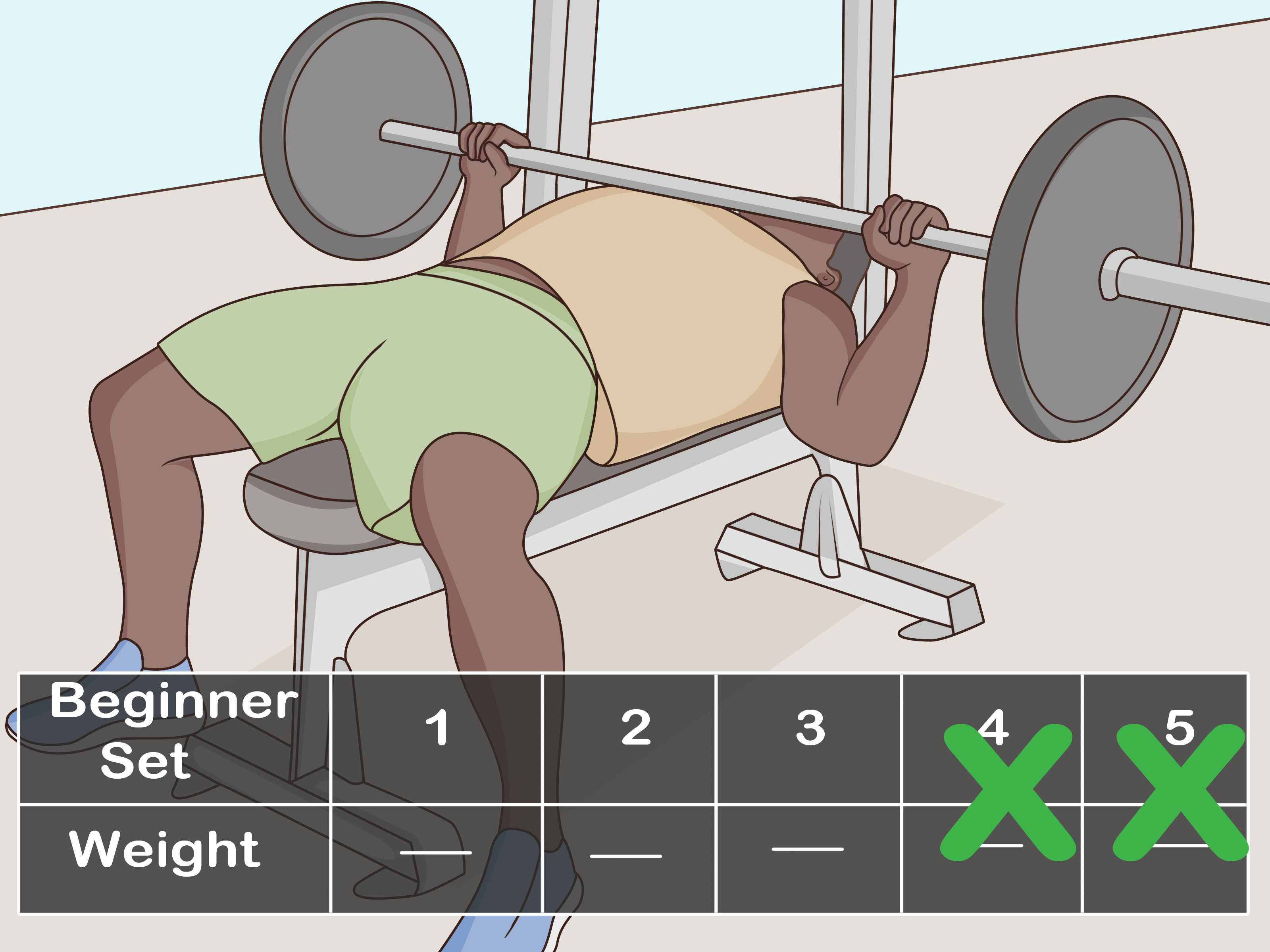
If your current bench press warm-up is “walk in, lie down, and immediately try to impress the barbell,” we need to have a friendly little intervention. Bench pressing is one of the most popular lifts in the gym, but it is also one of the easiest to rush. And when you rush it, your shoulders, elbows, wrists, and pride may all file formal complaints.
A smart bench press warm-up does not need to be dramatic, complicated, or longer than a streaming series. It just needs to do a few things well: raise your temperature, loosen the joints that need to move, wake up the muscles that keep you stable, and ease you into your working sets without burning energy you need for the actual lift. Done right, a warm-up can help your bench press feel smoother, stronger, and much less like your body just got blindsided.
Below, you will learn exactly how to warm up for bench pressing, what mistakes to avoid, and how to build a routine that fits your training level. Whether you are chasing your first clean set of five or trying to add more plates without your shoulders staging a rebellion, this guide will help you get there.
Why a Bench Press Warm-Up Matters
The bench press is not just a chest exercise. Yes, your pecs get the spotlight, but your shoulders, triceps, upper back, lats, core, and even your legs all contribute. If any part of that system shows up half-asleep, the lift usually feels clunky. Bar path gets messy. Your setup slips. Your elbows wander. The bar suddenly feels heavier than it should, which is a very rude way to begin a workout.
A proper warm-up helps prepare your body for pressing by increasing blood flow, raising tissue temperature, and improving joint motion. It also helps groove the movement pattern you are about to use. That last part matters more than many lifters realize. Benching is a skill as much as it is a strength move. If your warm-up teaches your body to retract the shoulder blades, stay tight through the upper back, and drive with control, your work sets tend to look better and feel better.
There is also a psychological perk. Warm-up sets give you time to shift from “I was just answering emails” mode into “I am now going to push metal off my chest” mode. That mental transition is not fluff. It is part of performance.
What a Good Warm-Up for Bench Pressing Should Do
The best bench press warm-up is not random. It has a job description. Ideally, it should:
- Raise your body temperature and heart rate a bit
- Improve shoulder, thoracic spine, and wrist mobility
- Activate the upper back, shoulder stabilizers, serratus anterior, triceps, and core
- Rehearse your bench press setup and bar path
- Gradually expose you to heavier loads without causing fatigue
That means your warm-up should move from general to specific. First, get warm. Then mobilize. Then activate. Then ramp up with bench-specific sets. In other words, do not go from zero to “let me see if 225 still respects me.” That is not a warm-up. That is a gamble.
Step 1: Start With 5 to 10 Minutes of General Movement
Your first goal is simple: stop being cold. A few minutes of light movement can raise your temperature and get blood flowing before you even touch the bar. This can be as basic as brisk walking, easy cycling, an elliptical, jumping jacks, or jogging in place.
Keep the intensity low to moderate. You should feel warmer, not winded. If you finish your general warm-up feeling like you accidentally joined a cardio class, dial it back. You are trying to prepare for bench pressing, not audition for a fitness montage.
For most people, 5 minutes is enough. If you train early in the morning, in a cold gym, or after sitting all day, 8 to 10 minutes may feel better. Older lifters often benefit from a slightly longer build-up as well.
Step 2: Do Dynamic Mobility Work for the Upper Body
Once you are warm, it is time to get your pressing joints moving. The bench press asks a lot from the shoulders, upper back, and wrists. If your shoulders feel stiff, your upper back is rounded from desk life, or your wrists hate everything, this step matters.
Focus on dynamic mobility, not long, sleepy static stretching. Before lifting, you want movement-based drills that take the joints through a comfortable range of motion.
Good Bench Press Mobility Drills
- Arm circles: 10 forward, 10 backward
- Arm swings: 10 to 12 reps
- Shoulder rolls: 10 each direction
- Thoracic spine rotations: 6 to 8 per side
- Cat-cow: 8 to 10 reps
- Down dog to plank: 6 to 8 reps
- Dynamic chest opener: 10 reps
- Wrist circles and gentle wrist extension pulses: 10 each direction
This part should take about 3 to 5 minutes. Do not force range of motion just to look impressive. The goal is to feel freer and more coordinated, not to perform circus-level shoulder tricks in front of strangers who are pretending not to stare.
Step 3: Activate the Muscles That Make Bench Pressing Stable
Here is where many lifters cut corners, and then wonder why their shoulders feel wobbly or their pressing feels disconnected. The bench press may look like a chest-and-triceps exercise, but a stable upper back and active shoulder blades help create the platform you press from.
Good activation work helps wake up the muscles that keep the shoulder joint centered and the bar path efficient. Think upper back, rear delts, serratus anterior, lats, triceps, and core. These muscles may not get the glamour shots, but they do a lot of the backstage labor.
Best Activation Exercises Before Bench Press
- Scapular push-ups: 1 to 2 sets of 8 to 10 reps
- Band face pulls: 1 to 2 sets of 12 to 15 reps
- Band pull-aparts: 1 to 2 sets of 12 to 15 reps
- Bird dogs: 1 to 2 sets of 6 to 8 per side
- Light push-ups or incline push-ups: 1 set of 6 to 10 reps
- Light banded lat sweeps or straight-arm pulldowns: 1 set of 12 to 15 reps
You do not need every exercise every session. Pick three or four and move through them with purpose. If your shoulders tend to feel cranky, keep scapular work and face pulls in the mix. If your bench setup feels loose, bird dogs and push-ups can help remind your body that pressing starts with total-body tension, not just chest enthusiasm.
Step 4: Add Power or Nervous System Prep If You Lift Heavy
This step is optional, but useful if you are preparing for heavy singles, low-rep strength work, or a max-effort day. After you are warm and activated, one or two explosive but low-fatigue movements can help your nervous system feel sharper.
Examples include:
- Medicine ball chest passes: 2 to 3 sets of 3 to 5 reps
- Explosive push-ups on an incline: 2 sets of 3 to 5 reps
- Fast banded press-outs: 2 sets of 5 reps
Keep the volume low and the quality high. The goal is to feel quick and ready, not tired. If you are a beginner, you can skip this step without missing out on anything crucial. First learn to own the basics before you start flirting with advanced warm-up seasoning.
Step 5: Use Ramp-Up Sets on the Bench Press
This is the most specific and most important part of your bench press warm-up. Even if you do everything else well, you should still take a few gradual sets on the actual bench press before your work sets. Ramp-up sets help reinforce technique, let you feel your setup under load, and bridge the gap between “warm” and “ready.”
The basic rule is this: as the weight goes up, the reps go down. Your warm-up sets should prepare you, not tax you. Stay far away from failure.
Example Bench Press Warm-Up if Your Work Sets Are 135 Pounds for 5 Reps
- Empty bar x 10 to 12 reps
- Empty bar x 8 reps with a pause on the chest
- 75 pounds x 5 reps
- 95 pounds x 3 reps
- 115 pounds x 1 to 2 reps
- Start work sets at 135 pounds
Example Bench Press Warm-Up if Your Work Sets Are 225 Pounds for 5 Reps
- Empty bar x 10 to 12 reps
- 95 pounds x 8 reps
- 135 pounds x 5 reps
- 165 pounds x 3 reps
- 185 pounds x 2 reps
- 205 pounds x 1 rep
- Start work sets at 225 pounds
You can also think in percentages:
- 40 to 50% of working weight for easy reps
- 60 to 70% for a moderate set
- 75 to 85% for a crisp single or double
- Then begin work sets
If you are doing very heavy work, you may need more ramp-up sets. If your working weight is lighter, you may need fewer. The idea is to arrive at your first real set feeling locked in, not surprised.
A Simple 10-Minute Warm-Up Routine for Bench Pressing
If you want a quick bench press warm-up you can actually remember, use this:
Minutes 1 to 4: General Warm-Up
- Bike, brisk walk, jumping jacks, or easy row
Minutes 5 to 7: Dynamic Mobility
- Arm circles x 10 each direction
- Arm swings x 10
- Cat-cow x 8
- Thoracic rotations x 6 each side
- Wrist circles x 10 each way
Minutes 8 to 9: Activation
- Scapular push-ups x 10
- Band face pulls x 15
- Bird dogs x 6 each side
Minute 10 and Beyond: Bench Ramp-Up Sets
- Empty bar x 10
- Then 2 to 4 progressive sets until your work weight
That is it. Not flashy. Not overly precious. Just effective.
Common Warm-Up Mistakes to Avoid
1. Skipping the Warm-Up Entirely
This is the classic gym mistake. It usually happens because someone is short on time or long on confidence. Unfortunately, confidence does not lubricate joints.
2. Doing Too Much Static Stretching First
A little targeted stretching for a specific restriction can be fine, but long static stretching should not be the main event before benching. Dynamic movement is usually the better choice before pressing.
3. Forgetting the Upper Back
If your warm-up only includes chest stretches and random arm flaps, you are ignoring the muscles that help stabilize the shoulder and support the press. Benching off a sleepy upper back is like trying to launch a rocket from a beanbag chair.
4. Turning the Warm-Up Into a Workout
Warm-up push-ups should not become a max-rep contest. Face pulls should not leave your rear delts cooked. Medicine ball throws should not feel like conditioning. Prepare, do not pre-fatigue.
5. Taking Giant Jumps in Weight
Going from the empty bar straight to your working set may save two minutes, but it often costs quality. Gradual jumps help your technique and confidence catch up to the load.
6. Ignoring Pain Signals
If your shoulder, wrist, or elbow hurts during the warm-up, that is useful information, not background music. Slow down, adjust, lighten the load, or stop if needed. A painful warm-up is not your body being dramatic. It is your body sending a memo.
How Beginners Should Warm Up for Bench Pressing
If you are new to the bench press, keep things simple. You do not need a 17-part mobility ritual involving rare bands and equipment that looks stolen from a spaceship. Start with light movement, a few dynamic shoulder drills, one or two activation exercises, and several empty-bar practice sets.
For beginners, the empty bar is not just a warm-up tool. It is a coaching tool. Use those reps to learn your grip width, shoulder blade position, foot placement, and touch point on the chest. If your setup gets better during the warm-up, the warm-up is doing its job.
How to Warm Up if You Have Tight Shoulders or Elbows
If you sit a lot, have cranky shoulders, or feel elbow irritation during bench days, give yourself a little more prep time. Spend extra attention on thoracic mobility, scapular control, light upper-back activation, and gentle wrist preparation. Foam rolling the lats, pecs, and forearms may also help some lifters feel better before pressing.
You may also benefit from using dumbbell presses, push-ups, or a neutral-grip cable press as part of your activation phase before moving to the barbell. If pain is persistent or sharp, it is smart to get assessed by a qualified medical professional instead of trying to out-stubborn your shoulder.
Conclusion
The best way to warm up for bench pressing is to go from general to specific: get warm, move the joints, activate the support muscles, and ramp up with the bench itself. That approach helps you feel stronger, more stable, and more confident once the real sets begin. It also helps reduce the odds that your first heavy rep feels like your shoulders just met the lift at the exact same time you did.
You do not need a perfect warm-up. You need a repeatable one. Build a short routine you can stick to, keep it focused on what your body needs, and let your ramp-up sets do the final polishing. Over time, that consistency adds up. Better setups. Better bar paths. Better presses. Fewer “wow, that felt awful” moments.
Experiences Related to How to Warm up for Bench Pressing
One of the most common experiences lifters report is that they used to think a bench press warm-up was optional, right up until they actually started doing one properly. At first, many people assume warming up is just a box to check before the “real” training begins. Then they try a few weeks of consistent prep and notice something surprising: their first working set stops feeling like an ambush. The bar path looks cleaner, the setup feels tighter, and the shoulders do not act like they were just dragged into the workout against their will.
Beginners often say the biggest difference is confidence. Before warming up correctly, the bench can feel awkward and unstable, especially when unracking the bar. But once they practice with the empty bar, add a few light ramp-up sets, and rehearse shoulder blade position and foot pressure, the movement starts making sense. It is not that they became dramatically stronger overnight. It is that they stopped wasting good strength on bad preparation.
Intermediate lifters often describe a different experience. They are usually strong enough to move some decent weight, but inconsistent enough that some bench days feel fantastic and others feel like they slept in a cardboard box. For this group, a better warm-up often becomes the missing link between random performances and reliable ones. They notice that when they include scapular push-ups, face pulls, light mobility, and controlled ramp-up sets, their shoulders stay in a better position on the bench. That often means less wobble at the bottom, better elbow tracking, and more power off the chest.
Lifters who work at desks all day also tend to notice a big payoff. Hours of sitting, typing, and hunching can leave the upper back stiff and the shoulders feeling like rusty door hinges. These lifters often say the first few minutes of dynamic movement are the difference between a smooth chest day and a cranky one. Arm swings, thoracic rotations, cat-cows, and light band work may seem simple, but they can help undo that “human pretzel at a laptop” posture enough to make pressing feel far more natural.
Another common experience comes from people dealing with mild elbow or shoulder irritation. They often find that rushing straight to heavy sets makes symptoms louder, while a longer warm-up makes them manageable. That does not mean a warm-up cures an injury, because it does not. But it can help lifters prepare the surrounding muscles, improve movement quality, and decide honestly whether the body is ready to press that day. Sometimes the warm-up reveals that the answer is yes. Sometimes it reveals that today is a dumbbell day. Both are useful answers.
More advanced lifters often report that warm-ups become more important, not less, as the weights get heavier. When the stakes of each set rise, preparation matters more. Heavy benchers frequently talk about using the warm-up to dial in timing, leg drive, unrack position, and mental focus. By the time they reach their top sets, the movement no longer feels unfamiliar. It feels rehearsed. And that may be the most valuable experience of all: a good warm-up makes heavy lifting feel less like a surprise and more like a plan.