A docked tail may be tiny, but the aftercare responsibility is not. Whether your puppy recently had a tail docking procedure performed by a licensed veterinarian or your adult dog had part of the tail surgically removed because of injury, infection, or trauma, the healing area needs calm, cleanliness, and close attention. Think of it as managing a miniature surgical site attached to a very enthusiastic animal who has no idea why everyone suddenly cares so much about their backside.
This guide explains how to take care of a docked tail in eight practical steps, including how to monitor the incision, prevent licking, manage activity, recognize infection, and know when to call your vet. It is written for dog owners who want clear, realistic, no-panic advice. However, it is not a replacement for your veterinarian’s discharge instructions. If your vet gives directions that differ from anything here, follow your vet. They know your dog, the procedure, the closure method, and the medical reason behind the surgery.
Before jumping in, one important note: cosmetic tail docking is controversial and opposed by many veterinary and animal welfare organizations when it is done only for appearance. A dog’s tail helps with balance, communication, and expression. This article is not encouraging elective tail docking. It is focused on safe aftercare for a dog or puppy who already has a docked tail and needs proper healing support.
What Is a Docked Tail?
A docked tail is a tail that has been shortened by removing part of it. In puppies, tail docking has historically been done within the first few days of life for certain breeds. In adult dogs, partial tail amputation may be medically necessary because of severe injury, chronic wounds, infection, tumors, or repeated tail trauma such as “happy tail” injuries.
The aftercare depends on the dog’s age, the amount of tail removed, the technique used, and whether stitches, surgical glue, bandaging, or another closure method was used. A tiny puppy may heal differently from an adult Labrador who thumps their tail against furniture like a furry baseball bat. Still, the main goals are the same: keep the site clean, prevent chewing or licking, reduce stress on the wound, watch for complications, and keep every follow-up appointment.
How Long Does a Docked Tail Take to Heal?
Many minor tail docking sites begin to look better within several days, but full healing often takes about 7 to 14 days. Adult dogs or dogs with larger tail amputations may need longer. Healing can also take more time if the dog is very active, keeps licking the site, has an infection, or has an underlying health problem.
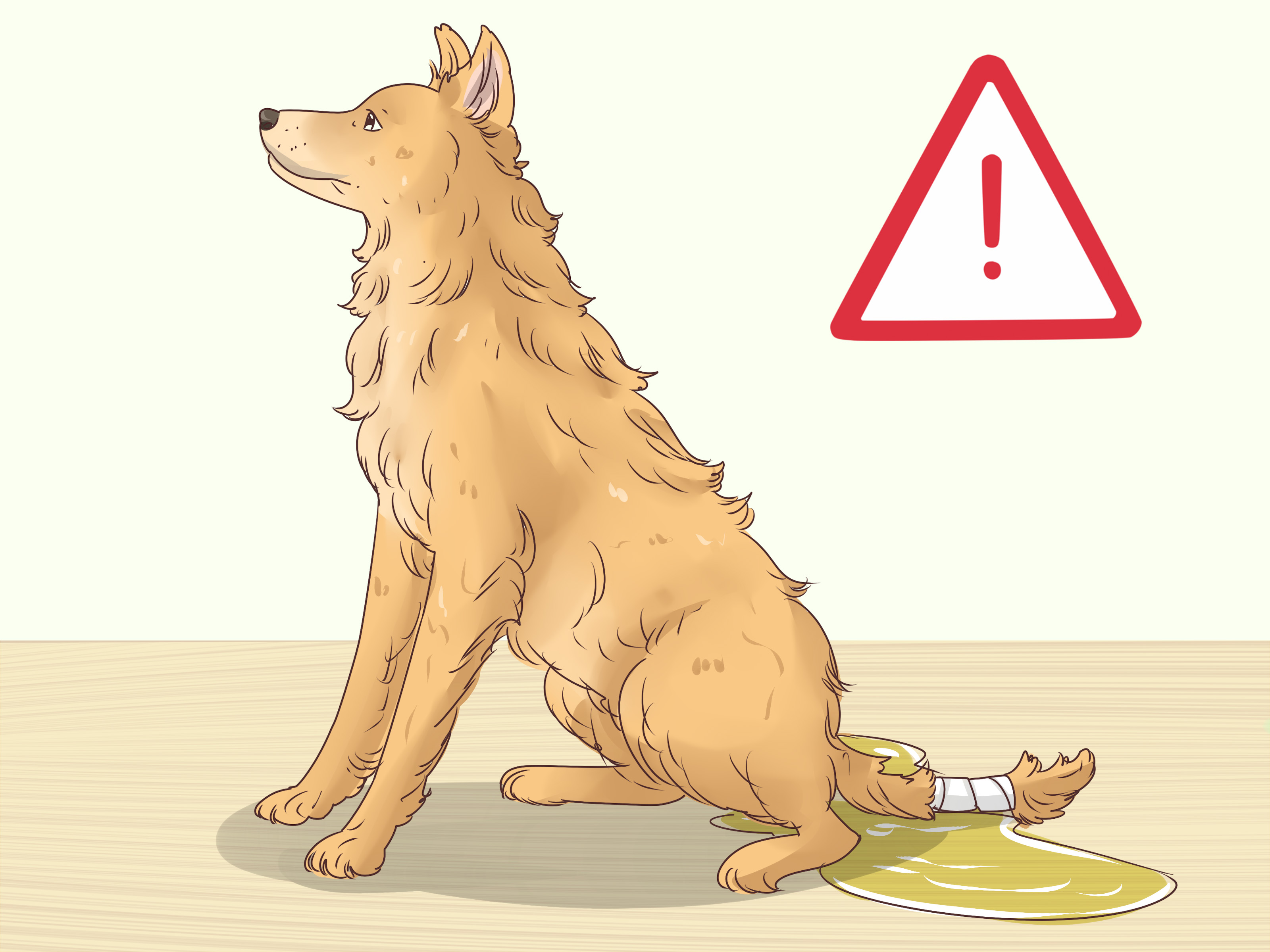
During the first few days, mild swelling, slight redness, and a small amount of light spotting may be expected. What should not happen is worsening swelling, strong odor, yellow or green discharge, heavy bleeding, open stitches, fever, refusal to eat, or a dog that seems increasingly painful. When in doubt, call your veterinarian early. Waiting rarely makes a surgical problem cheaper, simpler, or less dramatic.
How to Take Care of a Docked Tail: 8 Steps
Step 1: Follow the Veterinarian’s Instructions Exactly
Your veterinarian’s discharge instructions are the boss. Not the internet, not your neighbor, not someone in a dog forum named “PupDad1978,” and not even this article. Your vet knows whether the site was closed with sutures, glue, staples, or left partially open to drain. They also know what medication was prescribed and what warning signs matter most for your dog.
Read the instructions before you leave the clinic if possible. Ask questions about cleaning, medication timing, activity limits, bathing, bandage changes, and when to return. If your dog was sent home with pain medication or antibiotics, give them only as directed. Never use human pain relievers such as ibuprofen, naproxen, or acetaminophen unless your veterinarian specifically prescribes them. Some human medications can be dangerous or even deadly for dogs.
Keep all medications in a visible but safe place, and write down each dose after you give it. Surgery aftercare gets surprisingly confusing when you are tired, the dog is whining, and the cone keeps knocking into the water bowl like a satellite dish with legs.
Step 2: Keep the Tail Area Clean and Dry
A clean, dry incision has a much better chance of healing smoothly. Moisture softens healing tissue and can invite bacteria, especially around the tail where dirt, bedding, urine, and fecal matter may be nearby. Keep your dog’s resting area fresh, dry, and washable. Replace soiled blankets quickly and avoid letting your dog lie in damp grass, mud, sand, or dusty outdoor areas.
Do not bathe your dog until your veterinarian says it is safe. A full bath can soak the wound and interfere with healing. If your dog gets dirty, use a clean damp cloth to gently wipe areas away from the incision. If the tail area itself becomes soiled, call your vet and ask how they want you to clean it. Some dogs may need a specific antiseptic solution, while others should be left alone except for gentle monitoring.
Avoid hydrogen peroxide, alcohol, essential oils, powders, ointments, or “natural” wound products unless your vet recommends them. Many well-meaning products can irritate tissue, slow healing, or encourage licking. In wound care, more product does not always mean more healing. Sometimes it just means more trouble wearing a lavender-scented hat.
Step 3: Check the Docked Tail Twice a Day
Inspect the docked tail at least twice daily, ideally morning and evening. Use good lighting and gentle hands. You are looking for steady improvement, not perfection on day one. The area may look slightly pink or mildly swollen early on, but it should not become angrier-looking each day.
During each check, look for:
- Redness that is spreading or becoming darker
- Swelling that is increasing instead of decreasing
- Bleeding that does not stop with gentle pressure
- Yellow, green, white, or foul-smelling discharge
- Missing stitches, loose staples, or an opening incision
- Skin that feels hot, firm, or very painful
- Your dog crying, snapping, hiding, shaking, or refusing touch
Taking a daily photo can help. Use the same angle and lighting if possible. This makes it easier to notice whether the wound is improving or getting worse. It also gives your veterinarian useful information if you need to call. A clear photo is much better than saying, “It looks weird, but not weird-weird.”
Step 4: Prevent Licking, Chewing, and Scratching
Licking is one of the biggest enemies of a healing docked tail. Dogs lick because the area hurts, itches, smells different, or simply exists. Unfortunately, licking can introduce bacteria, loosen stitches, reopen the wound, and delay healing. Chewing is even worse and can turn a small surgical site into an emergency.
If your veterinarian sends home an Elizabethan collar, commonly called an E-collar or cone, use it exactly as instructed. Many dogs act personally betrayed by the cone at first. They bump into chairs, stare at you like you invented sadness, and dramatically forget how doorways work. Most adjust faster than owners expect.
The cone should be long enough to prevent your dog from reaching the tail. Soft cones, inflatable collars, or recovery garments may work for some dogs, but tail wounds can be tricky because flexible dogs can bend around many barriers. If your dog can still reach the docked tail, the collar is not doing its job. Call your vet for a better option instead of hoping your dog suddenly develops self-control. Spoiler: they probably will not.
Step 5: Limit Activity While the Tail Heals
Activity restriction matters because running, jumping, wrestling, and rough play can pull on healing tissue. Even though the wound is on the tail, the whole body gets involved when a dog zooms through the house like a caffeinated goat. Too much movement can increase swelling, cause bleeding, or break open the incision.
For most dogs, leash-only potty breaks are best during early healing. Keep walks short and boring. Avoid dog parks, daycare, swimming, hiking, stairs, and play sessions with other pets until your veterinarian clears normal activity. If you have children in the home, explain that the dog needs quiet time and gentle handling.
Use a crate, exercise pen, or small quiet room if needed. Give your dog calm enrichment such as food puzzles, lick mats approved by your vet, or chew-safe toys that do not encourage wild body movement. The goal is not to make your dog miserable. The goal is to prevent a ten-second burst of chaos from adding ten extra days of healing.
Step 6: Give Medication Correctly and Monitor Pain
Pain control is an important part of docked tail aftercare. A comfortable dog is less likely to lick, chew, panic, or refuse food. Give pain medication exactly as prescribed. Do not skip doses because your dog “seems fine,” and do not give extra because your dog “seems sad.” Medication timing and dosage are based on your dog’s weight, age, health status, and procedure.
Watch for signs of pain such as whining, trembling, restlessness, tucked posture, hiding, panting when not hot, loss of appetite, or guarding the tail. Puppies may cry more often, nurse poorly, or seem unusually weak. Adult dogs may become clingy, grumpy, or reluctant to sit.
Also watch for medication side effects. Vomiting, diarrhea, severe sleepiness, facial swelling, trouble breathing, or refusal to eat may require veterinary attention. If your dog spits out medication, do not double the next dose without asking your vet. Dogs are professional pill detectives, and some can find one tablet hidden inside a cheese cube with the precision of airport security.
Step 7: Know the Signs of Infection or Complications
A docked tail is a surgical wound, and surgical wounds can become infected even with good care. Early treatment is usually easier than waiting until the site looks obviously bad. Call your veterinarian if you notice worsening redness, heat, swelling, pain, discharge, bad smell, bleeding, missing sutures, or an opening wound.
You should also call if your dog becomes lethargic, stops eating, develops a fever, vomits repeatedly, cries constantly, or seems much more uncomfortable than expected. In puppies, take weakness, poor nursing, cold body temperature, or constant crying seriously. Puppies have fewer reserves than adult dogs and can decline quickly.
Do not try to trim loose stitches, drain swelling, remove scabs, or wrap the tail tightly at home. A tight bandage can reduce blood flow, and a badly placed wrap can make a tail injury worse. If the site is bleeding heavily, apply gentle pressure with clean gauze or a clean towel and contact a veterinarian right away.
Step 8: Attend Follow-Up Visits
Follow-up visits are not optional decorations on the aftercare calendar. Your veterinarian may need to check healing, remove sutures or staples, adjust medication, or confirm that the tail is closing properly. Even if the wound looks good to you, a trained exam can catch subtle issues before they become expensive surprises.
If your dog has stitches, ask when they should be removed. Some sutures dissolve, while others must be taken out. Removing stitches too early can cause the wound to open. Leaving non-dissolving stitches too long can irritate the skin. This is why the follow-up appointment deserves a spot on your calendar, not a vague promise to “get around to it.”
Bring your questions to the appointment. Ask when your dog can bathe, play, return to daycare, resume training, or stop wearing the cone. For working dogs, sporting dogs, or high-energy breeds, ask about a gradual return to activity. The tail may be small, but the recovery plan should still be complete.
Special Care Tips for Puppies With Docked Tails
Puppies need extra attention because they are small, fragile, and not exactly known for making responsible health choices. If you are caring for a litter, keep bedding clean and dry. Check each puppy’s tail several times a day, especially if the mother is licking aggressively or littermates are crawling over one another.
Make sure puppies are nursing well and staying warm. A puppy that is not eating, feels cold, cries constantly, or seems weak needs veterinary help quickly. Do not apply over-the-counter creams or sprays to puppy tails unless your veterinarian approves them. Puppies can absorb or ingest products easily, especially if the mother licks the area.
If a puppy’s docked tail becomes swollen, dark, foul-smelling, wet, or bloody, contact your vet. Small bodies can develop big problems fast. It is always better to be the person who calls early than the person who waits and wishes they had called yesterday.
Special Care Tips for Adult Dogs After Tail Amputation
Adult dogs often need stricter activity control than puppies because they are stronger, heavier, and more capable of turning a healing tail into a household project. If the surgery was done because of trauma, chronic happy tail, infection, or a mass, your vet may provide more detailed instructions about bandaging, biopsy results, antibiotics, or long-term monitoring.
Adult dogs may also struggle more with cones because they can reach, twist, and negotiate like furry escape artists. Check the fit often. If your dog can reach the tail, tell your vet. Do not assume a cone is effective just because the dog is wearing it. Some dogs wear cones the way toddlers wear rain boots: technically yes, functionally questionable.
Because adult tail amputations may involve more tissue, healing can take longer. Keep the dog calm, prevent tail bumping, and use padded resting spaces. If your dog is a powerful tail-wagger, ask your veterinarian how to prevent repeated trauma during recovery.
What Not to Do After Tail Docking
Good aftercare is partly about doing the right things and partly about avoiding the wrong ones. Do not let your dog lick the wound “just a little.” Do not remove the cone early because your dog looks annoyed. Do not bathe the dog before clearance. Do not use human medications. Do not apply ointments or disinfectants without veterinary approval. Do not ignore bad smells, discharge, swelling, or behavior changes.
Also avoid comparing your dog’s healing timeline to another dog’s timeline. One puppy may heal quickly with minimal swelling, while another needs extra monitoring. An adult dog with a medical tail amputation is not the same as a newborn puppy with a small docked site. Healing is individual, and your veterinarian is the best person to judge whether the process is normal.
When to Call the Veterinarian Immediately
Call your vet promptly if you notice heavy bleeding, an open wound, missing stitches, pus, foul odor, severe swelling, intense pain, fever, refusal to eat, repeated vomiting, extreme lethargy, or any sign that your dog is getting worse instead of better. For puppies, call urgently if a puppy is weak, cold, not nursing, crying constantly, or has a tail site that looks dark, wet, swollen, or infected.
Do not wait for every symptom to appear. One clear warning sign is enough. Veterinary teams would usually rather answer an early question than treat a preventable complication later. Your dog may not send a formal complaint letter, but their body will give clues. Pay attention to them.
Experience-Based Advice: What Caring for a Docked Tail Is Really Like
Taking care of a docked tail often feels simple on paper and surprisingly demanding in real life. The wound may be small, but it sits in a high-interest location for dogs. They can feel it, smell it, bump it, wag it, lick it, and occasionally act as if the entire household has been created solely to stop them from investigating it. This is why the first few days are usually the most important.
One of the most useful experiences many dog owners report is that preparation makes recovery calmer. Before bringing the dog home, set up a quiet recovery space with clean bedding, easy access to water, and limited opportunities for jumping. A small room, crate, or exercise pen can reduce chaos. If there are other pets, separate them at first. Even friendly dogs may sniff, lick, or nudge the healing tail, and the patient may not appreciate the attention.
The cone is often the biggest emotional challenge for owners. Dogs may look miserable in it, and it is tempting to remove it “just while I watch.” The problem is that dogs can lick or chew a surgical site in seconds. Many complications happen during those tiny windows when the cone is off. A practical approach is to keep the cone on consistently unless your veterinarian says otherwise. Help your dog adjust by raising food and water bowls slightly if needed, guiding them through doorways, and giving calm praise when they settle.
Another real-world lesson is that boredom can become the villain. A recovering dog with too much energy may start spinning, licking, barking, or trying to play. Mental enrichment helps. Try slow feeding, gentle training cues such as “touch” or “look,” scent games with treats hidden in a towel, or quiet chew time if approved by your veterinarian. Keep the activities calm. This is not the week for indoor fetch, living-room agility, or the famous “my dog only gets wild for five minutes” routine. Five wild minutes can absolutely matter.
Daily checks are easier when they become routine. Choose two times, such as after breakfast and before bed. Wash your hands, use good lighting, and look without poking. If the wound seems a little different, take a photo and compare it with the previous day. Photos can prevent unnecessary panic and also help you spot real changes. If you send a photo to your vet, include details such as your dog’s appetite, energy level, medications, and whether there has been licking or bleeding.
Owners also learn quickly that clean bedding is underrated. A healing tail can brush against blankets, floors, crates, and furniture. Use washable bedding and change it often. Avoid fluffy bedding that sheds fibers near the wound. If your dog is a puppy, cleanliness matters even more because litter areas can become messy fast. Keeping the environment clean does not need to become a military operation, but it should be consistent.
Finally, the best experience-based advice is to trust your instincts but verify with your vet. If the tail looks worse, smells bad, bleeds, opens, or seems unusually painful, do not spend hours searching for answers online. Call the clinic. A quick question can save your dog discomfort and save you from the classic pet-owner spiral of comparing blurry wound photos at midnight. Calm, consistent, vet-guided care is the winning formula.
Conclusion
Learning how to take care of a docked tail is really about respecting the healing process. Keep the area clean and dry, stop licking and chewing, limit activity, give medication correctly, monitor the incision, and stay in touch with your veterinarian. Most dogs recover well when owners take aftercare seriously, but complications can happen. The faster you notice a problem, the better the chance of fixing it before it becomes serious.
A docked tail may be small, but your care makes a big difference. Be patient, be observant, and do not let your dog negotiate cone policy. Dogs are charming, persuasive, and completely unqualified to manage their own surgical recovery.
Note: This article is for general educational purposes only. Tail docking and tail amputation aftercare should always be guided by a licensed veterinarian. Cosmetic tail docking is controversial and is opposed by many veterinary and animal welfare professionals when performed only for appearance.