Note: This draft is formatted as body-only HTML for direct web publishing and excludes placeholder citation markup or non-publishable reference strings.
Art history has a branding problem. Not because the art is dull, but because somewhere between “majestic altarpiece” and “gallery label in 9-point font,” people started assuming museums were places where fun goes to whisper. Then the internet barged in wearing sneakers, pointed a phone at a 400-year-old portrait, typed “me pretending I read the group email,” and suddenly art history had a pulse again.
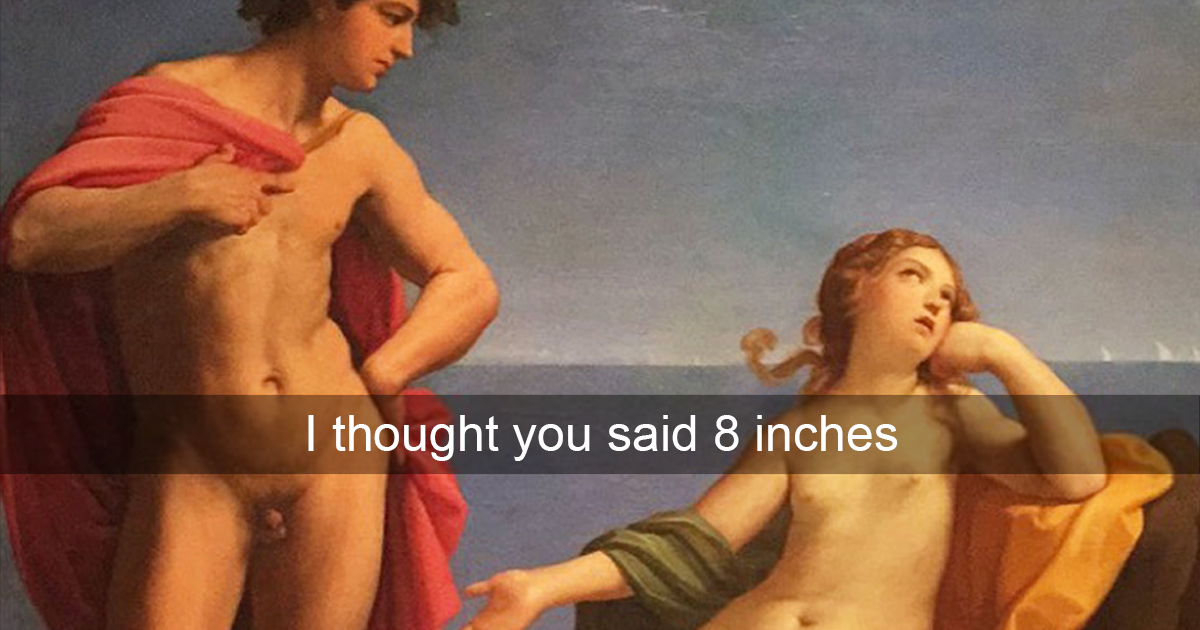
That is the magic of museum Snapchats. They turn paintings, sculpture, and historical objects into jokes, reactions, mini-stories, and bite-size moments of recognition. One caption can make a Baroque saint look like a dramatic roommate. One selfie beside a marble bust can make a student curious enough to ask, “Wait, who made this?” And one funny post can do what a semester of reluctant textbook skimming sometimes cannot: make people want to look closer.
The point is not to reduce art to memes. The point is that humor opens the door. Once people step through it, they often stay for the color, the history, the politics, the craftsmanship, and the human weirdness that great art has always carried. So yes, “101 Museum Snapchats That’ll Make Art History Fun Again” sounds like a list made by someone with a camera roll full of statues wearing imaginary captions. But it is also a smart way to talk about how museums, phones, and art history now meet in the same crowded, delightful room.
Why Museum Snapchats Work So Ridiculously Well
They make old art feel startlingly current
Portraits, religious scenes, mythological dramas, and historical paintings are already packed with recognizable emotions: jealousy, pride, boredom, panic, vanity, flirtation, and the timeless energy of “I absolutely did not start this argument.” A good museum Snapchat does not invent those feelings. It simply translates them into modern language. Suddenly a 17th-century face is not “anonymous Dutch sitter”; it is “friend who said they were five minutes away thirty minutes ago.” That translation matters because it reminds viewers that people in the past were not abstract names in a timeline. They were humans with expressions, anxieties, fashion choices, and occasional theatrical flair.
They reward looking closely
Funny captions only land when the viewer notices details. A side-eye in the corner of a painting, a tiny dog under a chair, a hand gesture that screams “I have concerns,” or a haloed figure who somehow looks done with everyone in the roomthese are the things that make a museum Snapchat work. In other words, humor encourages observation. And observation is the first real skill of art history. Before anyone learns provenance, iconography, or the politics of patronage, they learn to look.
They lower the intimidation factor
For many people, museums still feel like spaces with invisible rules. Do not stand too close. Do not speak too loudly. Do not admit you have no idea what this painting means. Social sharing softens that pressure. It tells visitors that they are allowed to have a personal response. They can laugh, wonder, compare, question, and connect. That is a healthier entry point than pretending every museum visit must feel like an oral exam in front of a Renaissance altarpiece.
Art History Was Always Built for This
Museum Snapchats feel modern, but the instinct behind them is old. Artists have always played with performance, self-presentation, and visual messaging. Portraits were status updates before status updates existed. Religious images were emotional storytelling machines. History paintings were blockbuster cinema without popcorn. Even self-portraiture has long carried the energy of selective self-curation.
Take Judith Leyster’s famous self-portrait. It has often been described as feeling almost like an early selfie because she appears mid-action, turned toward us, confident, stylish, and unmistakably aware of being seen. That matters because it reveals something crucial: people have been managing their image for centuries. The phone did not invent self-fashioning. It just made it faster and gave it front-facing cameras.
Photography pushed that instinct even further. Once photography arrived in the 19th century, people gained a powerful new way to record themselves, each other, and the world around them. That shift transformed how images circulated and how identity could be staged, shared, and remembered. Long before today’s museum visitors framed themselves beside a masterpiece, artists and photographers were already testing the line between documentation and performance.
One of the best examples is Tseng Kwong Chi, whose self-portraits at major landmarks feel uncannily like pre-smartphone selfies with sharper conceptual teeth. He used repetition, pose, costume, and location to question identity, power, nationality, and spectacle. So when modern visitors take clever photos in museums, they are not betraying art history. In a strange way, they are joining a very old visual conversation about how images shape the self.
Why Museums Are More Ready for This Than Ever
Here is the part that surprises people: many museums are not just tolerating this shift. They are actively building around it. Large institutions across the United States now offer some mix of personal photography, digital guides, online collections, educational platforms, and open-access images. The message is clear: access matters.
The Metropolitan Museum of Art has made an enormous amount of collection data and public-domain imagery available for free use, which is basically catnip for teachers, students, designers, and anyone whose idea of a good weekend includes remixing a medieval manuscript image into a joke for the group chat. The Smithsonian has gone even broader with digital learning tools and open access resources that invite users not just to browse, but to create and share. The National Gallery of Art, MoMA, the Art Institute of Chicago, and other major institutions also place vast bodies of scholarship and collections material online, which means curiosity no longer has to stop at the museum exit.
That accessibility changes the relationship between visitor and institution. The old model was “come here and behave.” The newer model is closer to “come here, learn something, make something, talk about it, then come back with better questions.” When museums embrace thoughtful digital engagement, they are not watering down art. They are extending the life of the encounter.
The 12 Kinds of Museum Snapchats People Love
1. The reaction-face classic
This is the undefeated champion: a painting face paired with a caption about deadlines, family drama, awkward texts, or caffeine dependency. It works because expression is universal and timing is everything.
2. The accidental fashion twin
You show up wearing black, gold, florals, or suspiciously Renaissance sleeves and suddenly realize you match the portrait. Congratulations. The museum chose you too.
3. The “this sculpture gets me” post
Bent bronze figure. Fallen marble torso. Slightly exhausted saint. The human need to identify with objects that look emotionally overbooked remains undefeated.
4. The dramatic crop
Sometimes the funniest museum Snapchat is not the full artwork, but one tiny detail: a scandalized cherub, a nervous dog, or a background figure clearly having the worst day in the painting.
5. The side-by-side pose recreation
Visitors love recreating poses, especially when the artwork takes itself very seriously and the human imitation absolutely does not.
6. The fake text-message exchange
One painted figure says, “Where are you?” Another replies, “Outside.” This should not work as well as it does, and yet it always does.
7. The historical roast
These posts lightly poke fun at wigs, armor, furniture, or elite portrait conventions. The best versions tease the past while still showing affection for it.
8. The “museum date gone right” shot
Two people, one gallery, one masterpiece, and the subtle realization that talking about art is much more charming than shouting over restaurant music.
9. The educational flex
This is the post that starts funny and ends with an actual fact about symbolism, patronage, materials, or technique. Sneaky. Effective. Slightly dangerous to anti-learning agendas.
10. The “found my ancestor” joke
No, that 18th-century aristocrat is probably not your great-uncle. But the resemblance is funny, and family group chats are built for this kind of misinformation.
11. The museum mirror moment
Contemporary installations, reflective surfaces, and carefully framed architecture invite visitors to become part of the composition. Suddenly the picture is not just about art. It is about being in relation to art.
12. The unexpectedly sincere post
This is the one that begins with humor, then quietly turns emotional. A caption joke leads to a real response: grief, wonder, memory, pride, or the feeling of being seen by an artwork from another century. Those are the posts people remember.
How Funny Posts Actually Help People Learn
There is a persistent fear that if visitors joke about art, they will stop taking it seriously. In reality, the opposite often happens. Humor invites repeat attention. Repeat attention leads to questions. Questions lead to learning. A person who first notices a painting because it looks like their overdramatic cousin may then read the label, search the artist, save the image, and return later with context. That is not a failure of art education. That is art education working through a more realistic doorway.
Digital learning platforms reinforce this. Museums increasingly support close looking, storytelling, online research, classroom use, and remix-friendly exploration. This matters for teachers especially. Students who may not respond to a lecture on portrait conventions often wake right up when shown how artists used pose, costume, props, and gaze to build identity. Add humor, and the lesson sticks. Better still, students begin to see that visual literacy is not a side topic. It is everyday life.
And visual literacy has never been more necessary. We live in a world saturated with images, branding, self-curation, filters, and performance. Museums help people decode those habits by showing their long history. A museum Snapchat might look silly, but hidden beneath it is a serious idea: pictures shape power, emotion, memory, and belonging.
How to Make Your Own Museum Snapchat Without Becoming Gallery Chaos
Respect the rules
Many museums allow personal photography, but policies vary. Flash, tripods, and selfie sticks are often restricted, and some exhibitions prohibit photos entirely. The civilized move is simple: check first, then post later.
Do not block the view
If your perfect shot requires turning a gallery into a traffic problem, it is not the perfect shot. Take the photo, keep moving, and remember that other people also came to see the art, not your seven-angle retake saga.
Caption with curiosity, not contempt
The best museum humor punches up at human behavior, not down at cultures, beliefs, or historical suffering. Be playful. Be observant. Do not be the person who confuses mockery with wit.
Use the joke as a bridge
Try adding one real fact after the funny line. Mention the artist, period, material, or symbol. That tiny extra sentence turns a disposable post into something memorable and shareable for the right reasons.
Why Art History Feels More Alive When We Make It Social
Art history does not become meaningful because everyone suddenly memorizes dates. It becomes meaningful when people realize that artworks are records of human choices. Somebody chose that color. Somebody paid for that portrait. Somebody carved that expression, staged that pose, painted that shadow, and hoped somebody else would understand it. The museum Snapchat, goofy as it may be, restores that chain of human connection.
It also helps museums meet people where they already are. Phones are not going away. Social platforms are not going away. The question is whether museums treat that reality as a threat or an opportunity. The smartest institutions have already answered. They are opening digital archives, expanding educational tools, encouraging thoughtful participation, and trusting visitors to move from quick glance to deeper engagement.
So no, museum Snapchats are not ruining art history. In many cases, they are reviving it for people who were never invited in by more formal language. They make room for delight, recognition, and curiosity. They remind us that art is not a sealed vault of Important Objects. It is a living record of human beings being vain, holy, messy, elegant, political, funny, grief-struck, ambitious, and absolutely unable to resist a good pose.
And honestly, if one caption about a 16th-century noblewoman looking like she is done with the group project gets someone interested in portraiture, symbolism, and museum collections, that sounds less like cultural decline and more like a public service.
Extra Experience Section: What It Actually Feels Like When Museum Snapchats Make Art History Click
The experience usually starts small. You walk into a museum expecting to be good, respectful, and maybe a little intimidated. Then you turn a corner, see a portrait with the most unbelievable expression on earth, and immediately think, “That is my face when the Wi-Fi dies during a deadline.” You laugh. Your friend laughs. You take a photo. That tiny moment does something bigger than it seems: it breaks the glass wall between “important art” and ordinary life.
From there, the whole museum changes. Instead of drifting from room to room like a polite ghost, you start noticing things. Why is everyone holding gloves? Why does that baby in the painting look wiser than the adults? Why is that ancient sculpture somehow serving better posture than anyone alive? Humor sharpens attention. You start scanning faces, fabrics, objects, and gestures like clues. And once you start noticing, you start caring.
That is when art history becomes personal. The museum is no longer just a building full of masterpieces arranged by century. It becomes a place full of human evidence. Here is vanity in oil paint. Here is grief in marble. Here is status stitched into velvet sleeves. Here is love disguised as patronage. Here is propaganda pretending to be elegance. Here is a self-portrait quietly declaring, “I was here, and I knew exactly how I wanted to be seen.”
Museum Snapchats often get dismissed as shallow, but the lived experience is usually the opposite. A funny post can become the first draft of a real thought. You caption a sculpture as “me after answering one email,” and five minutes later you are reading about the period, the artist, the material, and the original setting of the work. The joke did not interrupt learning. It invited it.
There is also something deeply social about the experience. Museums used to be described as places of quiet contemplation, and sure, sometimes they still are. But they are also places where people compare interpretations, argue over favorites, point out strange details, and build memories together. A museum Snapchat captures that social layer. It says, “I was here, I saw this, and I wanted to share how it felt.” That instinct is not frivolous. It is one of the oldest reasons humans make and share images in the first place.
By the end of a great museum visit, your camera roll might contain a mix of elegant installation shots, crooked close-ups, accidental ceiling photos, and one truly excellent painting face saved for future reaction use. But it also holds something better: proof that art history did not stay trapped on the wall. It followed you out, into conversation, into memory, and into the way you now look at images everywhere else. That is why these posts matter. They are not just funny. They are often the exact moment art becomes real.
Conclusion
“101 Museum Snapchats That’ll Make Art History Fun Again” is more than a catchy title. It points to a real shift in how people encounter culture now. Museums still preserve objects, scholarship, and history, but they also increasingly support participation, creativity, and digital discovery. A clever Snapchat caption or museum selfie can turn a passive visit into an active one, and an active visit is where learning sticks. If art history has felt distant, stuffy, or overprotected, this new visual culture offers a better invitation: come in, look carefully, laugh honestly, and stay curious.