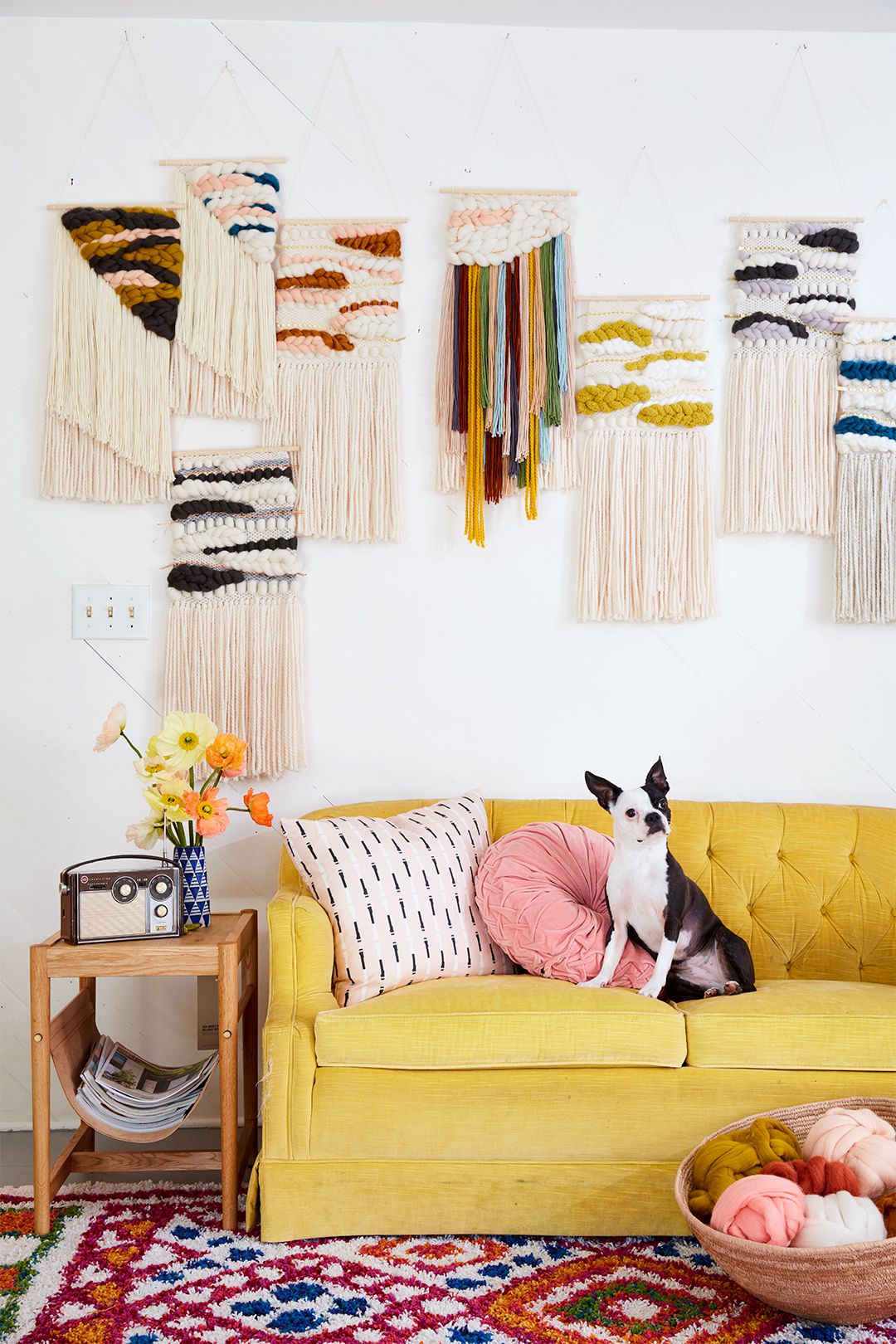
Pet hair on a couch is one of those little domestic mysteries: you vacuum on Monday, your dog takes one nap, and by Tuesday your sofa looks like it grew a second coat. Cat owners know the same drama, only with more judgmental eye contact from the culprit. The good news is that learning how to remove pet hair from a couch does not require a professional cleaner, a hazmat suit, or pretending the couch is “supposed” to be furry.
The best method depends on your couch fabric, your pet’s coat type, and how deeply the hair has worked itself into the upholstery. Loose fur is easy. Embedded pet hair, the kind that clings like it signed a lease, takes a smarter approach. This guide walks you through the most effective couch pet hair removal methods using vacuums, rubber gloves, lint rollers, squeegees, microfiber cloths, fabric brushes, and simple prevention habits.
Before you begin, remember one golden rule: check the couch care label. Upholstery codes matter. A sofa marked “W” can usually handle water-based cleaning, “S” needs solvent-based care, “WS” can handle either, and “X” should only be vacuumed or brushed. Pet hair removal is mostly dry cleaning, but if you dampen a glove or cloth, always test a hidden spot first. Your couch deserves respect, even if your golden retriever treats it like a personal cloud.
Why Pet Hair Sticks to Couches So Stubbornly
Pet hair clings to upholstery because of static electricity, fabric texture, natural oils, and the shape of the hair itself. Short, stiff hairs from breeds like pugs, Labradors, beagles, and many short-haired cats can pierce fabric fibers like tiny upholstery darts. Long, fluffy hair from huskies, Maine Coons, Persian cats, and golden retrievers tends to float, drift, and collect in seams, corners, and cushion gaps.
Fabric also plays a big role. Microfiber, velvet, chenille, tweed, and woven upholstery can trap fur more easily than leather or faux leather. If your couch has textured fabric, pet hair does not simply sit on top; it works its way into the weave every time someone sits down. That is why a quick swipe with your hand rarely solves the problem. You need friction, suction, or static control to pull the hair loose.
Step 1: Prep the Couch Before Removing Pet Hair
Start by removing blankets, throws, pillows, toys, and anything else your pet has claimed as emotionally significant property. Shake washable covers outside if possible, then toss them in the laundry according to the care label. A short no-heat or low-heat dryer cycle before washing can help loosen pet hair from fabric, but always clean the lint trap afterward.
Next, remove couch cushions if they are detachable. Pet hair loves hidden places: under cushions, along zippers, behind pillows, and in the cracks where snacks go to become archaeological discoveries. Use your hand or a dry cloth to sweep large clumps into one area. This makes vacuuming more effective and prevents your vacuum from swallowing a giant fur tumbleweed all at once.
Step 2: Vacuum the Couch the Right Way
Vacuuming is the best first move for removing pet hair from a couch because it picks up loose fur, dander, crumbs, dust, and odor-causing debris. Use an upholstery attachment, motorized pet brush, or handheld vacuum designed for furniture. If your vacuum has adjustable suction, start with moderate suction so you do not pull delicate fabric out of shape.
How to Vacuum for Best Results
Work slowly in overlapping passes. Do not just wave the vacuum over the couch like you are blessing it. Press the upholstery tool lightly against the fabric and move in one direction first, then vacuum again in the opposite direction. This helps lift hairs trapped from different angles.
Vacuum the top, front, sides, and back of every cushion. Switch to a crevice tool for seams, corners, and the narrow spaces between cushions. If your pet has a favorite couch corner, spend extra time there. That spot is probably holding enough fur to assemble a small decorative pillow.
Step 3: Use Rubber Gloves for Embedded Pet Hair
A rubber glove is one of the cheapest and most effective pet hair removal tools for upholstery. Put on a clean rubber dishwashing glove, lightly dampen it, and run your hand over the couch in short strokes. The rubber creates friction and static that pulls hair from the fabric. The hair will gather into rolls or clumps that you can pick up by hand or vacuum away.
This method works especially well on microfiber, polyester, and tightly woven fabrics. Keep the glove only slightly damp, not wet. Too much moisture can leave water marks on sensitive upholstery or push dirt deeper into the fabric. For couches with an “X” cleaning code, use the glove dry instead of damp.
Step 4: Try a Squeegee for Stubborn Couch Fur
A clean rubber squeegee is another excellent tool for removing pet hair from upholstery. It works by dragging fur out of fabric fibers and collecting it into lines. Use short, firm strokes from the back of the cushion toward the front. Wipe the squeegee blade often with a microfiber cloth so you are not simply moving hair from one side of the couch to the other.
The squeegee method is especially helpful for low-pile upholstery and couch sections where vacuum attachments do not grab enough hair. It is also quiet, which is wonderful if your pet treats the vacuum like a fire-breathing dragon.
Step 5: Use a Lint Roller for Quick Touch-Ups
A lint roller is perfect for small areas, last-minute cleaning, and visible hair on couch arms, pillows, and seat fronts. Sticky lint rollers are easy to use, but they can go through sheets quickly if your couch is heavily covered in fur. For daily couch maintenance, consider a reusable pet hair roller or fabric brush. These tools are less wasteful and often better for large upholstery surfaces.
For best results, roll in multiple directions. Pet hair rarely lies politely in one pattern. If the couch fabric has a nap, start with the direction of the fabric, then lightly roll against it to lift trapped strands. Avoid pressing too hard on delicate fabrics because aggressive rolling can distort the surface.
Step 6: Use a Damp Microfiber Cloth for Light Hair
For light pet hair, a microfiber cloth can work beautifully. Slightly dampen the cloth, wring it out thoroughly, and wipe the couch in smooth strokes. Microfiber attracts hair and dust without needing harsh cleaners. This method is useful for leather, faux leather, and some performance fabrics, but be careful with water-sensitive upholstery.
On leather couches, pet hair is usually easier to remove because it sits on the surface instead of embedding into fibers. Wipe with a dry or barely damp microfiber cloth, then condition the leather as recommended by the manufacturer. Never soak leather, and avoid household cleaners that can strip the finish.
Step 7: Use a Fabric Brush or Pet Hair Remover Tool
Fabric brushes, upholstery brushes, and reusable pet hair removers are designed to pull hair from soft surfaces. Some have rubber bristles, some use textured fabric, and others rely on static. They are great for couches because they can cover more area than a standard lint roller.
Brush in short strokes and collect the hair as it gathers. For delicate upholstery, avoid scrubbing in circles. Circular rubbing can rough up the fabric or create fuzzy patches. Single-direction strokes are safer and more controlled, especially on velvet, suede-like microfiber, and woven fabrics.
Step 8: Remove Hair from Couch Seams and Crevices
Pet hair in couch seams can be surprisingly stubborn. Start with a crevice vacuum attachment. If hair remains trapped, use a soft toothbrush, dry rubber glove, or narrow upholstery brush to loosen it. Then vacuum again.
For deep cushion gaps, wrap a microfiber cloth around a butter knife, ruler, or flat spatula. Slide it gently into the crevice to pull out fur and dust. Do not use sharp tools. Your goal is to clean the couch, not perform surgery on it.
Best Method by Couch Material
Fabric Couch
Use a vacuum first, then a rubber glove, squeegee, or reusable pet hair brush. Fabric couches usually need a combination method because hair can cling to both the surface and the weave. Finish with a lint roller for visible leftovers.
Microfiber Couch
Microfiber attracts pet hair, but it also responds well to rubber gloves and upholstery brushes. Use light pressure and brush in one direction. If the fabric looks flattened after cleaning, fluff it gently with a dry soft brush.
Velvet Couch
Velvet needs a gentle touch. Vacuum with an upholstery attachment, then use a soft fabric brush in the direction of the nap. Avoid heavy moisture and aggressive scrubbing. A lint roller can work, but test first to make sure it does not pull fibers.
Leather or Faux Leather Couch
Use a microfiber cloth or vacuum with a soft brush attachment. Pet hair usually wipes away easily from leather, but scratches and body oils are bigger concerns. Keep claws trimmed and use a washable throw in your pet’s favorite spot.
Chenille or Textured Upholstery
Textured fabrics trap hair deeply. Vacuum slowly, use a rubber glove or squeegee, and repeat. A reusable pet hair remover may be more effective than a sticky lint roller because it can grip hair embedded in the texture.
How to Remove Pet Hair Smell from a Couch
Pet hair often comes with pet odor because fur carries oils, dander, and outdoor smells. After removing as much hair as possible, sprinkle a light layer of baking soda over the couch if the care label allows dry deodorizing. Let it sit for 15 minutes to one hour, then vacuum thoroughly with an upholstery attachment.
Do not use heavy perfume sprays to cover pet odor. They may irritate pets and can make the couch smell like lavender wrestling with wet dog. If the couch has stains or strong odors, use a pet-safe upholstery cleaner that matches your couch cleaning code, or consider professional upholstery cleaning.
How Often Should You Remove Pet Hair from a Couch?
For homes with shedding pets, vacuum the couch at least once a week. If your pet sleeps on the sofa daily, quick touch-ups every two or three days will keep the job manageable. During heavy shedding seasons, daily lint rolling or glove wiping may be necessary. This sounds dramatic until you meet a husky in spring.
The secret is consistency. Removing a little hair often is much easier than fighting a full fur invasion once a month. Keep a lint roller, rubber glove, or reusable pet hair brush near the couch so cleanup becomes a two-minute habit instead of a weekend project.
How to Prevent Pet Hair from Taking Over the Couch
Groom Your Pet Regularly
The less loose hair on your pet, the less hair on your couch. Brush dogs and cats according to their coat type. Long-haired pets may need daily brushing, while short-haired pets may do well with a few sessions per week. During seasonal shedding, increase the routine.
Use Washable Couch Covers
A washable couch cover, blanket, or pet throw can save your upholstery. Choose a tightly woven fabric that releases hair easily in the wash. Shake it outside before laundering, and clean the dryer lint trap afterward.
Create a Pet-Friendly Spot
If your pet has a favorite sofa corner, place a washable blanket there. Many pets love routine, and once they adopt a designated spot, most of the fur stays in one easier-to-clean area. Will they still spread hair elsewhere? Of course. Pets are artists, and fur is their medium.
Choose Pet-Friendly Upholstery
If you are buying a new couch, look for leather, faux leather, microfiber, canvas, denim, outdoor fabric, or performance upholstery. Tight weaves are easier to clean than loose weaves. Medium colors, subtle patterns, and shades close to your pet’s fur color can also help hide hair between cleanings.
Common Mistakes to Avoid
Do not soak the couch while trying to remove hair. Moisture can push dirt into the cushion, cause water rings, or create odor problems. Do not use tape aggressively on delicate upholstery because it can leave residue or pull fibers. Do not skip the vacuum before using wet cleaning methods. Hair plus moisture can turn into a stubborn paste that is somehow both gross and impressive.
Also avoid using stiff metal brushes on upholstery. They can damage fabric and make the couch look worn. If a pet hair tool feels too rough on your hand, it may be too rough for your sofa.
A Simple 10-Minute Couch Pet Hair Removal Routine
For a fast weekly routine, start by removing pillows and cushions. Vacuum the main couch surface for three minutes. Use a crevice tool for seams and cushion gaps for two minutes. Swipe the cushions with a rubber glove or squeegee for three minutes. Finish with a lint roller on visible areas for two minutes.
This routine works because it combines suction, friction, and detail cleaning. You do not need every tool in the cleaning aisle. You just need the right order and enough patience to outsmart the fur.
Real-Life Experience: What Actually Works When the Couch Looks Hopeless
Anyone who has lived with a shedding pet knows there is a difference between “a little hair” and “the couch has become a mammal.” In real homes, pet hair does not spread evenly. It collects where your pet naps, where people sit, where blankets bunch up, and where static seems to hold secret meetings. The most successful approach I have seen is not one miracle tool, but a layered routine.
For example, imagine a dark gray fabric couch shared by a white cat and a golden retriever. A vacuum alone helps, but it often leaves behind the fine, pale hairs that sparkle under sunlight like nature’s confetti. A sticky lint roller works for the front edge of the cushions, but it becomes annoying on the full sofa. The winning method is to vacuum first, use a damp rubber glove second, and finish with a reusable roller for the stubborn visible strands. That three-step process turns a furry couch into a respectable couch in about 10 to 15 minutes.
Another useful lesson: clean before guests arrive, not five minutes before guests arrive. Pet hair removal is easy when you are calm. It becomes a competitive sport when the doorbell rings and your Labrador decides to celebrate by rolling across every cushion. Keeping a small pet hair brush in a side table drawer makes emergency cleanup much easier.
For short-haired dogs, the squeegee method often works better than expected. Short hairs can needle into upholstery, and the rubber edge helps drag them out. For fluffy cats, reusable rollers and rubber gloves are usually faster because the hair gathers into soft clumps. For leather couches, a microfiber cloth is usually enough, though cushion seams still need vacuuming.
The biggest experience-based tip is to treat the pet, not just the couch. Regular brushing changes everything. A five-minute grooming session outside or in an easy-to-clean room can prevent a surprising amount of sofa fur. Washable throws also make life simpler. Choose one that matches your decor, toss it over your pet’s favorite spot, and wash it weekly. It is much easier to clean a blanket than negotiate with an entire sectional.
Finally, accept that a pet-friendly home will never be perfectly hair-free all the time. That is not failure; that is proof of life, companionship, and probably a very comfortable animal. The goal is not to eliminate every strand forever. The goal is to keep your couch clean enough for sitting, relaxing, and hosting without needing to apologize for the decorative fur layer.
Conclusion
Removing pet hair from a couch is all about using the right combination of tools. Start with a vacuum, loosen embedded hair with a rubber glove or squeegee, clean details with a crevice tool, and finish with a lint roller or reusable pet hair brush. Match your method to your upholstery type, avoid over-wetting fabric, and maintain a regular cleaning schedule.
With a few simple habits, your couch can stay comfortable, clean, and guest-readyeven if your pet believes every cushion is part of their royal estate. Fur happens. Luckily, now you know exactly what to do about it.
Note: Always check the manufacturer’s care label and test any damp method on a hidden area before cleaning the visible parts of your couch.