Note: This article is written for web publishing in standard American English and synthesizes practical cleaning guidance from reputable U.S. water-quality, home-care, and consumer cleaning sources.
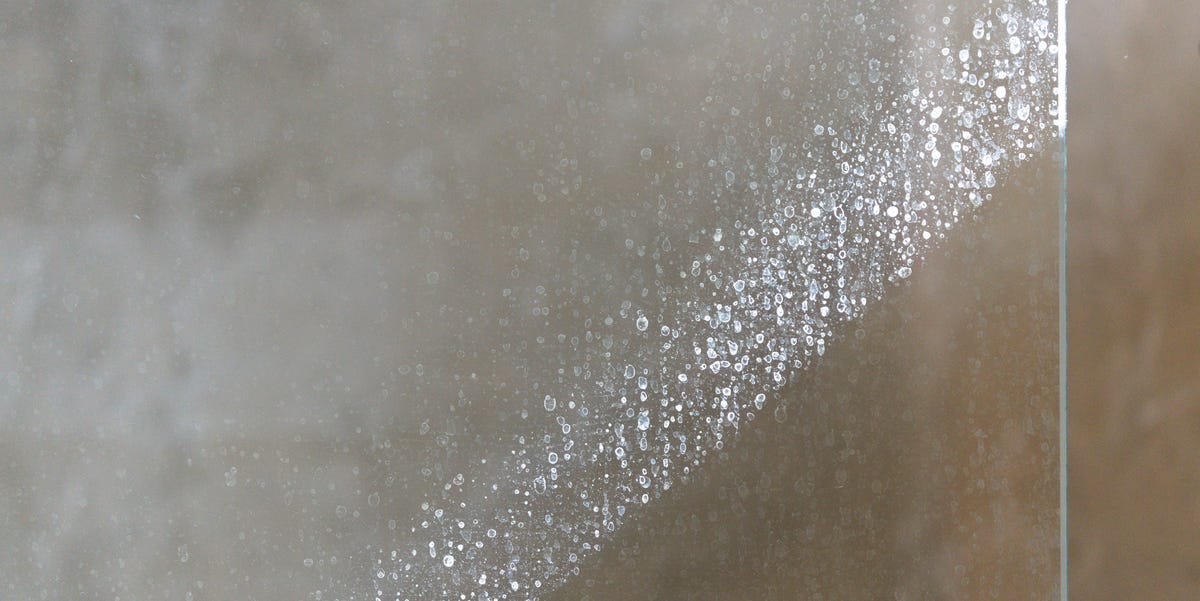
Hard water stains are the tiny, chalky villains of the cleaning world. One day your shower glass is sparkling like a hotel commercial, and the next it looks as if someone sneezed powdered doughnut dust all over it. Faucets develop crusty white collars. Toilets get mysterious rings. Glassware turns cloudy. Your kettle starts growing a mineral sweater. Charming? Not exactly.
The good news: hard water stains are not permanent most of the time. They are mineral deposits, usually from calcium and magnesium, left behind when hard water evaporates. That means the right cleaning method is less about scrubbing like you are training for an arm-wrestling championship and more about using mild acids, patience, and surface-safe tools.
In this guide, you will learn how to remove hard water stains from glass, faucets, showerheads, tile, toilets, sinks, appliances, and everyday household surfaces. We will also cover what not to do, because some cleaning “hacks” deserve to be escorted directly to the trash.
What Causes Hard Water Stains?
Hard water contains higher levels of dissolved minerals, especially calcium and magnesium. When water droplets dry on a surface, the water disappears but the minerals stay behind. Over time, those minerals build up into white spots, cloudy film, scale, crusty deposits, or rusty-looking stains if iron is also present.
Hard water is especially common in areas that rely on groundwater or where water travels through mineral-rich rock and soil. In the home, it usually shows up on surfaces that get wet frequently: shower doors, faucets, tubs, sinks, toilets, dishwashers, coffee makers, and glassware.
Hard Water Stains vs. Soap Scum
Hard water stains and soap scum often work together like a tiny bathroom crime ring. Hard water deposits are mineral-based and usually appear white, gray, chalky, or crusty. Soap scum forms when soap reacts with minerals in the water, leaving a sticky or waxy film. If your shower glass feels both cloudy and slightly greasy, you may be dealing with both.
The cleaning strategy is similar: soften the buildup, dissolve the minerals, gently scrub, rinse, and dry. The drying step is not glamorous, but it is the secret handshake of people with shiny bathrooms.
The Best Cleaners for Hard Water Stains
The best hard water stain removers are usually acidic cleaners because mineral deposits respond well to acids. You do not always need a harsh product. In many cases, pantry basics do the job beautifully.
White Vinegar
White vinegar is a classic hard water stain cleaner because its mild acidity helps break down mineral deposits. It works well on glass shower doors, faucets, showerheads, sinks, and some appliances. A 50/50 mix of white vinegar and water is a good starting point for routine cleaning.
Lemon Juice
Lemon juice can help with light mineral spots and leaves a fresher scent than vinegar. It is handy for chrome fixtures, small stains, and quick touch-ups. However, it is still acidic, so avoid using it on natural stone.
Baking Soda
Baking soda is mildly abrasive, which makes it useful as a paste for stubborn spots. It does not dissolve minerals the way vinegar does, but it helps lift loosened residue without scratching many durable surfaces. Use it gently, not like you are sanding a deck.
Citric Acid
Citric acid is excellent for descaling kettles, coffee makers, toilets, and showerheads. It is often stronger than vinegar but still widely used in home cleaning. Always follow product directions and rinse thoroughly.
Commercial Hard Water Removers
For heavy limescale, rust-colored stains, or long-neglected buildup, a commercial calcium, lime, and rust remover can save time. Choose one that is safe for your specific surface, and never assume “stronger” means “better.” Strong cleaners can damage finishes if used incorrectly.
Important Safety Rules Before You Start
Before you attack hard water stains, remember this: never mix cleaning products. Do not mix vinegar with bleach. Do not mix bleach with ammonia. Do not mix random bathroom cleaners together and hope they form a superhero. They may form toxic fumes instead.
Use gloves, open a window or run the bathroom fan, and read labels carefully. If you use a commercial cleaner, follow the directions exactly. More product and longer contact time can damage surfaces, especially metal finishes, stone, grout, and rubber seals.
Surfaces That Need Extra Care
Do not use vinegar, lemon juice, or acidic descalers on marble, limestone, travertine, terrazzo, or other natural stone unless the product label says it is stone-safe. Acid can etch stone and leave dull marks that are much worse than the original water stain. For natural stone, use a pH-neutral stone cleaner and a soft cloth.
Also be careful with brushed nickel, oil-rubbed bronze, unsealed grout, antique fixtures, and appliance interiors with rubber components. When in doubt, test a hidden spot first.
How to Remove Hard Water Stains From Glass Shower Doors
Glass shower doors are the official billboard of hard water. Every droplet gets a chance to leave its autograph. Luckily, the fix is simple if the stains are not deeply etched.
Step-by-Step Method
- Mix equal parts white vinegar and warm water in a spray bottle.
- Spray the glass generously, focusing on cloudy areas and white spots.
- Let it sit for 10 to 30 minutes. Do not let it dry completely.
- Scrub gently with a non-scratch sponge or microfiber cloth.
- For stubborn spots, apply a baking soda paste and scrub lightly.
- Rinse thoroughly with warm water.
- Dry with a clean microfiber towel or squeegee.
For heavy buildup, repeat the process rather than scrubbing aggressively. Glass can become scratched, and once scratches appear, hard water deposits cling even more easily. That is how a small cleaning problem turns into a long-term relationship.
How to Clean Hard Water Stains From Faucets
Faucets often develop crusty buildup around the base, handles, and aerator. Vinegar is usually effective, but contact time matters.
Vinegar Wrap Method
- Soak a paper towel or microfiber cloth in white vinegar.
- Wrap it around the stained area.
- Let it sit for 15 to 30 minutes.
- Remove the wrap and scrub gently with a soft toothbrush.
- Rinse well and dry completely.
For faucet aerators, unscrew the aerator if possible and soak it in vinegar for 20 to 30 minutes. Brush away loosened deposits with an old toothbrush, rinse, and reattach. If your faucet suddenly sprays like a confused sprinkler, the aerator is often the culprit.
How to Remove Mineral Buildup From Showerheads
A clogged showerhead can turn your relaxing shower into a sad drizzle. Mineral deposits block the tiny spray holes, reducing water pressure and sending water in strange directions.
Plastic Bag Soak Method
- Fill a plastic bag with enough white vinegar to cover the showerhead face.
- Secure the bag with a rubber band or twist tie.
- Let it soak for 30 minutes to a few hours, depending on buildup.
- Remove the bag and run hot water through the showerhead.
- Scrub the nozzles gently with a soft toothbrush.
If your showerhead has a specialty finish, check the manufacturer’s care instructions first. Some finishes do not love long vinegar baths. Frankly, neither do most people.
How to Remove Hard Water Stains From Toilets
Toilet rings are often caused by mineral deposits sitting at the waterline. These stains can be stubborn because they get fresh mineral exposure every day.
Vinegar and Baking Soda Method
- Flush the toilet, then turn off the water supply if you want to lower the water level.
- Pour white vinegar into the bowl, focusing on the stained area.
- Let it sit for at least 30 minutes.
- Add baking soda and scrub with a toilet brush.
- Flush and repeat if needed.
For tougher mineral rings, citric acid or a toilet cleaner designed for hard water stains may work better. Use pumice stones only if they are labeled safe for toilets, keep the stone wet, and use light pressure. Dry pumice on porcelain is a bad idea with excellent confidence.
How to Remove Hard Water Stains From Tile and Grout
Tile can usually handle vinegar better than natural stone, but grout is more delicate. Repeated acidic cleaning can weaken some grout over time, especially if it is unsealed or already crumbling.
Safe Tile Cleaning Method
- Spray ceramic or porcelain tile with a 50/50 vinegar and water solution.
- Let it sit for 5 to 10 minutes.
- Scrub with a non-scratch sponge or soft brush.
- Rinse thoroughly to remove acidic residue.
- Dry the surface with a clean towel.
For grout lines, use a baking soda paste and a soft brush. If mineral buildup is severe, try a grout-safe cleaner instead of repeatedly soaking grout with vinegar.
How to Clean Hard Water Stains From Stainless Steel Sinks
Stainless steel sinks can develop water spots quickly, especially around the drain and faucet. The trick is to clean gently and dry immediately.
Simple Sink Method
- Wash the sink with warm water and a few drops of dish soap.
- Rinse well.
- Spray with a diluted vinegar solution for mineral spots.
- Wipe with a soft cloth, following the grain of the steel.
- Rinse again and dry completely.
Avoid steel wool, harsh scouring pads, and bleach on stainless steel. They can damage the finish or encourage rust. Stainless steel is tough, but it is not interested in being bullied.
How to Remove Hard Water Stains From Glassware
Cloudy drinking glasses are often caused by hard water minerals or dishwasher residue. Before you declare your glasses ruined, try a vinegar soak.
Glassware Soak
- Fill a basin with equal parts warm water and white vinegar.
- Soak cloudy glasses for 15 to 30 minutes.
- Wash with dish soap and a soft sponge.
- Rinse thoroughly.
- Dry with a lint-free towel.
If the cloudiness remains after soaking, the glass may be etched rather than stained. Etching is permanent surface damage, often caused by dishwasher conditions over time. Vinegar can remove deposits, but it cannot un-etch glass. Sadly, no cleaner has yet mastered time travel.
How to Descale Coffee Makers and Kettles
Hard water buildup inside coffee makers and kettles can affect flavor and performance. If your coffee tastes flat or your kettle has white flakes, mineral scale may be the reason.
Vinegar Descaling for Coffee Makers
- Check the manufacturer’s manual first.
- Fill the reservoir with equal parts white vinegar and water.
- Run a brew cycle without coffee.
- Let the machine sit for 15 to 30 minutes if buildup is heavy.
- Run two or three cycles with plain water to rinse.
Kettle Descaling Method
- Add equal parts water and vinegar, or use a citric acid solution.
- Bring it to a boil if the manufacturer allows it.
- Let it sit until mineral deposits loosen.
- Pour out the solution.
- Rinse several times before using again.
Do not skip the rinse cycles. Unless you enjoy coffee with notes of salad dressing, your morning self will thank you.
How to Remove Hard Water Stains From Bathtubs
Bathtubs collect mineral deposits around the waterline, drain, and faucet area. The best method depends on the tub material.
Porcelain and Enamel Tubs
Use a vinegar-water spray for light stains, then scrub with a soft sponge. For heavier buildup, use a baking soda paste. Avoid harsh abrasives that can dull the finish.
Acrylic and Fiberglass Tubs
Acrylic and fiberglass scratch more easily. Use dish soap, warm water, vinegar spray, and a soft cloth. Avoid stiff brushes, scouring powders, and abrasive pads.
Pro Tips for Cleaning Hard Water Stains Faster
Let the Cleaner Sit
Contact time is everything. If you spray vinegar and wipe it off immediately, you are basically giving the stain a light perfume. Let the cleaner sit long enough to loosen the minerals.
Use Warm Vinegar
Warm vinegar can work faster than cold vinegar on stubborn buildup. Heat it gently, but do not boil it. Use caution, wear gloves, and avoid spraying hot liquid.
Dry Every Time
Hard water stains form when water evaporates. After cleaning, dry glass, faucets, sinks, and counters with a microfiber cloth. This one habit prevents a surprising amount of drama.
Use a Squeegee in the Shower
A shower squeegee may not look exciting, but it is one of the best tools for preventing hard water spots on glass. Keep it in the shower and use it after each rinse. It takes less than a minute.
Switch to Liquid Soap
Bar soap can contribute to soap scum, especially in hard water. Liquid body wash may reduce the waxy film on shower surfaces.
What Not to Use on Hard Water Stains
Some cleaning mistakes can turn a small stain into a damaged surface. Avoid these common problems:
- Bleach for mineral stains: Bleach disinfects, but it does not dissolve mineral scale well.
- Steel wool: It can scratch glass, tubs, sinks, and fixtures.
- Undiluted acid on delicate finishes: Strong acid can damage metal coatings and stone.
- Mixed cleaners: Combining products can create dangerous fumes.
- Dry scrubbing: Scrubbing dry mineral deposits increases the risk of scratches.
How to Prevent Hard Water Stains
Removing hard water stains is satisfying, but preventing them is even better. Prevention is not complicated; it is mostly about reducing standing water and mineral buildup.
Daily Prevention Habits
- Wipe faucets and sinks dry after use.
- Squeegee shower glass after every shower.
- Keep bathroom ventilation running to reduce moisture.
- Clean small spots before they become crusty deposits.
- Use a weekly vinegar spray on safe surfaces.
Long-Term Prevention
If hard water stains return constantly, consider testing your water hardness. A whole-home water softener or point-of-use treatment system may reduce mineral buildup at the source. Water softeners work by reducing calcium and magnesium ions, which helps prevent scale on fixtures, pipes, appliances, and glass.
However, water softeners require maintenance and use salt or potassium-based regeneration. Choose a properly sized system, follow maintenance directions, and consider water efficiency when selecting a model.
Room-by-Room Hard Water Cleaning Checklist
Bathroom
- Spray shower glass with vinegar-water solution weekly.
- Soak showerheads monthly if spray pressure drops.
- Wipe faucets dry after use.
- Clean toilet rings before stains darken.
- Use a fan to reduce humidity.
Kitchen
- Dry stainless steel sinks after washing dishes.
- Clean faucet aerators when water flow becomes uneven.
- Descale coffee makers and kettles regularly.
- Use rinse aid in the dishwasher if recommended.
- Soak cloudy glassware in vinegar before replacing it.
Laundry Area
- Use the correct detergent amount for hard water.
- Clean washer dispensers and drum areas to reduce residue.
- Consider a water softening solution if laundry feels stiff or dull.
When Hard Water Stains Are Actually Damage
Sometimes what looks like a hard water stain is actually etching, corrosion, or finish damage. This is common with old glass shower doors, neglected faucets, and natural stone exposed to acidic cleaners. If the surface still looks cloudy after proper cleaning, and you cannot feel raised mineral buildup, the mark may be permanent.
In that case, polishing, refinishing, resealing, or replacement may be the only real fix. This is why prevention matters. Hard water is sneaky. It does not kick down the door; it just leaves tiny deposits every day until your fixtures look like they have given up emotionally.
Real-Life Experience: What Actually Works When Hard Water Gets Stubborn
Anyone who has lived with hard water knows the emotional journey. At first, you see a few spots on the faucet and think, “I’ll wipe that later.” Then later becomes next week, next week becomes next month, and suddenly your showerhead looks like it has been excavated from an ancient mineral cave.
One of the most useful lessons from real cleaning experience is that patience beats force. The first instinct is to scrub harder, especially when a stain does not move right away. But hard water stains are mineral deposits, not ordinary dirt. They need time to dissolve. A vinegar-soaked cloth wrapped around a faucet for 20 minutes usually works better than five minutes of angry scrubbing. The cloth keeps the acid in contact with the minerals, which is the whole point.
Another practical lesson: drying is not optional if you want results to last. After cleaning a glass shower door, it can feel ridiculous to squeegee it every day. But that tiny routine is the difference between cleaning mineral stains once a week and fighting a cloudy glass monster every month. A squeegee is not glamorous, but neither is explaining to guests that your shower door is clean, just “artistically foggy.”
For faucets, the best approach is detail work. Mineral deposits love tight spaces around handles, bases, and aerators. A soft toothbrush is perfect here. Not your current toothbrush, obviously. Retire an old one and give it a noble second career. After a vinegar soak, use the toothbrush to loosen the white crust around small edges. Then rinse and dry. The faucet will look dramatically better, and you will feel like the kind of person who has their life together, at least near the sink.
Toilet stains are a different beast. The key is lowering the water level when possible so the cleaner can sit directly on the stain. If the cleaner is diluted in a full bowl of water, it may not work as well. Vinegar and baking soda can help with mild rings, but older stains may need citric acid or a toilet-safe hard water remover. The important thing is to avoid mixing products. If one method does not work, flush, rinse, ventilate, and then try another later.
Appliances teach another lesson: hard water stains are not only cosmetic. Mineral scale inside coffee makers, kettles, dishwashers, and washing machines can affect performance. A kettle with flaky white deposits is not just ugly; it can make water taste off. A coffee maker with scale may brew slowly or produce weaker coffee. Regular descaling keeps appliances working better and helps them last longer.
The biggest mistake people make is waiting until the buildup is thick. Light mineral spots are easy. Heavy scale takes time, repeated treatments, and sometimes commercial products. A weekly wipe with diluted vinegar on safe surfaces can prevent the kind of buildup that requires dramatic weekend cleaning music and a motivational speech.
Finally, know your surfaces. Vinegar is wonderful on many hard water stains, but it is not a universal magic potion. Natural stone, delicate finishes, and certain appliance parts can be damaged by acids. Read labels, test hidden areas, and use the gentlest effective method first. Cleaning should make your home look better, not create a new problem with better lighting.
Conclusion
Hard water stains may be annoying, but they are manageable with the right strategy. The secret is simple: use mild acids like vinegar or citric acid on safe surfaces, give the cleaner enough time to work, scrub gently, rinse thoroughly, and dry completely. For glass shower doors, faucets, showerheads, toilets, sinks, and appliances, the best results come from consistency rather than brute force.
Think of hard water stain removal as a small science project with a happy ending. Calcium and magnesium deposits do not stand much chance against smart cleaning, a soft cloth, and a little patience. And once your fixtures sparkle again, keep them that way with quick daily drying and weekly maintenance. Your bathroom will look brighter, your appliances will work better, and your faucets will stop wearing little mineral turtlenecks.