Note: This guide is written for home gardeners who want to grow tamarind from seed in containers, warm patios, greenhouses, or frost-free landscapes. Tamarind is a tropical tree, so the secret is simple: give it warmth, drainage, patience, and enough sunlight to make it believe it has moved to vacation permanently.
Planting tamarind seeds is one of those gardening projects that feels almost magical. You eat the sticky, sweet-sour pulp, save the shiny brown seeds, and suddenly you are holding the beginning of a tree that can become a broad, graceful shade-maker in the right climate. Tamarind, known botanically as Tamarindus indica, is famous for its tangy pods used in sauces, drinks, chutneys, curries, candies, and even Worcestershire-style flavoring. But before a tamarind tree becomes a pantry hero, it starts as a tough little seed with a coat that says, “Make me comfortable first.”
The good news is that tamarind seeds are not fussy once you understand what they need. They like warmth, loose soil, steady moisture, bright light after sprouting, and protection from cold. The less good news? They are tropical. If you live in a chilly region, your tamarind seedling is not moving outside permanently unless your winters are extremely mild. But that does not ruin the fun. Tamarind can be grown as a container plant for years, and young seedlings make attractive indoor or greenhouse specimens with delicate, fern-like leaves.
What Is Tamarind and Why Grow It From Seed?
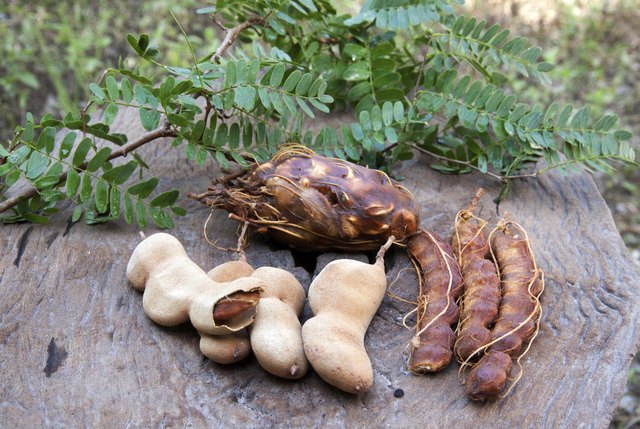
Tamarind is a broadleaf evergreen tropical tree in the legume family, Fabaceae. In frost-free regions, mature trees can grow 40 to 60 feet tall or more, with a wide canopy and fine-textured foliage that casts dappled shade. It produces pale yellow flowers with reddish veins, followed by brown, bean-like pods filled with sticky pulp and hard seeds.
Growing tamarind from seed is affordable, satisfying, and surprisingly beginner-friendly. Seeds often germinate readily when fresh and properly prepared. However, seed-grown trees may take many years to fruit, and fruit quality can vary. If your goal is reliable, high-quality fruit production, grafted or air-layered trees are usually preferred. If your goal is to grow a beautiful tropical plant from scratch, seeds are perfect. They are the garden equivalent of starting a long novel: slow, rewarding, and occasionally dramatic for no reason.
Best Climate for Growing Tamarind
Tamarind thrives in warm, tropical to subtropical conditions. Outdoors, it is best suited to USDA Zones 10 to 11, where freezing weather is rare or absent. It loves full sun and develops best in a warm location with good air movement and well-drained soil. Mature trees are quite drought tolerant once established, but young seedlings need more consistent moisture while their roots are developing.
Cold is the biggest enemy. Tamarind is frost tender, especially when young. If temperatures drop near freezing, seedlings can suffer serious damage or die. Gardeners in cooler climates should start seeds indoors and grow tamarind in containers that can be moved to a sunny window, greenhouse, or warm protected space during cold months.
When to Plant Tamarind Seeds
The best time to plant tamarind seeds is when you can provide steady warmth. In warm climates, spring and early summer are excellent because seedlings receive long days, increasing temperatures, and plenty of time to grow before cooler weather. Indoors, you can start seeds at almost any time of year if you have a heat mat or a consistently warm room, but late winter through spring is often easiest because natural light improves as the seedlings grow.
For best germination, aim for soil temperatures around 70 to 85 degrees Fahrenheit. Warmth encourages faster sprouting and stronger early growth. Cool, wet soil can delay germination and invite rot, which is the gardening version of throwing a welcome party for fungus.
Supplies You Need
You do not need fancy equipment to plant tamarind seeds, but a few basic supplies make success more likely.
- Fresh tamarind seeds from ripe pods or a reliable seed supplier
- A small bowl for soaking seeds
- Warm water
- Seed-starting mix or a loose, well-draining potting mix
- Small pots with drainage holes
- A spray bottle or gentle watering can
- Plastic wrap, a humidity dome, or a clear container cover
- A heat mat, if your room is cool
- Bright light for seedlings after germination
Step-by-Step Guide: How to Plant Tamarind Seeds
1. Choose Fresh, Healthy Seeds
Fresh seeds usually germinate better than old, dried-out seeds. If you are using tamarind from the grocery store, choose ripe pods with moist, sticky pulp. Remove the seeds and wash away the pulp thoroughly. Any pulp left clinging to the seed can encourage mold, so clean them well. A seed should feel firm and look glossy brown. Avoid cracked, shriveled, or soft seeds.
2. Soak the Seeds Before Planting
Tamarind seeds have a hard seed coat. Soaking helps soften that coat and allows moisture to reach the embryo inside. Place the cleaned seeds in warm water for 12 to 24 hours before planting. Use warm water, not boiling water. You are waking the seed, not making tamarind soup.
Some growers lightly scarify tamarind seeds before soaking. Scarification means gently scratching or nicking the outer seed coat so water can enter more easily. You can rub one side of the seed with sandpaper or carefully nick the coat with nail clippers. Do not cut deeply; the goal is to weaken the coat, not injure the embryo. Scarification is optional, but it can speed germination, especially with older or very hard seeds.
3. Prepare a Well-Draining Potting Mix
Tamarind seedlings need moisture, but they dislike soggy conditions. Use a sterile seed-starting mix or a loose potting blend that drains well. A practical mix might include two parts potting soil, one part perlite, and one part coarse sand or coco coir. The texture should hold light moisture while allowing oxygen to reach the roots.
Do not use heavy garden soil in small pots. It can compact, drain poorly, and bring in pests or disease organisms. A clean, airy medium gives young roots the best chance to grow without struggling through mud.
4. Plant the Seeds at the Right Depth
Fill small pots with moist potting mix. Plant each tamarind seed about 1/2 to 1 inch deep. Place the seed flat or on its side, then cover it lightly with mix. Firm the surface gently so the seed has good contact with the soil, but do not press so hard that the pot becomes compacted.
Planting too shallow can cause the seed to dry out. Planting too deep can slow emergence. Around one inch is a simple, reliable target for most home growers.
5. Keep the Soil Warm and Moist
After planting, water gently until the mix is evenly moist. Cover the pot with clear plastic or a humidity dome to reduce moisture loss. Place the pot in a warm location out of harsh direct sun until germination begins. A heat mat set in the warm range can be very helpful, especially if your home runs cool.
Check the pot daily. The soil should stay slightly moist but never waterlogged. If condensation builds heavily under the cover, open it briefly to allow air exchange. Too much trapped moisture with poor air movement can lead to mold or damping-off disease.
6. Watch for Germination
Tamarind seeds may sprout in about 1 to 3 weeks under warm conditions, though some may take longer. Germination is epigeous, meaning the shoot emerges above the soil surface as the seedling begins active growth. Once you see a sprout, remove the plastic cover gradually and move the seedling into bright light.
At this stage, light becomes extremely important. A weak seedling stretching toward a dim window will become tall, thin, and floppy. Give it the brightest indoor location available, or use a grow light for 12 to 16 hours per day.
How to Care for Tamarind Seedlings
Light
Young tamarind plants need bright light to grow well. Outdoors in warm climates, gradually introduce seedlings to morning sun before moving them into stronger light. Indoors, place them near a sunny south- or west-facing window, or use a grow light. Mature tamarind trees prefer full sun, so the more light you can safely provide, the better.
Water
Water when the top inch of potting mix begins to feel slightly dry. Keep the soil evenly moist during early growth, but do not let the pot sit in standing water. Tamarind grows a taproot early, and roots need oxygen. Soggy soil can cause root problems quickly.
Temperature
Keep seedlings warm. Daytime temperatures around 70 to 85 degrees Fahrenheit are ideal. Avoid cold drafts, air-conditioning vents, and chilly windowsills. If your windowsill feels cold to your hand at night, your tropical seedling is probably writing a complaint letter.
Fertilizer
Do not fertilize immediately after planting. Seeds contain enough stored energy to begin growth. Once the seedling has several true leaves and is actively growing, feed lightly with a balanced, diluted fertilizer every 4 to 6 weeks during the warm growing season. Too much fertilizer can burn tender roots, so start gently.
Transplanting
Move seedlings into larger pots when roots begin circling the container or when growth slows despite good care. Choose a pot only one or two sizes larger. Oversized pots hold excess moisture, which can lead to root issues. Because tamarind develops a long taproot, deeper containers are better than shallow ones.
Can You Grow Tamarind Indoors?
Yes, tamarind can be grown indoors as a container plant, especially while young. It will not become a full-sized fruiting tree in a living room, but it can make a handsome tropical foliage plant. The leaves are delicate, feathery, and responsive to light, often folding at night. That small movement gives the plant personality, as if it is politely going to sleep before you do.
The main indoor challenges are light, humidity, and space. Provide very bright light, rotate the pot regularly, and avoid overwatering. During winter, growth may slow. Reduce watering slightly, keep the plant away from cold glass, and do not fertilize heavily until active growth resumes.
Planting Tamarind Outdoors
If you live in a frost-free region, tamarind can eventually be planted outdoors. Choose a sunny location with plenty of room. Remember, this is not a tiny patio herb. A mature tamarind can become a large shade tree with a broad canopy. Avoid planting it too close to buildings, sidewalks, driveways, or underground utilities.
Well-drained soil is essential. Tamarind tolerates a range of soil types, including sandy, loamy, acidic, or alkaline soils, but it performs best where roots are not constantly wet. When transplanting, handle the root ball carefully. Young tamarind seedlings can have a strong taproot, and rough handling may set them back.
Common Problems When Planting Tamarind Seeds
Seeds Do Not Sprout
Possible causes include old seeds, cool soil, planting too deep, or lack of moisture. Try soaking fresh seeds, providing bottom heat, and keeping the mix consistently moist but not soggy.
Seedlings Collapse
This may be damping-off, a fungal problem common in overly wet, poorly ventilated seed trays. Use clean pots, sterile mix, good drainage, and avoid overwatering. Remove covers once seedlings emerge.
Leaves Turn Yellow
Yellow leaves can come from overwatering, poor drainage, low light, cold stress, or nutrient deficiency. Check the roots and soil first. In many cases, the plant is not hungry; it is simply too wet or too cold.
Seedling Becomes Tall and Weak
This usually means insufficient light. Move the plant to a brighter location or add a grow light. Strong overhead light helps seedlings grow compact and sturdy.
How Long Until a Tamarind Tree Produces Fruit?
A seed-grown tamarind tree can take several years to begin fruiting, often longer than grafted trees. In ideal tropical conditions, fruiting may begin after many years, but in containers or cooler climates, fruit may never appear. That does not mean the project is a failure. Many gardeners grow tamarind for its foliage, structure, and the simple pleasure of raising a tropical tree from seed.
Practical Experience: What Growing Tamarind Seeds Teaches You
One of the best lessons from planting tamarind seeds is that tropical plants reward consistency. The first mistake many beginners make is treating tamarind like a vegetable seedling. They plant it, water it every day, and hover over the pot like a worried parent watching a school play. The seed does not need panic. It needs warmth, oxygen, and steady moisture.
In practice, soaking makes a noticeable difference. Seeds planted dry may still sprout, but soaked seeds usually wake up faster and more evenly. A 12- to 24-hour soak is easy and low-risk. If the seeds are especially hard, lightly sanding one side before soaking can help. The trick is being gentle. If you scarify like you are opening a coconut, you have gone too far.
Another useful experience is learning that the potting mix matters more than people think. Tamarind seedlings dislike sitting in cold, wet soil. A fluffy mix with perlite or coarse material lets roots breathe. When the mix is right, watering becomes easier because excess water drains away instead of turning the pot into a swamp. A tamarind seedling may be tropical, but it is not a rice paddy.
Light is the next big lesson. Germination can happen in a warm, protected spot, but once the sprout appears, the plant wants brightness quickly. Seedlings kept in dim rooms often lean dramatically toward the window and grow thin stems. Moving them under a grow light or into a brighter window usually improves growth within days. Strong light creates stronger stems, better leaf color, and a plant that looks confident rather than confused.
Patience is also part of the experience. Some tamarind seeds sprout quickly, while others take their sweet time. Do not dig up the pot every three days to check progress. Disturbing the seed can damage new roots before you even see a shoot. Label the pot, keep it warm, and wait. Gardening often works best when you do the right thing and then stop “helping” quite so enthusiastically.
Transplanting teaches another important lesson: tamarind roots like depth. Seedlings often develop a noticeable taproot early, so a deeper pot can be helpful. When moving a seedling, slide the root ball out carefully and avoid tearing roots. After transplanting, keep the plant in bright indirect light for a few days before returning it to stronger sun. This gives it time to adjust without extra stress.
If you are growing tamarind in a cold climate, winter care becomes the real test. Growth slows, watering needs decrease, and the plant may look less energetic. That is normal. Keep it warm, give it as much light as possible, and resist the urge to compensate with extra fertilizer. In winter, overwatering is more dangerous than underwatering because the plant is using moisture slowly.
The most enjoyable part of growing tamarind from seed is watching the leaves develop. They are delicate, symmetrical, and elegant, almost like tiny green feathers lined up with botanical precision. Young plants have charm long before they become trees. Even if you never harvest a single pod, the process is worth it for the experience of turning a leftover seed into a living tropical plant.
Conclusion
Learning how to plant tamarind seeds is straightforward once you understand the plant’s tropical personality. Start with fresh seeds, clean them well, soak them in warm water, plant them in a loose and well-draining mix, and keep them warm until they sprout. After germination, provide bright light, careful watering, and protection from cold. In frost-free climates, tamarind can eventually become a large, useful shade and fruit tree. In cooler regions, it can still be enjoyed as a container-grown tropical plant.
The most important rule is balance. Keep the seed moist, not soaked. Keep the seedling warm, not cooked. Give it sun, not sudden scorching. Tamarind is tough once established, but baby tamarind plants appreciate a thoughtful start. Treat them well, and those glossy seeds may reward you with one of the most satisfying gardening transformations: from sticky fruit snack to graceful green tree.