Zucchini noodles, also known as zoodles, are the vegetable world’s cheerful little magic trick. One minute you have a humble green squash sitting on the counter, minding its own business. A few swirls, slices, or peels later, it becomes a bowl of curly, twirly, pasta-like noodles ready for pesto, marinara, garlic shrimp, stir-fries, salads, or whatever delicious plan you had before dinner got bossy.
The best part? You do not need a fancy spiralizer to make zucchini noodles at home. A spiralizer is fast and fun, yes, but a julienne peeler, mandoline, regular vegetable peeler, box grater, or sharp knife can also turn zucchini into beautiful noodles. This guide explains how to make zucchini noodles with or without a spiralizer, how to cook them without creating a watery swamp, and how to use them in meals that taste fresh instead of “I am pretending this is pasta and feeling emotional about it.”
Whether you are eating gluten-free, trying a low-carb dinner, sneaking more vegetables into your week, or simply drowning in summer zucchini from the garden, zoodles are a practical, tasty, and surprisingly flexible kitchen skill.
What Are Zucchini Noodles?
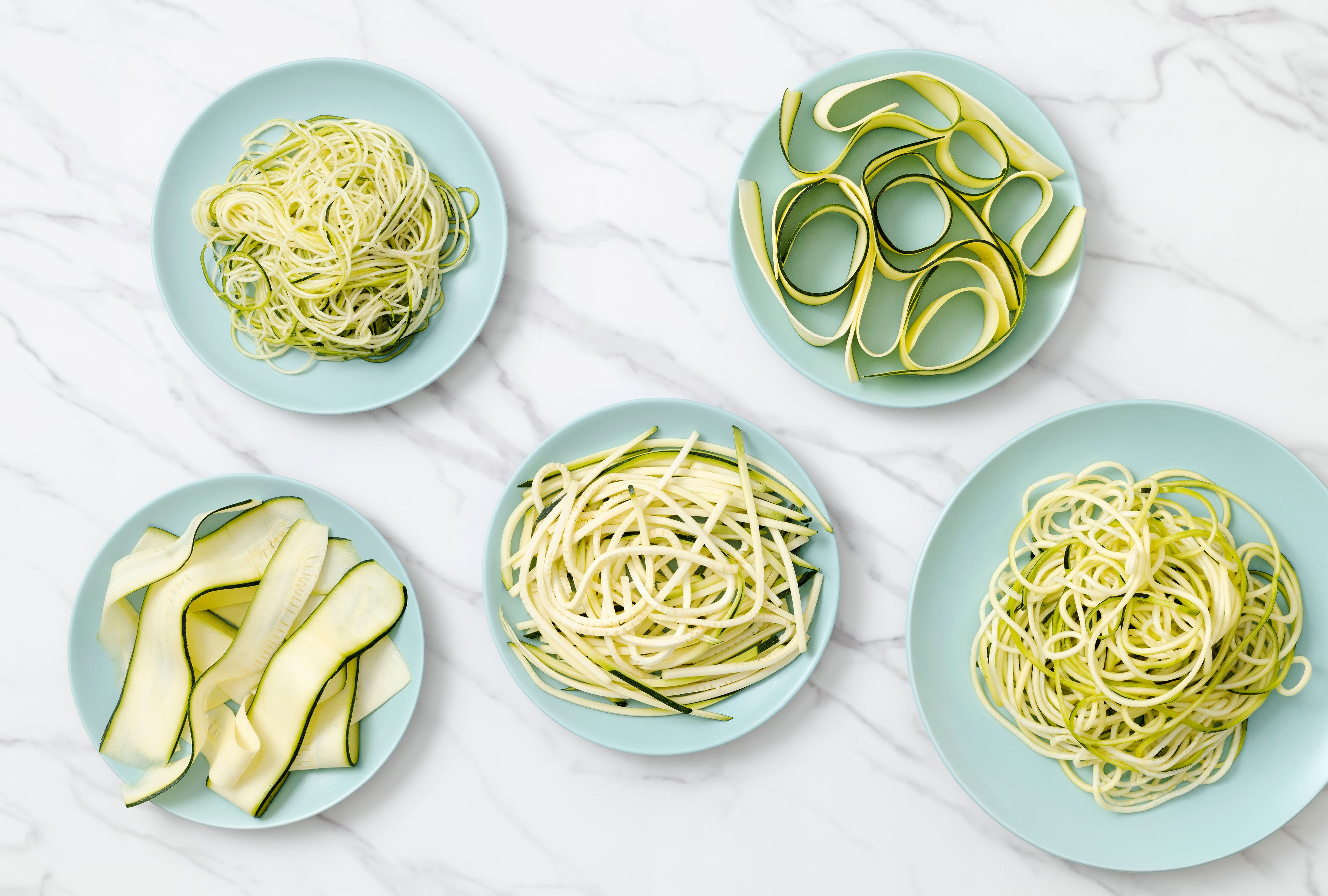
Zucchini noodles are thin strips or ribbons of fresh zucchini cut to resemble pasta. Depending on the tool you use, they can look like spaghetti, linguine, fettuccine, ribbons, matchsticks, or tiny vegetable confetti if your knife skills had a dramatic day.
They are commonly used as a lighter alternative to traditional pasta because zucchini is naturally low in calories and carbohydrates while offering water, fiber, vitamin C, and a mild flavor that plays nicely with sauces. Zoodles can be served raw, lightly sautéed, added to soup, tossed into stir-fries, baked briefly, or mixed half-and-half with regular pasta for a balanced bowl that still feels satisfying.
Best Zucchini for Making Noodles
For the best zucchini noodles, choose small to medium zucchini that feel firm, heavy for their size, and have smooth, shiny skin. Oversized zucchini may look impressive, like it has been training for a county fair, but bigger is not always better. Large zucchini often have more seeds and a softer, watery center, which can make noodles mushy.
Look for These Qualities
Pick zucchini that are about 6 to 8 inches long, with no major bruises, soft spots, or wrinkled skin. The shape should be fairly straight if you plan to use a spiralizer because curved zucchini can wobble and create uneven noodles. If you are using a peeler or knife, shape matters less.
Should You Peel Zucchini First?
No, you usually do not need to peel zucchini before making noodles. The skin adds color, texture, and nutrients, and it helps the noodles hold their shape. Just wash the zucchini well under running water and dry it before cutting. Skip soap, detergent, or produce wash; plain running water and gentle rubbing are enough for fresh produce.
Tools You Can Use to Make Zucchini Noodles
There is no single “right” tool for zoodles. The best option depends on what you own, what shape you want, and how much counter space you are willing to surrender to gadgets.
1. Countertop Spiralizer
A countertop spiralizer is the fastest way to make classic curly zucchini noodles. It usually has suction cups, a crank handle, and interchangeable blades. Trim the ends of the zucchini, secure it between the blade and handle, then turn the crank. In seconds, you get long, springy noodles that look like they belong in a food magazine or at least in a very ambitious lunchbox.
2. Handheld Spiralizer
A handheld spiralizer is smaller, cheaper, and easier to store. You twist the zucchini through the tool like sharpening a giant vegetable pencil. It works well for one or two servings, though it can be tiring if you are feeding a crowd.
3. Julienne Peeler
A julienne peeler looks like a regular vegetable peeler but has tiny teeth that cut zucchini into thin strips. It is inexpensive, compact, and surprisingly effective. Drag it lengthwise down the zucchini, rotating as you go. Stop when you reach the seedy center, which can be saved for soup, smoothies, scrambled eggs, or vegetable stock.
4. Mandoline
A mandoline can create thin zucchini planks that you then slice into noodles with a knife. Some mandolines also have julienne attachments. This method is fast and precise, but the blade is very sharp. Use the hand guard. Your fingertips are lovely and should remain part of the team.
5. Vegetable Peeler
A basic vegetable peeler makes wide, flat zucchini ribbons, similar to pappardelle. These are excellent for cold salads, lemony side dishes, or delicate sauces. They are not spaghetti-shaped, but they are elegant enough to make dinner feel slightly more expensive.
6. Sharp Knife
No spiralizer? No special peeler? No problem. Slice the zucchini lengthwise into thin planks, stack a few planks, then cut them into narrow strips. Knife-cut zucchini noodles are a little more rustic, but rustic is just another word for “homemade with personality.”
How to Make Zucchini Noodles With a Spiralizer
Using a spiralizer is simple once you get the rhythm. Here is the basic method:
Ingredients
- 2 medium zucchini
- 1 teaspoon olive oil, if cooking
- Salt and black pepper, to taste
- Optional: garlic, lemon juice, pesto, marinara, Parmesan, herbs, or red pepper flakes
Step-by-Step Instructions
- Wash and dry the zucchini. Rinse under running water, rub gently, and pat dry.
- Trim the ends. Cut off the stem and blossom ends so the zucchini sits flat in the spiralizer.
- Choose the blade. Use the spaghetti blade for thin noodles or a thicker blade for heartier spirals.
- Secure the zucchini. Place it between the blade and crank handle.
- Turn the handle. Apply steady pressure and spiralize until you reach the core.
- Cut long strands. If the noodles are extremely long, snip them with kitchen scissors so they are easier to toss and eat.
- Cook or serve raw. Use immediately for the best texture.
Two medium zucchini usually make enough noodles for about two light side servings or one generous main dish serving, depending on toppings and appetite.
How to Make Zucchini Noodles Without a Spiralizer
If you do not have a spiralizer, you still have plenty of options. Each method creates a slightly different texture, which can actually be useful depending on the dish.
Method 1: Julienne Peeler Zoodles
Hold the zucchini firmly on a cutting board. Pull the julienne peeler from top to bottom in long strokes, rotating the zucchini after each side. Stop at the soft, seedy core. This creates thin, spaghetti-like strips that cook quickly and work well with light sauces.
Method 2: Vegetable Peeler Ribbons
Use a standard peeler to shave long ribbons from the zucchini. Rotate as you go, stopping at the center. These wide ribbons are perfect with olive oil, lemon, cherry tomatoes, basil, and shaved Parmesan. They also work beautifully in raw zucchini noodle salads.
Method 3: Mandoline Noodles
Slice zucchini lengthwise into thin planks using a mandoline. Stack the planks and slice them into strips with a sharp knife. If your mandoline has a julienne blade, use it to create long, narrow noodles directly. Always use the safety guard.
Method 4: Knife-Cut Zoodles
Cut the zucchini lengthwise into thin slices, then cut each slice into noodle-like strips. Try to keep the pieces similar in thickness so they cook evenly. Knife-cut zoodles have a pleasant bite and are great in stir-fries because they do not collapse as quickly as very thin noodles.
Method 5: Box Grater Shreds
A box grater will not make long noodles, but it can create shredded zucchini that works in bowls, quick sautés, fritters, soups, and breakfast scrambles. Use the large holes and grate lengthwise. Squeeze out extra moisture before cooking.
How to Keep Zucchini Noodles from Getting Watery
Zucchini contains a lot of water. That is great for freshness, not so great when your dinner turns into soup without permission. The key is to remove some moisture and avoid overcooking.
Salt and Drain
Place the zucchini noodles in a colander and sprinkle lightly with salt. Let them sit for 10 to 20 minutes, then gently pat dry with paper towels or a clean kitchen towel. Do not over-salt; you are seasoning, not preserving them for a sea voyage.
Cook Briefly
Zucchini noodles only need a few minutes in a hot skillet. Cook them too long and they become limp, watery, and emotionally unavailable. Aim for tender-crisp, not fully soft.
Keep Sauce Separate Until Serving
Warm sauce separately, then toss it with the noodles just before eating. Heavy sauces pull moisture from zucchini, so avoid letting zoodles sit in sauce for too long.
Use High Heat
A hot skillet helps excess moisture evaporate quickly. If the pan is too cool or overcrowded, the zucchini steams instead of sautés.
Best Ways to Cook Zucchini Noodles
You can eat zucchini noodles raw, sautéed, boiled briefly, baked, or added directly to hot dishes. Each method has a purpose.
Raw Zucchini Noodles
Raw zoodles are crisp, refreshing, and ideal for salads. Toss them with pesto, lemon vinaigrette, peanut sauce, or a simple mix of olive oil, garlic, herbs, and cherry tomatoes. Let the dressing sit for 5 minutes to soften the noodles slightly.
Sautéed Zucchini Noodles
Heat a teaspoon or two of olive oil in a large skillet over medium-high heat. Add garlic for 20 to 30 seconds, then add the zucchini noodles. Toss for 2 to 4 minutes, just until tender. Season after cooking, then serve immediately.
Boiled or Blanched Zucchini Noodles
Boiling is risky because zucchini absorbs and releases water easily. If you want to blanch zoodles, dip them into boiling water for 30 to 60 seconds, then drain very well. This method is best when you want a softer texture.
Baked Zucchini Noodles
Spread noodles on a parchment-lined baking sheet and bake briefly at a moderate temperature until just tender. This can help dry them slightly, but watch closely because thin noodles can overcook fast.
Zoodles in Soup
Add zucchini noodles at the very end of cooking. The heat of the broth will soften them in a minute or two. This works well in chicken soup, pho-inspired bowls, minestrone, and light vegetable soups.
Flavor Ideas for Zucchini Noodles
Zucchini has a mild flavor, which means it is basically the friendly neighbor of vegetables. It gets along with almost everything.
Garlic Parmesan Zoodles
Sauté zucchini noodles with olive oil, garlic, salt, pepper, and a squeeze of lemon. Finish with Parmesan and parsley. This is the weeknight classic: quick, bright, and not trying too hard.
Pesto Zucchini Noodles
Toss raw or lightly cooked zoodles with basil pesto, cherry tomatoes, toasted pine nuts, and grilled chicken or chickpeas. Pesto clings nicely to the strands without making them too watery.
Marinara Zoodles
Warm marinara separately, sauté the noodles briefly, then spoon the sauce on top. Add turkey meatballs, Italian sausage, mushrooms, or roasted eggplant for a more filling meal.
Asian-Inspired Zoodle Stir-Fry
Use knife-cut or thicker spiralized noodles for stir-fries. Toss with sesame oil, ginger, garlic, soy sauce, scallions, carrots, bell peppers, and shrimp, tofu, or chicken. Add the zucchini last so it stays crisp.
Cold Zoodle Salad
Combine zucchini ribbons with cucumber, feta, olives, tomatoes, red onion, and lemon dressing for a Mediterranean-style salad. Or toss zoodles with peanut dressing, cabbage, cilantro, and crushed peanuts for a crunchy lunch.
Common Zucchini Noodle Mistakes
Mistake 1: Overcooking
This is the number one zoodle crime. Zucchini noodles need minutes, not a long simmer. When in doubt, cook less. The residual heat will keep softening them after they leave the pan.
Mistake 2: Adding Too Much Salt Too Early
Salt draws out moisture. That is helpful when draining noodles, but if you salt heavily in the skillet and let them sit, they can release water quickly. Season lightly and serve fast.
Mistake 3: Using Giant Zucchini
Huge zucchini are better for baking, shredding, or stuffing. For noodles, smaller zucchini usually give you better texture and fewer seeds.
Mistake 4: Drowning Them in Sauce
Zoodles are not wheat pasta. They do not absorb sauce the same way. Use less sauce than you think you need, then add more at the table.
Mistake 5: Expecting Them to Taste Exactly Like Pasta
Zucchini noodles are delicious, but they are still zucchini. Enjoy them for what they are: fresh, light, quick-cooking vegetable noodles. If you want a more traditional pasta experience, mix half zoodles and half spaghetti.
How to Store Zucchini Noodles
Zucchini noodles are best when fresh, but you can prep them ahead. Store raw zoodles in an airtight container lined with paper towels. Keep them refrigerated and use them within 2 to 3 days for the best texture. If moisture collects, replace the towel before cooking.
Cooked zoodles are more delicate. Store leftovers in the refrigerator for up to 2 days, but expect them to soften. Reheat gently in a skillet, not the microwave, if possible. The microwave tends to make them release more water.
Can You Freeze Zucchini Noodles?
You can freeze zucchini noodles, but they will not thaw into crisp, fresh strands. Frozen zoodles are best for soups, casseroles, sauces, and cooked dishes where softness is acceptable. For the best quality, blanch briefly, cool quickly, drain well, pat dry, and freeze in a single layer before transferring to a freezer bag.
If you want zoodles for a fresh salad or a tender-crisp skillet dinner, make them fresh. Your future self will thank you, probably while holding a fork.
Simple Zucchini Noodle Recipe
Ingredients
- 2 medium zucchini, spiralized or cut into noodles
- 1 tablespoon olive oil
- 2 cloves garlic, minced
- 1/4 teaspoon kosher salt, plus more as needed
- 1/4 teaspoon black pepper
- 1 tablespoon fresh lemon juice
- 2 tablespoons grated Parmesan
- 1 tablespoon chopped basil or parsley
Instructions
- Wash, dry, and trim the zucchini.
- Make noodles using a spiralizer, julienne peeler, mandoline, vegetable peeler, or knife.
- If the noodles seem wet, place them in a colander, sprinkle lightly with salt, rest for 10 minutes, and pat dry.
- Heat olive oil in a large skillet over medium-high heat.
- Add garlic and cook for about 30 seconds, stirring constantly.
- Add zucchini noodles and toss for 2 to 4 minutes, until just tender.
- Remove from heat. Add lemon juice, pepper, Parmesan, and herbs.
- Serve immediately.
Experience Notes: What Making Zucchini Noodles Teaches You in a Real Kitchen
The first time you make zucchini noodles, you may feel like you are performing a tiny culinary magic show. This is especially true if you use a spiralizer. You attach a plain zucchini, turn the crank, and suddenly long green curls tumble out like vegetable party streamers. It is deeply satisfying, slightly ridiculous, and almost guaranteed to make someone nearby say, “Wait, that came from zucchini?”
But the real lesson arrives when you cook them. Zucchini noodles are easy, but they are not passive. They ask you to pay attention. Traditional pasta can handle boiling water, a long sauce bath, and a forgotten minute or two. Zoodles are more dramatic. Turn your back for too long and they go from tender to soggy faster than a paper towel in a rainstorm.
After making them a few times, you learn that preparation matters. Dry zucchini works better than wet zucchini. Medium zucchini behave better than giant ones. A hot pan is your friend. A crowded pan is where texture goes to retire. You also learn not to judge zoodles by pasta rules. They are not supposed to be chewy like spaghetti. Their charm is freshness: a light bite, a mild garden flavor, and the ability to carry garlic, lemon, herbs, pesto, or spicy sauce without weighing the plate down.
One practical experience is that different tools create different moods. Spiralized noodles feel playful and pasta-like, great for marinara or pesto. Vegetable peeler ribbons feel elegant, especially in a raw salad with lemon and Parmesan. Julienne peeler strips are quick and reliable for weeknight cooking. Knife-cut strips may not win a beauty contest, but they hold up nicely in stir-fries. The “best” method is usually the one that gets dinner on the table without turning your kitchen into a gadget showroom.
Another thing you discover is that zucchini noodles are excellent for compromise. If someone at the table wants pasta and someone else wants more vegetables, mix zoodles with regular spaghetti. The pasta gives structure and comfort; the zucchini adds freshness and volume. It is not a surrender. It is diplomacy with garlic.
Zoodles are also helpful when you need a fast meal. A couple of zucchini, olive oil, garlic, leftover chicken, and a spoonful of pesto can become dinner in less time than it takes to debate takeout. They are forgiving with flavors, even if they are not forgiving with overcooking. Add tomatoes in summer, mushrooms in fall, shrimp when you want protein, chickpeas when the pantry is doing the heavy lifting, or a fried egg when dinner needs a little drama.
The biggest experience-based tip is simple: serve zucchini noodles immediately. Do not cook them and let them sit while you answer messages, find plates, or explain to a child that green noodles are not a legal threat. Have the sauce ready, the toppings ready, and the people ready. Zoodles wait for no one.
Once you understand that, zucchini noodles become less of a recipe and more of a useful kitchen habit. They help use extra zucchini, lighten rich sauces, add vegetables to familiar meals, and make dinner feel fresh without requiring chef-level effort. And if a few strands turn out uneven? That is not failure. That is rustic charm, and rustic charm has saved many dinners.
Conclusion
Learning how to make zucchini noodles with or without a spiralizer gives you a fast, flexible way to turn fresh zucchini into healthy, flavorful meals. A spiralizer creates classic curly zoodles, but a julienne peeler, mandoline, vegetable peeler, box grater, or sharp knife can also do the job. The secret is choosing firm medium zucchini, drying the noodles well, cooking them briefly, and pairing them with sauces that complement their light texture.
Zucchini noodles are not a pasta impersonator wearing a green disguise. They are their own delicious thing: fresh, quick, colorful, and ready for weeknight dinners, summer salads, low-carb meals, gluten-free bowls, and vegetable-packed comfort food. Treat them gently, season them well, and they will reward you with a plate that tastes bright instead of soggy. That is a small kitchen victory worth twirling on a fork.