Clean windows do something magical to a room. They let in more light, make the whole house look less tired, and create the illusion that you absolutely have your life together. The problem is that many store-bought glass cleaners can leave streaks, strong odors, or that mysterious sticky film that only appears after the sun hits the glass at the worst possible angle.
The good news is that the best homemade window cleaner is simple, affordable, and surprisingly effective when you pair the right ingredients with the right technique. This is not one of those “just splash random pantry items together and hope for the best” situations. A smart DIY window cleaner uses ingredients that cut grease, lift residue, and dry quickly enough to leave glass clear instead of cloudy.
In this guide, you will learn exactly how to make a homemade window cleaner that works, why it works, what tools matter most, how to avoid streaks, and how to adapt the recipe for different messes. By the end, your windows, mirrors, and glass doors may become so shiny that somebody walks into one. Politely, of course.
Why Homemade Window Cleaner Works So Well
A good homemade window cleaner does three jobs at once. First, it loosens dirt, fingerprints, and everyday grime. Second, it cuts greasy film from cooking, smoke, or airborne dust. Third, it dries cleanly so you do not end up chasing streaks around the glass like they owe you money.
That is why the best recipes usually rely on a short list of dependable ingredients: water, white vinegar, rubbing alcohol, and sometimes a tiny amount of dish soap. Water acts as the base. Vinegar helps dissolve residue and mineral film. Rubbing alcohol evaporates fast, which helps reduce streaking. A drop or two of dish soap can help with greasy buildup, especially on kitchen windows or glass doors that get touched all day.
The secret is balance. Too much soap can leave residue. Too much vinegar can make the smell strong and the finish less pleasant. Too much enthusiasm with the spray bottle can leave drips everywhere. The winning formula is not dramatic. It is just smart.
The Best Homemade Window Cleaner Recipe
Ingredients
- 2 cups distilled water
- 1/2 cup white distilled vinegar
- 1/4 cup rubbing alcohol (70% is fine)
- 1 to 2 drops grease-cutting dish soap
- Optional: 2 to 3 drops lemon essential oil for scent
Why this recipe is the best
This version combines the strengths of several popular DIY glass-cleaning formulas. The distilled water helps reduce mineral spotting. The vinegar tackles smudges and light mineral film. The rubbing alcohol speeds up drying, which is especially helpful if you want that crisp, streak-free finish. The tiny amount of dish soap helps break through greasy fingerprints without turning the solution into bubble soup.
How to mix it
- Pour the distilled water into a clean spray bottle.
- Add the white vinegar.
- Add the rubbing alcohol.
- Add only 1 to 2 drops of dish soap.
- Swirl gently to combine. Do not shake like you are mixing a cocktail for a cleaning competition.
- Label the bottle clearly and store it out of reach of children and pets.
How to use it
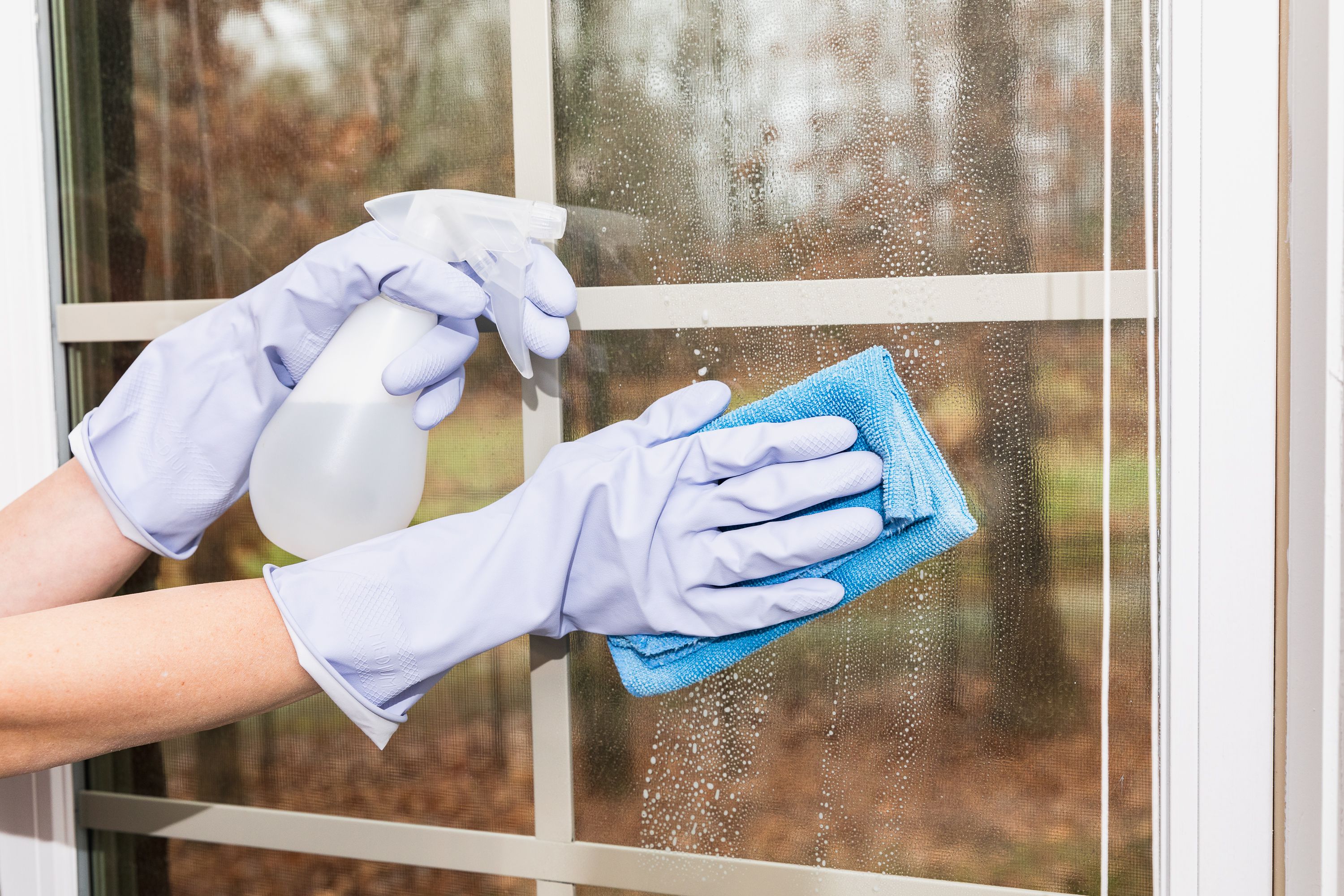
Lightly mist the glass, then wipe with a clean microfiber cloth or use a squeegee for larger windows. Finish with a dry microfiber cloth to buff out any remaining moisture. Less product usually gives better results than more product, so aim for a fine mist, not a rainstorm.
Best Tools for Streak-Free Windows
The cleaner matters, but the tools matter just as much. Using the wrong cloth is one of the fastest ways to sabotage perfectly good glass cleaner.
1. Microfiber cloths
Microfiber cloths are the MVP of window cleaning. They trap dust, absorb moisture well, and leave less lint than paper towels or old cotton rags. One damp cloth for cleaning and one dry cloth for buffing is a simple setup that works beautifully.
2. Squeegee
For large windows, a good squeegee can make you feel like a professional in about three passes. Use it from top to bottom or in neat horizontal strokes, wiping the blade after each pass. If the rubber edge is nicked or stiff, it will leave streaks faster than you can say “why did I even start this.”
3. Soft brush or vacuum attachment
Before cleaning the glass, remove loose dust from frames, sills, and tracks. If you skip this step, you are basically turning dry dirt into muddy paste.
4. Bucket for bigger jobs
If you are cleaning many windows, mix a larger batch in a bucket and use a cloth or sponge for the initial wash. Then finish with a spray bottle for detail work.
How to Clean Windows the Right Way
Step 1: Pick the right time
Do not clean windows in direct sunlight or during the hottest part of the day. Heat causes the cleaner to dry too quickly, which often leaves streaks behind. An overcast day or shaded side of the house is your friend.
Step 2: Dust first
Use a dry microfiber cloth, soft brush, or vacuum attachment to remove dust from the glass, frames, and sill. This small step makes a big difference.
Step 3: Spray lightly
Apply a light mist of cleaner. Oversaturating the glass leads to drips, wasted cleaner, and extra buffing.
Step 4: Wipe with purpose
Wipe in long vertical or horizontal strokes rather than random circles. A simple pattern helps you see where you have cleaned and where streaks remain.
Step 5: Dry and buff
Use a second dry microfiber cloth to remove the last traces of moisture. This final pass is where the sparkle happens.
Step 6: Clean the edges
Use the corner of a dry cloth to catch moisture near the frame and corners. Those sneaky little drips love to show up later and ruin your victory lap.
Common Mistakes That Ruin Homemade Window Cleaner Results
Using tap water in hard-water areas
If your tap water leaves spots on dishes, it can leave spots on windows too. Distilled water is inexpensive and often worth it for a better finish.
Adding too much dish soap
A tiny amount helps with grease. Too much can leave a film that attracts dust and creates streaks.
Cleaning dirty windows with a dirty cloth
This sounds obvious, yet it happens all the time. A cloth loaded with lint, fabric softener residue, or yesterday’s mystery grime will not help.
Skipping the prep work
If you ignore dusty frames, pollen, or loose dirt, you will smear the mess across the glass instead of removing it.
Using too much cleaner
Glass does not need to swim. A light mist cleans more effectively than a soaked surface.
Simple Variations for Different Window Problems
For everyday indoor cleaning
Use the main recipe exactly as written. It is balanced, effective, and easy to wipe away.
For extra greasy kitchen windows
Add 1 extra drop of dish soap, no more. Kitchen windows often collect cooking oils, so the slight boost can help. Follow with a dry buffing cloth so no residue remains.
For outdoor windows with pollen or dust
Rinse the window lightly with plain water or wipe off loose dirt first. If you spray cleaner straight onto dusty glass, you may end up making a smear mural.
For light hard-water spots
Spray a more vinegar-forward mix on the affected area first, let it sit for a minute, then wipe and follow with the standard recipe. For stubborn mineral buildup, repeat rather than scrubbing aggressively.
For mirrors and glass shower doors
This recipe can work well on mirrors and many glass surfaces. Use less product on mirrors to avoid seepage at the edges. For shower glass, pre-rinse soap scum first and expect to do a second pass if buildup is heavy.
Should You Add Cornstarch?
Some homemade glass cleaner recipes use cornstarch to help polish glass and reduce streaks. It can work, especially on very grimy windows, but it also makes the mixture a little fussier. You have to shake the bottle often, and any extra powder can leave residue if it is not mixed well. If you love experimenting, try a separate test batch. If you want a reliable, low-drama cleaner, stick with the water-vinegar-alcohol formula above.
Safety Tips You Should Absolutely Not Ignore
- Never mix bleach with vinegar or other acidic cleaners.
- Keep homemade cleaners labeled clearly.
- Store bottles away from children and pets.
- Use a gentle hand on delicate surfaces, tinted films, or specialty coatings.
- When in doubt, test the cleaner on a small area first.
This is also a good place for a friendly reminder: homemade window cleaner is for cleaning, not for guessing games in unmarked bottles. Label it. Future you will be grateful.
How to Make Your Windows Stay Cleaner Longer
Once your windows look fantastic, the next goal is keeping them that way for more than eleven minutes.
Dust first, often
A quick dry wipe every week or two can prevent buildup and make deep cleaning easier later.
Touch the glass less
This advice is unrealistic if you live with children, pets, or adults who apparently communicate through fingerprints. Still, reducing contact around patio doors and lower panes helps.
Use screens and keep them clean
Dirty screens send dust right back onto clean glass. Wash them occasionally and let them dry fully before reinstalling.
Buff after cleaning
That final dry cloth pass is not optional if you want truly polished windows. It is the difference between “clean” and “why does this house look brighter?”
Frequently Asked Questions About Homemade Window Cleaner
Is vinegar enough by itself?
Sometimes, yes. A simple vinegar-and-water mix can work for light cleaning. But adding rubbing alcohol improves drying speed, and a tiny bit of dish soap helps with greasy film.
Can I use this on car windows?
It can work on plain glass, but be careful with tinted windows or films. Always check the manufacturer’s recommendations before using any cleaner.
Can I use paper towels?
You can, but microfiber usually gives better results with less lint and fewer streaks.
How long does homemade window cleaner last?
In a clean, sealed spray bottle, it usually keeps well for routine household use. Make smaller batches if you prefer the freshest mix and best scent.
What if my windows still look streaky?
Try using less cleaner, switching to distilled water, washing your microfiber cloths properly, or avoiding sunny conditions. Most streak problems come down to technique, residue, or too much product.
Experience-Based Lessons from Real DIY Window Cleaning Routines
One of the most common experiences people have with homemade window cleaner is starting out skeptical and ending up mildly offended that the cheapest recipe in the house works better than the fancy bottle from the store. The first time many people try a vinegar-based cleaner, they expect disappointment, a strong smell, and maybe a sticky mess. What they usually discover is that the smell fades quickly, the glass dries faster than expected, and the real game-changer is not some miracle ingredient at all. It is the method.
A typical story goes something like this: someone sprays half the window with too much cleaner, attacks it with paper towels, and ends up with lint, streaks, and emotional damage. Then they switch to a microfiber cloth, use less spray, and suddenly the window looks dramatically better. That little lesson gets repeated in homes all over the place. Homemade cleaner is often blamed for results that were actually caused by bad tools or over-spraying.
Another common experience comes from kitchen windows. These are the overachievers of household grime. They collect grease from cooking, dust from the air, and fingerprints from everyone who opens a window while making dinner. A plain vinegar-and-water mix sometimes struggles there, which is why adding a drop or two of dish soap makes such a noticeable difference. People often describe that moment like they have discovered a secret family recipe, except the family recipe is basically “use less soap than you think.”
Outdoor windows bring a different kind of reality check. Many homeowners learn the hard way that cleaning dusty exterior glass without rinsing first just creates mud in a new format. Pollen, cobwebs, and windblown grime need to be removed before the actual glass cleaning begins. Once that habit is in place, the homemade cleaner starts performing the way people hoped it would on the first try.
There is also the universal experience of cleaning windows on a sunny day because it seems cheerful and productive, only to discover the cleaner drying mid-wipe like it has somewhere else to be. That mistake teaches itself very quickly. After one streaky afternoon in full sun, most people become lifelong fans of cloudy weather, early morning, or at least the shady side of the house.
Perhaps the most satisfying experience, though, is the final reveal. You finish buffing the glass, step back, and realize the room looks brighter, cleaner, and oddly more expensive. Nothing in the furniture changed. The windows simply stopped looking tired. That is the quiet genius of a really good homemade window cleaner. It is cheap, practical, and just effective enough to make you feel like a domestic wizard with a spray bottle.
Conclusion
If you want the best homemade window cleaner, keep it simple: distilled water, white vinegar, rubbing alcohol, and just a tiny touch of dish soap. Pair that with microfiber cloths, light spraying, and smart timing, and you can get crisp, streak-free glass without spending much money. In other words, your windows do not need a luxury product. They need a better plan.