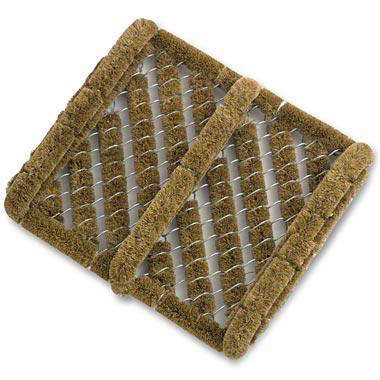
A boot scraper doormat may not be the flashiest home upgrade, but it is one of those small, hardworking items that quietly saves your floors from a daily mud parade. Think of it as the bouncer at your front door: polite, firm, and fully prepared to stop dirt, grit, grass, snow, sand, and mysterious outdoor crumbs before they sneak inside.
Whether you live in a rainy suburb, a snowy mountain town, a dusty rural area, or a home where kids and pets treat the yard like an obstacle course, the right boot scraper doormat can make a noticeable difference. It protects entryway flooring, reduces cleaning time, and gives guests a clear, friendly hint: “Please wipe those shoes before my hallway becomes a nature documentary.”
In this guide, we will explore what a boot scraper doormat is, how it works, which materials perform best, where to place it, how to clean it, and what to look for before buying one. We will also cover real-life experiences and practical tips so you can choose a mat that looks good, lasts longer, and actually does its dirty job well.
What Is a Boot Scraper Doormat?
A boot scraper doormat is a heavy-duty entrance mat designed to remove stubborn debris from the soles and edges of shoes and boots. Unlike a soft indoor rug that mainly absorbs light moisture, a scraper mat uses rough fibers, raised ridges, rubber grooves, bristles, or a combination of these textures to physically scrape off dirt before it reaches your floors.
Standard welcome mats are often decorative. A boot scraper doormat is decorative with a mission. It is especially useful near front doors, back doors, garage entries, mudrooms, garden entrances, workshops, barns, patios, and any doorway that sees muddy shoes or outdoor work boots.
Why a Boot Scraper Doormat Is Worth It
Floor cleaning is nobody’s favorite hobby. A good boot scraper doormat reduces the amount of dirt tracked indoors, which means less sweeping, less mopping, and fewer gritty surprises under bare feet. If you have hardwood, tile, vinyl, laminate, or carpet near your entrance, this simple mat helps protect those surfaces from scratches, stains, and moisture.
It is also useful for safety. Wet leaves, snow, mud, and grit can make entryways slippery. A scraper mat with a stable backing gives people a place to clean their shoes before stepping inside. The result is a cleaner, drier, more controlled transition from outdoors to indoors.
For busy households, the benefit becomes obvious quickly. One muddy dog walk, one rainy soccer game, or one afternoon of gardening can prove that an ordinary doormat is sometimes just a decorative rectangle with big dreams. A real boot scraper doormat gives those dreams a backbone.
Best Materials for a Boot Scraper Doormat
Coir Boot Scraper Doormats
Coir is a natural fiber made from coconut husks. It is popular because it has stiff, bristly fibers that scrape dirt effectively from shoe soles. A coir boot scraper doormat has a classic look and works well on covered porches, mudrooms, patios, and garage entries.
Coir is excellent for dry dirt, leaves, grass, and light mud. It also has a warm, natural appearance that fits farmhouse, cottage, traditional, and casual home styles. However, coir can shed over time, especially at the edges, and it may not dry as quickly as open rubber mats in very wet locations.
Rubber Boot Scraper Doormats
Rubber mats are practical, durable, and easy to clean. Many rubber boot scraper doormats have raised ridges, open holes, or molded patterns that knock off mud and allow water to drain away. Rubber is a strong choice for rainy climates, snowy regions, garages, workshops, and uncovered outdoor entries.
Rubber mats are usually less decorative than coir mats, but they are excellent when function matters most. They can be hosed off, shaken out, and put back to work with very little drama. If your doorway frequently sees wet boots, rubber is often the sensible choice.
Coir and Rubber Combination Mats
Some of the best boot scraper doormats combine coir and rubber. The coir fibers scrape dirt, while the rubber frame adds weight, stability, drainage, and shape retention. These hybrid mats are ideal for homeowners who want strong cleaning performance without sacrificing curb appeal.
A coir-and-rubber mat can work well at the front door because it looks more welcoming than a plain industrial mat but still has serious scraping power. It is also a good choice for mudrooms, back doors, and porch entrances.
Polypropylene and Synthetic Scraper Mats
Polypropylene and other synthetic fibers are common in modern doormats because they resist moisture, dry quickly, and can be shaped into grooves or textured surfaces. These mats are often low-profile, making them helpful for doors with limited clearance.
Synthetic scraper mats can be a good option for apartment doors, covered entryways, and homes that need a mat that traps dirt without being too thick. Some are also designed to resist fading and are easier to vacuum than deep natural fiber mats.
How to Choose the Best Boot Scraper Doormat
Match the Mat to Your Weather
If you live somewhere rainy or snowy, choose a rubber or rubber-backed mat with drainage. If your main issue is dry dust, leaves, and garden debris, coir can be excellent. If your entryway gets a mix of everything, a coir-and-rubber combination mat is often the most balanced option.
Check Door Clearance
Before buying a boot scraper doormat, open your door and measure the gap between the bottom of the door and the floor. Thick coir mats and heavy-duty scraper mats can block doors if the clearance is too low. For tight spaces, choose a low-profile rubber or synthetic mat.
Choose the Right Size
A tiny mat may look cute, but it will not help much if people step over it. For a standard single door, an 18-by-30-inch mat is common. For double doors or wide porches, a larger mat gives guests more room to wipe both feet properly. When in doubt, choose a mat wide enough for a natural step and wipe motion.
Look for Non-Slip Features
A boot scraper doormat should stay where you put it. Look for rubber backing, textured bottoms, weighty construction, or beveled edges. A mat that slides around every time someone wipes their boots is not a doormat; it is a surprise skateboard.
Consider Cleaning and Maintenance
If you want the lowest-maintenance option, rubber is hard to beat. You can hose it down and let it dry. Coir requires shaking, vacuuming, and occasional spot cleaning. Washable mat systems may be convenient for households with pets or frequent messes, but always check the care instructions before tossing anything into the washing machine.
Where to Place a Boot Scraper Doormat
The best location depends on how people enter your home. Most households benefit from placing one heavy-duty scraper mat outside and one absorbent mat just inside the door. The outdoor mat removes mud and debris, while the indoor mat catches remaining moisture. This two-step system is especially helpful in winter, rainy seasons, and homes with active kids or pets.
Popular locations include the front porch, back patio, garage entry, mudroom, basement door, garden shed, laundry room entrance, and workshop door. If there is a door where dirty footwear appears, that door is a candidate for a boot scraper doormat.
Boot Scraper Doormat vs. Regular Doormat
A regular doormat is usually designed for light wiping and decoration. It may say “Welcome,” show seasonal art, or add color to your entryway. A boot scraper doormat focuses more on performance. It has rougher texture, stronger construction, and a surface built to dig into shoe treads.
That does not mean it has to look ugly. Many modern scraper mats come in attractive patterns, half-round shapes, woven styles, and decorative rubber frames. The key is to choose a mat that fits your home’s style while still doing the job. A pretty mat that cannot remove mud is like a fancy umbrella made of tissue paper: charming, but not helpful.
How to Clean a Boot Scraper Doormat
Weekly Cleaning
Shake the mat outside to remove loose dirt, leaves, and grit. For deeper fibers, use a stiff brush or vacuum to pull out debris. If the mat is in a high-traffic area, a weekly shake can keep it working better and prevent buildup.
Monthly Cleaning
Vacuum the mat thoroughly, especially if it is made of coir or textured synthetic fibers. For odors, sprinkle baking soda over the surface, let it sit, and vacuum it away. This is especially useful for mats near pet doors, mudrooms, or damp entries.
Seasonal Deep Cleaning
Rubber mats can usually be rinsed with a hose and scrubbed with mild dish soap. Coir mats should be cleaned more gently. Avoid soaking natural fiber mats for long periods, because too much moisture can shorten their life. Always let the mat dry completely before putting it back in place.
Common Mistakes to Avoid
One common mistake is choosing a mat based only on appearance. A beautiful mat can brighten your porch, but if it is too smooth, too thin, or too slippery, it will not perform well as a boot scraper doormat.
Another mistake is using an indoor-only mat outdoors. Some fabric mats absorb water but do not drain well, which can lead to odors and faster wear. Outdoor scraper mats should be made from materials that can handle moisture, sun, dirt, and repeated foot traffic.
Finally, many people forget to clean the mat itself. A doormat full of old mud cannot keep new mud out. When the mat becomes packed with dirt, it stops trapping debris and starts sharing it generously with everyone’s shoes.
Best Uses for a Boot Scraper Doormat
For Mudrooms
A mudroom is the perfect place for a boot scraper doormat. Pair it with a boot tray, hooks, and a small bench for a practical drop zone. This setup keeps muddy boots, wet coats, and outdoor gear from migrating through the house.
For Gardeners
Garden soil has a magical ability to cling to shoes and appear later in the kitchen. A stiff coir or rubber scraper mat near the garden entrance helps remove dirt before you come inside for water, gloves, or a snack break.
For Pet Owners
Dogs do not understand entryway etiquette. A boot scraper doormat cannot clean paws completely, but it can reduce the amount of dirt around the door. Place it near the pet entrance and keep a towel nearby for rainy days.
For Snowy Areas
In snowy climates, choose a rubber mat with drainage and an indoor absorbent mat. Snow and slush need somewhere to melt without soaking into your flooring. A raised rubber scraper mat outside can help remove chunks of snow before boots reach the interior mat.
Style Tips for a Better Entryway
A boot scraper doormat can be practical and attractive. For a layered look, place a patterned outdoor rug underneath a smaller scraper mat. This style is popular on porches because it adds color while keeping the high-performance mat where shoes actually land.
Choose colors that hide dirt if your entrance sees heavy use. Charcoal, brown, black, tan, and mixed natural tones are forgiving. If you prefer a brighter seasonal mat, consider using it in a covered area and switching to a heavier rubber mat during rough weather.
Shape matters too. Rectangular mats are versatile, half-round mats soften the look of a doorway, and long runner-style scraper mats work well for double doors or garage entries. The best design is the one that makes people naturally step on the mat instead of around it.
Real-Life Experience: What It Is Like to Use a Boot Scraper Doormat
Using a boot scraper doormat sounds simple, but the real value shows up in everyday moments. Imagine coming home after mowing the lawn. Without a scraper mat, bits of grass ride into the house like tiny green hitchhikers. With a good scraper mat, a few firm wipes remove most of the clippings before they reach the entryway.
After gardening, the difference is even clearer. Soil sticks to shoe treads, especially if the ground is damp. A coir mat does a great job grabbing dry dirt, while a rubber scraper mat handles thicker mud better because the raised ridges can push debris away from the sole. If you keep both outside and inside mats, you get the best result: scrape first, absorb second.
During rainy weeks, a rubber boot scraper doormat becomes the household hero. It does not get soggy as easily as some fiber mats, and it can be rinsed clean when mud dries on the surface. Families with kids often notice that the area near the door stays cleaner when the mat is large enough for a full step. A small mat invites one quick toe tap. A larger mat encourages actual wiping.
Pet owners may find that a boot scraper mat helps reduce the mess around doors, although it will not replace wiping muddy paws. One useful trick is to create a “cleaning station” beside the door: scraper mat outside, absorbent mat inside, towel on a hook, and a small basket for leashes or paw wipes. This keeps the process quick instead of turning every rainy walk into a hallway wrestling match.
For homes with garages, placing a scraper mat between the garage and the house is surprisingly effective. Garage floors collect dust, leaves, sawdust, road salt, and small gravel. A sturdy mat at that interior entry helps stop debris from spreading into the kitchen or laundry room. It is not glamorous, but neither is sweeping the same hallway three times a day.
One lesson many homeowners learn quickly is that maintenance matters. A coir mat that is never shaken out becomes packed with dirt. A rubber mat full of dried mud loses its scraping edge. Cleaning the mat regularly keeps it useful. The good news is that cleaning usually takes only a minute: shake, brush, vacuum, or rinse depending on the material.
Another real-world tip is to think seasonally. In spring, mud and pollen may be the main problems. In summer, dust, sand, and grass clippings show up more often. In fall, leaves crumble into tiny pieces that cling to shoes. In winter, snow, slush, and salt become the big enemies. You may not need a different mat for every season, but you should choose one that can handle your messiest months.
Finally, a boot scraper doormat quietly changes household behavior. When people see a sturdy, textured mat right at the entrance, they are more likely to wipe their shoes. The mat becomes a visual reminder without needing a speech. No one wants to be the person who tracks mud across a clean floor while a perfectly good scraper mat sits there judging them.
Conclusion
A boot scraper doormat is a small investment with everyday benefits. It helps keep dirt outside, protects floors, improves entryway safety, and makes cleaning easier. The best option depends on your weather, doorway, style, and traffic level. Coir is great for natural scraping power, rubber is excellent for wet and muddy conditions, and hybrid mats offer a practical mix of both.
Choose a mat with the right size, thickness, backing, and cleaning requirements. Place it where dirty shoes naturally land, and maintain it regularly so it keeps doing its job. Your floors will stay cleaner, your entryway will look more organized, and your mop may finally get a little vacation. Honestly, it has earned one.