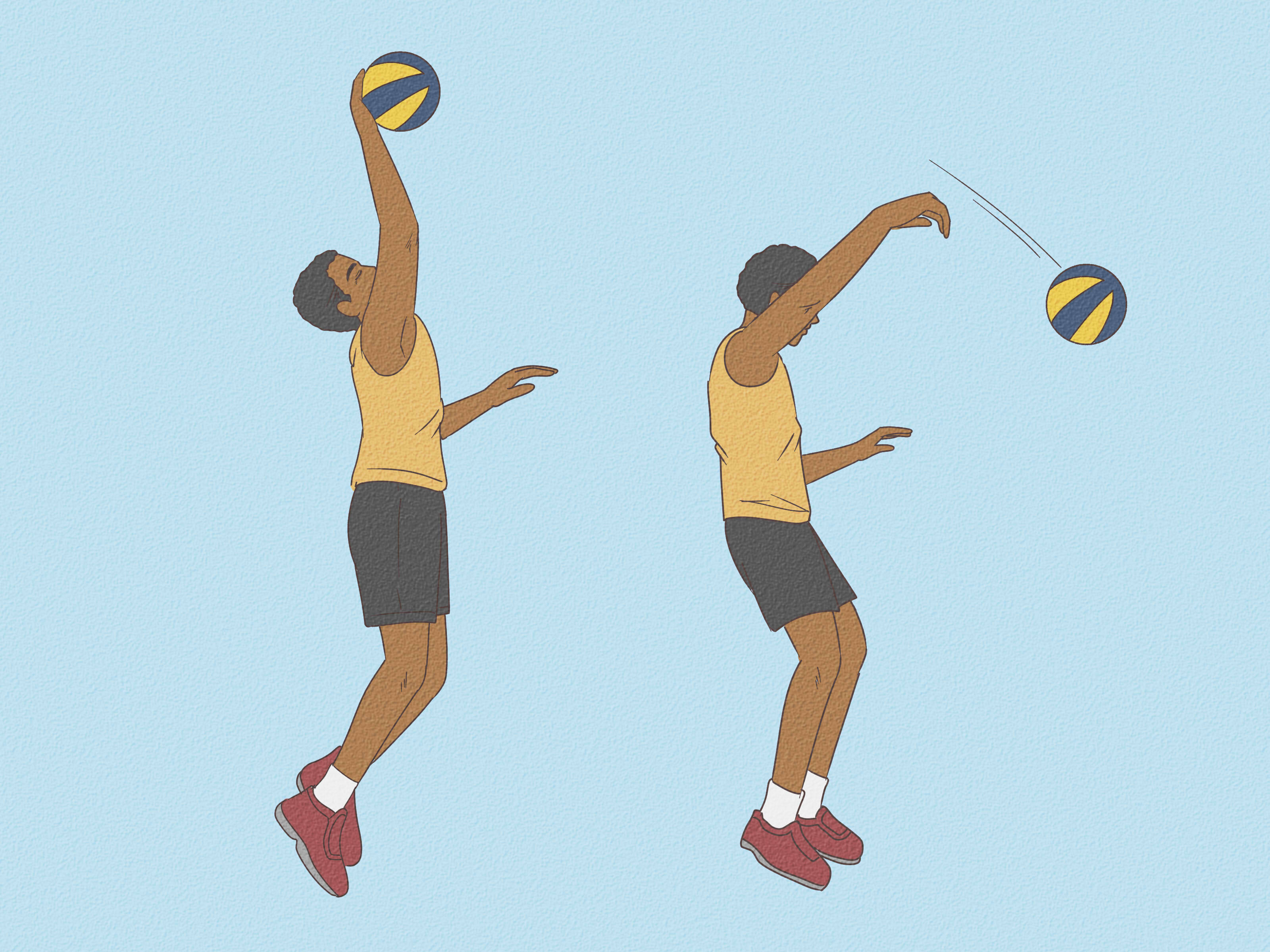
In volleyball, a few extra inches can feel like discovering a secret elevator hidden under your sneakers. A higher vertical jump helps you attack sharper angles, block more balls, serve with more power, and generally look like gravity forgot to send you the memo. But learning how to jump higher for volleyball is not about doing random jump squats until your legs file a formal complaint. It is about combining strength, explosiveness, technique, mobility, recovery, and smart practice.
The best volleyball jump training plan builds the body like a spring: strong enough to load force, quick enough to release it, and controlled enough to land safely. Whether you are a beginner trying to touch the net or an experienced hitter chasing a bigger spike reach, the same principles apply. You need stronger legs and hips, better arm swing timing, efficient approach mechanics, and plyometric exercises that teach your muscles to fire fast.
This guide breaks down the best tips and exercises to increase your vertical jump for volleyball without turning your knees into crunchy granola. Let’s get airborneresponsibly.
Why Vertical Jump Matters So Much in Volleyball
Volleyball is a repeated-jump sport. Hitters jump to attack, blockers jump to close the net, setters jump to disguise plays, and servers jump to add speed and angle. Unlike basketball, where a big leap may happen in open space, volleyball jumps are often timed under pressure, near teammates, beside opponents, and after quick footwork. That means your vertical jump is not just about height. It is about producing power quickly and landing with control.
A better volleyball vertical jump can help you:
- Contact the ball at a higher point during attacks
- Hit sharper cross-court and line angles
- Press over the net more effectively while blocking
- Improve jump serve power and consistency
- Move more explosively during transition plays
- Reduce fatigue when jumping repeatedly during long rallies
In short, jumping higher gives you more options. And in volleyball, options are delicious.
The Science of Jumping Higher: Strength Plus Speed
Your vertical jump depends on how much force you can produce and how quickly you can produce it. Strength training improves your ability to push into the floor with force. Plyometric training teaches your muscles and tendons to use that force explosively. Technique makes sure you are not wasting energy like a phone with twelve apps open in the background.
Think of your jump as a three-part equation:
Vertical jump = strength + power + efficient movement
Strength comes from exercises like squats, deadlifts, lunges, hip thrusts, and split squats. Power comes from plyometrics such as box jumps, broad jumps, pogo jumps, and approach jumps. Efficient movement comes from better footwork, arm swing, posture, and landing mechanics.
The mistake many players make is focusing only on jumping more. That sounds logical, but it can backfire. If you jump with poor mechanics every day, you are not training your verticalyou are rehearsing bad habits with enthusiasm. Build the engine first, then teach it to launch.
Step One: Test Your Current Vertical Jump
Before you start training, measure where you are. This gives you a baseline and prevents the classic athlete problem of saying, “I think I’m jumping higher,” while your tape measure quietly disagrees.
Simple Wall Test
- Stand next to a wall and reach one arm as high as possible. Mark your standing reach.
- Dip into a quick athletic stance and jump as high as possible.
- Touch or mark the highest point you can reach.
- Subtract your standing reach from your jump reach.
Retest every two to four weeks. Do not test every day. Vertical jump numbers can change based on sleep, soreness, stress, and whether your legs feel like fresh springs or leftover noodles.
Best Strength Exercises to Jump Higher for Volleyball
Strength is the foundation of volleyball jump power. You do not need to become a powerlifter, but you do need strong hips, glutes, quads, hamstrings, calves, and core muscles. Stronger muscles let you apply more force into the court. More force, applied quickly, usually means more height.
1. Squats
Squats build the quads, glutes, and trunk strength needed for explosive takeoff. Goblet squats are great for beginners. Front squats and back squats are useful for experienced athletes with proper form.
How to do it: Stand with feet about shoulder-width apart. Keep your chest tall, brace your core, sit the hips down and back, then drive through the floor to stand. Your knees should track in the same direction as your toes.
Suggested sets: 3–5 sets of 3–8 reps, depending on experience and load.
2. Romanian Deadlifts
Romanian deadlifts strengthen the hamstrings and glutes, which are major players in hip extension. In plain English: they help you snap upward like a human slingshot.
How to do it: Hold dumbbells or a barbell in front of your thighs. Hinge at the hips while keeping your back flat. Lower the weight until you feel tension in your hamstrings, then drive your hips forward to stand.
Suggested sets: 3–4 sets of 6–10 reps.
3. Bulgarian Split Squats
Volleyball jumping and landing are not always perfectly symmetrical. Bulgarian split squats build single-leg strength, balance, and hip control. They also have a special talent for making athletes question their life choicesin a productive way.
How to do it: Place one foot behind you on a bench. Lower your back knee toward the floor while keeping your front knee aligned over your toes. Push through the front foot to return to the start.
Suggested sets: 3 sets of 6–10 reps per leg.
4. Hip Thrusts
Hip thrusts target the glutes, which help drive the hips forward and upward during takeoff. Strong glutes also support better knee control when landing.
How to do it: Rest your upper back on a bench, place your feet flat on the floor, and drive your hips upward until your body forms a straight line from shoulders to knees. Squeeze the glutes at the top.
Suggested sets: 3–4 sets of 8–12 reps.
5. Calf Raises
Your calves help finish the jump through ankle extension. They will not magically add ten inches by themselves, but they matterespecially for quick jumps, blocking, and repeated court movement.
How to do it: Stand tall, rise onto the balls of your feet, pause briefly, then lower under control.
Suggested sets: 3 sets of 12–20 reps.
Best Plyometric Exercises for Volleyball Vertical Jump
Plyometrics train explosive power by using fast, spring-like movements. The golden rule is quality over quantity. If your landings get loud, sloppy, or wobbly, stop the set. You are training power, not auditioning for a tap-dancing rhinoceros role.
1. Box Jumps
Box jumps teach explosive takeoff with a lower-impact landing because you land on an elevated surface. Choose a box height that lets you land softly with good posture. Do not pick a box so high that your knees end up near your ears.
How to do it: Start in an athletic stance. Swing your arms, jump onto the box, land softly, stand tall, then step down.
Suggested sets: 3–5 sets of 3–5 reps.
2. Squat Jumps
Squat jumps build lower-body explosiveness and are easy to do almost anywhere. They are especially useful when you focus on maximum height and clean landings.
How to do it: Lower into a quarter squat, swing your arms, jump straight up, and land softly with knees tracking over toes.
Suggested sets: 3–4 sets of 4–6 reps.
3. Broad Jumps
Broad jumps train horizontal power, which helps with your volleyball approach. A great approach jump is not only vertical; it converts forward speed into upward lift.
How to do it: Start with feet hip-width apart. Swing your arms back, load the hips, jump forward as far as possible, and land with balance.
Suggested sets: 3–4 sets of 3–5 reps.
4. Lateral Bounds
Volleyball is full of side-to-side movement. Lateral bounds build single-leg power, balance, and control for blocking footwork and defensive transitions.
How to do it: Jump sideways from one foot to the other. Land softly, stabilize, then bound back in the opposite direction.
Suggested sets: 3 sets of 5 reps per side.
5. Pogo Jumps
Pogo jumps train ankle stiffness and quick ground contact. They are excellent for reactive jumping, especially for blockers who need to jump again quickly after landing.
How to do it: Keep your legs mostly straight, bounce lightly off the balls of your feet, and minimize ground contact time.
Suggested sets: 3 sets of 10–20 seconds.
6. Approach Jumps
The approach jump is the king of volleyball-specific vertical training. It teaches timing, rhythm, arm swing, and force transfer from horizontal movement into vertical lift.
How to do it: Use a three- or four-step approach. Accelerate into your last two steps, plant strong, swing both arms back then upward, and jump tall through the ball-contact position.
Suggested sets: 4–6 sets of 2–4 quality reps.
Improve Your Volleyball Approach Technique
Many players leave inches on the floor because their approach is mistimed or too flat. Good technique can improve jump height without adding muscle. That is the closest thing to free money in athletic training.
Use a Fast Last Two Steps
For most hitters, the final two steps should be quick and powerful. The second-to-last step is usually longer and helps lower the body. The final step is quicker and helps convert forward speed upward.
Load the Arms
Your arms are not decorative noodles. Swing them back during the plant, then drive them upward as you jump. A strong arm swing helps create momentum and lift.
Keep the Chest Up
If your chest collapses forward, your jump may travel forward instead of upward. Stay tall through takeoff so your force goes into height, not into accidentally launching yourself under the net like a confused penguin.
Jump Through the Ball
During hitting practice, focus on reaching high and contacting the ball in front of your hitting shoulder. Better timing often makes a player look like they gained inches overnight.
Landing Mechanics: Jump Higher and Stay Healthy
Jump training is not complete until you can land well. Volleyball players perform hundreds of jumps in practices and matches, so poor landing mechanics can increase stress on the knees, ankles, hips, and lower back.
Use these landing rules:
- Land softly through the balls of the feet, then let the heels lower.
- Bend the hips and knees to absorb force.
- Keep knees aligned with toes; avoid letting them cave inward.
- Land with your chest controlled, not folded over.
- Stick the landing before adding speed or extra reps.
If you feel sharp pain, persistent knee soreness, or ankle instability, stop and get evaluated by a qualified medical or sports performance professional. Toughness is useful in volleyball. Ignoring pain until your body sends a louder invoice is not.
Mobility and Flexibility for a Better Vertical Jump
You need enough mobility to load your jump efficiently. Tight ankles, hips, or calves can limit your ability to get into strong takeoff positions. The goal is not to become a circus contortionist. The goal is usable athletic range of motion.
Helpful Mobility Drills
- Ankle rocks: Improve ankle dorsiflexion for better squatting and landing.
- Hip flexor stretches: Help the hips extend during takeoff.
- World’s greatest stretch: Opens hips, hamstrings, and upper back.
- Deep squat holds: Build comfort in loaded athletic positions.
- Calf stretches: Support ankle range and lower-leg recovery.
Use dynamic mobility before training and longer static stretching after workouts or on recovery days.
A Simple Weekly Plan to Jump Higher for Volleyball
For most volleyball players, two to three focused jump-training sessions per week are enough. More is not always better. Your body adapts during recovery, not while you are grinding through another set with the enthusiasm of a sleepy turtle.
Sample 3-Day Volleyball Jump Training Plan
Day 1: Strength Foundation
- Goblet squat or back squat: 4 sets of 5 reps
- Romanian deadlift: 3 sets of 8 reps
- Bulgarian split squat: 3 sets of 8 reps per leg
- Calf raises: 3 sets of 15 reps
- Plank: 3 sets of 30–45 seconds
Day 2: Plyometrics and Approach Work
- Pogo jumps: 3 sets of 15 seconds
- Box jumps: 4 sets of 4 reps
- Broad jumps: 3 sets of 4 reps
- Approach jumps: 5 sets of 3 reps
- Landing practice: 5 controlled reps
Day 3: Power and Single-Leg Control
- Trap bar deadlift or hip thrust: 4 sets of 4–6 reps
- Lateral bounds: 3 sets of 5 reps per side
- Squat jumps: 3 sets of 5 reps
- Step-ups: 3 sets of 8 reps per leg
- Side plank: 3 sets of 30 seconds per side
Rest at least 48 hours between intense lower-body sessions when possible. During the season, reduce the volume so your legs stay fresh for practices and matches.
Common Mistakes That Stop Volleyball Players From Jumping Higher
Doing Too Many Jumps
Plyometrics work best when reps are explosive and clean. Endless low-quality jumps create fatigue, not flight.
Skipping Strength Training
If you only do plyometrics, you may improve at first, then plateau. Strength gives your jump more horsepower.
Ignoring the Arms
A lazy arm swing can steal inches from your approach jump. Practice coordinated arm drive until it feels automatic.
Landing Loudly
Loud landings often signal poor force absorption. Aim for quiet, controlled landings with knees tracking over toes.
Training Hard While Exhausted
Jump training requires nervous system freshness. If you are exhausted, your body is not learning maximum power. It is just surviving.
Nutrition, Sleep, and Recovery Matter More Than You Think
You cannot out-jump bad recovery forever. Muscles and tendons need fuel, hydration, and rest. Eat enough protein to support muscle repair, include carbohydrates for training energy, and drink water consistently. Sleep is also a major performance tool. If you sleep four hours and expect a personal-best vertical jump, your nervous system may respond with, “Absolutely not.”
Recovery basics include:
- Seven to nine hours of sleep for most athletes
- Protein at meals to support muscle repair
- Carbohydrates before hard practices or lifting sessions
- Easy movement on rest days
- Deload weeks when soreness and fatigue build up
Real-World Experience: What Actually Helps Volleyball Players Jump Higher
One of the most useful lessons from volleyball jump training is that progress usually comes from boring consistency, not magic exercises with dramatic names. Players often search for the one secret drill that will unlock a giant vertical jump. In reality, the athletes who improve the most are usually the ones who master the basics: they lift with good form, jump with intention, land safely, practice their approach, and recover like training actually matters.
A common example is the player who can squat fairly well but barely improves their spike jump. Often, the missing piece is not more leg strength; it is approach rhythm. When that player learns to accelerate into the final two steps, load the arms, and plant with better timing, the jump suddenly looks smoother and higher. Nothing magical happened. The athlete simply stopped leaking energy.
Another frequent situation is the player who loves plyometrics but avoids strength training. They may be quick off the floor, but they lack the force needed for a bigger jump. Adding split squats, Romanian deadlifts, and hip thrusts for several weeks can make their takeoff feel more powerful. The jump becomes less like a hop and more like a launch.
Then there is the opposite type: the strong athlete who lifts heavy but moves slowly. This player may need low-volume explosive workbox jumps, pogo jumps, broad jumps, and approach jumpsto teach the body to use strength quickly. Strength is useful, but volleyball does not wait around while you politely prepare to jump. The ball is coming now. Your body needs to produce force fast.
Landing practice is another underrated game changer. Many athletes want to talk only about takeoff, but volleyball rewards players who can jump again and again without breaking down. A hitter who lands under control can transition faster, protect the knees and ankles, and stay effective late in matches. Soft landings, stable knees, and strong hips may not look as exciting on social media as a monster box jump, but they keep athletes on the court.
The biggest experience-based tip is to train your vertical jump like a volleyball skill, not just a gym number. A higher standing vertical is nice, but your approach jump, block jump, and jump serve need sport-specific timing. Include jumps that look and feel like volleyball: approach jumps, block jumps, lateral bounds, and quick repeated jumps. Measure progress, but also notice how you feel during games. Are you contacting the ball higher? Are you blocking with stronger hands over the net? Are you less tired in the third set? Those signs matter.
Finally, patience wins. Most players do not add six inches in two weeks, no matter what the internet’s most enthusiastic thumbnail promises. But with eight to twelve weeks of smart strength training, plyometrics, technique work, and recovery, many athletes can feel a real difference. The net starts to look less like a wall and more like an invitation.
Conclusion: Build Your Jump Like a Volleyball Athlete
Learning how to jump higher for volleyball is not about chasing random exercises or destroying your legs every day. It is about training the full system: strength, power, technique, mobility, landing control, and recovery. Squats, Romanian deadlifts, split squats, box jumps, lateral bounds, pogo jumps, and approach jumps all have a place when they are programmed wisely.
Start by testing your vertical jump. Build strength two or three times per week. Add plyometrics in small, high-quality doses. Practice your approach mechanics until your steps, arms, and takeoff work together. Land softly, recover seriously, and track your progress every few weeks. Do that consistently, and you will give yourself the best chance to rise higher, hit harder, block smarter, and make gravity look mildly embarrassed.